Chicken chili is a modern evolution of a classic American comfort dish, prized for its lean protein base, bright acidity, and layered spice profile. Unlike traditional beef-based chilis that rely on rich, fatty cuts and deep smokiness, chicken chili emphasizes freshness, lightness, and aromatic complexity. The success of any great chicken chili hinges not on technique alone—but on the careful selection and balance of its core ingredients. From the choice of poultry to the type of chile used, every component plays a functional role in building texture, depth, and temperature. Understanding what makes each ingredient indispensable allows home cooks to craft a bowl that’s both nourishing and deeply satisfying. This guide breaks down the foundational elements of chicken chili, explaining their culinary purpose, variations, and optimal use in everyday cooking.
Definition & Overview
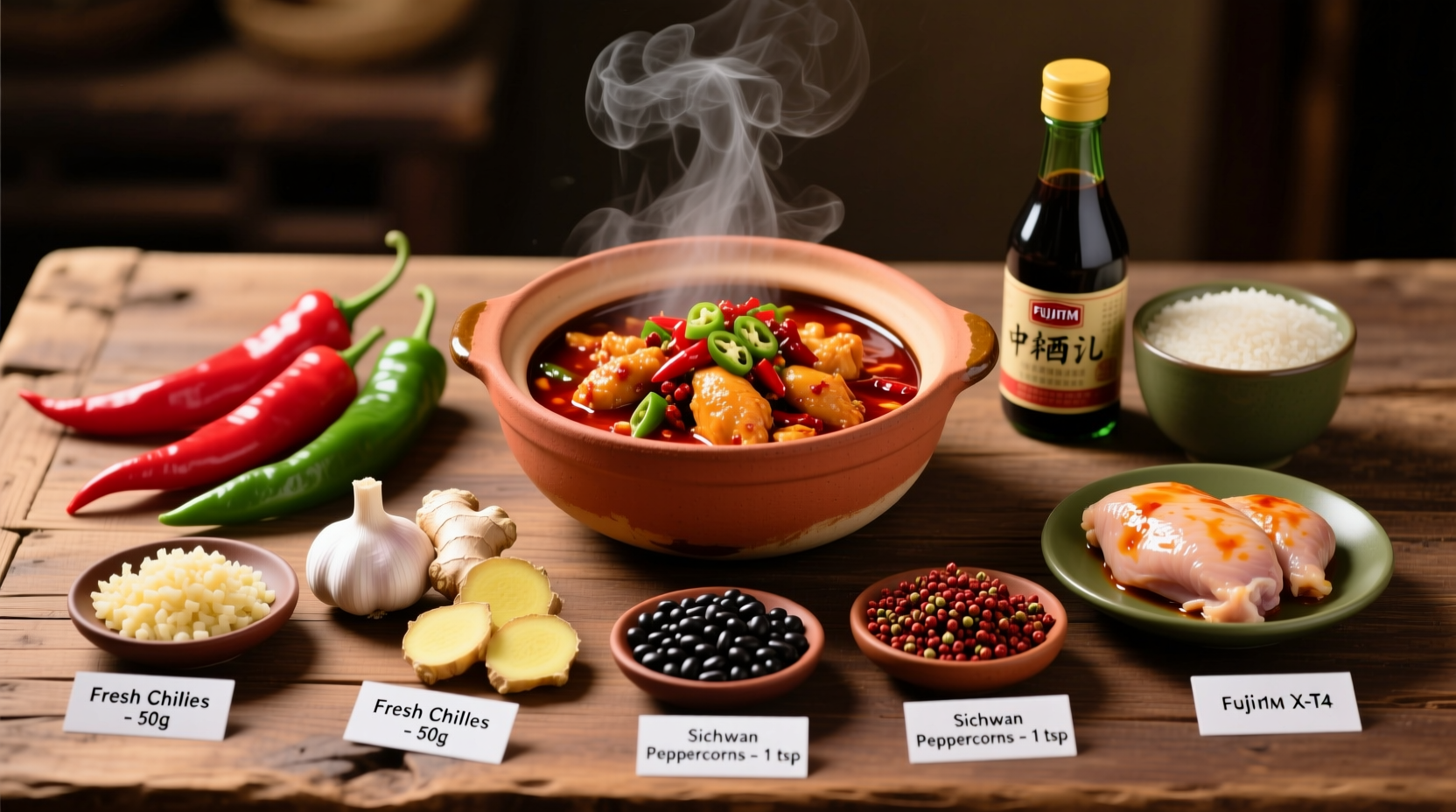
Chicken chili is a stew-like dish originating in the Southwestern United States, adapted from traditional red and green chilis but reimagined with poultry as the central protein. It typically features shredded or diced cooked chicken simmered in a broth-based liquid with beans (commonly white beans like cannellini or Great Northern), roasted vegetables, chiles, herbs, and spices. The result is a lighter, more nuanced alternative to heavier meat-based chilis, often served with toppings such as avocado, sour cream, cheese, or cilantro.
The dish gained popularity in the 1990s as health-conscious eating trends emphasized lean proteins and high-fiber legumes. Its versatility allows for numerous regional and personal interpretations—from creamy versions with tomatillos and green chiles to tomato-forward renditions with smoked paprika and cumin. Regardless of variation, all successful chicken chili recipes share a common foundation: a harmonious blend of savory, spicy, tangy, and herbal notes anchored by well-chosen ingredients.
Key Characteristics of Core Ingredients
The strength of chicken chili lies in its layered composition. Each ingredient contributes specific sensory and functional properties. Below is a breakdown of the essential components and their defining characteristics:
| Ingredient | Flavor Profile | Culinary Function | Heat Level (Scoville) | Shelf Life (Unopened/Proper Storage) |
|---|---|---|---|---|
| Chicken (boneless, skinless thighs or breasts) | Mild, savory, slightly sweet | Primary protein; absorbs surrounding flavors | N/A | Fresh: 1–2 days fridge; Frozen: 9 months |
| Green Chiles (canned or fresh) | Grassy, vegetal, mildly spicy | Base heat and Southwest character | 1,000–4,000 SHU (Anaheim); 2,500–8,000 SHU (Poblano) | Canned: 12–18 months; Fresh: 1 week fridge |
| Tomatillos | Tart, citrusy, earthy | Acidic backbone; thickens sauce when blended | N/A | Fresh: 2 weeks fridge; Roasted: 3 months frozen |
| White Beans (cannellini, navy, Great Northern) | Creamy, nutty, mild | Fiber source; adds body and texture | N/A | Dry: 1–2 years; Cooked: 5 days fridge |
| Onion (yellow or white) | Pungent, sweet when caramelized | Aromatic base; builds foundational flavor | N/A | Whole: 2–3 weeks pantry; Cut: 7 days fridge |
| Garlic | Sharp, pungent, umami-rich | Flavor amplifier; enhances savoriness | N/A | Whole bulb: 3–6 months cool/dry; Minced: 1 week fridge |
| Cumin (ground or seed) | Earthy, warm, slightly bitter | Signature chili spice; adds depth | N/A | Ground: 2–3 years; Seeds: 4 years |
| Chicken Broth | Savory, saline, umami | Hydration and flavor carrier | N/A | Unopened: 1 year shelf; Opened: 5 days fridge |
Practical Usage: How to Use Each Ingredient Effectively
Understanding an ingredient's function is only half the battle—knowing how to apply it correctly determines the final outcome. Below are precise methods for integrating each essential element into your chicken chili.
Chicken: Searing vs. Poaching
While many recipes call for pre-cooked shredded chicken, the most flavorful results come from searing bone-in thighs first, then removing bones and returning meat to the pot. The collagen and fat from bone-in pieces enrich the broth naturally. For quicker preparation, poach boneless thighs in broth with bay leaf and garlic until internal temperature reaches 165°F (74°C), then shred. Avoid overcooking breast meat, which dries out easily.
Chiles: Fresh, Canned, or Dried?
Canned green chiles (like Hatch or Anaheim) offer convenience and consistent flavor. For deeper complexity, roast fresh poblanos or jalapeños under a broiler until blistered, steam in a covered bowl, then peel and dice. Dried chiles (such as guajillo or pasilla) can be rehydrated and blended into a paste for richer color and layered heat, though they're less common in standard chicken chili.
Tomatillos: Raw vs. Roasted
Raw tomatillos contribute sharp acidity, but roasting them—along with onions and garlic—on a sheet pan at 400°F (200°C) for 20 minutes develops sweetness and mellows tartness. Blending roasted tomatillos creates a velvety base ideal for creamy-textured chilis. Use a 1:1 ratio of tomatillos to canned green chiles for balanced brightness.
Beans: Canned vs. Dry
Canned beans save time and maintain uniform texture. Rinse thoroughly to remove excess sodium and starch. For superior mouthfeel and control over salt content, cook dried beans with onion, garlic, and bay leaf until tender (about 1–1.5 hours). One cup dry yields ~2.5 cups cooked. Add beans late in cooking to prevent disintegration.
Spices: Blooming for Maximum Impact
Never add ground spices directly to liquid. Instead, toast cumin seeds in a dry skillet over medium heat for 1–2 minutes until fragrant, then grind—or bloom ground cumin, oregano, and smoked paprika in oil after sautéing onions. This process, called \"tempering,\" unlocks volatile oils and integrates flavor throughout the dish. Use 1–1.5 teaspoons ground cumin per 6-serving batch.
Pro Tip: Build flavor in stages. Sauté aromatics (onion, garlic) → bloom spices → deglaze with broth → add liquids and solids. Simmer gently for 20–30 minutes to meld flavors without toughening chicken.
Variants & Types: Adapting the Base Recipe
Chicken chili is highly adaptable. Regional preferences and dietary needs have given rise to several distinct styles, each defined by key ingredient shifts.
- White Chicken Chili: Uses white beans, green chiles, tomatillos, and often includes corn. No tomatoes. Often enriched with cream or full-fat coconut milk for silkiness.
- Red Chicken Chili: Incorporates diced tomatoes, tomato paste, and sometimes red chiles (like guajillo). Earthier and more robust, resembling traditional beef chili in appearance.
- Vegetarian/Vegan Chicken Chili: Replaces poultry with jackfruit, mushrooms, or soy-based chicken substitutes. Umami depth comes from miso, soy sauce, or nutritional yeast.
- Instant Pot Chicken Chili: Prioritizes speed. Uses quick-cook beans and pre-shredded rotisserie chicken. High-pressure cooking extracts flavor rapidly but may lack depth unless aromatics are browned first.
- Slow-Cooker Chicken Chili: Ideal for all-day infusion. Best with bone-in thighs and whole spices. Allows collagen to break down slowly, yielding a naturally thicker, richer broth.
Each variant alters ingredient ratios and techniques. For example, slow-cooker versions benefit from whole garlic cloves and extra herbs, while stovetop methods require tighter timing to preserve texture.
Comparison with Similar Ingredients
Several ingredients commonly used in chili-making are mistaken for one another, leading to imbalanced dishes. Clarifying these distinctions ensures better control over flavor and heat.
| Ingredient Pair | Differences | Best Used In |
|---|---|---|
| Green Chiles vs. Jalapeños | Green chiles (canned) are milder, more vegetal; jalapeños are hotter and brighter. Substituting raw jalapeño 1:1 for canned chiles increases heat significantly. | Use canned green chiles for background warmth; fresh jalapeños for punchy spice. |
| Tomatillos vs. Green Tomatoes | Tomatillos are encased in husks and have a citrusy tang; green tomatoes are unripe red tomatoes with a sharper, more acidic bite. | Tomatillos are essential for authentic green chili flavor; green tomatoes work in pinch but alter pH and texture. |
| Cumin vs. Coriander | Cumin is earthy and warm; coriander is citrusy and floral. They are often paired but never interchangeable. | Cumin defines chili flavor; coriander supports in blends but shouldn’t dominate. |
| Chicken Broth vs. Bone Broth | Bone broth has higher collagen and deeper umami due to long simmering; standard broth is lighter and saltier. | Bone broth enhances richness in slow-cooked versions; regular broth works fine for quick stovetop batches. |
\"The difference between a good chicken chili and a great one often comes down to layering—not just ingredients, but when and how you introduce them. Aromatics first, spices second, proteins last.\" — Chef Elena Martinez, Southwest Culinary Institute
Practical Tips & FAQs
How much chicken should I use per serving?
For six servings, use 1.5 to 2 pounds (680–900g) of boneless chicken. This yields about 3–4 cups shredded, providing ample protein without overwhelming the broth-to-solid ratio.
Can I make chicken chili ahead of time?
Yes—and it improves overnight. Flavors continue to meld during refrigeration. Store in airtight containers for up to 4 days. Reheat gently over low heat, adding a splash of broth to restore consistency.
What are the best toppings for chicken chili?
Top with cooling elements to balance heat: sliced avocado, sour cream, crumbled queso fresco, pickled red onions, or lime wedges. Fresh cilantro adds herbal lift. For crunch, try crushed tortilla chips or toasted pepitas.
How do I thicken chicken chili?
If the broth is too thin, mash some of the beans against the pot wall using a spoon. Alternatively, mix 1 tablespoon cornstarch with 2 tablespoons cold water and stir in. Simmer 3–5 minutes to activate thickening.
Is chicken chili healthy?
Yes, when prepared mindfully. It's high in lean protein and fiber, low in saturated fat, and rich in vitamins (especially vitamin C from peppers and folate from beans). To reduce sodium, use low-salt broth and no-salt-added beans, and season at the end.
Can I freeze chicken chili?
Absolutely. Cool completely, then portion into freezer-safe containers with ½ inch headspace. Freeze for up to 3 months. Thaw overnight in the refrigerator before reheating. Cream-based versions may separate slightly; whisk while reheating and add a splash of cream to restore texture.
What are good substitutions for common allergens?
- Dairy-free: Replace sour cream with cashew cream or coconut yogurt.
- Gluten-free: Ensure broth and canned goods are certified GF (some contain hidden wheat).
- Bean-free: Omit beans and add diced zucchini or cauliflower florets for bulk.
How spicy should chicken chili be?
Traditional chicken chili is moderately spiced—warm but not overwhelming. Aim for a Scoville range of 2,000–5,000 units. Control heat by seeding fresh chiles, adjusting cumin levels, and balancing with dairy or lime juice.
Storage Checklist:
✔ Cool within 2 hours of cooking
✔ Store in shallow containers for rapid chilling
✔ Label with date
✔ Refrigerate ≤4 days or freeze ≤3 months
✔ Reheat to 165°F (74°C)
Summary & Key Takeaways
Creating exceptional chicken chili begins with understanding its essential ingredients—not just what they are, but how they interact. The dish thrives on contrast: lean chicken balanced by creamy beans, sharp tomatillos tamed by sweet onions, and gentle heat elevated by bloomed spices. While variations abound, the core principles remain constant—build flavor in layers, respect ingredient integrity, and tailor heat and texture to preference.
Mastering this recipe means knowing when to use canned convenience versus fresh preparation, how to bloom spices properly, and which toppings enhance rather than mask the stew’s natural complexity. Whether you’re cooking for family dinner, meal prepping, or serving guests, a well-constructed chicken chili delivers both nourishment and satisfaction.
Ready to elevate your next batch? Try roasting your tomatillos and chiles before blending, and bloom whole cumin seeds in olive oil. Taste as you go—adjust salt, acid, and heat incrementally. The best chili isn’t made by recipe alone, but by attention.