
For many home cooks, the idea of making chili from scratch can seem intimidating—complex spice blends, hours of simmering, and unpredictable heat levels often deter first-time attempts. But chili doesn’t have to be complicated or fiery to be delicious. An easy homemade mild chili is not only approachable for beginners but also deeply satisfying, rich in flavor, and adaptable to a variety of tastes and dietary needs. This version prioritizes comfort over heat, focusing on balanced seasonings, tender meat (or plant-based alternatives), and a thick, hearty texture that develops with minimal effort. Whether you're cooking for picky eaters, children, or simply prefer a gentler flavor profile, mastering a mild chili lays the foundation for exploring bolder variations later. With common pantry staples and straightforward techniques, this recipe demystifies the process and delivers restaurant-quality results without the stress.
Definition & Overview
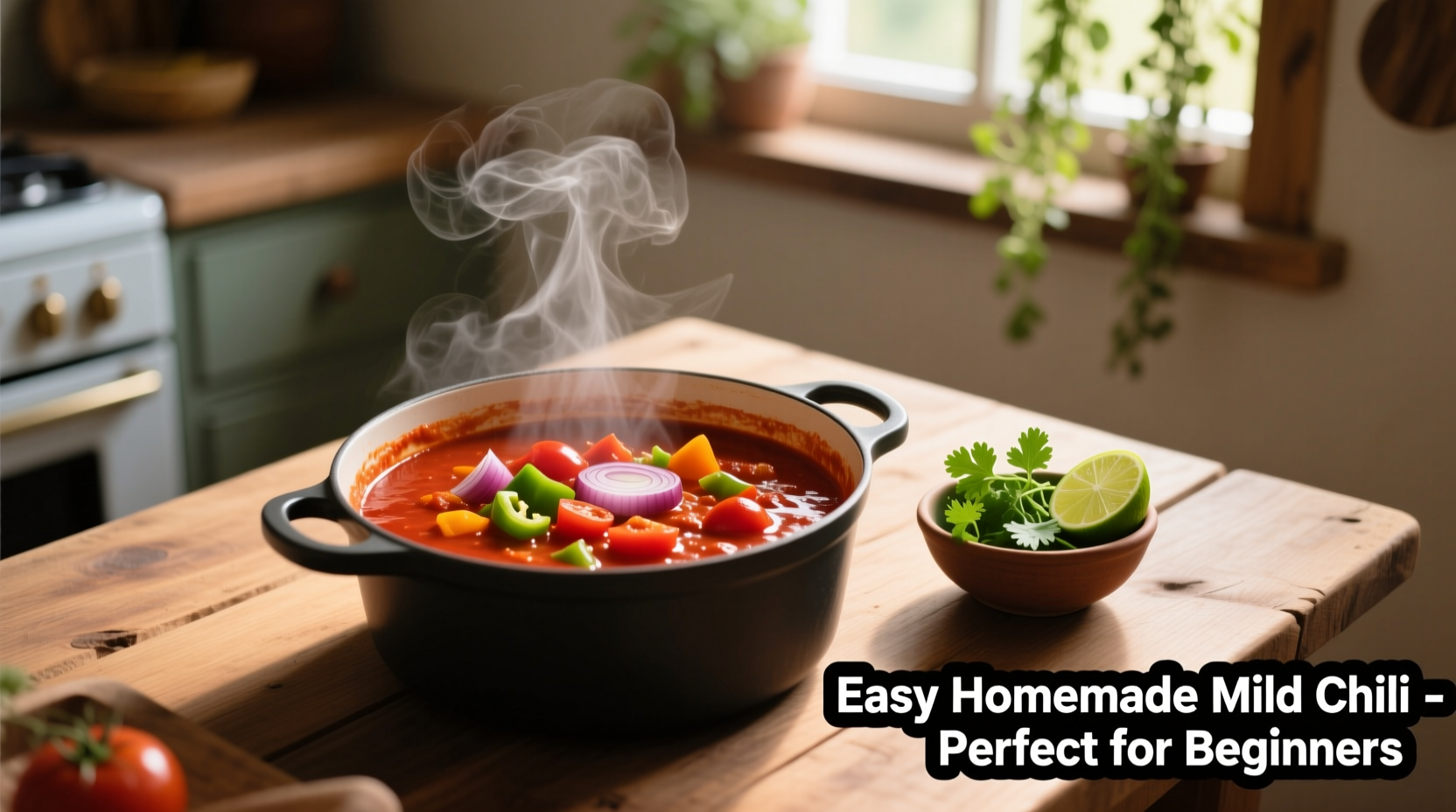
Chili, short for \"chili con carne\" (Spanish for \"chili with meat\"), is a stew-like dish traditionally made with ground or cubed meat, beans, tomatoes, onions, garlic, and chili peppers. Originating in Texas and northern Mexico, it has evolved into a staple of American comfort food, with regional variations across the United States. While some versions are intensely spicy and complex, mild chili offers a more accessible entry point—retaining depth and warmth without overwhelming heat.
A mild chili typically uses low-heat chili powders, minimal or no fresh hot peppers, and emphasizes savory, earthy, and slightly sweet notes. It’s designed to be family-friendly, pairing well with cornbread, rice, shredded cheese, sour cream, and tortilla chips. The beauty of homemade mild chili lies in its flexibility: it can be customized with different proteins, beans, vegetables, and thickness levels, making it ideal for weeknight dinners, meal prep, or slow-cooker convenience.
Key Characteristics of Mild Chili
- Flavor Profile: Savory, slightly sweet, earthy, with subtle warmth but no sharp heat.
- Aroma: Warm spices like cumin, garlic, and smoked paprika dominate; tomato and onion add depth.
- Color: Deep reddish-brown, thanks to tomato products and chili powder.
- Heat Level: Low (0–1,000 Scoville units); suitable for children and sensitive palates.
- Texture: Thick, chunky, and stew-like; beans and meat provide body.
- Culinary Function: Comfort food, crowd-pleaser, versatile base for toppings and sides.
- Shelf Life: Up to 4 days refrigerated; freezes well for up to 3 months.
Tip: For true mildness, avoid adding cayenne, jalapeños, or hot sauces unless explicitly desired. Stick to labeled “mild” chili powder and taste as you go.
Practical Usage: How to Make Easy Homemade Mild Chili
Creating a beginner-friendly mild chili requires no special equipment or advanced skills. The following method uses standard stovetop cooking and common ingredients. Total time: about 45 minutes, with 15 minutes of active work.
Basic Ingredients (Serves 4–6)
- 1 tablespoon olive oil or vegetable oil
- 1 medium yellow onion, diced
- 2 cloves garlic, minced
- 1 pound ground beef (or turkey, chicken, lentils, or plant-based crumbles)
- 2 tablespoons mild chili powder (check label for “mild” designation)
- 1 teaspoon ground cumin
- ½ teaspoon smoked paprika (for depth without heat)
- ½ teaspoon dried oregano
- Salt and black pepper to taste
- 1 (15 oz) can diced tomatoes (no salt added preferred)
- 1 (15 oz) can tomato sauce or crushed tomatoes
- 1 (15 oz) can kidney beans or pinto beans, drained and rinsed
- 1 cup beef or vegetable broth (adjust for desired thickness)
Step-by-Step Instructions
- Sauté Aromatics: Heat oil in a large pot over medium heat. Add onions and cook until translucent (about 5 minutes). Stir in garlic and cook 30 seconds until fragrant.
- Brown the Protein: Add ground meat and cook until no longer pink, breaking it apart with a spoon. Drain excess fat if needed.
- Add Spices: Sprinkle chili powder, cumin, smoked paprika, oregano, salt, and pepper over the meat. Stir well and cook for 1 minute to toast the spices—this enhances flavor without increasing heat.
- Incorporate Liquids: Pour in diced tomatoes, tomato sauce, beans, and broth. Stir to combine.
- Simmer: Bring to a gentle boil, then reduce heat to low. Cover and simmer for 20–30 minutes, stirring occasionally. The longer it simmers, the richer the flavor.
- Taste and Adjust: Before serving, taste and adjust seasoning. Add a pinch of sugar if acidity is too strong, or a splash of broth if too thick.
Serving Suggestions
Ladle hot chili into bowls and top with:
- Shredded cheddar or Monterey Jack cheese
- Sour cream or Greek yogurt
- Chopped green onions or cilantro
- Crushed tortilla chips or oyster crackers
- Warm cornbread or rice on the side
Pro Tip: Let chili rest for 10 minutes after cooking. This allows flavors to meld and improves texture. Leftovers often taste even better the next day.
Variants & Types of Mild Chili
Mild chili isn't a one-size-fits-all dish. Several variations exist, each suited to different preferences and dietary needs. Understanding these helps tailor the recipe to your kitchen.
1. Beef-Based Mild Chili
The classic version using ground beef. Offers rich umami and hearty texture. Ideal for traditionalists and those seeking high protein.
2. Turkey or Chicken Mild Chili
Uses lean ground poultry for a lighter option. Cook with a bit more oil or broth to prevent dryness. Pairs well with white beans and corn.
3. Vegetarian/Vegan Mild Chili
Substitute meat with lentils, black beans, textured vegetable protein (TVP), or mushrooms. Use vegetable broth and ensure all seasonings are plant-based. Earthy and fiber-rich.
4. White Mild Chili
Uses white beans (cannellini or navy), ground turkey or chicken, and green chiles (mild variety). Seasoned with cumin, coriander, and a touch of lime. Creamier and less acidic than red chili.
5. Slow-Cooker Mild Chili
All ingredients added to a crockpot and cooked on low for 6–8 hours. Develops deep flavor with minimal effort. Perfect for busy days.
6. Instant Pot Mild Chili
Ready in under 30 minutes using high-pressure cooking. Sauté function replaces stovetop browning; pressure lock ensures fast infusion of flavors.
| Variant | Protein Source | Bean Type | Best For |
|---|---|---|---|
| Beef-Based | Ground beef | Kidney, pinto | Traditional flavor, hearty meals |
| Turkey/Chicken | Ground poultry | Any | Lighter meals, lower fat |
| Vegetarian | Lentils, TVP | Black, kidney | Plant-based diets |
| White Chili | Chicken, turkey | White beans | Creamy texture, milder color |
| Slow-Cooker | Any | Any | Hands-off cooking |
Comparison with Similar Dishes
Mild chili is sometimes confused with other tomato-based stews or spiced dishes. Clarifying these differences ensures proper technique and expectations.
| Dish | Key Differences | When to Choose Chili |
|---|---|---|
| Chili vs. Goulash | Goulash is Hungarian, uses bell peppers and paprika, often includes potatoes; chili has beans and Mexican-inspired spices. | Choose chili for Tex-Mex style; goulash for Central European comfort. |
| Chili vs. Sloppy Joes | Sloppy Joes are saucier, served on buns, with ketchup-based sauce; chili is thicker, bean-inclusive, served in bowls. | Choose chili for heartier, soup-like meals; Sloppy Joes for sandwiches. |
| Chili vs. Bolognese | Bolognese is Italian, slow-cooked meat-tomato sauce for pasta; uses wine, milk, carrots; no beans or chili powder. | Choose chili for standalone stew; Bolognese for pasta topping. |
| Chili vs. Stew | Stews use root vegetables and herbs like thyme; chili relies on legumes and warm spices like cumin. | Choose chili for bold spice profile; stew for rustic, meat-and-potato comfort. |
Practical Tips & FAQs
How do I keep chili mild without losing flavor?
Use mild chili powder (avoid blends labeled “hot” or “spicy”), skip fresh chilies, and enhance depth with smoked paprika, cumin, and a touch of cocoa powder or coffee. These add complexity without heat.
Can I make mild chili kid-friendly?
Absolutely. Omit all peppers, use mild spices, and consider blending part of the chili for a smoother texture for younger children. Serve with familiar toppings like cheese and crackers.
What’s the best thickener for chili?
Simmer uncovered to reduce liquid. Alternatively, mash some beans before adding or stir in a tablespoon of cornmeal or masa harina near the end of cooking.
How long does homemade mild chili last?
Refrigerated in an airtight container, it lasts 3–4 days. Freeze in portion-sized containers for up to 3 months. Reheat gently on the stove with a splash of broth.
Can I use canned chili beans?
Yes. Canned chili beans (pre-seasoned with mild spices) can simplify preparation. Rinse them to reduce sodium if needed.
Is mild chili healthy?
It can be. Beans provide fiber and plant protein; lean meats reduce saturated fat. Control sodium by using low-salt broths and canned goods. Load with extra vegetables like bell peppers, zucchini, or corn for added nutrition.
What spices should I avoid for mild chili?
Avoid cayenne pepper, crushed red pepper flakes, hot paprika, and fresh jalapeños or serranos unless you want to customize heat later. Always read labels on pre-mixed chili powders.
Can I make it gluten-free?
Yes. Chili is naturally gluten-free if you use certified GF broth and check labels on canned goods and spices (some blends contain fillers). Serve with cornbread made from GF flour if needed.
Storage Tip: Cool chili quickly before refrigerating. Divide into shallow containers to speed cooling and prevent bacterial growth.
\"The secret to great mild chili isn’t in what you leave out—it’s in layering flavor without relying on heat. Toasted spices, good tomatoes, and time are your real allies.\" — Chef Elena Martinez, culinary instructor and author of Comfort Without Compromise
Expert Checklist: Building Your First Mild Chili
- ✅ Use labeled \"mild\" chili powder
- ✅ Brown meat thoroughly to develop fond
- ✅ Sauté spices for 60 seconds to bloom flavor
- ✅ Simmer at least 20 minutes for cohesion
- ✅ Taste before serving and adjust salt/sweetness
- ✅ Cool completely before storing
- ✅ Label and date frozen portions
Summary & Key Takeaways
Easy homemade mild chili is a gateway dish for novice cooks—a forgiving, nutritious, and flavorful meal that builds confidence in the kitchen. By focusing on foundational techniques like sautéing aromatics, blooming spices, and controlled simmering, beginners can produce a consistently delicious result. The key to mildness lies in ingredient selection: choosing low-heat seasonings, avoiding accidental sources of spice, and balancing acidity with sweetness when needed.
Variations allow customization for dietary preferences—from vegetarian lentil chili to slow-cooker batches for meal prep. Unlike its fiery counterparts, mild chili welcomes experimentation without risk of overpowering the palate. It pairs effortlessly with common sides and toppings, making it ideal for family dinners, potlucks, or freezer storage.
Understanding how chili differs from similar stews prevents confusion and guides proper seasoning. With attention to storage, reheating, and labeling, a single batch can feed multiple meals. Most importantly, mild chili proves that bold flavor doesn’t require intense heat—depth comes from technique, not temperature.
Next Step: Once comfortable with mild chili, experiment by adding one new ingredient at a time—such as roasted poblano peppers, a square of dark chocolate, or a dash of cinnamon—to explore deeper layers of flavor while maintaining control over heat.