There’s something deeply satisfying about a pan pizza—the golden, crispy crust that crackles under your fork, the bubbling cheese, and the tangy tomato sauce that clings just right. Unlike thin-crust or deep-dish styles, pan pizza strikes a balance: thick enough to hold generous toppings without becoming soggy, yet light and airy inside with a caramelized exterior from the buttered skillet. The best part? You don’t need a professional oven or years of experience. With a few smart techniques and quality ingredients, you can make an exceptional pan pizza at home in under two hours.
The Science Behind a Perfect Pan Pizza Crust
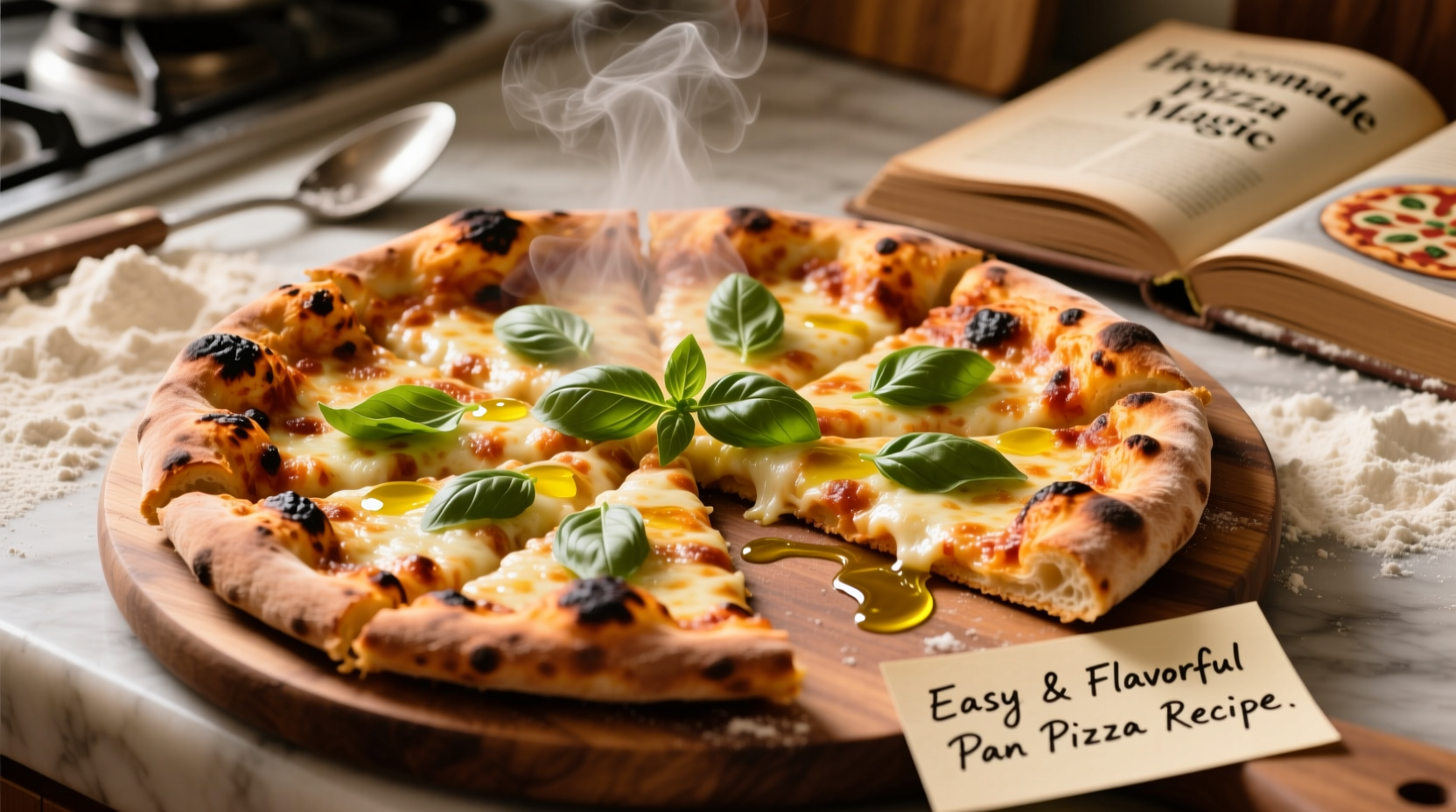
The magic of pan pizza starts with the crust. When dough hits a hot, oiled cast-iron or steel pan, it fries slightly on contact, creating a crisp, golden-brown base that’s nearly impossible to achieve on a baking sheet. This sear locks in moisture while allowing steam to rise through the dough, resulting in a tender interior with structural integrity.
Key factors that influence crust quality:
- Dough hydration: Aim for 65–70%. Too dry, and the crust becomes dense; too wet, and it sticks or collapses.
- Pan material: Cast iron retains heat evenly and promotes browning. Carbon steel works almost as well.
- Fat choice: Butter adds flavor and richness to the crust edge, while olive oil offers a lighter finish.
- Rising time: A minimum of 90 minutes at room temperature allows gluten development and gas production for optimal rise.
Step-by-Step Guide to Making Pan Pizza at Home
- Prepare the dough (10 minutes active, 90+ minutes rest): In a large bowl, combine 3½ cups all-purpose flour, 1¼ tsp active dry yeast, 1½ tsp sugar, 1½ tsp salt, and 1¼ cups warm water (105–110°F). Mix until a shaggy dough forms. Knead by hand or mixer for 5–7 minutes until smooth and elastic. Place in an oiled bowl, cover, and let rise until doubled—about 90 minutes at room temperature.
- Make the sauce (10 minutes): While the dough rises, blend one 14-oz can of crushed San Marzano tomatoes with 1 tbsp olive oil, 1 minced garlic clove, ½ tsp dried oregano, ¼ tsp red pepper flakes, and a pinch of salt. Simmer over low heat for 8–10 minutes to concentrate flavor. Cool before use.
- Preheat and prep the pan: Place a 10- or 12-inch cast-iron skillet in the oven and preheat to 475°F (245°C) for at least 20 minutes. Carefully remove the pan and add 2 tbsp unsalted butter or olive oil, swirling to coat the bottom and sides.
- Shape and transfer the dough: Gently punch down the risen dough and stretch it into a round slightly smaller than your pan. Carefully place it into the hot, greased skillet. Press outward from the center to fill the pan, letting the dough climb the oiled sides slightly.
- Add toppings: Spread ¾ cup of sauce evenly over the dough, leaving a ½-inch border. Sprinkle 2 cups shredded low-moisture mozzarella, then add optional toppings like pepperoni, mushrooms, or fresh basil.
- Bake (14–18 minutes): Return the skillet to the oven. Bake until the crust is deeply golden, the cheese is bubbly and spotted with brown, and the internal temperature reaches 200°F. Rotate halfway if needed for even cooking.
- Cool and serve: Let the pizza rest in the pan for 3–5 minutes. This helps the crust set and makes slicing cleaner. Slide onto a cutting board, slice with a pizza wheel or chef’s knife, and serve immediately.
Toppings That Elevate Your Pan Pizza
While classic combinations work beautifully, small upgrades can transform your pizza from good to unforgettable. The thicker crust of pan pizza supports bold flavors and hearty toppings without compromising texture.
| Topping | Why It Works | Pro Tip |
|---|---|---|
| Pepperoni | Fats render into the crust, enhancing crispness and flavor | Use cup-and-char pepperoni for better blistering |
| Fresh mozzarella | Adds creamy pockets when combined with low-moisture cheese | Pat dry and add in last 3 minutes of baking |
| Honey-drizzled soppressata | Sweet-savory contrast cuts through richness | Drizzle after baking for balanced flavor |
| Garlic-infused oil | Boosts aroma without burning like raw garlic | Brush on crust edges before baking |
Real Flavor Breakthrough: How One Home Cook Upgraded Her Family’s Favorite Meal
Sarah from Columbus, Ohio, used to rely on frozen pizzas for weeknight dinners. After trying this pan pizza method, she replaced her freezer stash entirely. “I started with basic pepperoni, but once I tried browning the dough in butter first, everything changed,” she says. “My kids now ask for ‘golden crust pizza’ every Friday.” She also discovered that letting the dough rise overnight in the fridge gave her more flexibility—and even better flavor. “The slow fermentation gives the crust a slight tang, almost like focaccia.”
Sarah’s now experimenting with seasonal variations: roasted squash and goat cheese in fall, arugula and prosciutto in spring. Her secret? “I keep a batch of sauce in the fridge and pre-measure dough portions in containers. Dinner goes from zero to wow in 30 minutes.”
“Pan pizza rewards attention to detail—the quality of your oil, the timing of your bake, even how you layer cheese. It’s not just food; it’s craftsmanship anyone can master.” — Chef Marcus Bell, Brooklyn Pizzeria Co.
Checklist: Essential Tools and Ingredients for Success
- ✅ 10- or 12-inch cast-iron or carbon steel skillet
- ✅ All-purpose or bread flour (bread flour adds chew)
- ✅ Active dry or instant yeast
- ✅ San Marzano tomatoes (canned, whole or crushed)
- ✅ Low-moisture mozzarella, freshly shredded
- ✅ Unsalted butter or high-quality olive oil
- ✅ Pizza peel or flat plate (for transferring dough)
- ✅ Instant-read thermometer (ideal internal temp: 195–205°F)
- ✅ Cooling rack (optional, prevents sogginess if storing leftovers)
Frequently Asked Questions
Can I make the dough ahead of time?
Absolutely. After the first rise, punch down the dough, place it in an oiled container, cover, and refrigerate for up to 72 hours. Remove 60 minutes before baking to bring to room temperature. Cold fermentation enhances flavor and texture.
Why is my crust soggy?
Sogginess usually comes from too much sauce, wet toppings (like fresh mushrooms), or underbaking. Use a thick sauce, pre-cook watery vegetables, and ensure your oven and pan are fully preheated. Baking directly on a preheated surface maximizes bottom crispness.
Can I use a nonstick pan?
Not recommended. Nonstick coatings can’t withstand high heat and won’t promote the Maillard reaction needed for browning. Stick to cast iron, carbon steel, or seasoned steel pans.
Master the Basics, Then Make It Yours
This pan pizza recipe is designed to be reliable, delicious, and adaptable. Once you’ve nailed the foundation—dough, sauce, bake technique—you’re free to experiment. Try rosemary and sea salt for a focaccia-style twist. Swap in a white sauce with ricotta and spinach. Add a post-bake drizzle of chili oil or balsamic glaze. The sturdy crust welcomes creativity.
What sets great homemade pizza apart isn’t gourmet ingredients—it’s understanding how elements interact. Heat, fat, time, and tension all play roles. But none matter more than consistency. The more you make it, the more intuitive it becomes.
💬 Try this recipe this weekend and share your results! Tag your golden-edged creations online or leave a comment with your favorite topping combo—we’d love to hear what you create.