Spinach pizza is more than a vegetarian favorite—it’s a culinary canvas that balances earthy greens, creamy cheeses, and aromatic seasonings on a crisp, golden crust. For home cooks seeking nutritious yet satisfying meals, spinach-based pizzas offer an elegant solution that doesn’t sacrifice flavor for health. Whether you're crafting a weeknight dinner or entertaining guests, mastering the art of spinach pizza elevates your kitchen repertoire with minimal effort and maximum impact. This guide explores the foundations, variations, and professional techniques behind creating exceptional spinach pizzas at home, from dough preparation to final bake.
Definition & Overview
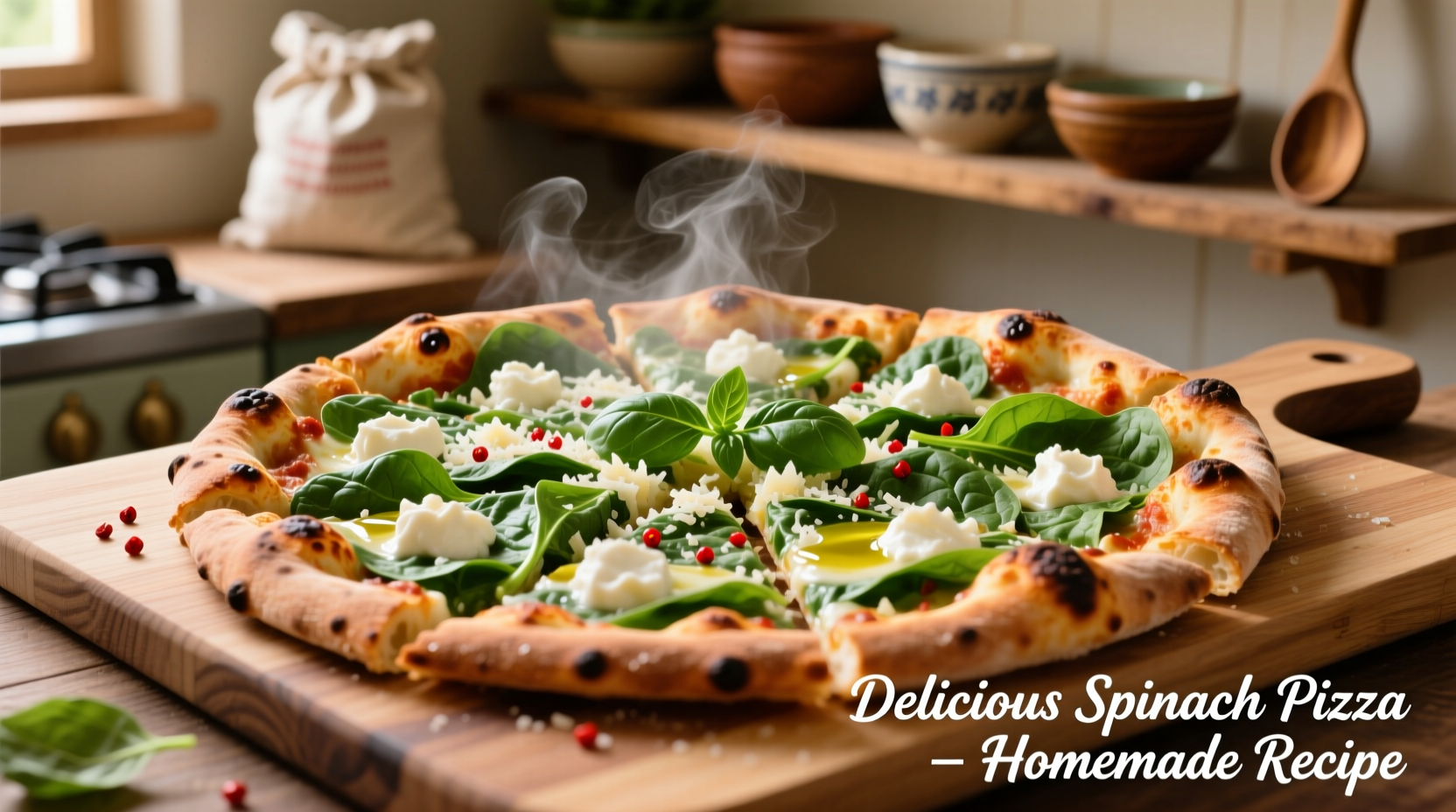
Spinach pizza refers to any pizza variety where fresh or cooked spinach serves as a primary topping, often combined with complementary ingredients such as garlic, onions, mushrooms, feta, ricotta, mozzarella, or Parmesan. While not a traditional Italian staple like Margherita or Quattro Formaggi, spinach pizza has become a signature dish in modern American pizzerias and home kitchens alike, reflecting evolving tastes toward vegetable-forward cuisine.
The dish typically features a thin or medium-thick crust base, tomato sauce or white sauce (such as béchamel or olive oil-garlic blend), a layer of cheese, and sautéed or blanched spinach. Its appeal lies in its versatility—spinach adapts seamlessly to both red and white pizza profiles, supports bold or delicate flavors, and pairs well with proteins like chicken, sausage, or eggs. Nutritionally, it introduces fiber, iron, calcium, and vitamins A, C, and K into a comfort food format, making it ideal for families, vegetarians, and health-conscious eaters.
Key Characteristics
- Flavor Profile: Earthy, mildly bitter (when raw), sweetened by cooking; absorbs surrounding seasonings well.
- Aroma: Fresh and green when raw; becomes mellow and savory when sautéed with garlic and olive oil.
- Color/Form: Deep green leaves; wilts significantly during cooking (up to 75% volume reduction).
- Texture: Tender-crisp when lightly cooked; soft and silky when fully wilted.
- Culinary Function: Adds moisture, color, nutrition, and subtle bitterness to balance rich cheeses and fats.
- Heat Level: None naturally; can be enhanced with red pepper flakes or spicy sausage.
- Shelf Life: Raw spinach lasts 3–5 days refrigerated; cooked and drained spinach keeps up to 4 days or freezes well.
Pro Tip: Always remove excess moisture from cooked spinach before adding to pizza. Wet spinach creates steam during baking, resulting in soggy crusts and uneven browning.
Practical Usage: How to Use Spinach in Pizza Making
Using spinach effectively requires understanding its behavior under heat and interaction with other ingredients. The goal is to preserve its color, enhance its flavor, and prevent textural issues.
Step-by-Step Preparation
- Selecting Spinach: Choose young, tender leaves for milder flavor. Baby spinach works well raw if thinly sliced; mature spinach benefits from pre-cooking.
- Washing Thoroughly: Rinse multiple times in cold water to remove grit and sand trapped in stems and folds.
- Blanching or Sautéing:
- Blanching: Submerge spinach in boiling water for 30 seconds, then plunge into ice water. Squeeze dry using a clean towel.
- Sautéing: Heat olive oil over medium heat, add minced garlic, then spinach. Cook until just wilted (1–2 minutes). Season lightly with salt and black pepper.
- Draining Excess Moisture: Place cooked spinach in a fine-mesh strainer and press firmly with a spoon, or wrap in cheesecloth and twist to extract liquid.
- Chopping: Finely chop after draining to ensure even distribution across the pizza surface.
Application Methods
Depending on the style of pizza, spinach can be applied at different stages:
- Pre-Bake Topping: Most common method. Spread cooked, cooled, and drained spinach over cheese layer before baking. Ensures integration without burning.
- Post-Bake Garnish: For raw baby spinach, scatter leaves over hot pizza immediately after removal from oven. Residual heat gently wilts them while preserving freshness.
- Mixed Into Sauce: Puréed blanched spinach blended into white sauces adds nutrition and vibrant color—ideal for kid-friendly versions.
Classic Pairings and Ratios
| Ingredient | Role | Suggested Ratio (per 12-inch pizza) |
|---|---|---|
| Spinach (cooked, drained) | Main vegetable component | ¾ to 1 cup loosely packed |
| Fresh Mozzarella | Melting base cheese | 6–8 oz, sliced or torn |
| Ricotta (whole milk) | Creamy contrast | ¼ cup dollops |
| Feta Cheese | Salty tang | ⅓ cup crumbled |
| Garlic (minced) | Flavor foundation | 2 cloves, sautéed with spinach |
| Olive Oil | Moisture carrier and flavor enhancer | 1–2 tbsp for sautéing and drizzling |
| Red Pepper Flakes | Subtle heat | ¼ tsp (adjust to taste) |
\"The key to great spinach pizza isn't hiding the vegetable—it's highlighting it through proper technique. Dry spinach, smart pairings, and balanced seasoning make all the difference.\" — Chef Elena Rossi, Culinary Instructor, Institute of Modern Baking
Variants & Types
Spinach shines across a range of pizza styles, each offering distinct textures and flavor experiences. Understanding these variants allows home cooks to tailor dishes to occasion, dietary needs, and ingredient availability.
1. White Spinach Pizza (No-Tomato Sauce)
Built on a base of olive oil, garlic, and sometimes béchamel or ricotta spread, this version emphasizes creaminess and herbal notes. Often topped with mozzarella, feta, spinach, and a finish of lemon zest or nutmeg.
- Best for: Light dinners, brunches, dairy-rich profiles.
- Crust pairing: Thin or Neapolitan-style for crisp contrast.
2. Red Sauce Spinach Pizza
Uses classic marinara or San Marzano tomato sauce as a base. Spinach complements the acidity of tomatoes, especially when paired with provolone or fontina.
- Best for: Heartier meals, family servings, meat additions like Italian sausage.
- Tip: Add spinach after cheese to protect it from direct contact with acidic sauce.
3. Spinach & Ricotta Stuffed Crust Pizza
An indulgent take featuring ricotta-spinach filling tucked into the outer edge of the dough. Requires slightly thicker crust but delivers impressive visual and flavor payoff.
- Assembly tip: Roll dough into a circle, place small mounds of filling along the perimeter, fold edges over, and seal carefully before adding toppings.
4. Mediterranean Spinach Pizza
Incorporates sun-dried tomatoes, kalamata olives, artichoke hearts, and oregano. Feta is essential here, providing the salty backbone typical of Greek-inspired plates.
- Herb pairing: Oregano, thyme, or marjoram enhance authenticity.
- Optional protein: Grilled halloumi or shredded rotisserie chicken.
5. Vegan Spinach Pizza
Replaces dairy with plant-based alternatives: cashew ricotta, almond feta, or store-bought vegan mozzarella. Nutritional yeast adds umami depth.
- Binding agent: Blend soaked cashews with lemon juice, garlic, and salt for homemade ricotta substitute.
- Flavor boost: Add roasted garlic or miso paste to vegan cheese layers.
Storage Note: Pre-cooked, squeezed spinach can be frozen in tablespoon portions for quick use in future pizzas—no thawing needed before application.
Comparison with Similar Ingredients
Spinach is often substituted—or confused—with other leafy greens. While interchangeable in some contexts, each brings unique properties to pizza.
| Green | Flavor | Texture After Cooking | Best Pizza Application |
|---|---|---|---|
| Spinach | Mild, slightly sweet when cooked | Soft, pliable, minimal stringiness | All styles; especially blends well with dairy |
| Kale | Bitter, robust, fibrous | Chewy unless massaged or finely chopped | Rustic pizzas with strong cheeses like pecorino |
| Swiss Chard | Earthy, faintly beet-like | Stems require separate cooking; leaves soften well | Artisanal or seasonal pizzas; colorful presentation |
| Arugula | Pungent, peppery | Best raw; wilts instantly with heat | Post-bake garnish only; pairs with prosciutto and figs |
| Collard Greens | Strong, cabbage-like | Tough; needs long simmering | Limited use; better suited for Southern-inspired pies |
While substitutions are possible, spinach remains unmatched for its neutral adaptability and melting texture. Replacing it with stronger greens alters the intended balance unless compensated with sweeter or richer accompaniments.
Practical Tips & FAQs
Q1: Can I use frozen spinach?
A1: Yes, but with caution. Frozen spinach is convenient and already cooked, but it retains significant moisture. Thaw completely in a colander, rinse under cold water to remove freezer taste, then squeeze aggressively using a towel. Use about ⅔ cup squeezed frozen spinach per pizza.
Q2: Why does my spinach pizza come out soggy?
A2: Excess moisture is the main culprit. Ensure spinach is thoroughly drained and consider pre-baking the crust (par-baking) for 3–4 minutes before adding wet toppings. This creates a barrier against sogginess.
Q3: What’s the best cheese combo with spinach?
A3: Classic trio: mozzarella (for melt), ricotta (for cream), and feta (for salt). For deeper flavor, add grated Parmesan or a smear of goat cheese before baking.
Q4: Can I make spinach pizza ahead of time?
A4: Fully assembled pizzas do not store well due to moisture migration. However, components can be prepped in advance:
- Dough: Refrigerate up to 48 hours or freeze shaped bases.
- Sauce: Keep in airtight container for 5 days.
- Spinach mixture: Cook, drain, and refrigerate for 3 days.
Q5: Is raw spinach safe on pizza?
A5: Yes, if added post-bake. Raw baby spinach placed on a piping hot pizza will wilt safely within 1–2 minutes. Avoid using raw mature spinach due to potential toughness and microbial risk unless washed extremely well.
Q6: How do I get a crispier crust with spinach?
A6: Bake on a preheated pizza stone or steel at 475°F (245°C) or higher. Par-bake the naked crust for 3 minutes, then add toppings and finish baking. This seals the base and prevents steam penetration.
Q7: Can I add eggs to spinach pizza?
A7: Absolutely. Crack one or two eggs into wells created among the toppings during the last 3–4 minutes of baking. The result—a runny yolk blending with spinach and cheese—is decadent and nourishing. Ideal for breakfast or brunch pizzas.
Expert Hack: Brush pizza crust edges with garlic-infused olive oil before baking. Enhances aroma and promotes golden browning—especially effective with spinach’s mild profile.
Summary & Key Takeaways
Spinach pizza stands at the intersection of nutrition and indulgence, offering home cooks a reliable, adaptable template for creative expression. Success hinges on three principles: moisture control, intelligent pairing, and precise timing. By properly preparing spinach—cooking, draining, and integrating it thoughtfully—you avoid common pitfalls like sogginess and blandness.
The dish thrives in multiple forms, from minimalist white pizzas to loaded Mediterranean versions, and accommodates dietary preferences including vegan and gluten-free when adjusted accordingly. Unlike stronger greens, spinach integrates seamlessly with dairy, garlic, and herbs, making it ideal for family meals and entertaining.
Key practices include:
- Always remove excess water from spinach before use.
- Pair with cheeses that provide contrast: melty, creamy, and salty.
- Use high heat and proper baking surfaces for crisp crusts.
- Consider post-bake additions like raw arugula or poached eggs for complexity.
- Prep components ahead, but assemble close to baking time.
Try This Tonight: Make a simple white spinach pizza: spread ricotta mixed with lemon zest and black pepper over par-baked crust, top with sautéed spinach and garlic, sprinkle mozzarella and feta, bake at 475°F for 10–12 minutes, finish with fresh basil and a drizzle of extra virgin olive oil.
Mastering spinach pizza opens the door to broader vegetable-centric cooking, proving that wholesome ingredients can deliver restaurant-quality satisfaction at home. With attention to detail and respect for technique, every slice becomes a testament to thoughtful, flavorful home cooking.