As spring gives way to early summer, one of the most exciting arrivals in farmers' markets and home gardens is the garlic scape—the tender, curly flowering stalk of hardneck garlic. Often overlooked or discarded, these verdant shoots are not only edible but exceptionally flavorful, offering a milder, more nuanced garlic essence than mature cloves. When transformed into pesto, garlic scapes shine as the star ingredient, delivering a bright, herbaceous sauce that’s both versatile and deeply satisfying. This recipe harnesses their fleeting seasonal availability, turning them into a vibrant green condiment that elevates everything from grilled vegetables to roasted meats and fresh pasta.
The beauty of garlic scape pesto lies in its simplicity and depth. Unlike traditional basil pesto, which relies on the boldness of fresh herbs and pine nuts, this version balances the subtle heat of young garlic with rich fats and umami depth. It’s an ideal way to preserve the essence of early summer, whether used immediately or frozen for months. For home cooks seeking to reduce food waste, celebrate seasonality, and expand their sauce repertoire, mastering garlic scape pesto is both practical and rewarding.
Definition & Overview
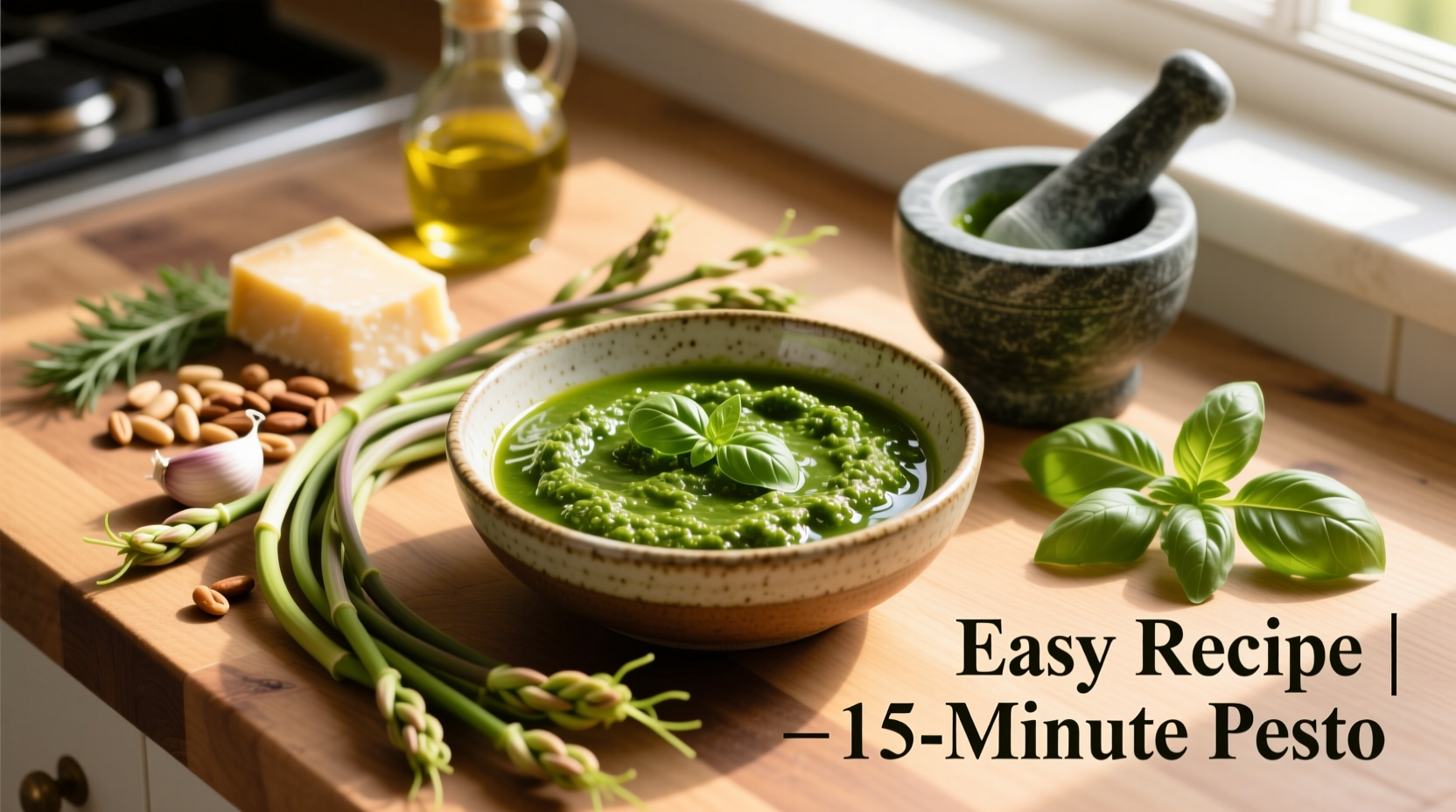
Garlic scape pesto is a variation of the classic Italian sauce, traditionally made by grinding fresh basil, pine nuts, Parmesan cheese, garlic, and olive oil into a smooth emulsion. In this adaptation, the primary aromatic component shifts from basil and mature garlic to garlic scapes—the immature flower stems of hardneck garlic plants (Allium sativum var. ophioscorodon). These scapes emerge in late spring to early summer, typically May through June in the Northern Hemisphere, and must be harvested before they become tough and fibrous.
Culinarily, pesto refers to any pounded paste made from herbs, nuts, cheese, oil, and aromatics. The word comes from the Italian pestare, meaning “to crush” or “to pound,” originally done with a mortar and pestle. While Genovese pesto holds iconic status, regional variations abound—from Sicilian pesto Trapanese (with tomatoes and almonds) to Tuscan versions using arugula. Garlic scape pesto fits within this tradition of improvisation, adapting to available ingredients while maintaining the core principles of balance: richness from fat, salt from cheese, brightness from acid or fresh greens, and depth from umami and aromatics.
This particular iteration stands out for its unique flavor profile: less pungent than raw garlic but more complex than mild herbs, with grassy, garlicky notes that remain rounded rather than sharp. Because scapes are harvested young, they contain fewer sulfur compounds than mature cloves, resulting in a gentler bite that mellows beautifully when blended with oil and cheese.
Key Characteristics
| Characteristic | Description |
|---|---|
| Flavor | Mildly garlicky with grassy, vegetal undertones; less sharp than mature garlic, slightly sweet when cooked. |
| Aroma | Fresh, green, and aromatic—reminiscent of chives or green onions with a hint of roasted garlic. |
| Color/Form | Vibrant green paste; smooth texture when properly processed. Raw scapes are firm and curl into spirals. |
| Heat Level | Low to moderate warmth—perceived as gentle spiciness, not burning. No capsaicin present. |
| Culinary Function | Sauce base, spread, marinade enhancer, dip, or finishing oil alternative. |
| Shelf Life (Pesto) | Refrigerated: 5–7 days. Frozen: up to 6 months (especially under oil layer). |
Practical Usage
Garlic scape pesto excels in applications where a nuanced garlic presence enhances without overwhelming. Its smooth texture and balanced flavor make it suitable across a broad range of dishes:
- Toss with hot pasta (especially short shapes like fusilli, orecchiette, or penne)
- Spread on sandwiches, wraps, or bruschetta
- Stir into soups or risottos for added depth
- Use as a marinade for chicken, fish, or tofu
- Drizzle over roasted vegetables, grilled asparagus, or potatoes
- Blend into mayonnaise or yogurt for a flavored dip or sandwich spread
- Top eggs—scrambled, poached, or in frittatas
Because the pesto contains no delicate herbs like basil (which can oxidize quickly), it maintains color and freshness longer than traditional versions. Still, pressing a thin layer of olive oil over the surface before storing helps prevent oxidation and preserves vibrancy.
Pro Tip: Blanching garlic scapes for 30–60 seconds before blending deepens their green hue and further softens their texture. Immediately plunge into ice water to stop cooking and retain crispness. This step is optional but recommended if you plan to freeze the pesto or desire a silkier consistency.
Step-by-Step Recipe: Garlic Scape Pesto
- Gather Ingredients: 1 cup packed garlic scapes (trimmed, about 15–20 medium), 1/3 cup toasted walnuts or pine nuts, 1/2 cup freshly grated Parmesan or Pecorino Romano, 1 small clove garlic (optional, for extra depth), 1/2 teaspoon sea salt, 1/4 teaspoon black pepper, 1/2 cup extra-virgin olive oil, 1 tablespoon lemon juice.
- Prepare Scapes: Trim off the tough end and any fibrous outer layer. Cut into 1-inch pieces. For brighter color and smoother texture, blanch in boiling water for 30 seconds, then shock in ice water. Drain thoroughly.
- Toast Nuts: In a dry skillet over medium heat, toast walnuts or pine nuts until fragrant and lightly golden (3–5 minutes). Cool completely.
- Blend Base: In a food processor, combine scapes, nuts, cheese, garlic (if using), salt, and pepper. Pulse until finely chopped.
- Emulsify: With the motor running, slowly drizzle in olive oil until a creamy, cohesive paste forms. Add lemon juice and pulse once more to incorporate.
- Taste & Adjust: Check seasoning. Add more salt, cheese, or lemon for balance. If too thick, add 1–2 teaspoons of warm water or additional oil to loosen.
- Store or Serve: Use immediately or transfer to a clean jar. Top with a 1/4-inch layer of olive oil to protect from air exposure. Refrigerate or freeze.
This recipe yields approximately 1 cup of pesto—enough to coat 12 ounces of pasta or serve four generously. The flavors deepen after 1–2 hours of resting, allowing the oils and seasonings to meld.
Variants & Types
While the core technique remains consistent, several variations adapt garlic scape pesto to different dietary needs, flavor preferences, or ingredient availability:
- Nut-Free Version: Replace nuts with sunflower seeds or pepitas (pumpkin seeds) for a similar texture and nutty background. Ideal for schools or allergy-sensitive environments.
- Dairy-Free/Vegan: Omit cheese and increase nutritional yeast (2–3 tablespoons) for umami and cheesiness. Add a pinch of white miso paste for fermented depth.
- Herb-Infused: Blend in 1/4 cup fresh parsley, chives, or spinach to stretch volume and add complexity without masking the scape flavor.
- Spicy Kick: Add 1/4–1/2 teaspoon red pepper flakes during blending for a warm finish.
- Olive Oil Alternatives: Substitute half the olive oil with avocado oil for a milder taste and higher smoke point, though this reduces peppery complexity.
| Variant | Best Used For | Substitution Notes |
|---|---|---|
| Walnut-based | Rustic, earthy flavor; ideal with whole grain pasta or mushrooms | More affordable than pine nuts; richer tannins |
| Pine nut-based | Classic texture and sweetness; closest to traditional pesto mouthfeel | Higher cost; prone to bitterness if burned |
| Sunflower seed-based | Budget-friendly, neutral base; excellent for vegan diets | Less oily; may require extra liquid to blend smoothly |
| Lemon zest addition | Enhanced brightness; pairs well with seafood or light proteins |
Comparison with Similar Ingredients
Garlic scapes are often mistaken for other alliums or discarded due to unfamiliarity. Understanding how they differ from related ingredients ensures proper use and appreciation.
| Ingredient | Flavor Profile | Texture | Best Culinary Use |
|---|---|---|---|
| Garlic Scapes | Mild garlic, grassy, slightly sweet | Tender-crisp when raw; softens when cooked | Pesto, stir-fries, grilling, pickling |
| Mature Garlic Cloves | Sharp, pungent, spicy when raw; sweet when roasted | Firm, dense flesh | Base for sauces, roasting, sautéing, fermenting |
| Green Onions / Scallions | Mild onion flavor, fresh bite | Crisp green tops; tender white bulbs | Garnishes, salads, Asian stir-fries |
| Chives | Delicate onion aroma, floral hints | Very tender, hollow stems | Finishing herb, egg dishes, potato toppings |
| Leeks | Sweet, mild onion; earthy | Thick, layered stalks requiring cleaning | Soups, braises, gratins |
“Garlic scapes are the unsung heroes of the garlic plant. They offer the soul of garlic without the sting—perfect for building flavor layers gently.” — Chef Elena Martinez, Farm-to-Table Educator
Unlike mature garlic, which can dominate a dish, scapes integrate seamlessly, providing background aroma without harshness. Compared to chives or green onions, they deliver a more concentrated garlic note, making them ideal when garlic flavor is desired but raw intensity isn’t.
Practical Tips & FAQs
When are garlic scapes in season?
Typically available from late May to mid-July, depending on climate. Harvested before the plant flowers, usually when the scape curls once or twice. Once straightened, they become woody.
Can I substitute garlic cloves for scapes in pesto?
Yes, but expect a much sharper, more aggressive garlic flavor. To approximate the milder profile, use one clove of garlic per cup of pesto and increase leafy greens like spinach or parsley to dilute intensity.
How do I store fresh garlic scapes?
Wrap loosely in a damp paper towel and place in a produce bag in the refrigerator crisper drawer. Use within 7–10 days. For longer storage, chop and freeze in oil cubes or blanch and vacuum-seal.
Is garlic scape pesto safe for freezing?
Excellent candidate for freezing. Portion into ice cube trays, cover with oil, freeze solid, then transfer to freezer bags. Each cube equals ~1 tablespoon. Thaw overnight in the fridge or drop directly into hot pasta.
Why did my pesto turn brown?
Enzymatic oxidation occurs when cut surfaces are exposed to air. To minimize this, always cover the surface with oil, use lemon juice (acid slows browning), and avoid over-processing in a blender (generates heat).
Can I use a blender instead of a food processor?
Yes, but high-powered blenders work best. Start with liquids at the bottom, use the tamper to push ingredients down, and pulse frequently to avoid overheating or creating a foam.
Are garlic scapes nutritious?
Rich in vitamin C, antioxidants, and allicin precursors (though less concentrated than in cloves). They support cardiovascular health and have antimicrobial properties, albeit milder than mature garlic.
What if my pesto tastes too strong?
Dilute with plain Greek yogurt, mayonnaise, or additional olive oil. Stirring in a few tablespoons of ricotta or cream cheese also tempers intensity while adding creaminess.
Storage Checklist:
- Refrigerator: Store in glass jar, top sealed with oil, up to 1 week
- Freezer: Ice cube trays or silicone molds, covered with oil, up to 6 months
- Label containers with date and contents
- Always use clean utensils to prevent contamination
Summary & Key Takeaways
Garlic scape pesto is a seasonal triumph—a simple yet sophisticated way to capture the essence of early summer. By replacing traditional garlic and herbs with the tender stalks of hardneck garlic, this sauce achieves a unique balance: aromatic, mildly spicy, and lush with olive oil and cheese. It’s a testament to culinary resourcefulness, transforming what might otherwise be composted into a pantry staple bursting with flavor.
The key advantages of this recipe include its versatility, ease of preparation, and long shelf life when stored properly. Whether tossed with pasta, smeared on artisan bread, or folded into scrambled eggs, it adds instant depth and freshness. Variations accommodate dietary restrictions without sacrificing character, and freezing allows enjoyment far beyond the short harvest window.
For gardeners, farmers’ market regulars, or curious cooks, learning to make garlic scape pesto opens a door to mindful cooking—using what’s available, reducing waste, and celebrating the rhythm of the seasons. One batch may start as a novelty, but it often becomes a ritual, eagerly anticipated each spring.
Try this recipe at your next meal and experience how a humble byproduct of garlic farming can transform into something extraordinary. Share your results, experiment with substitutions, and make it your own—because the best pesto is the one that reflects your kitchen, your taste, and your season.