Types of Custom-Made Perfume Bottles in China
China is a global leader in the production of custom-made perfume bottles, offering a wide variety of materials, designs, and finishes that cater to luxury brands, niche perfumers, and mass-market producers. The choice of material significantly influences the bottle's aesthetics, durability, sustainability, and perceived value. Below is a detailed breakdown of the most popular types of custom perfume bottles manufactured in China, highlighting their unique characteristics, advantages, and ideal applications.
Glass Perfume Bottles
Premium, transparent, and recyclable—glass is the gold standard in luxury fragrance packaging.
Advantages
- High-end, elegant appearance
- 100% recyclable and eco-friendly
- Allows visibility of perfume color
- Excellent chemical resistance (preserves fragrance integrity)
- Supports intricate designs via molding, engraving, and screen printing
- Refillable and reusable
Limitations
- Heavier than plastic or aluminum
- More prone to breakage during shipping
- Higher production and shipping costs
Best for: Luxury brands, premium fragrances, refillable collections, gift editions
Plastic Perfume Bottles
Lightweight, cost-effective, and highly customizable—plastic offers versatility for diverse markets.
Advantages
- Low production and shipping costs
- Highly durable and shatter-resistant
- Extremely lightweight
- Wide design flexibility (shapes, colors, textures)
- PET plastic is recyclable and food-grade safe
- Can mimic glass with glossy finishes and metallic coatings
Limitations
- Perceived as less luxurious than glass
- Potential for chemical interaction over time
- Limited reusability compared to glass
Best for: Mass-market brands, travel-sized perfumes, promotional sets, eco-conscious startups using recycled PET
Metal Perfume Bottles
Modern, bold, and protective—aluminum and alloy bottles offer a sleek, masculine aesthetic.
Advantages
- Excellent UV protection (preserves fragrance)
- Durable and impact-resistant
- Modern, industrial, or luxury finish options (brushed, polished, anodized)
- Lightweight yet sturdy
- Ideal for unisex or masculine fragrance lines
Limitations
- Opaque—cannot see the perfume inside
- Higher tooling and production costs
- Limited design complexity compared to glass
Best for: Sporty, bold, or niche fragrances; limited editions; brands targeting durability and shelf appeal
Crystal Perfume Bottles
The pinnacle of luxury—handcrafted crystal bottles are collector’s items and status symbols.
Advantages
- Unmatched elegance and prestige
- Exceptional light refraction and sparkle
- Hand-carved or precision-cut for artistic detail
- High perceived value and gift appeal
- Often used in limited or anniversary editions
Limitations
- Very high production cost
- Fragile and heavy
- Longer lead times due to craftsmanship
- Requires special packaging and handling
Best for: High-end luxury brands, royal or celebrity collaborations, museum-worthy editions, bridal collections
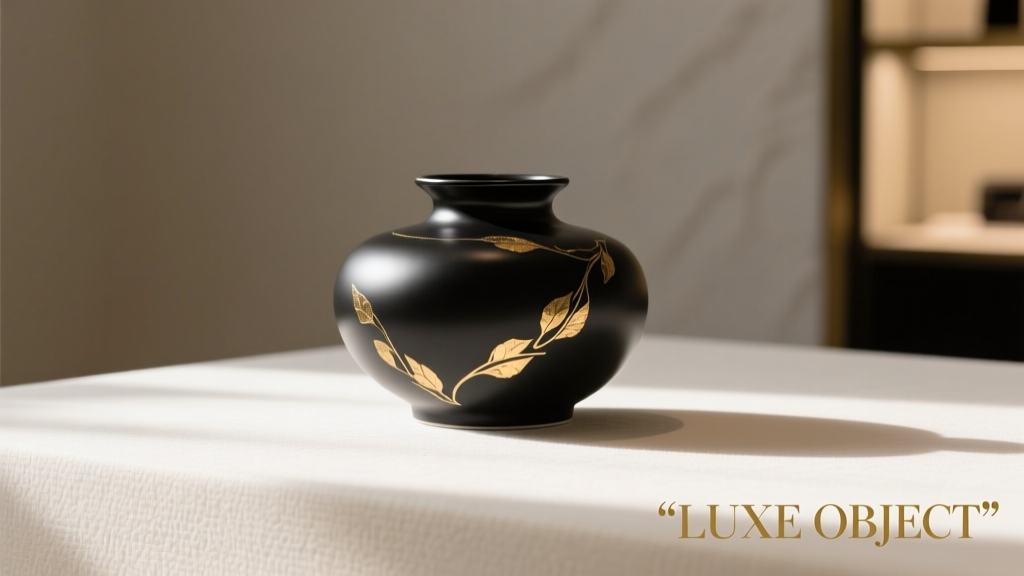
Ceramic Perfume Bottles
Artistic, cultural, and timeless—ceramic bottles blend traditional craftsmanship with modern perfumery.
Advantages
- Unique hand-painted and glazed finishes
- Strong cultural and artisanal appeal
- Excellent heat and UV resistance
- Matte or glossy textures enhance tactile experience
- Ideal for storytelling and heritage branding
Limitations
- Brittle and prone to chipping
- Heavier than glass or plastic
- Higher production complexity and cost
Best for: Artisanal brands, culturally inspired fragrances, boutique perfumeries, gift markets
| Material | Luxury Level | Durability | Eco-Friendliness | Best For |
|---|---|---|---|---|
| Glass | High | Medium | Excellent | Luxury, transparency, refillable lines |
| Plastic (PET) | Low to Medium | High | Good (if recycled) | Mass-market, travel, budget-friendly |
| Metal (Aluminum) | Medium to High | Very High | Good | Durability, UV protection, modern design |
| Crystal | Premium | Low | Fair | Limited editions, gifting, high-end branding |
| Ceramic | High | Medium | Excellent | Artistic, cultural, boutique branding |
Expert Tip: When sourcing custom perfume bottles from China, consider working with manufacturers that offer mold customization, eco-certified materials, and MOQ (Minimum Order Quantity) flexibility. Always request physical samples to evaluate finish quality, cap fit, and spray mechanism performance before mass production.
Designs for Custom-Made Perfume Bottles: Aesthetic Trends & Branding Impact
The design of a custom-made perfume bottle is far more than a container—it's a powerful extension of the fragrance's identity, brand story, and emotional appeal. From luxury appeal to eco-conscious messaging, the shape, material, and detailing of a bottle influence consumer perception and purchasing decisions. Below is an in-depth exploration of five dominant design styles shaping the modern perfume industry.
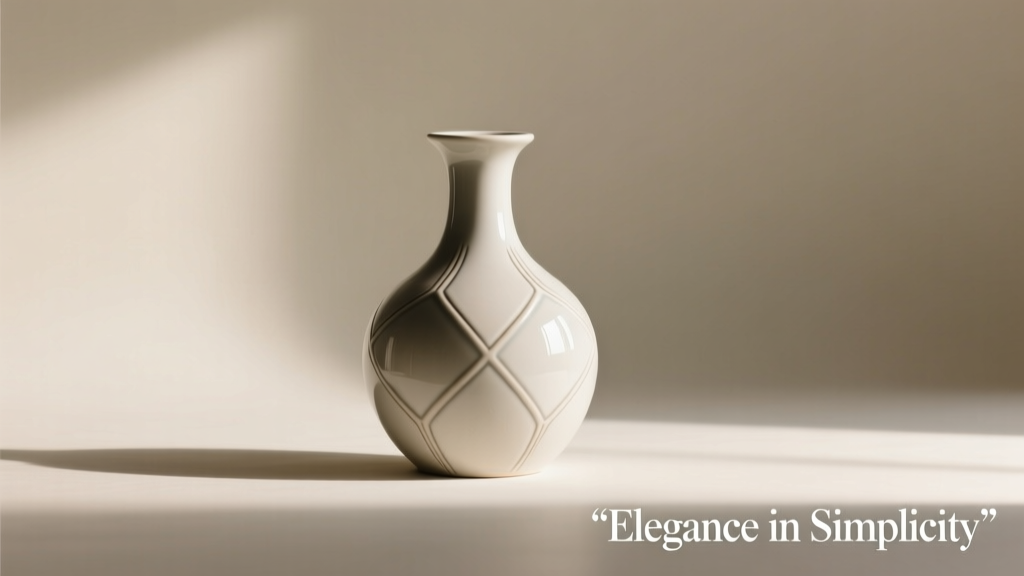
Minimalist Design
Embracing the philosophy of "less is more," minimalist perfume bottle designs are gaining widespread popularity, especially in Asian markets and urban centers where clean, modern aesthetics dominate interior design. These bottles typically feature smooth, unembellished silhouettes—such as cylinders, cubes, or softly curved rectangles—crafted from high-quality glass or sustainable materials.
The absence of ornate details emphasizes purity and sophistication, allowing the fragrance itself to take center stage. Minimalist designs often use monochromatic color schemes, frosted finishes, or subtle embossing to convey elegance without distraction. Their sleek appearance makes them ideal for contemporary bathrooms, dressing tables, and retail displays.
From a branding perspective, minimalist bottles communicate clarity, modernity, and confidence. They’re highly customizable through color tints, cap finishes (matte, metallic, or transparent), and engraved logos, making them a favorite among niche and clean beauty brands.
Vintage-Inspired Design
Drawing inspiration from the opulence of the Art Deco, Victorian, and Belle Époque eras, vintage-inspired perfume bottles evoke a sense of timeless luxury and heritage. These designs often feature intricate glasswork, fluted necks, engraved patterns, and ornate metal or glass stoppers that resemble fine jewelry.
Popular among high-end and legacy fragrance houses, vintage bottles appeal to consumers who value tradition, craftsmanship, and romantic storytelling. The design elements—such as floral motifs, filigree detailing, or cameo-style etchings—evoke nostalgia and exclusivity, positioning the fragrance as a collectible or heirloom item.
Beyond their functional role, these bottles often double as decorative art pieces, displayed proudly on vanities or shelves. Brands aiming to project legacy, sophistication, or European luxury frequently adopt this aesthetic to strengthen emotional connections with discerning customers.
Geometric Design
Geometric perfume bottles bring architectural precision and avant-garde flair to fragrance packaging. Inspired by modern art, cubism, and futuristic design, these bottles feature sharp angles, multi-faceted surfaces, prismatic cuts, and symmetrical forms that catch and refract light dramatically.
Common shapes include pyramids, hexagons, trapezoids, and crystalline structures, often made from thick, high-clarity glass to enhance visual impact. The interplay of light and shadow creates a dynamic presence on shelves, making these bottles stand out in competitive retail environments.
This design style resonates strongly with younger, trend-conscious consumers who appreciate innovation and bold self-expression. It’s frequently used in urban-focused or gender-neutral fragrance lines, where the bottle itself becomes a statement piece. Geometric designs also align well with digital marketing, as their striking visuals perform exceptionally well in social media content.
Nature-Inspired Design
For brands emphasizing sustainability, organic ingredients, or botanical themes, nature-inspired perfume bottles offer a powerful visual language. These designs incorporate organic shapes—such as flowing curves, leaf-like contours, tree trunk textures, or stone-like finishes—that mimic elements from the natural world.
Caps may be sculpted to resemble flowers, pinecones, or animal figures, while color palettes draw from earth tones—forest green, terracotta, sand beige, or ocean blue—to reinforce the eco-friendly message. Some bottles even use recycled glass or biodegradable materials, further aligning form with function.
Consumers who prioritize environmental responsibility and holistic wellness are particularly drawn to these designs. The tactile, handcrafted feel of nature-inspired bottles enhances perceived authenticity and emotional connection, making them ideal for green beauty brands, artisanal perfumers, and wellness-focused product lines.
Artistic/Illustrative Design
When a perfume brand seeks to tell a story, evoke a culture, or celebrate artistic expression, the bottle becomes a canvas. Artistic and illustrative designs transform custom perfume bottles into wearable art, featuring hand-painted motifs, screen-printed patterns, laser-etched scenes, or digitally printed imagery.
Themes can range from abstract expressionism and surrealism to cultural iconography—such as Japanese ukiyo-e, Moroccan tile patterns, or Renaissance frescoes. Limited edition releases often use this approach to create collectible pieces that blur the line between fragrance and fine art.
These bottles attract connoisseurs, art lovers, and luxury collectors who appreciate craftsmanship and narrative depth. Collaborations with artists or designers further elevate the brand’s prestige and generate buzz in both fashion and art circles. The uniqueness of each piece enhances perceived value and encourages gifting and display.
Design Comparison & Selection Guide
| Design Style | Best For | Target Audience | Material & Customization Tips |
|---|---|---|---|
| Minimalist | Modern brands, clean beauty, unisex fragrances | Urban professionals, minimalists, younger adults | Clear or tinted glass; matte/satin finishes; simple engraving |
| Vintage-Inspired | Luxury heritage brands, floral or oriental scents | Mature consumers, collectors, gift buyers | Heavy glass, metal accents, embossed details, crystal stoppers |
| Geometric | Trendy, urban, or avant-garde lines | Youth market, fashion-forward consumers | Thick, cut glass; metallic coatings; angular molds |
| Nature-Inspired | Eco-friendly, organic, or botanical brands | Eco-conscious buyers, wellness enthusiasts | Recycled glass, wood/metal caps, earth tones, textured surfaces |
| Artistic/Illustrative | Limited editions, cultural themes, art collaborations | Collectors, luxury shoppers, art lovers | Printed or etched glass; hand-finished details; unique shapes |
Key Considerations When Choosing a Perfume Bottle Design
Important: A perfume bottle is not just packaging—it's a critical component of your brand’s first impression. Poor design choices can undermine even the finest fragrance. Invest time in prototyping, consumer testing, and professional design consultation to ensure your custom bottle enhances both the sensory and emotional experience of your product.
How to Choose Custom-Made Perfume Bottles
Selecting the perfect custom-made perfume bottle is more than just a design decision—it's a strategic branding and functional choice that impacts product perception, customer experience, and market success. With countless options available, buyers must evaluate several critical factors to ensure their fragrance is presented in a way that aligns with brand identity, maintains product integrity, and meets consumer expectations.
Brand Identity & Aesthetic Alignment
The perfume bottle is often the first point of contact between your brand and the consumer. It should reflect the essence of your fragrance and resonate with your target audience. Luxury brands demand bottles that exude elegance—think handcrafted glass, intricate detailing, and premium finishes like gold leafing or frosted textures. In contrast, lifestyle or daily-use fragrances benefit from minimalist, clean designs that emphasize freshness and simplicity.
- High-end perfumes often use heavy, sculptural glass with custom molds and artisanal touches
- Youth-oriented or unisex lines may favor modern geometric shapes and vibrant color accents
- Organic or eco-conscious brands can opt for recycled glass and natural cork stoppers to reinforce sustainability values
- Consistency across packaging elements (box, label, cap) strengthens brand recognition
Key insight: The bottle should tell a story—whether it's opulence, adventure, serenity, or innovation.
Material Quality & Fragrance Protection
The material of the perfume bottle plays a vital role in preserving the fragrance’s chemical composition and shelf life. Glass—especially amber, cobalt, or UV-protected varieties—is the gold standard because it is inert, non-reactive, and prevents light degradation. Plastic or low-quality glass can leach chemicals or allow evaporation, compromising scent integrity.
- Premium clear or tinted glass maintains clarity and protects against UV rays
- Thick-walled bottles reduce risk of breakage and convey a sense of luxury
- Internal coatings or liners can prevent oxidation in alcohol-based perfumes
- Tactile quality (smooth finish, weight, temperature response) influences perceived value
Pro tip: Always request material certifications to ensure compliance with cosmetic safety standards.
Customization Options & Design Flexibility
True differentiation comes from unique customization. The best suppliers offer extensive options in shape, size, cap design, color, and surface treatment—enabling brands to create one-of-a-kind bottles that stand out on crowded shelves.
- Options include embossing, engraving, screen printing, or laser etching for logos and text
- Custom sprayers and pumps in matte black, chrome, or rose gold enhance luxury appeal
- Unique cap materials like wood, ceramic, or metal add tactile distinction
- Color-matching services ensure brand consistency across packaging elements
Creative advantage: Limited edition runs with seasonal colors or themed designs can boost exclusivity and collectibility.
Functionality & User Experience
A beautiful bottle must also be practical. The spray mechanism, cap fit, and ergonomics directly affect how consumers interact with your product. A poorly designed sprayer can lead to inconsistent misting, leakage, or clogging—damaging brand reputation.
- High-quality atomizers provide a fine, even mist with minimal waste
- Air-tight seals prevent evaporation and preserve fragrance longevity
- Ergonomic shapes fit comfortably in hand for easy application
- Child-resistant or tamper-evident caps may be required for certain markets
Critical check: Test prototypes for spray pattern, ease of use, and long-term durability before mass production.
Order Quantity & Production Flexibility
Minimum Order Quantities (MOQs) can make or break a launch, especially for startups or niche brands. Some manufacturers require 5,000+ units, while others offer low-MOQ options for sampling or small batches. Flexibility in reordering, lead times, and packaging variations is essential for scaling.
- Low-MOQ suppliers (500–1,000 units) allow testing before large investments
- Bulk discounts typically apply at 5,000+ units, improving cost efficiency
- Scalable production enables seasonal launches or regional variations
- Digital proofing and rapid prototyping reduce time-to-market
Strategic move: Choose a supplier that grows with your brand and offers consistent quality across order sizes.
Sustainability & Market Trends
Modern consumers prioritize eco-friendly packaging. Sustainable choices not only reduce environmental impact but also enhance brand image and appeal to conscious buyers.
- Recycled glass bottles reduce carbon footprint and support green branding
- Refillable systems promote circular economy and long-term customer loyalty
- Biodegradable labels and water-based inks minimize chemical use
- Lightweighting (reducing glass thickness without sacrificing strength) lowers shipping costs and emissions
Future-proofing: Brands adopting sustainable packaging see higher customer retention and positive media coverage.
Expert Recommendation: Start with a prototype phase. Work with suppliers who offer sample bottles with your logo and preferred finish to evaluate look, feel, and functionality. This small investment can prevent costly mistakes in mass production. For new brands, consider a hybrid approach: launch with a signature design using mid-volume MOQs, then expand into limited editions or seasonal variants as demand grows.
| Brand Type | Recommended Bottle Style | Material Choice | Customization Level | MOQ Range |
|---|---|---|---|---|
| Luxury / Niche Perfumery | Artisanal, sculptural design | Thick, hand-blown glass | High (engraving, metal caps) | 1,000–5,000+ |
| Designer / Fashion Brand | Iconic, recognizable silhouette | Premium clear or tinted glass | High (logos, color variants) | 5,000–10,000+ |
| Everyday / Lifestyle Fragrance | Minimalist, functional | Lightweight recycled glass | Medium (color, label) | 500–2,000 |
| Eco-Conscious / Clean Beauty | Refillable, simple form | Recycled + recyclable glass | Medium (natural materials) | 1,000–3,000 |
Additional Considerations
- Regulatory Compliance: Ensure bottles meet international standards for cosmetic packaging (e.g., FDA, EU REACH)
- Shipping & Durability: Test packaging for shock resistance and leakage during transit
- Cost vs. Value: Higher upfront costs for quality materials often result in better margins due to perceived value
- Lead Times: Custom molds can take 6–8 weeks; plan accordingly for product launches
- Supplier Reputation: Look for manufacturers with experience in premium fragrance packaging and client references
The Strategic Advantages of Custom-Made Perfume Bottles
In today's competitive fragrance market, packaging is more than just a container—it's a powerful branding tool. Custom-made perfume bottles offer a strategic edge by combining aesthetic appeal, brand storytelling, and consumer engagement in a single tactile experience. From luxury positioning to sustainability messaging, the design of your bottle influences how your product is perceived on the shelf and in the hands of your customers. Below are five compelling benefits of investing in custom perfume bottle solutions that go beyond mere aesthetics to deliver measurable business value.
Industry Insight: Over 70% of purchasing decisions in the beauty and fragrance sector are influenced by packaging design. A well-crafted custom bottle can significantly increase conversion rates both in-store and online.
-
Brand Differentiation
In a saturated market where countless brands offer similar scents, your packaging becomes your primary differentiator. Off-the-shelf perfume bottles are easily replicated, making it difficult to establish a unique identity. Custom-designed bottles, however, create a distinctive visual language that communicates your brand’s ethos, values, and personality. Whether it's through unique shapes, signature colors, embossed logos, or innovative closures, custom bottles make your product instantly recognizable on crowded retail shelves. This distinctiveness not only captures attention but also fosters emotional connections, increasing brand recall and customer loyalty over time.
-
Enhanced Aesthetic Appeal
Custom perfume bottles transcend functionality to become miniature works of art. With full creative control, brands can experiment with elegant curves, textured glass, metallic accents, colored resins, or even embedded elements like crystals or botanical inclusions. These design enhancements elevate the unboxing experience and transform the bottle into a collectible object. In high-end retail environments, visually striking packaging enhances the perceived luxury of the product, encouraging impulse purchases and social sharing. A beautifully designed bottle doesn’t just sell a fragrance—it sells a lifestyle, making it ideal for gifting and influencer marketing.
-
Sustainability Options
Modern consumers prioritize eco-conscious brands, and custom perfume bottle manufacturers—especially leading suppliers in China—are responding with sustainable innovations. Brands can now choose from a range of environmentally responsible materials, including recycled glass, biodegradable bio-plastics, and refillable aluminum or ceramic vessels. Many custom solutions also support modular designs that allow consumers to replace only the inner vial while reusing the outer decorative bottle. By adopting sustainable packaging, brands not only reduce their environmental footprint but also strengthen their reputation among eco-aware customers, opening doors to certifications like B Corp or participation in green retail initiatives.
-
Tailored Solutions for Niche Markets
Customization empowers brands to speak directly to specific consumer segments with precision. Whether launching a limited-edition fragrance for a holiday season, creating bespoke bottles for corporate gifts, or designing gender-specific or culturally inspired packaging, custom bottles allow for targeted storytelling. For example, a brand targeting the wellness market might opt for minimalist, apothecary-style bottles with matte finishes, while a luxury fashion house could commission sculptural designs that mirror their runway aesthetics. This level of personalization strengthens relevance, drives engagement, and enables premium pricing strategies within niche demographics.
-
Increased Perceived Value
A high-quality, custom-made perfume bottle instantly elevates the consumer’s perception of the product inside. When a fragrance is housed in a thoughtfully designed, durable, and visually impressive container, it is perceived as more luxurious and valuable—even if the scent formulation is similar to mass-market alternatives. This psychological effect, known as the "halo effect," allows brands to justify higher price points and improve profit margins. Additionally, premium packaging enhances gifting appeal, increases social media shareability, and encourages repeat purchases, as consumers are more likely to keep and display a bottle they find beautiful.
| Benefit | Business Impact | Design Considerations | Ideal For |
|---|---|---|---|
| Brand Differentiation | Improved recognition, reduced commoditization | Unique silhouette, logo integration, color psychology | Startups, rebrands, competitive categories |
| Enhanced Aesthetic Appeal | Higher conversion, social media engagement | Texture, transparency, finish (gloss/matte), lighting interaction | Luxury brands, gift lines, influencer collabs |
| Sustainability Options | Brand trust, regulatory compliance, ESG goals | Recyclability, refill systems, material sourcing transparency | Eco-brands, Gen Z/Millennial markets |
| Tailored Solutions | Market expansion, customer retention | Cultural motifs, seasonal themes, personalization options | Special editions, corporate gifting, regional launches |
| Increased Perceived Value | Premium pricing, improved margins, gifting appeal | Weight, craftsmanship, material quality, packaging hierarchy | High-end fragrances, limited releases, collector’s items |
Pro Tip: When working with custom perfume bottle manufacturers, request physical prototypes before mass production. This allows you to evaluate ergonomics, labeling clarity, and overall aesthetic under real lighting conditions—ensuring your final product meets both brand and consumer expectations.
Maximizing the Impact of Custom Packaging
- Align your bottle design with your brand’s core identity and target audience preferences
- Invest in high-quality photography that highlights the bottle’s unique features for digital marketing
- Consider incorporating QR codes or NFC tags for interactive storytelling and authenticity verification
- Test consumer reactions through focus groups or A/B testing in select markets
- Partner with manufacturers who offer end-to-end services—from design to filling and assembly
Ultimately, a custom-made perfume bottle is not just packaging—it’s a silent salesperson, a brand ambassador, and a keepsake that extends your product’s lifecycle beyond consumption. By leveraging customization strategically, fragrance brands can create deeper emotional connections, command premium pricing, and build lasting customer loyalty in an increasingly visual and experience-driven marketplace.
Frequently Asked Questions About Custom Perfume Bottles
Q1: How does sustainability in custom perfume bottles work?Sustainability in custom perfume bottles is achieved through a combination of eco-conscious design, material selection, and manufacturing processes that minimize environmental impact. Brands are increasingly adopting green practices to meet consumer demand for responsible luxury. Key elements include:
- Recyclable Materials: Glass and certain bio-based plastics are widely used because they can be recycled multiple times without degradation in quality.
- Reduced Energy Consumption: Lightweight bottle designs and energy-efficient production methods (like cold-forming glass or low-temperature molding) reduce carbon emissions during manufacturing.
- Eco-Friendly Design: Minimalist packaging, reduced use of secondary packaging (e.g., boxes, inserts), and refillable systems help cut down on waste.
- Sustainable Sourcing: Using recycled glass (post-consumer content) or bioplastics derived from renewable resources such as corn or sugarcane further enhances sustainability.
Together, these strategies allow brands to maintain aesthetic appeal while significantly lowering their environmental footprint throughout the product lifecycle.
Q2: Can custom perfume bottles help a brand improve its image?Absolutely. Custom perfume bottles serve as powerful branding tools that communicate a brand’s identity, values, and innovation. A well-designed bottle can elevate a fragrance from a simple product to a luxury experience. Here’s how custom packaging enhances brand perception:
- Visual Impact: Unique shapes, colors, embossing, and finishes (matte, glossy, metallic) create instant recognition and shelf appeal.
- Brand Storytelling: Bottles can reflect a brand’s heritage, inspiration (e.g., nature, art, architecture), or commitment to sustainability through design choices.
- Perceived Value: Premium packaging increases the perceived quality of the fragrance, allowing brands to position themselves in higher price segments.
- Eco-Image: Sustainable packaging signals environmental responsibility, appealing to environmentally conscious consumers and improving brand loyalty.
In today’s competitive market, where first impressions matter, a distinctive bottle can become iconic—think of brands like Chanel, Jo Malone, or Le Labo—turning the product into a collectible or gift favorite.
Q3: Are custom-made perfume bottles affordable for small businesses?Yes, custom perfume bottles are increasingly accessible to small businesses thanks to advancements in manufacturing flexibility and a wide range of cost-effective options. While large brands may invest in complex molds and luxury materials, smaller brands can tailor their approach to fit tighter budgets:
- Low-Minimum Orders: Many manufacturers now offer small batch production (as low as 500–1,000 units), reducing upfront costs.
- Modular Designs: Using existing mold bases with custom finishes (like unique caps, labels, or coatings) allows for personalization without high tooling expenses.
- Material Flexibility: Choosing lightweight glass, PET plastic, or aluminum instead of heavy crystal can significantly reduce material and shipping costs.
- Digital Printing: Short-run digital decoration methods make custom artwork and branding affordable without requiring expensive screen printing setups.
With strategic planning and the right supplier partnerships, even niche or indie perfume brands can launch with professionally designed, market-ready packaging that stands out—without breaking the bank.
Q4: Can custom perfume bottles be developed for special occasions?Definitely. Limited-edition and occasion-specific perfume bottles are a popular marketing strategy used to celebrate holidays, cultural events, collaborations, or brand milestones. These special releases generate excitement and drive sales. Examples include:
- Holiday Editions: Festive designs for Christmas, Valentine’s Day, or Lunar New Year featuring seasonal colors, motifs, or gift-ready packaging.
- Collaborations: Artist-designed bottles or co-branded releases that appeal to niche audiences and collectors.
- Anniversary or Launch Commemorations: Unique bottles marking a brand’s founding, a fragrance’s 10th anniversary, or a celebrity partnership.
- Event Souvenirs: Custom bottles given as wedding favors, conference gifts, or VIP event exclusives—often personalized with names or dates.
These special bottles not only serve as memorable keepsakes but also enhance emotional connection with customers, encouraging repeat engagement and social sharing.
Q5: What materials are common for custom-made perfume bottles?Custom perfume bottles are crafted from a variety of materials, each offering distinct aesthetic, functional, and environmental benefits. The choice of material impacts durability, weight, clarity, and sustainability. Common options include:
| Material | Characteristics | Best For |
|---|---|---|
| Glass | High clarity, premium feel, recyclable, protects fragrance from degradation. Available in clear, tinted, or frosted finishes. | Luxury perfumes, long-term storage, eco-conscious brands. |
| Plastic (PET/PCR) | Lightweight, shatter-resistant, cost-effective. Recycled PET (rPET) enhances sustainability. | Travel sprays, sample sizes, budget-friendly or eco-focused lines. |
| Metal (Aluminum, Stainless Steel) | Durable, modern look, excellent for caps and accents. Can be recycled infinitely. | Minimalist designs, unisex fragrances, travel-friendly containers. |
| Ceramic | Artistic, handcrafted appearance, excellent for decorative pieces. Heavy and fragile. | Collector’s editions, artisanal brands, home fragrance lines. |
| Bio-based & Alternative Materials | Includes bamboo, wood, cork, or bioplastics—renewable and compostable in some cases. | Sustainable luxury, eco-brands, natural fragrance lines. |
Designers often combine materials—such as a glass body with a metal cap or wooden stopper—to achieve both visual appeal and functionality. The right material choice aligns with the brand’s identity, target market, and environmental goals.