Dried peppers are one of the most underutilized yet powerful ingredients in home kitchens. While many cooks relegate them to occasional chili or stew enhancements, their potential extends far beyond simple heat. With concentrated flavor, complex aromas, and a spectrum of spiciness, dried peppers can transform soups, marinades, baked goods, cocktails, and even desserts. Understanding how to harness their full range unlocks deeper layers of taste and texture in everyday cooking. From smoky ancho to fiery chiltepin, each variety brings something unique—when used thoughtfully.
Unlike fresh peppers, which offer crispness and water content, dried peppers provide intensity and longevity. Their dehydration process concentrates sugars, acids, and volatile compounds, resulting in richer, more nuanced profiles. When rehydrated or ground, they release oils and pigments that color and season dishes at a molecular level. The key to mastering them lies not just in knowing their heat levels but in recognizing their culinary roles: as aromatic bases, finishing accents, textural components, or even fermentation starters.
Definition & Overview
Dried peppers are mature chili peppers that have been dehydrated to preserve flavor, extend shelf life, and intensify taste. They originate from various cultivars of the *Capsicum* genus, primarily *Capsicum annuum*, though others like *C. frutescens* and *C. chinense* also contribute notable varieties. Historically, drying was one of the earliest preservation methods used by Mesoamerican civilizations, who cultivated and traded peppers long before European contact. Today, dried peppers are integral to global cuisines—from Mexican moles and North African harissa to Chinese dry-pot stir-fries and Hungarian paprikash.
The drying process removes moisture while concentrating capsaicin (the compound responsible for heat), natural sugars, and essential oils. This transformation shifts the pepper’s role from a fresh vegetable to a spice or seasoning agent. Depending on ripeness at harvest and drying method (sun-dried, smoked, or oven-dried), the final product can exhibit fruitiness, smokiness, earthiness, or floral notes. Some, like chipotle morita, undergo smoking before drying, adding another dimension altogether.
Key Characteristics
| Characteristic | Description |
|---|---|
| Flavor Profile | Varies widely: fruity (ancho), smoky (chipotle), earthy (pasilla), floral (guajillo), or sharp (arbol) |
| Aroma | Intense when crushed; ranges from raisin-like sweetness to campfire smoke or toasted nuts |
| Color/Form | Deep reds, purples, browns; whole, flaked, powdered, or crushed |
| Heat Level (Scoville) | Ancho (1,000–2,000 SHU) to chiltepin (50,000–100,000 SHU); varies significantly by type |
| Culinary Function | Seasoning base, coloring agent, texture enhancer, flavor amplifier |
| Shelf Life | 1–3 years if stored properly in airtight containers away from light and heat |
Their versatility stems from this diversity. A single dried guajillo offers mild heat with cranberry-like tartness, ideal for salsas and stews, while a tiny pequin pepper delivers explosive heat and citrusy brightness, perfect for finishing dishes. Recognizing these traits allows cooks to match the right pepper to the right application—not just for heat, but for balance and depth.
Practical Usage: Creative Applications in the Kitchen
Most home cooks use dried peppers in one-dimensional ways—tossing a couple into simmering beans or grinding them into taco seasoning. But their real power emerges when treated as foundational ingredients rather than afterthoughts. Here are several professional-grade techniques for integrating dried peppers creatively across courses and cuisines.
1. Rehydrate and Blend Into Sauces and Pastes
Rehydration restores body and softens harsh edges, making dried peppers ideal for smooth sauces. Remove stems and seeds (unless extra heat is desired), then soak in hot water for 15–20 minutes until pliable. Blend with garlic, onion, vinegar, salt, and a touch of oil for a velvety puree.
- Mole Base: Combine rehydrated mulato, ancho, and pasilla with toasted nuts, chocolate, and plantain for a traditional Oaxacan mole negro.
- Pasta Sauce: Purée soaked guajillos with roasted tomatoes and oregano for a rich, medium-heat arrabbiata alternative.
- Marinade Enhancer: Mix pepper paste with citrus juice and soy sauce to tenderize and flavor meats deeply.
Pro Tip: Save the soaking liquid—it’s packed with flavor and color. Use it as broth in rice, soups, or braises to deepen complexity without adding bulk.
2. Infuse Oils and Vinegars
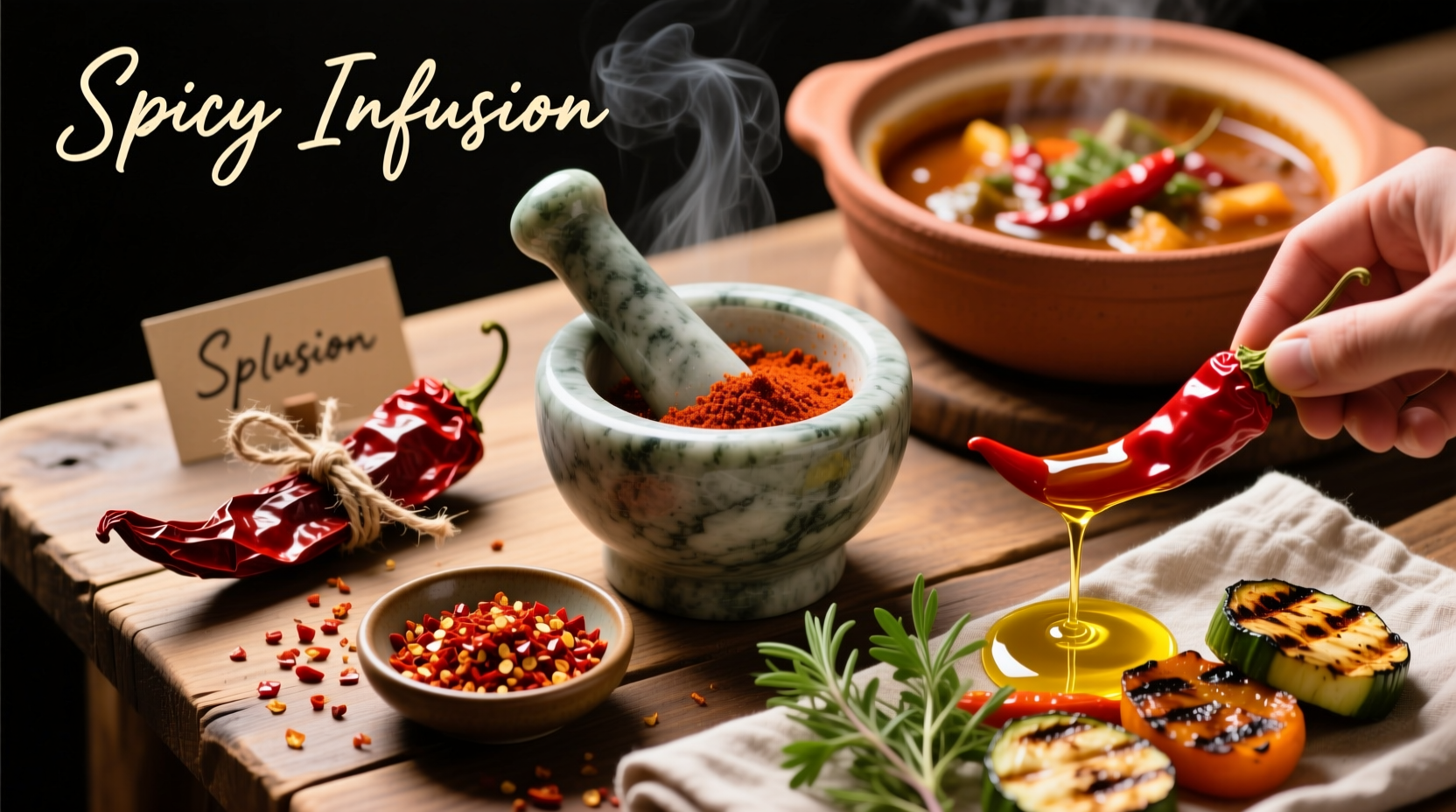
Dried peppers excel in infusion due to their low moisture content, reducing spoilage risk. Heat a neutral oil gently with broken arbol or cayenne pods for 5–10 minutes, then strain and bottle. The result is a vibrant, spicy oil perfect for drizzling over pizza, hummus, or grilled vegetables.
For vinegar infusions, combine crushed pequin or Thai bird chilies with apple cider or white wine vinegar. Let steep for 2–4 weeks. These become dynamic additions to salad dressings, pickling brines, or cocktail mixers.
3. Create Custom Spice Blends
Grinding dried peppers into powders allows precise control over heat and flavor. Toast whole peppers lightly in a dry skillet before grinding to unlock aromatic compounds. Combine with complementary spices:
- Smoked Blend: Chipotle + cumin + coriander = bold rub for ribs or roasted carrots.
- Fruity Heat: Ancho + orange zest + cinnamon = dessert-friendly spice for chocolate or poached pears.
- Umami Bomb: Arbol + dried shiitake + seaweed flakes = savory powder for popcorn or ramen topping.
Store blends in amber jars away from sunlight to preserve potency.
4. Incorporate Into Baking and Desserts
The idea of heat in sweets may seem counterintuitive, but dried peppers enhance sweetness through contrast. A pinch of ground ancho in chocolate brownies deepens cocoa flavor without noticeable spice. In Mexican traditions, chocolate caliente often includes ground pasilla for warmth and complexity.
Try folding finely ground cascabel into shortbread dough, or dusting dark chocolate truffles with a blend of cayenne and cocoa powder. The effect is subtle elevation—a background note that intrigues rather than overwhelms.
5. Use Whole in Braises and Stocks
Like bay leaves, whole dried peppers can be added during long cooking and removed before serving. A guajillo in a beef stew imparts color and mild fruitiness; a small peperoncino in Italian ragù builds slow-building warmth.
This technique prevents excessive heat diffusion while contributing aroma and hue. It’s especially effective in slow-cooked dishes where gradual flavor release matters.
6. Ferment with Peppers for Living Heat
Dried peppers can jumpstart fermentation. Add a small amount of crushed arbol or chile de árbol to sauerkraut or kimchi brine. The capsaicin inhibits certain bacteria while encouraging lactic acid development, resulting in tangy, spicy ferments with longer shelf stability.
Note: Because dried peppers lack surface microbes, pair them with fresh garlic or ginger to ensure active fermentation.
Variants & Types
Not all dried peppers are interchangeable. Each has distinct characteristics suited to specific applications. Understanding the differences ensures better results.
| Type | Flavor Profile | Heat Level | Best Uses |
|---|---|---|---|
| Ancho | Fruity, raisin-like, mild earthiness | 1,000–2,000 SHU | Moles, stews, spice blends, desserts |
| Guajillo | Tart, cranberry-plum, slightly floral | 2,500–5,000 SHU | Salsas, marinades, soups |
| Chipotle Morita | Smoky, sweet, berry-like | 5,000–8,000 SHU | BBQ sauces, braised meats, bean dishes |
| Arbol | Sharp, clean heat, nutty finish | 15,000–30,000 SHU | Hot sauces, infused oils, garnishes |
| Pasilla | Earthy, prune-like, slightly bitter | 1,000–2,500 SHU | Complex sauces, adobos, braises |
| Chiltepin | Brief, intense heat with citrus undertones | 50,000–100,000 SHU | Finishing spice, salsas, condiments |
Choosing the right variant depends on whether you seek background warmth, dominant heat, or aromatic complexity. For layered dishes, consider combining two or three types—such as ancho for sweetness, guajillo for acidity, and arbol for kick.
Comparison with Similar Ingredients
Dried peppers are often confused with other spicy agents. Clarifying distinctions helps avoid misapplication.
| Ingredient | Differences from Dried Peppers |
|---|---|
| Crushed Red Pepper Flakes | Typically made from generic cayenne; less nuanced, often overly spicy without depth; inconsistent quality |
| Ground Cayenne Powder | Pure heat focus; lacks the terroir and complexity of whole dried varieties; often blended with fillers |
| Hot Sauce (commercial) | Contains vinegar, preservatives, gums; diluted flavor; cannot replicate the mouthfeel or aroma of whole peppers |
| Fresh Chilies | Higher water content; milder, brighter heat; different chemical composition due to freshness; shorter shelf life |
While convenient, these substitutes rarely achieve the depth possible with whole dried peppers. A homemade sauce from rehydrated anchos will always outperform a jarred version relying on cayenne powder and citric acid.
Practical Tips & FAQs
How do I store dried peppers long-term?
Keep them in airtight glass jars away from light, heat, and humidity. Avoid plastic bags, which can trap moisture. Stored properly, they retain flavor for up to three years. Check annually for loss of aroma or brittleness.
Should I toast dried peppers before use?
Yes, for most applications. Light toasting in a dry skillet (1–2 minutes per side) enhances aroma and mellows bitterness. Do not burn—blackened peppers turn acrid. Cool before grinding or rehydrating.
Can I substitute fresh peppers for dried?
Only partially. Fresh peppers lack concentration. As a rough guide, 1 dried pepper ≈ 3–4 times the volume of fresh equivalent, but flavor won’t match. Drying changes chemistry—smoked or sun-dried notes can’t be replicated with raw chilies.
Are seeds and veins necessary to remove?
The majority of capsaicin resides in the placental tissue (veins) and seeds. For balanced heat, remove them. For extreme spice, leave them intact. Note: gloves are recommended when handling very hot varieties like chiltepin or habanero-based dried peppers.
What dishes benefit most from dried peppers?
Slow-cooked dishes—moles, ragus, curries, braises—allow flavors to integrate fully. But they also shine in quick applications: infused oils, dry rubs, or as a finishing crunch when crushed over finished dishes.
Can I grow and dry my own peppers?
Absolutely. Select fully ripe, thick-walled varieties like jalapeños, serranos, or cayennes. Air-dry in a warm, ventilated space for 2–3 weeks, or use a food dehydrator at 135°F (57°C) until brittle. Store whole for maximum shelf life.
\"Dried chiles are the soul of Mexican cuisine—not just for heat, but for color, body, and story. Each one carries the sun of its growing season.\" — Diana Kennedy, culinary anthropologist and author of *The Essential Cuisines of Mexico*
Summary & Key Takeaways
Dried peppers are far more than sources of heat—they are complex flavor agents capable of elevating any dish when used with intention. Their concentrated taste, extended shelf life, and diverse profiles make them indispensable in both traditional and modern cooking.
- Rehydrate and blend for rich sauces, pastes, and marinades.
- Infuse oils and vinegars for long-lasting, versatile condiments.
- Create custom spice mixes tailored to specific dishes or cuisines.
- Incorporate into baking for subtle depth in sweets and chocolates.
- Use whole in stocks for background warmth without overpowering heat.
- Ferment with them to add microbial resilience and layered spice.
Understanding the differences between types—ancho, guajillo, chipotle, arbol, pasilla, chiltepin—allows for precision in cooking. Unlike generic crushed red pepper or commercial powders, whole dried peppers offer authenticity, depth, and control.
Start with one variety—perhaps ancho or guajillo—and experiment in familiar recipes. Notice how it changes the dish’s character. Over time, build a small pantry of trusted types, rotating based on seasonal needs and culinary goals. Once you begin using dried peppers intentionally, you’ll wonder how you ever cooked without them.