There are few dishes that deliver comfort, depth, and simplicity as effortlessly as a well-made creamy tomato soup. More than just a pantry staple or childhood favorite, this dish is a canvas for technique, flavor layering, and seasonal adaptation. Whether crafted from sun-ripened summer tomatoes or high-quality canned San Marzanos, the right approach transforms humble ingredients into a luxuriously smooth, aromatic bowl of warmth. This guide goes beyond basic recipes to explore the culinary science behind texture and balance, offer professional-level enhancements, and present creative, seasonally appropriate serving pairings that elevate the experience from everyday to exceptional.
Definition & Overview
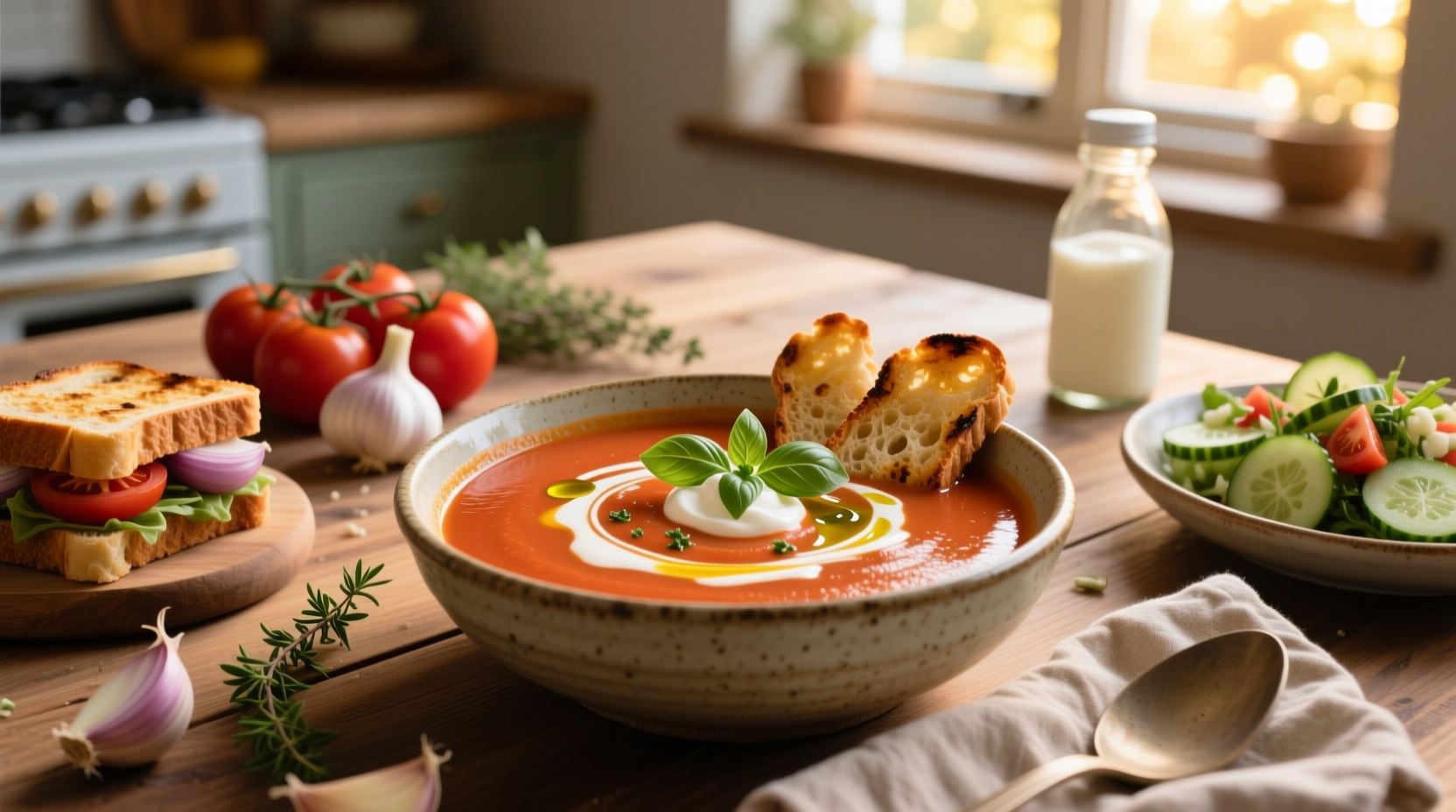
Creamy tomato soup is a smooth, emulsified soup made primarily from tomatoes, aromatics, liquid (such as broth or water), and cream or dairy alternatives. It belongs to the broader category of puréed soups and is distinguished by its velvety mouthfeel and balanced acidity. While often associated with American home cooking—especially in combination with grilled cheese sandwiches—its roots trace back to Spanish and Mediterranean traditions where ripe tomatoes were slow-simmered with onions, garlic, and olive oil.
The modern version, popularized in the 20th century by condensed canned soups, has evolved into a gourmet centerpiece in both casual and fine dining. What separates an average tomato soup from an outstanding one is not complexity, but precision: proper seasoning, controlled acidity, careful emulsification, and thoughtful garnishes. The best versions maintain the bright, tangy essence of tomatoes while rounding out sharp edges with fat, sweetness, or umami depth.
Key Characteristics
| Characteristic | Description |
|---|---|
| Flavor Profile | Bright, slightly acidic, with underlying sweetness; enhanced by savory notes from aromatics and umami from broth or tomato paste. |
| Aroma | Fragrant with cooked tomatoes, garlic, and herbs like thyme or basil; enriched by dairy or butter when added. |
| Color | Vibrant red to deep rust-orange, depending on tomato type and roasting method. |
| Texture | Smooth, silky, and creamy—achieved through blending and emulsification. Should coat the spoon without being heavy. |
| Heat Level | Typically non-spicy unless red pepper flakes or cayenne are added. |
| Culinary Function | Served as a starter, light meal, or base for more complex dishes (e.g., chowders, sauces). |
| Shelf Life | 3–4 days refrigerated; up to 3 months frozen if properly stored. |
Classic Creamy Tomato Soup Recipe
This refined version balances richness with freshness, avoiding the overly sweet or metallic taste sometimes found in quick preparations. It uses slow-cooked aromatics, concentrated tomato paste, and a touch of acid to deepen flavor.
- Sauté Aromatics: In a heavy-bottomed pot, heat 2 tbsp olive oil over medium heat. Add 1 diced yellow onion, 2 minced garlic cloves, and 1 finely chopped carrot. Cook gently for 8–10 minutes until soft and translucent—do not brown.
- Build Flavor Base: Stir in 2 tbsp tomato paste and cook for 2–3 minutes, allowing it to caramelize slightly. This step develops umami and removes rawness.
- Add Tomatoes: Pour in two 28-ounce cans of whole peeled San Marzano tomatoes (with juice). Use a wooden spoon to crush them in the pot. Alternatively, use 2 lbs fresh ripe tomatoes, blanched, peeled, and chopped.
- Simmer: Bring to a gentle simmer. Add 1 tsp sugar (optional, to counteract acidity), 1 tsp dried thyme or 3 sprigs fresh, and ½ tsp salt. Simmer uncovered for 30–40 minutes, stirring occasionally, until reduced and thickened.
- Purée: Remove thyme sprigs. Use an immersion blender directly in the pot to purée until completely smooth. For extra silkiness, strain through a fine-mesh sieve.
- Enrich: Stir in ½ cup heavy cream or full-fat coconut milk. Warm through over low heat—do not boil after adding cream. Adjust seasoning with salt, freshly ground black pepper, and a splash of balsamic vinegar or lemon juice for brightness.
- Serve: Ladle into warm bowls and garnish as desired.
Pro Tip: For deeper flavor, roast fresh tomatoes, onions, and garlic at 400°F (200°C) for 30–40 minutes before adding to the pot. Roasting concentrates sugars and adds a smoky complexity.
Variants & Types
Creamy tomato soup is highly adaptable. Different forms suit various dietary needs, seasons, and culinary goals.
- Roasted Tomato Soup: Made with oven-roasted tomatoes, garlic, and onions. Offers richer, smokier flavor and deeper color. Ideal in fall and winter.
- Dairy-Free / Vegan: Uses coconut milk, cashew cream, or blended white beans instead of cream. Maintains creaminess without animal products.
- Herb-Infused: Basil, oregano, or tarragon are steeped during cooking or blended in at the end for aromatic lift.
- Spiced Tomato Soup: Includes curry powder, smoked paprika, or harissa for global flair. Pairs well with flatbreads or grain bowls.
- Chilled Version (Gazpacho-Inspired): Served cold with yogurt or sour cream swirl. Refreshing in summer, often garnished with cucumber and bell pepper dice.
| Type | Best Used When | Distinguishing Feature |
|---|---|---|
| Classic Cream-Based | Cool weather, comfort meals | Rich mouthfeel, traditional pairing with grilled cheese |
| Roasted | Autumn, holiday menus | Smoky depth, intensified sweetness |
| Vegan/Cashew-Cream | Dairy-free diets, plant-forward eating | Nutty undertone, pale pink hue |
| Curried Tomato | Global fusion themes, weeknight variety | Warm spices, pairs with naan or rice |
| Chilled with Yogurt | Summer entertaining, light lunches | Cool, refreshing, slightly tangy |
Comparison with Similar Ingredients
Creamy tomato soup is often confused with other tomato-based preparations. Understanding the differences ensures correct usage and expectations.
| Similar Dish | How It Differs |
|---|---|
| Tomato Bisque | Often used interchangeably, but bisque traditionally refers to a shellfish-based soup thickened with rice or crustacean shells. Modern usage accepts tomato bisque as a synonym, though purists reserve \"bisque\" for seafood. |
| Marinara Sauce | A chunkier, less diluted sauce meant for pasta. Contains no cream and is typically more acidic and herb-forward. Not served as a standalone soup. |
| Tomato Juice (e.g., Clamato) | Uncooked, strained juice; thinner, sharper, and often seasoned with Worcestershire or hot sauce. Lacks body and warmth. |
| Passata | Italian strained raw tomatoes. Used as a sauce base. Raw flavor profile; never heated or enriched with cream unless cooked into a soup. |
| Concassé | Diced, peeled tomatoes (often seeded). Textured ingredient, not a finished soup. Used in salsas or as a topping. |
Practical Usage & Serving Ideas
Serving creamy tomato soup thoughtfully enhances both flavor and presentation. Consider temperature, texture contrast, and complementary elements.
1. Classic Pairings
No combination rivals the timeless duo of creamy tomato soup and grilled cheese sandwich. For best results, use sourdough or country bread with a blend of sharp cheddar and Gruyère. Grill in butter until golden, then cut diagonally to maximize crust-to-filling ratio.
2. Gourmet Garnishes
Elevate the bowl with finishing touches that add contrast:
- Crispy croutons or fried shallots for crunch
- Fresh basil ribbons or microgreens for aroma
- A swirl of pesto, crème fraîche, or mascarpone
- Grated Parmesan or aged Manchego
- Drizzle of high-quality olive oil or truffle oil
3. Global Twists
Adapt the soup to different cuisines:
- Mediterranean: Top with dollop of tzatziki and serve with pita crisps.
- Indian-Inspired: Stir in garam masala and garnish with cilantro and mango chutney.
- Mexican Fusion: Add cumin and chipotle, top with avocado slices and tortilla strips.
4. As a Culinary Component
Creamy tomato soup isn’t limited to bowls. Chefs use it as:
- A sauce base for poaching eggs (shirred eggs in tomato cream)
- A braising liquid for seafood or chicken
- A component in layered dishes like moussaka or gratins
- A dip for artisan breads or roasted vegetables
\"The secret to great tomato soup isn’t more cream—it’s patience. Let the onions sweat slowly, toast the paste, and simmer long enough to develop flavor. The cream is just the final embrace.\" — Chef Elena Ruiz, Bon Appétit Test Kitchen Alum
Practical Tips & FAQs
How do I prevent my soup from being too acidic?
Acidity is inherent in tomatoes but can be balanced. Add a pinch of sugar, a small grated carrot (natural sweetness), or a splash of cream. A teaspoon of baking soda can neutralize excess acid—use sparingly (¼ tsp at a time) to avoid soapy taste.
Can I make it without cream?
Yes. Substitute with full-fat coconut milk, cashew cream (soaked and blended raw cashews), or puréed cooked white beans. Each adds body without dairy. Cashew cream offers the closest texture match.
Why did my soup separate after adding cream?
Cream can curdle if exposed to high heat or extreme temperature differences. Always warm the soup base before adding cream, and never boil after dairy is incorporated. For stability, temper the cream by whisking a small amount of hot soup into it first.
How do I store and reheat it properly?
Cool soup quickly and store in airtight containers for up to 4 days in the refrigerator. Reheat gently over low heat, stirring frequently. If frozen (up to 3 months), thaw overnight in the fridge. Dairy-based versions may require re-blending or a splash of broth to restore texture.
What’s the best tomato to use?
Canned San Marzano tomatoes (DOP-certified if possible) are consistently flavorful and low in bitterness. For fresh, choose ripe heirloom or Roma tomatoes. Avoid underripe or refrigerated tomatoes, which lack sweetness and develop off-flavors.
Can I use an immersion blender safely?
Yes, but ensure the soup isn’t boiling vigorously. Insert the blender fully before turning it on, and tilt slightly to release air pockets. Work in batches if your pot is overcrowded. Never cover the pot while blending—steam buildup can cause pressure.
Is tomato soup healthy?
In moderation, yes. Tomatoes are rich in lycopene, vitamin C, and antioxidants. To keep it nutritious, limit added sugar, use low-sodium broth, and opt for moderate cream or plant-based fats. Serve with whole-grain sides for balanced nutrition.
Storage Checklist:
☐ Cool within 2 hours of cooking
☐ Store in containers no more than 2 inches deep for rapid cooling
☐ Label with date
☐ Freeze in portion-sized containers for easy use
☐ Leave headspace in freezer containers (soup expands)
Summary & Key Takeaways
Creamy tomato soup is far more than a nostalgic pantry meal—it’s a study in balance, technique, and versatility. At its core, it relies on three pillars: quality tomatoes, slow development of flavor, and careful emulsification. Whether made from canned San Marzanos or summer’s peak fruit, the process rewards patience and attention to detail.
Key takeaways for success:
- Always sauté aromatics gently to build sweetness without browning.
- Use tomato paste as a flavor amplifier—cook it until fragrant and slightly darkened.
- Simmer long enough to concentrate flavors and reduce raw notes.
- Add cream or substitutes at the end, off direct heat, to prevent separation.
- Adjust acidity with sugar, fat, or a touch of baking soda—not salt alone.
- Experiment with roasting, global spices, and alternative creams for variety.
- Pair thoughtfully: contrast textures, temperatures, and flavors for maximum enjoyment.
From weeknight dinners to elegant dinner parties, a perfectly executed creamy tomato soup demonstrates how simplicity, when refined, becomes extraordinary. Master this foundation, and you’ll have a year-round staple that adapts to seasons, pantries, and palates with ease.
Challenge Yourself: Try making two batches—one with raw tomatoes, one with roasted. Taste them side by side to understand how heat transforms flavor. Then, refine your own signature version.