
The decision between whole coriander seeds and ground coriander isn't merely about convenience—it's a pivotal choice that affects flavor depth, aroma intensity, and the overall success of your dishes. As one of the most widely used spices across global cuisines—from Indian curries to Middle Eastern falafel and European sausages—coriander offers a citrusy, floral warmth that can elevate a recipe when used correctly. Yet, many home cooks treat it as a background note, unaware that its form significantly influences its performance. Understanding whether to use whole seeds or pre-ground powder can transform your cooking from predictable to exceptional. The answer depends on frequency of use, storage conditions, and culinary goals. This guide breaks down the science, sensory qualities, and practical applications of both forms to help you determine which version—or whether both—deserve a permanent place in your spice collection.
Definition & Overview
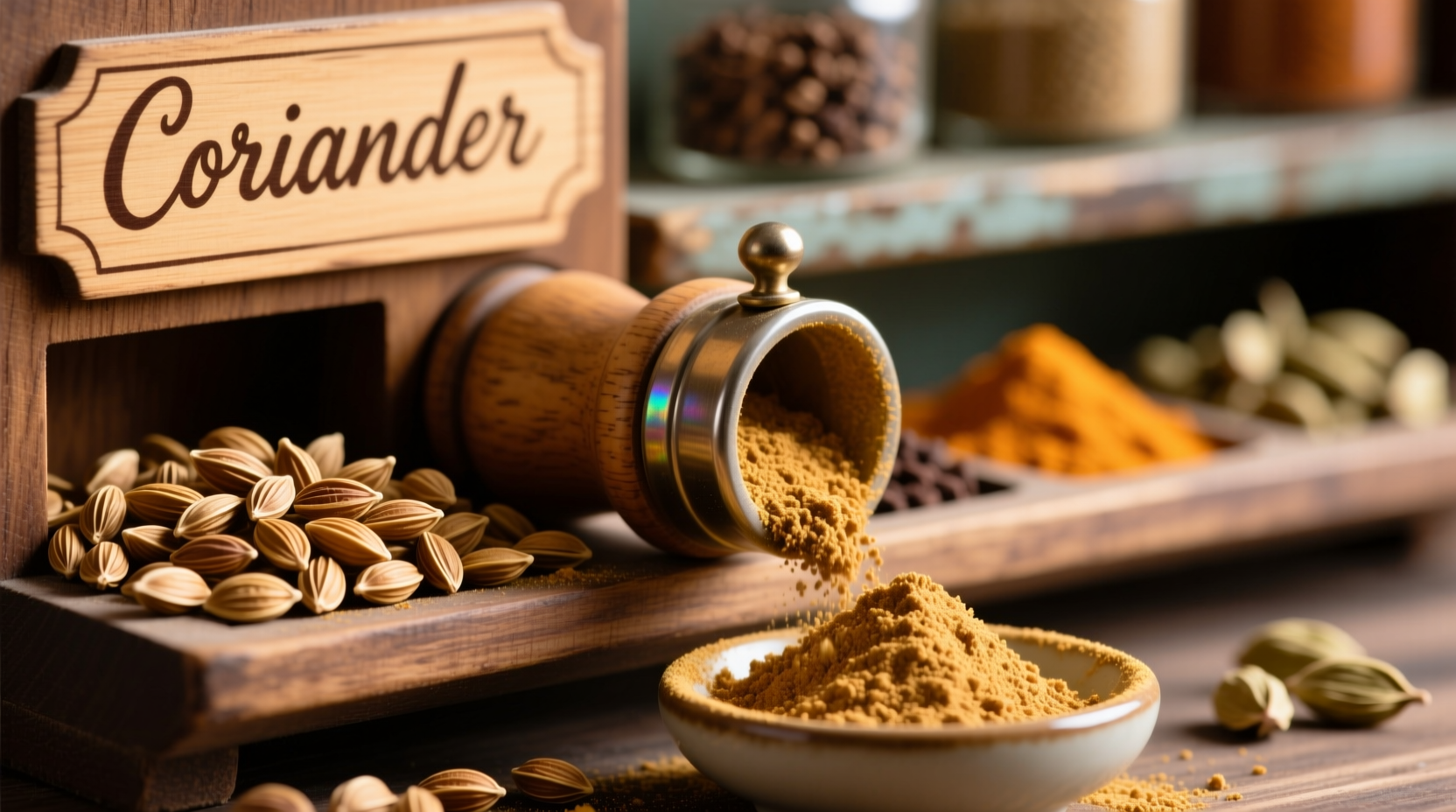
Coriander (Coriandrum sativum) is an herbaceous plant in the Apiaceae family, closely related to parsley, cumin, and caraway. While the fresh leaves are known as cilantro in the Americas, the dried ripe fruit—the seed—is what we refer to as coriander spice. Native to southern Europe and the Mediterranean, coriander has been cultivated for over 5,000 years, with archaeological evidence found in Egyptian tombs and ancient Indian texts. It plays a dual role in modern kitchens: as a whole spice often toasted and cracked, and as a finely ground powder integrated into spice blends like garam masala, curry powder, and berbere.
Unlike many spices that derive heat or pungency, coriander seed delivers a bright, lemony sweetness with subtle earthiness and a hint of sage-like complexity. When heated, its essential oils release aromatic compounds such as linalool, giving it a perfumed lift that balances heavier ingredients like lentils, root vegetables, or rich meats. Its versatility spans savory and sweet applications, appearing in everything from pickling brines to baked goods like rye bread and speculaas.
Key Characteristics
| Attribute | Whole Coriander Seeds | Ground Coriander |
|---|---|---|
| Flavor Profile | Bright, citrus-forward; develops deeper warmth when toasted | Muted citrus; more earthy and dusty if aged |
| Aroma | Pronounced floral-citrus scent; releases fully when crushed or heated | Subtle fragrance; diminishes quickly after grinding |
| Color & Form | Tan to light brown spherical seeds (3–5 mm) | Finely milled beige-to-tan powder |
| Heat Level | None (non-pungent) | None |
| Culinary Function | Base layer flavor; ideal for blooming in oil or slow infusion | Convenience seasoning; best added mid-cook or blended into doughs |
| Shelf Life (Properly Stored) | 3–4 years | 6 months to 1 year |
| Best Used In | Toasting, tempering, pickling, spice blends made fresh | Quick recipes, rubs, batters, mass-produced blends |
Practical Usage: How to Use Each Form
How you apply coriander—whole or ground—directly impacts the final dish. Whole seeds retain volatile oils far longer than their powdered counterparts, meaning they deliver more nuanced and vibrant flavor when activated properly. For maximum impact, toast whole coriander seeds in a dry skillet over medium heat for 2–3 minutes until fragrant. This process caramelizes natural sugars and intensifies the citrus notes. Once cooled, they can be lightly crushed with a mortar and pestle or spice grinder for controlled texture.
In Indian cuisine, whole coriander seeds are frequently \"tempered\"—heated in hot oil at the start of cooking—to infuse the fat with flavor before adding onions, garlic, or tomatoes. This technique builds a foundational aroma that permeates the entire dish. Similarly, in Moroccan tagines or Persian rice dishes, whole coriander appears in spice bundles (like *khoresh* mixes) where prolonged simmering slowly extracts its essence without bitterness.
Ground coriander, while less aromatic over time, excels in recipes requiring uniform dispersion. It integrates seamlessly into dry rubs for meats, marinades, and batters for fritters or dumplings. Because it dissolves easily, it’s preferred in commercial spice blends where consistency matters. However, its diminished potency means you may need to increase the quantity slightly—about 20% more—to match the flavor impact of freshly ground seed.
Pro Tip: For optimal freshness, buy whole coriander seeds in small batches from reputable spice merchants (look for opaque, tightly sealed packaging). Grind only what you need using a dedicated coffee grinder or mortar and pestle. Store excess seeds in an airtight container away from light and moisture—ideally in a cool, dark cupboard, not above the stove.
Variants & Types
While all true coriander comes from Coriandrum sativum, regional growing conditions produce subtle variations in size, color, and oil content:
- Moroccan Coriander: Smaller, darker seeds with a more intense citrus-lime profile; prized in North African tagines and preserved lemons.
- Indian Coriander: Larger, pale tan seeds; commonly used in dals, chutneys, and garam masala. Often sold roasted or split.
- Russian/Ukrainian Coriander: Earthier and less floral; traditionally used in rye breads and fermented vegetables.
- Organic vs. Conventional: Organic seeds typically have higher essential oil content due to slower growth and absence of synthetic fertilizers.
Additionally, coriander is available in processed forms beyond whole or ground:
- Roasted Coriander Seeds: Pre-toasted for immediate use; convenient but less customizable.
- Cracked Coriander: Coarsely broken seeds offering middle ground between whole and powder.
- Coriander Powder Blends: Mixed with other spices (e.g., cumin, turmeric); common in supermarkets but vary widely in quality.
When selecting a variant, consider the dish’s cultural context and desired mouthfeel. For example, cracked coriander works beautifully in coarse-textured sausages or rustic bread crusts, while fine powder suits silky soups or custards.
Comparison with Similar Ingredients
Coriander is often confused with other spices due to overlapping flavor profiles or naming conventions. Clarifying these distinctions ensures accurate usage:
| Ingredient | Difference from Coriander | Common Confusion? |
|---|---|---|
| Cumin Seeds | Warmer, smokier, and more pungent; lacks citrus notes. Cumin dominates chili and taco seasoning, whereas coriander softens and brightens. | Yes—often paired together, leading beginners to conflate them. |
| Cilantro Leaves | Fresh herb with polarizing soapy taste (due to aldehyde compounds); shares some terpenes with seeds but vastly different application. | Extremely common—same plant, different part. |
| Caraway Seeds | Sharper, more anise-like; dominant in rye bread and German cuisine. Visually similar but narrower and curved. | Moderate—especially in European baking contexts. |
| Fennel Seeds | Sweeter, pronounced licorice flavor; used in Italian sausage and digestive teas. | Occasional—both round and beige, but fennel is larger and greener. |
“Many cooks assume ground coriander is just ‘easier.’ But ease shouldn’t come at the cost of flavor. I keep both forms, but I reach for whole seeds 90% of the time. There’s no substitute for that burst of toasted citrus when you crush them fresh.”
— Chef Anika Rahman, Spices of the Indus (2021)
Practical Tips & FAQs
Should I buy whole coriander seeds or ground?
If you cook regularly with spices—especially in Indian, Middle Eastern, or Latin American traditions—buy whole seeds. They last longer and offer superior flavor control. Reserve ground coriander for occasional use or emergency restocking.
Can I substitute ground coriander for whole seeds?
Yes, but adjust ratios. Use 1 teaspoon ground coriander for every 1½ teaspoons whole seeds. Note that this substitution loses textural benefits and toasting complexity.
How do I know if my ground coriander is stale?
Fade in color (from beige to dull gray), lack of scent, or flat taste are signs. Freshly ground coriander should smell like lemon peel and warm hay. If it smells musty or inert, discard it.
What dishes showcase coriander best?
- With Whole Seeds: Chana masala, pickled red onions, dukkah, spiced nuts, biryani.
- With Ground Coriander: Hummus, tikka masala sauce, spice-rubbed salmon, carrot cake, curry ketchup.
Is organic coriander worth the extra cost?
For whole seeds, yes. Organic farming methods tend to yield higher concentrations of essential oils, translating to more aromatic and flavorful spice. For pre-ground coriander, the difference is negligible due to oxidation during processing.
Can I freeze coriander seeds?
Yes—and doing so extends shelf life indefinitely. Freeze in an airtight container and grind directly from frozen using a high-speed grinder. Avoid repeated thawing cycles to prevent condensation.
Storage Checklist:
- Store in glass or metal containers with tight lids
- Keep away from heat sources (oven, stove, sunlight)
- Label with purchase date
- Do not store near strong-smelling foods (coffee, garlic)
- Grind only what you’ll use within a week for peak aroma
Summary & Key Takeaways
Coriander, in either form, is indispensable—but understanding the trade-offs ensures optimal results. Whole coriander seeds offer longevity, superior flavor, and versatility through toasting and tempering. They belong in any serious cook’s arsenal, especially for those who build flavor from the ground up. Ground coriander provides speed and uniformity, making it suitable for quick meals or blending into wet mixtures, but it degrades rapidly and cannot replicate the vibrancy of freshly cracked seed.
The ideal spice rack includes **both**, used strategically: whole seeds for foundational work and special dishes, ground coriander for convenience and consistency in fast-paced cooking. Prioritize sourcing high-quality, fresh whole seeds from trusted suppliers, and invest in a simple spice grinder. Over time, the difference in aroma, depth, and balance will become unmistakable.
Choose whole coriander for flavor mastery. Keep ground for practicality. Together, they cover every culinary need.