Mild peppers are the unsung heroes of global cuisine—offering vibrant color, crisp texture, and subtle sweetness without overwhelming heat. For home cooks seeking depth without discomfort, these peppers provide a safe yet dynamic entry point into bold flavors. Unlike their fiery counterparts, mild peppers enhance dishes with aroma and body rather than burn, making them ideal for children, spice-sensitive palates, and layered recipes where balance is key. From morning omelets to slow-simmered stews, understanding which mild pepper to use—and when—can elevate everyday meals from predictable to professional.
Definition & Overview
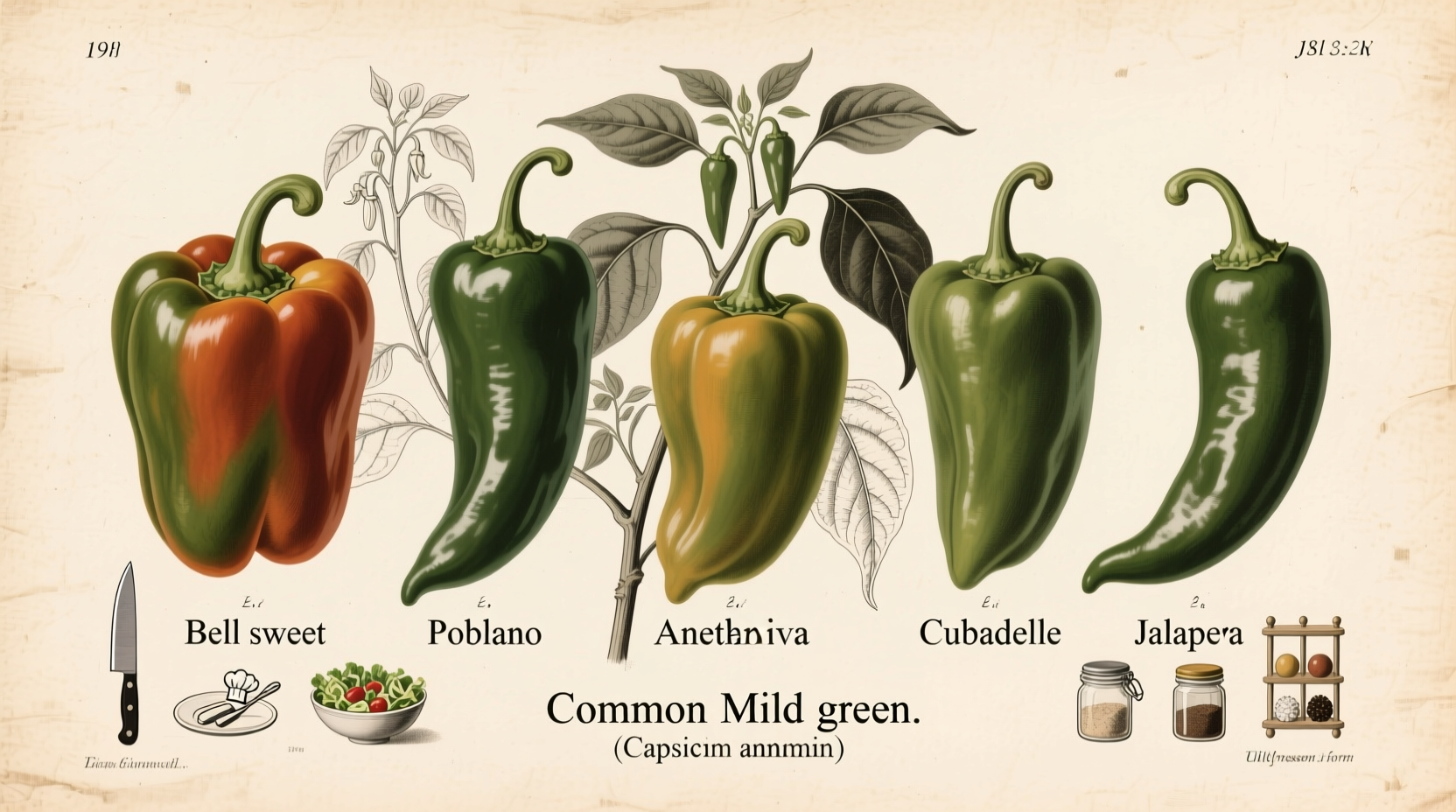
Mild peppers refer to varieties within the *Capsicum annuum* and related species that register low on the Scoville Heat Scale—typically between 0 and 500 units. These peppers lack significant capsaicin, the compound responsible for spiciness, allowing their natural sugars, vegetal notes, and aromatic qualities to shine. Most originate in Central and South America but have been cultivated worldwide for centuries, adapting to diverse climates and cuisines. Today, they’re staples in Mediterranean, Latin American, Eastern European, and Asian cooking, valued not only for taste but also for nutritional content, including high levels of vitamin C, antioxidants, and dietary fiber.
The term “mild” does not imply blandness. On the contrary, many of these peppers possess complex flavor profiles ranging from grassy and fresh (like green bell peppers) to honeyed and smoky (such as roasted Cubanelles). Their versatility spans raw applications, roasting, grilling, stuffing, pickling, and blending into sauces or salsas. Because they don’t dominate a dish with heat, chefs often use them as foundational ingredients—building flavor bases alongside onions, garlic, and herbs.
Key Characteristics of Mild Peppers
Beyond their low heat, mild peppers share several defining traits that influence how they behave in cooking. Below is a comparative overview:
| Pepper Type | Scoville Range | Flavor Profile | Texture | Color at Maturity | Best Culinary Use |
|---|---|---|---|---|---|
| Bell Pepper | 0 SHU | Sweet, slightly grassy when raw; caramelized when roasted | Crisp, thick-walled | Green, red, yellow, orange, purple | Raws, roasting, stuffing, grilling |
| Cubanelle | 0–1,000 SHU | Earthy, mildly sweet with a hint of tang | Thin-walled, tender when cooked | Light green to golden yellow | Sautéing, frying, stuffing |
| Poblano | 1,000–2,000 SHU | Rich, earthy, faintly peppery; chocolate-like when dried (ancho) | Thick flesh, smooth skin | Dark green to deep red | Chiles rellenos, rajas, moles |
| Anaheim | 500–2,500 SHU | Moderately earthy, slightly sweet with occasional warmth | Long, moderately thick | Green to red | Roasting, canning, chili verde |
| Shishito | 0–200 SHU (most); ~1 in 10 is hot | Grassy, citrusy, delicate | Thin-skinned, tender-crisp | Green to red | Blistering, grilling, appetizers |
| Pepperoncini | 100–500 SHU | Tangy, slightly bitter, vinegary when preserved | Soft when pickled; crisp when fresh | Yellow-green to red | Pickling, salads, sandwiches |
Practical Usage in Cooking
Mild peppers serve both functional and aesthetic roles in the kitchen. Their primary value lies in their ability to add moisture, structure, and savory-sweet complexity without altering the thermal profile of a dish. Here’s how to use each type effectively:
Bell Peppers: The Kitchen Workhorse
Bell peppers are among the most accessible and widely used vegetables globally. Green bells are harvested early and offer a sharper, more bitter edge—ideal for stir-fries or stuffed pepper recipes where contrast matters. Red, yellow, and orange varieties are fully ripe, boasting up to three times more sugar and significantly higher vitamin C. Roast them slowly over an open flame or under a broiler until charred, then steam in a bowl covered with plastic wrap. Peel and slice into strips (called *pepinillos asados*) for antipasti platters, blend into romesco sauce, or fold into grain bowls.
Pro Tip: When sautéing bell peppers for fajitas or ratatouille, cook them after onions and garlic to preserve crunch. Add a pinch of salt midway to draw out moisture and prevent sogginess.
Cubanelle Peppers: The Italian-American Favorite
Often mistaken for banana peppers due to shape, Cubanelles have thinner walls and a more nuanced flavor. They excel in quick-cooking methods. Slice lengthwise, remove seeds, and sauté in olive oil with garlic and crushed red pepper flakes for an Italian-style side dish known as *peppers and eggs* or serve alongside grilled meats. In Puerto Rican cuisine, they're essential in *sofrito*, the aromatic base for rice, beans, and stews.
Poblano Peppers: Gateway to Mexican Depth
Poblanos bring a meaty texture and deep umami richness. Whole roasting is critical: blister the skin, seal in a paper bag for 15 minutes, then peel. This softens the flesh and removes the tough outer layer. Use in *chiles rellenos* by stuffing with cheese, dipping in egg batter, and frying. Alternatively, slice into ribbons (*rajas*) and simmer with cream and corn for a luxurious side dish. Dried, they become anchos—smokier and sweeter—and form the backbone of mole sauces.
Anaheim Peppers: Southwestern Simplicity
Milder than jalapeños but more expressive than bells, Anaheims bridge the gap between sweet and spicy. Ideal for home canning, they hold shape well during processing. Roast and pack in brine for homemade canned green chiles, or use fresh in *chili verde*, a New Mexican stew made with pork, tomatillos, and cumin. Their moderate heat allows layering with hotter chiles like serranos if desired.
Shishito Peppers: Japanese Street Food Star
Gaining popularity in gastropubs and farm-to-table restaurants, shishitos are typically pan-seared or grilled whole until blistered. Toss with sea salt and a splash of soy sauce or yuzu kosho for a simple, elegant appetizer. While nearly all are mild, their genetic variability means one in ten may deliver a surprising kick—adding playful tension to communal dining.
Pepperoncini: The Pickled Staple
Most commonly found in jars submerged in vinegar and salt, pepperoncini are staples in Greek salads, Italian subs, and antipasto trays. Fresh ones can be sliced into salads or sandwiches for a gentle tang. Their low heat makes them excellent palate cleansers between rich bites, such as fried calamari or cured meats.
Variants & Forms: Fresh, Dried, Roasted, and Preserved
Mild peppers appear in multiple forms, each suited to different culinary contexts:
- Fresh: Best for raw applications, stir-frying, grilling, and stuffing. Optimal within 7–10 days of purchase when stored in the crisper drawer.
- Roasted (jarred or frozen): Pre-roasted peppers save time and offer consistent texture. Look for products packed in water or oil without preservatives. Ideal for dips, spreads, and sauces.
- Dried: Poblanos become anchos; mulato and pasilla varieties also derive from mild peppers. Drying concentrates sweetness and adds smoky depth. Rehydrate in hot water before blending into pastes or grinding into powder.
- Pickled: Common with pepperoncini and sometimes banana peppers. Adds acidity and brightness. Use in sandwiches, tacos, or charcuterie boards.
- Ground/Spice Blends: Ancho powder, paprika (made from dried sweet peppers), and Aleppo pepper (mild with fruit notes) bring color and flavor without heat. Paprika is essential in Hungarian goulash, while ancho lends warmth to rubs for poultry or tofu.
Storage Tip: To extend shelf life, slice fresh mild peppers and freeze on a tray before transferring to airtight bags. Use directly from frozen in soups, stews, or casseroles—no need to thaw.
Comparison with Similar Ingredients
Mild peppers are frequently confused with other non-spicy or visually similar produce. Understanding distinctions ensures proper usage:
| Ingredient | Heat Level | Key Differences | Substitution Advice |
|---|---|---|---|
| Banana Pepper vs. Cubanelle | Both mild (0–500 SHU) | Banana peppers are brighter yellow, tangier, often pickled; Cubanelles are greener, earthier, better for cooking | Use banana peppers only in cold dishes; swap Cubanelles in cooked recipes |
| Green Bell vs. Jalapeño | 0 vs. 2,500–8,000 SHU | Jalapeños are smaller, hotter, with pithy ribs; bells are larger, hollow, and sweet | Do not substitute raw; roasted poblano can mimic jalapeño's depth without heat |
| Pepperoncini vs. Peperoncino | 100–500 SHU vs. 25,000+ SHU | Pepperoncini = mild pickled pepper; \"peperoncino\" is Italian for any hot chili, often dried | Never interchangeable—check labels carefully in Italian recipes |
| Poblano vs. Anaheim | Nearly identical (1,000–2,500 SHU) | Poblanos are wider, heart-shaped, richer; Anaheims longer, lighter green, slightly milder | Fully interchangeable in most recipes, especially when roasted |
| Sweet Banana Peppers vs. Hungarian Wax | 0–500 SHU vs. 1,000–15,000 SHU | Wax peppers resemble bananas but are far hotter and less sweet | Avoid substituting unless heat is desired; always verify variety at market |
\"The beauty of mild peppers is their invisibility—they enhance without announcing themselves. A great sofrito should taste balanced, not 'peppery.' That’s why Cubanelles and poblanos disappear into the background, doing the heavy lifting while letting proteins and spices take center stage.\" — Chef Elena Martinez, James Beard Nominee, Modern Latin Cuisine
Practical Tips & FAQs
Are all green peppers mild?
No. While green bell, Cubanelle, and poblano peppers are mild, green jalapeños, serranos, and Thai chilies are quite hot. Color alone doesn't indicate heat level. Always identify the specific variety.
Can I eat mild peppers raw?
Yes—especially bell peppers, shishitos, and pepperoncini. Raw peppers retain maximum crunch and vitamin C. Slice thinly for salads or serve whole as crudité with hummus or tzatziki.
How do I reduce bitterness in green bell peppers?
Bitterness comes from immature chlorophyll. Roasting or sautéing mellows the flavor. Pair with acidic ingredients like tomatoes or lemon juice, or balance with sweet elements like corn or balsamic glaze.
What’s the best way to roast peppers at home?
Place whole peppers directly over a gas flame, on a grill, or under a broiler. Turn frequently until evenly blackened. Transfer to a sealed container for 10–15 minutes to steam, then peel under running water. Pat dry before using.
Can I grow mild peppers at home?
Absolutely. Most mild peppers thrive in containers or garden beds with 6–8 hours of sunlight. Start seeds indoors 8 weeks before last frost. Harvest bells at green stage for sharper flavor or wait for red/yellow/orange hues for sweetness. Poblanos and Cubanelles prefer warmer climates but grow well in southern zones or greenhouses.
Are mild peppers healthy?
Extremely. One medium red bell pepper provides over 150% of the daily recommended intake of vitamin C. They’re also rich in vitamin A (from beta-carotene), potassium, folate, and antioxidants like lutein and capsanthin, which support eye health and reduce inflammation.
What dishes rely heavily on mild peppers?
Many global classics depend on them:
- Shakshuka (North Africa): Bell peppers form the base with tomatoes and spices.
- Fajitas (Tex-Mex): Sliced bell and Anaheim peppers seared with onions and skirt steak.
- Stuffed Peppers (Balkan/Eastern Europe): Ground meat and rice baked inside bell peppers.
- Ratatouille (France): Eggplant, zucchini, and bell peppers slow-cooked in herbed tomato sauce.
- Chiles Rellenos (Mexico): Poblano peppers stuffed with cheese, battered, and fried.
Substitution Guide: Out of poblanos? Use roasted bell peppers for texture and mildness, though you’ll lose some earthiness. Need Cubanelles? Substitute long green bell peppers or mild banana peppers—but avoid pickled versions in cooked dishes.
Summary & Key Takeaways
Mild peppers are indispensable tools in both amateur and professional kitchens. Far from being mere placeholders, they contribute essential texture, moisture, and nuanced flavor that anchor countless dishes across cultures. From the crisp freshness of a green bell in a salad to the smoky depth of a rehydrated ancho in mole, these peppers perform quietly but powerfully.
Understanding their differences—flavor, wall thickness, ripeness indicators, and optimal preparation—is crucial for effective use. Whether raw, roasted, dried, or pickled, each form serves a distinct purpose. Confusion with hotter or similarly named varieties can lead to culinary missteps, so precise identification matters.
Incorporate mild peppers regularly to boost nutrition, enhance visual appeal, and build complex flavor layers without relying on heat. By mastering their use, cooks gain access to a broader, more balanced palate—one where subtlety triumphs over sensation.
Try This Tonight: Make a quick pepper medley by sautéing sliced red bell, poblano, and onion in olive oil with thyme and garlic. Season with salt and a splash of balsamic vinegar. Serve alongside scrambled eggs or grilled chicken for a restaurant-quality side in under 15 minutes.