In high-volume restaurants, small details often have an outsized impact on customer satisfaction. One such detail is the humble tissue box. While it may seem insignificant, a poorly chosen or flimsy tissue dispenser can lead to constant refills, frequent breakages, unsanitary conditions, and frustrated staff. For establishments serving hundreds of guests daily, investing in the right durable plastic tissue box isn’t just about convenience—it’s a smart operational decision that supports hygiene, efficiency, and brand image.
This guide breaks down what to look for when selecting plastic tissue boxes designed to withstand heavy use, how to evaluate materials and design features, and real-world considerations from industry operators who’ve learned the hard way.
Why Durability Matters in Restaurant Tissue Boxes
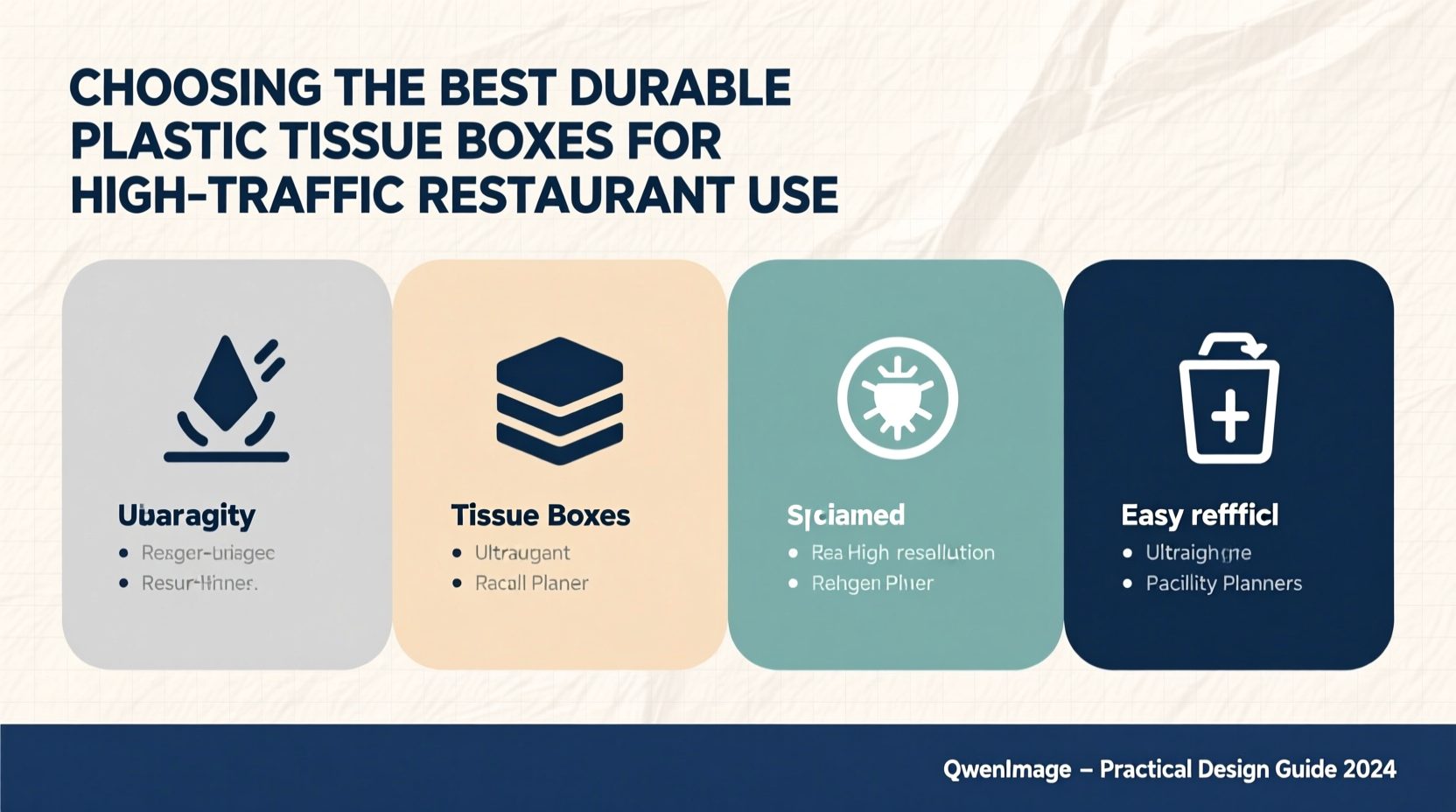
In a fast-paced dining environment, tissue boxes endure more abuse than one might assume. Customers pull aggressively, servers restock quickly under pressure, and spills or moisture can weaken standard plastics over time. A low-quality box may crack after a few weeks, leading to scattered tissues, unhygienic storage, and unnecessary labor costs.
Durability directly affects three key areas:
- Hygiene: Cracked or broken boxes expose tissues to dust, grease, and contaminants.
- Labor Efficiency: Frequent replacements mean more time spent by staff on maintenance tasks.
- Cost Over Time: Cheaper boxes may save money upfront but cost more in replacements and lost productivity.
“Restaurants that overlook the durability of everyday items like tissue dispensers often end up paying more in hidden labor and replacement costs.” — Maria Tran, Hospitality Operations Consultant with 15 years in commercial kitchen management.
Key Features of a High-Traffic Plastic Tissue Box
Not all plastic tissue boxes are created equal. To stand up to constant use, certain design and material traits are non-negotiable.
1. Thick-Walled, Impact-Resistant Plastic
Look for polypropylene (PP) or high-density polyethylene (HDPE). These materials resist cracking, warping, and chemical degradation from cleaning agents. Thin, brittle plastics—often used in household models—won’t survive repeated handling.
2. Secure Lid Mechanism
A snap-on or screw-top lid prevents accidental opening during transport or cleaning. Hinged lids should be reinforced and include a positive latch to avoid popping open.
3. Controlled Dispensing Design
Boxes should allow one-tissue-at-a-time access. Wide-open tops encourage overuse and contamination. Some models feature spring-loaded flaps or perforated slots that limit pulling force and discourage misuse.
4. Stackable & Space-Efficient Shape
Back-of-house storage matters. Choose boxes with flat sides and stable bases that can be stacked without tipping. Rectangular designs typically maximize shelf space better than rounded ones.
5. Easy-to-Clean Surface
Glossy, non-porous finishes resist grease buildup and can be wiped down quickly with standard sanitizers. Avoid textured surfaces that trap grime.
Tip: Test a sample box by dropping it from waist height onto a hard surface. If it cracks or deforms, it won’t last in your restaurant.Comparison of Common Plastic Types in Tissue Boxes
| Plastic Type | Durability | Chemical Resistance | Cost Level | Suitability for Restaurants |
|---|---|---|---|---|
| Polypropylene (PP) | High | Excellent | Moderate | ⭐⭐⭐⭐☆ |
| HDPE | Very High | Excellent | Moderate to High | ⭐⭐⭐⭐⭐ |
| PVC | Moderate | Fair | Low | ⭐⭐☆☆☆ |
| Polystyrene (PS) | Low | Poor | Low | ⭐☆☆☆☆ |
Step-by-Step Guide to Selecting and Implementing Durable Tissue Boxes
Choosing the right product involves more than just reading labels. Follow this sequence to ensure long-term success:
- Evaluate Your Traffic Volume: Count average daily guests. High-traffic venues (200+ covers/day) need industrial-grade boxes; moderate spots can consider mid-tier options.
- Request Samples: Order physical samples from at least three suppliers. Test them for weight, rigidity, and ease of loading.
- Simulate Real Use: Have staff load and dispense tissues repeatedly. Drop-test near counters to mimic accidents.
- Assess Cleaning Compatibility: Wipe with common disinfectants (e.g., quaternary ammonia solutions) and check for clouding or brittleness after 24 hours.
- Train Staff on Proper Use: Ensure everyone knows how to refill without forcing tissues, which can damage internal mechanisms.
- Monitor Performance Monthly: Track breakage rates, refill frequency, and feedback from servers.
Real-World Example: The Downtown Bistro Case Study
The Downtown Bistro, a popular brunch spot serving 350 guests on weekends, used standard retail-grade plastic tissue boxes for over a year. They replaced them every six weeks on average due to cracked corners and loose lids. Servers complained that tissues spilled during tray transport, and managers noted increased waste as customers pulled multiple sheets at once.
After switching to HDPE stackable boxes with secure flip-top lids and controlled dispensing slots, they saw immediate improvements. Over six months, breakage dropped to zero, tissue consumption decreased by 18%, and staff reported easier handling. The initial investment was 60% higher, but the bistro saved $420 annually in replacement costs and reduced supply runs by half.
Checklist: Choosing the Right Tissue Box for Your Restaurant
- ✅ Made from HDPE or PP plastic
- ✅ Minimum wall thickness of 2.5mm
- ✅ Locking or snap-tight lid
- ✅ One-at-a-time dispensing mechanism
- ✅ Smooth, wipeable interior and exterior
- ✅ Compatible with standard folded tissues (no custom sizing)
- ✅ Stackable and compact footprint
- ✅ Supplier offers bulk pricing and fast reordering
Frequently Asked Questions
Can I use regular household tissue boxes in my restaurant?
No. Household models are designed for light use and lack the structural integrity needed in commercial settings. They degrade faster under frequent handling and exposure to kitchen environments.
How often should I replace plastic tissue boxes?
With high-quality durable models, replacement should only be necessary every 2–3 years under normal conditions. Replace immediately if cracks, warping, or hygiene issues appear.
Are metal tissue dispensers better than plastic?
While metal is more robust, it’s also heavier, more expensive, and prone to rust in humid or wet areas. For most restaurants, premium plastic offers the best balance of durability, cost, and practicality.
Final Thoughts and Next Steps
Selecting the right durable plastic tissue box is not about luxury—it’s about operational intelligence. In high-traffic restaurants, every piece of equipment must earn its place. A well-chosen tissue dispenser reduces waste, maintains hygiene, and frees up staff time for more important tasks.
The next time you audit your supplies, treat the tissue box with the same scrutiny as your cutlery or napkin holders. Request samples, test rigorously, and invest in quality. Your team—and your bottom line—will thank you.
💬 Have you upgraded your tissue dispensers recently? Share your experience or ask questions in the comments—your insights could help another operator make a smarter choice.