September 27 marks National Potato Day—a tribute to one of the world’s most versatile, sustaining, and beloved staple foods. While often relegated to the role of side dish, the humble potato deserves far more recognition. From its ancient Andean origins to its modern-day status as a global dietary cornerstone, the potato has shaped civilizations, fueled revolutions, and inspired countless culinary innovations. Whether roasted, mashed, fried, or baked, this tuber transcends cultural boundaries and kitchen skill levels. This article explores the fascinating history of the potato, breaks down its varieties and uses, and offers practical, chef-tested recipes and tips to elevate your cooking—just in time to celebrate National Potato Day with purpose and flavor.
Definition & Overview
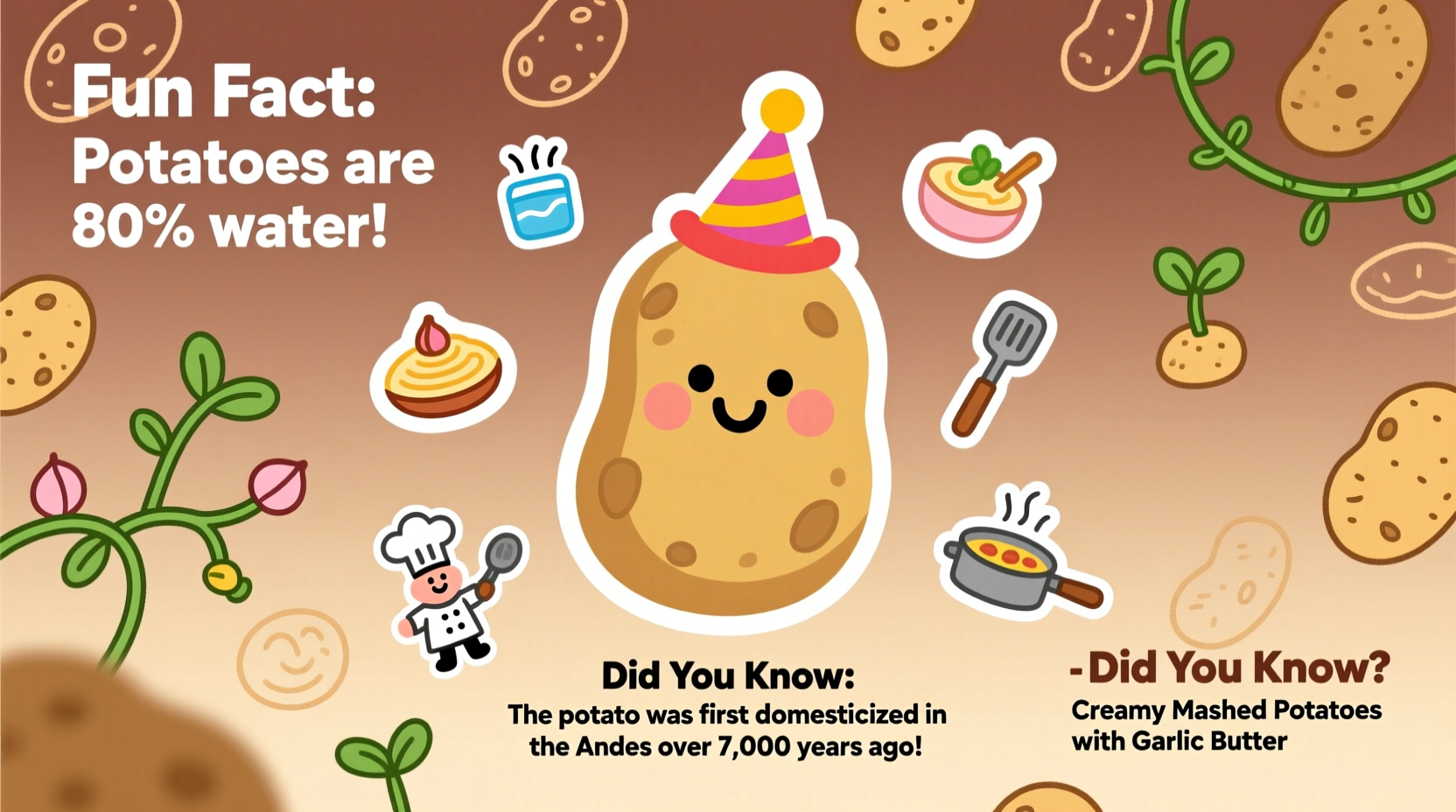
The potato (Solanum tuberosum) is a starchy tuberous crop grown as a primary food source across six continents. Botanically classified as a modified underground stem (a tuber), it belongs to the nightshade family, which includes tomatoes, eggplants, and peppers. Native to the Andes Mountains of South America, potatoes were first domesticated over 7,000 years ago by indigenous peoples in present-day Peru and northwestern Bolivia. These early cultivators developed thousands of landrace varieties adapted to diverse altitudes, climates, and culinary needs.
Introduced to Europe in the 16th century by Spanish explorers, the potato initially faced skepticism due to its unfamiliar appearance and association with toxic nightshades. However, by the 18th century, its high caloric yield, storage resilience, and adaptability to poor soils made it indispensable in feeding growing populations. Today, the potato ranks fourth among the world’s most important food crops, after rice, wheat, and maize, with over 400 million tons produced annually.
Culinarily, potatoes are prized for their neutral flavor, creamy texture when cooked, and ability to absorb seasonings. They serve as both a vegetable and a carbohydrate source, functioning as the base for dishes ranging from French fries to gnocchi, gratins to dumplings. Their nutritional profile includes vitamin C, potassium, B6, and fiber—especially when consumed with the skin—and they provide sustained energy due to complex carbohydrates.
Key Characteristics
| Attribute | Description |
|---|---|
| Flavor | Mild, earthy, slightly sweet; varies subtly by variety |
| Aroma | Earthy, vegetal when raw; nutty and roasted when cooked |
| Texture | Waxy: firm and moist; Starchy: fluffy and dry when cooked |
| Color/Form | White, yellow, red, purple skins; flesh ranges from white to deep violet |
| Culinary Function | Thickening agent, base ingredient, side dish, main course component |
| Shelf Life | 3–5 weeks in cool, dark, well-ventilated storage; avoid refrigeration |
| Nutritional Highlights | High in potassium, vitamin C, B6, resistant starch (when cooled) |
Variants & Types
Potatoes are broadly categorized by starch content, which determines their best culinary applications. Understanding these types empowers cooks to select the right potato for the right dish.
1. Starchy Potatoes
- Russet: The quintessential baking potato. High starch, low moisture, fluffy interior when baked or mashed. Ideal for french fries, baked potatoes, and gnocchi.
- Idaho: A subtype of russet, grown in volcanic soil; known for light, mealy texture and excellent frying qualities.
2. Waxy Potatoes
- Red Bliss: Smooth red skin, dense flesh. Holds shape well in boiling. Perfect for potato salads, roasting, and soups.
- Fingerling: Small, elongated, colorful (yellow, purple, red). Naturally waxy, with nutty flavor. Excellent roasted or grilled.
- New Potatoes: Immature tubers harvested early. Thin skins, crisp texture, high moisture. Best boiled or sautéed.
3. All-Purpose (Medium-Starch) Potatoes
- Yukon Gold: Golden flesh, buttery flavor, creamy texture. Versatile for mashing, roasting, boiling, and soups.
- Kennebec: Uniform, tan-skinned, reliable performer in frying and boiling.
4. Specialty Varieties
- Blue/Purple Potatoes: Rich in anthocyanins (antioxidants), vibrant color. Mild, slightly sweet flavor. Use in salads, chips, or as a colorful mash.
- Adirondack Blue/Red: Developed for disease resistance and visual appeal. Retain color when cooked.
Pro Tip: When selecting potatoes, check for firmness, absence of sprouts or green patches, and smooth skin. Avoid those with soft spots or shriveled texture.
Comparison with Similar Ingredients
Despite common confusion, potatoes differ significantly from other root vegetables and tubers. Understanding these distinctions prevents recipe mishaps and enhances culinary precision.
| Ingredient | Difference from Potato | Best Used For |
|---|---|---|
| Sweet Potato | Not a nightshade; higher sugar, beta-carotene; orange or white flesh; sweeter, softer when cooked | Baking, casseroles, pies, fries with sweet-savory glaze |
| Yam | True yams are tropical tubers with rough bark-like skin; rarely sold in U.S. supermarkets (often mislabeled sweet potatoes) | West African and Caribbean stews, roasted dishes |
| Turnip | Brassica family; sharp, peppery flavor when raw; becomes sweet when cooked; lower starch | Stews, mashes (mixed with potatoes), roasting |
| Jicama | Crunchy, water-rich, mild sweetness; eaten raw or lightly cooked; not a nightshade | Salads, slaws, fresh spring rolls |
\"The potato is the only crop that can match wheat in calories per acre while requiring less labor and no milling. It changed the economics of European agriculture forever.\" — Dr. Rebecca Salter, Agricultural Historian, Cornell University
Practical Usage: How to Use Potatoes in Cooking
The versatility of the potato lies in its response to different cooking methods. Each technique transforms its texture and flavor profile, enabling a wide range of dishes.
Boiling
Best for waxy or all-purpose potatoes. Peel or leave skin on depending on desired texture. Simmer gently—never boil vigorously—to prevent disintegration. Add salt to water (1 tablespoon per quart) for seasoning. Drain promptly to avoid waterlogging.
- Use in: Potato salad, soups, lefse, baby food
- Chef’s Note: Cool boiled potatoes before mixing into salads to preserve structure and prevent dressing dilution.
Baking
Starchy potatoes like Russets excel here. Preheat oven to 400°F (200°C). Prick skin, rub with oil, and bake directly on rack for 45–60 minutes until tender. Internal temperature should reach 205–210°F (96–99°C) for maximum fluffiness.
- Upgrade Tip: After baking, split open and fluff interior with a fork before adding fillings like cheese, sour cream, or chili.
Roasting
Cut into even pieces (1–2 inches), toss with olive oil, salt, herbs, and roast at 425°F (220°C) for 30–40 minutes, flipping once. For crispiness, parboil first for 5 minutes, then roast.
- Variation: Duck fat or bacon grease adds depth and superior browning.
Frying
Two methods: shallow fry (for pancakes or latkes) or deep fry (for fries or chips). Use Russets, cut uniformly, and soak in cold water for 30 minutes to remove excess starch—this ensures crispness.
- Double-Fry Method (French Fries): Fry at 325°F (160°C) until pale (blanching), cool, then fry again at 375°F (190°C) until golden.
Mashing
Peel and cut Yukon Golds or Russets into uniform chunks. Boil until fork-tender. Drain thoroughly. Warm dairy (milk, cream, butter) before incorporating to prevent gluey texture. Use a ricer or hand masher—avoid blenders, which overwork starch and create gummy results.
- Elevation Idea: Fold in roasted garlic, horseradish, or grated aged cheddar for gourmet flair.
Gratin & Dauphinoise
Thinly slice potatoes (use mandoline) and layer in cream or milk with garlic, nutmeg, and cheese. Bake covered at 350°F (175°C) for 1 hour, then uncover to brown. Choose waxy or all-purpose potatoes to maintain layer integrity.
Storage Alert: Never store potatoes in the refrigerator. Cold temperatures convert starch to sugar, leading to undesirable sweetness and dark browning when cooked. Keep in a cool, dark, ventilated place (ideal: 45–50°F / 7–10°C).
Classic & Creative Potato Recipes for National Potato Day
To honor the occasion, here are three accessible yet impressive recipes showcasing different potato types and techniques.
1. Crispy Smashed Potatoes with Herbed Yogurt (Serves 4)
Type: Waxy (Red Bliss or Fingerlings)
Method: Boil + Roast + Smash
- Boil 1.5 lbs small red potatoes in salted water until tender (15–20 mins). Drain and cool slightly.
- Place on parchment-lined baking sheet. Gently press each with a fork or glass to flatten (~½ inch thick).
- Toss with 2 tbsp olive oil, 1 tsp smoked paprika, salt, and pepper.
- Roast at 425°F (220°C) for 25–30 minutes, flipping once, until golden and crisp.
- Serve with herbed yogurt: mix ¾ cup Greek yogurt, 1 tbsp lemon juice, 1 minced garlic clove, chopped dill, chives, salt.
2. Ultimate Fluffy Mashed Potatoes (Serves 6)
Type: Russet or Yukon Gold
Method: Boil + Mash
- Peel and cube 2.5 lbs potatoes. Soak in cold water 10 mins, then drain.
- Boil in salted water until easily pierced (18–22 mins). Drain completely.
- Warm ½ cup whole milk and ½ stick butter (4 oz) in saucepan until butter melts.
- Pass potatoes through a ricer into warm bowl. Gradually stir in hot milk-butter mix with wooden spoon.
- Add salt to taste. Optional: fold in ¼ cup sour cream for tang.
- Serve immediately, topped with melted butter or chives.
3. Hasselback Sweet & Savory Potatoes (Serves 2)
Type: Medium-starch (Yukon Gold)
Method: Bake with precision cuts
- Preheat oven to 400°F (200°C). Scrub 2 medium Yukon Golds.
- Place chopsticks on either side of each potato. Slice crosswise every ⅛ inch, stopping at chopsticks to prevent cutting through.
- Brush with olive oil, sprinkle with salt, and place on baking sheet.
- Bake 45–50 minutes until tender and edges crisp.
- Insert thin slices of garlic, rosemary, or cheese between cuts during last 10 minutes.
- Drizzle with truffle oil or balsamic glaze before serving.
Practical Tips & FAQs
Q: Can I freeze cooked potatoes?
A: Yes, but texture changes occur. Mashed potatoes freeze well if enriched with butter and cream. Cool completely, portion into airtight containers, and freeze up to 3 months. Thaw in fridge and reheat gently. Avoid freezing boiled waxy potatoes—they become grainy.
Q: Why do my mashed potatoes turn gluey?
A: Over-mixing activates starch, creating a sticky consistency. Always use a masher or ricer, never a blender or food processor. Incorporate warm dairy gradually and stop as soon as smooth.
Q: Are green spots on potatoes dangerous?
A: Yes. Green areas indicate chlorophyll formation and concurrent production of solanine, a natural toxin. Peeling deeply around green spots usually removes most solanine, but heavily greened or sprouted potatoes should be discarded.
Q: What’s the best way to reheat roasted potatoes?
A: Avoid microwaving, which makes them soggy. Instead, re-crisp in a 400°F (200°C) oven or skillet with a touch of oil for 8–10 minutes.
Q: Can I substitute sweet potatoes for regular potatoes?
A: Only in select recipes. Sweet potatoes have higher moisture and sugar, altering texture and browning. They work in fries, casseroles, or roasting—but not in traditional mashed potatoes or gratin unless the recipe accounts for sweetness.
Q: How do I prevent potatoes from turning brown after peeling?
A: Submerge in cold water immediately. Add a splash of lemon juice or vinegar (acid inhibits oxidation). Use within 24 hours, stored in fridge.
Case Study: The Irish Potato Famine and Modern Food Security
The Great Famine (1845–1852) underscores the risks of monoculture. Ireland’s reliance on the ‘Lumper’ potato—a single, low-nutrient, disease-prone variety—left millions vulnerable when Phytophthora infestans (late blight) destroyed crops. Over one million died; another million emigrated. Today, agricultural scientists emphasize biodiversity in potato farming. Programs like the International Potato Center (CIP) in Peru conserve over 7,000 varieties, researching disease-resistant, climate-resilient strains to safeguard future food systems.
This history reminds us that celebrating National Potato Day isn’t just about recipes—it’s about recognizing the potato’s role in human survival, innovation, and sustainability.
Summary & Key Takeaways
The potato is far more than a side dish—it’s a historical force, a nutritional powerhouse, and a culinary canvas. Celebrating National Potato Day means honoring its legacy and maximizing its potential in everyday cooking.
- Know your types: Match potato variety to cooking method—starchy for baking and mashing, waxy for boiling and roasting.
- Respect technique: Proper boiling, mashing, and frying methods prevent common pitfalls like gumminess or sogginess.
- Store wisely: Cool, dark, dry storage preserves quality and prevents toxin development.
- Explore globally: From Peruvian causa to German kartoffelpuffer, potato dishes reflect cultural ingenuity.
- Celebrate diversity: Try heirloom or colored potatoes for visual appeal and added antioxidants.
This National Potato Day, go beyond the basics. Try a new variety, master a classic technique, or share a family recipe. The potato has fed nations—now let it inspire your kitchen.