Types of Canisters and Jars
Choosing the right canister or jar is essential for effective storage, organization, and aesthetic appeal in both kitchen and home environments. Different materials offer unique benefits in terms of durability, functionality, and design. Below is a comprehensive overview of the most common types, including their advantages, limitations, and ideal uses.
Glass Canisters & Jars
Renowned for clarity and chemical inertness, glass containers are a top choice for food preservation and visible storage.
Advantages
- Transparent—allows easy content identification
- Non-porous and resistant to stains, odors, and chemicals
- Microwave, oven, and dishwasher safe (depending on design)
- Ideal for canning, pickling, and long-term food storage
- Eco-friendly and 100% recyclable
Limitations
- Heavy compared to other materials
- Breakable if dropped or exposed to thermal shock
- Can be more expensive than plastic alternatives
Best for: Pantry organization, canning, spice storage, and decorative display
Metal Canisters & Jars
Durable and stylish, metal containers—especially in stainless steel or aluminum—are excellent for light-sensitive and dry goods.
Advantages
- Excellent protection against light, moisture, and pests
- Highly durable and long-lasting
- Non-reactive (especially stainless steel)
- Sleek, modern appearance complements contemporary kitchens
- Often includes airtight seals for freshness
Limitations
- Opaque—contents not visible without opening
- Potential for dents or scratches over time
- Not suitable for microwave use
- May require hand washing to maintain finish
Best for: Storing coffee, tea, grains, flour, and other light-sensitive dry goods
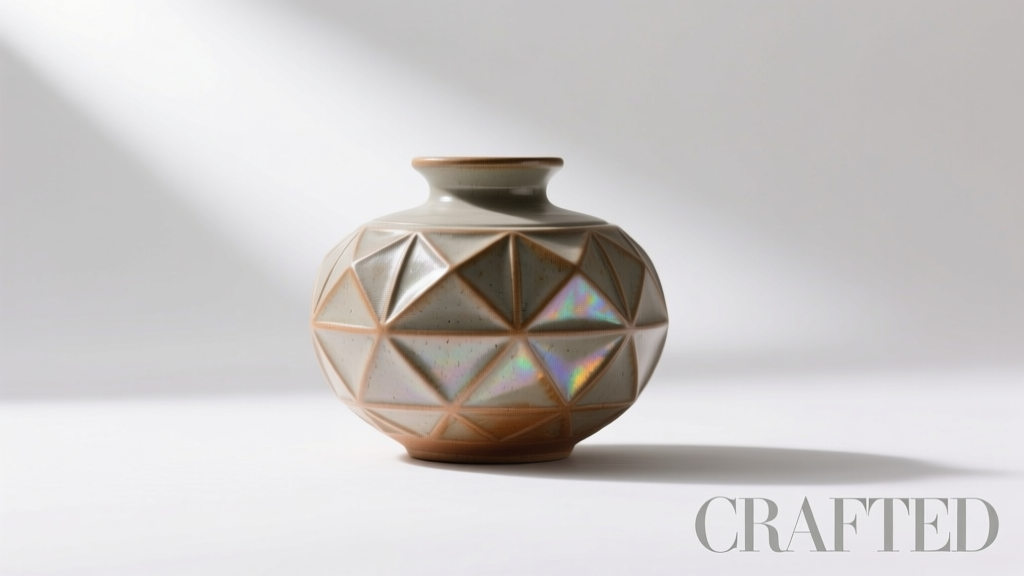
Ceramic Canisters & Jars
Offering artistic flair and functional storage, ceramic containers are both practical and decorative.
Advantages
- Beautiful, handcrafted designs with glazes and patterns
- Good moisture resistance when properly glazed
- Microwave and oven safe (if labeled)
- Excellent for dry food storage like sugar, flour, and cookies
- Adds warmth and character to kitchen decor
Limitations
- Heavy and fragile—can crack or chip if dropped
- May absorb odors if unglazed or poorly sealed
- Limited transparency—often requires labeling
- Higher cost for artisan or hand-painted pieces
Best for: Decorative kitchen storage, countertop organization, and gift items
Plastic Canisters & Jars
Lightweight and budget-friendly, plastic containers are practical for everyday use and high-traffic environments.
Advantages
- Lightweight and easy to handle
- Shatterproof—ideal for homes with children or busy kitchens
- Affordable and widely available
- Often come with airtight, leak-proof lids
- Versatile for food and non-food storage (e.g., crafts, office supplies)
Limitations
- Can retain odors and stains over time
- May degrade with prolonged UV exposure or high heat
- Less eco-friendly—many are not recyclable or biodegradable
- Potential for chemical leaching (choose BPA-free options)
Best for: Lunch prep, snack storage, travel, and general household organization
Bamboo Canisters & Jars
Eco-conscious and naturally beautiful, bamboo combines sustainability with modern functionality.
Advantages
- Made from a fast-growing, renewable resource
- Natural aesthetic adds warmth to any room
- Often lined with food-safe metal or glass for airtight storage
- Biodegradable and compostable at end of life
- Lightweight yet durable for everyday use
Limitations
- Not fully waterproof—avoid prolonged exposure to moisture
- May require hand washing to preserve finish
- Higher price point due to craftsmanship and materials
- Limited transparency—labels recommended for content ID
Best for: Eco-friendly kitchens, bathroom organization, and sustainable living spaces
| Material | Durability | Transparency | Eco-Friendliness | Best For |
|---|---|---|---|---|
| Glass | High (but breakable) | Excellent | Excellent | Food storage, canning, visibility |
| Metal | Very High | Poor | Good | Light-sensitive goods, modern kitchens |
| Ceramic | Medium (brittle) | Fair (glazed) | Good | Decorative storage, dry goods |
| Plastic | Medium | Good | Fair (if recyclable) | Budget storage, kid-friendly spaces |
| Bamboo | Medium-High | Poor | Excellent | Eco-conscious homes, bathroom/kitchen |
Expert Tip: For optimal food freshness, choose airtight containers with silicone seals and store in a cool, dark place. Labeling containers—especially opaque ones—helps maintain organization and prevents waste.
Designs of Canisters and Jars: Functionality Meets Style in Kitchen Storage
Canisters and jars are essential kitchen storage solutions that combine practicality with aesthetic appeal. From preserving food freshness to enhancing countertop organization, the right design can significantly improve both functionality and visual harmony in your kitchen. Understanding the different types available helps you choose the best option based on space, usage, and décor preferences.
Types of Canister and Jar Designs
Stackable Canisters
Designed for space efficiency, stackable canisters are ideal for compact kitchens or areas with limited counter or cabinet space. Their interlocking or nesting structure allows vertical storage, maximizing available space without sacrificing accessibility.
Manufactured from durable materials such as BPA-free plastic, stainless steel, or powder-coated metal, these canisters offer both stability and style. Many feature non-slip bases and secure latches to prevent shifting when stacked. Available in minimalist or modern designs, they blend seamlessly into contemporary kitchens while offering practical storage for dry goods like pasta, rice, or snacks.
Airtight Canisters
Airtight canisters are engineered to extend the shelf life of perishable dry foods by creating a sealed environment that blocks out air, moisture, and contaminants. This is especially important for preserving the flavor and texture of sensitive items like coffee beans, ground spices, flour, sugar, and cereals.
Equipped with silicone or rubber gaskets inside the lid, these canisters form a tight seal upon closing. Some models include press-button mechanisms, twist-lock lids, or vacuum-sealing features for enhanced protection. Airtight storage also deters pests such as ants or pantry moths, making them a hygienic and long-term solution for food preservation.
Decorative Canisters
Blending utility with visual appeal, decorative canisters serve as both functional storage and stylish accents. Crafted from ceramic, glass, or brushed metal, they often feature hand-painted finishes, engraved patterns, embossed textures, or rustic glazes that complement various interior themes—from farmhouse chic to modern minimalist.
These canisters are perfect for open-shelf displays or countertop arrangements where aesthetics matter. Whether adorned with botanical motifs, geometric designs, or classic neutral tones, they elevate the look of your kitchen while keeping essentials organized. Their weight and sturdiness also make them less prone to tipping, adding to their practicality.
Clear Canister Jars
Transparency is the defining feature of clear canister jars, typically made from tempered glass or shatter-resistant acrylic. This allows instant visibility of contents, helping users quickly identify ingredients and monitor stock levels—ideal for busy kitchens or meal prepping.
Commonly used for storing pasta, grains, legumes, nuts, and baking supplies, these jars promote efficient organization and reduce food waste. Their sleek, unobtrusive design fits well in modern, industrial, or Scandinavian-style kitchens. Many come with measurement markings on the side and airtight lids, combining form and function in one elegant package.
Kitchen Canister Sets
Kitchen canister sets offer a coordinated approach to pantry organization, typically including 2 to 5 pieces designed to match in shape, color, and finish. These sets are perfect for creating a unified, clutter-free look on countertops or inside cabinets.
Common configurations include canisters for coffee, tea, sugar, flour, and salt, often labeled or color-coded for easy identification. Made from materials like ceramic, stainless steel, or glass, many sets feature airtight seals and matching lids for consistency in both performance and appearance. They make excellent gifts and are a popular choice for newly furnished kitchens or kitchen makeovers.
| Canister Type | Best For | Material Options | Key Benefits |
|---|---|---|---|
| Stackable Canisters | Small kitchens, space-saving storage | Plastic, metal, stainless steel | Maximizes vertical space, easy access, modern design |
| Airtight Canisters | Food preservation, long-term storage | Plastic, glass, ceramic with rubber seals | Extends freshness, pest-resistant, moisture-proof |
| Decorative Canisters | Countertop display, style enhancement | Ceramic, glass, metal with finishes | Visually appealing, complements décor, durable |
| Clear Canister Jars | Organization, visibility of contents | Tempered glass, acrylic, polycarbonate | Easy identification, minimalist look, often labeled |
| Kitchen Canister Sets | Unified kitchen styling, multi-item storage | Ceramic, glass, stainless steel | Coordinated design, space-efficient, often airtight |
Choosing the Right Canister: Key Considerations
Important: Always clean canisters thoroughly before storing food, and avoid exposing them to extreme temperatures unless designed for it (e.g., oven-safe ceramic). Regularly inspect seals and lids for wear to maintain freshness and hygiene. Proper selection and care ensure your canisters remain functional, safe, and visually appealing for years.
Customization Options for Canisters and Jars
Customizable canisters and jars offer a perfect blend of functionality and personal expression, making them ideal for kitchen organization, retail packaging, gifting, and home décor. With a wide array of customization options available, users can design storage solutions that align precisely with their aesthetic preferences, practical needs, and lifestyle requirements. Below is a comprehensive breakdown of the key customization features that empower customers to create truly unique and purpose-driven storage products.
Material Customization
The choice of material significantly influences both the durability and visual appeal of canisters and jars. Customers can select from a diverse range of materials, each offering distinct benefits in terms of strength, weight, sustainability, and style.
- Stainless Steel & Aluminum: Ideal for a modern, industrial look—highly durable, rust-resistant, and excellent for long-term use in humid environments like kitchens.
- Glass: Offers a timeless, clean appearance with full visibility of contents; non-porous and easy to clean, making it perfect for food-safe applications.
- Bamboo & Wood: Brings a warm, natural aesthetic to any space—eco-friendly and biodegradable, great for minimalist or rustic interior themes.
- Plastic (BPA-Free): Lightweight and shatterproof, ideal for portable or child-friendly storage; available in various textures and translucencies.
Pro Tip: Recommend glass or stainless steel for premium food storage due to their non-reactive and hygienic properties.
Size and Shape Customization
Canisters and jars can be tailored in size and shape to suit specific storage needs, spatial constraints, or design visions. This level of customization ensures optimal utility across various environments—from compact urban kitchens to large pantries.
- Wide-Mouth Jars: Facilitate easy access and refilling, ideal for storing utensils, bulk dry goods (like pasta or grains), or even pickled vegetables.
- Narrow Canisters: Perfect for spices, tea leaves, or powdered ingredients, minimizing exposure to air and moisture.
- Stackable & Space-Saving Designs: Rectangular or modular shapes maximize cabinet efficiency and promote organized storage.
- Decorative Shapes: Unique silhouettes (e.g., hexagonal, apothecary-style, or asymmetrical) serve as eye-catching display pieces on countertops or shelves.
Design Insight: Custom dimensions ensure seamless integration into cabinetry or under-counter spaces.
Color and Finish Customization
Modern manufacturing techniques allow for extensive color and surface finish options, enabling customers to match their canisters and jars to their interior design scheme or brand identity.
- Color Options: Choose from soft pastels for a calming vibe, bold primary colors for visual impact, or neutral tones (white, gray, black) for versatile, timeless appeal.
- Matte Finish: Provides a sophisticated, fingerprint-resistant surface ideal for contemporary kitchens.
- Glossy Finish: Adds shine and elegance, enhancing the visual prominence of the container.
- Brushed or Textured Finishes: Offer tactile appeal and reduce visible scratches—common in metal and plastic variants.
Trend Alert: Two-tone finishes and gradient color effects are gaining popularity in premium kitchenware lines.
Personalization Options
Adding personalized elements transforms functional storage into meaningful keepsakes or branded products. These options enhance both emotional value and organizational efficiency.
- Engraved Names or Monograms: Perfect for gifts, weddings, or family labeling in shared kitchens.
- Printed Labels & Icons: Help identify contents at a glance—especially useful for spice racks or pantry systems.
- Custom Artwork & Patterns: Incorporate family crests, favorite quotes, or artistic motifs to reflect personal style.
- Branding for Retail: Businesses can imprint logos, slogans, or product information for cohesive packaging and marketing.
Creative Idea: Offer seasonal designs (e.g., holiday-themed engravings) to encourage repeat purchases.
Functional Add-Ons
Beyond aesthetics, functional enhancements improve usability, preservation, and convenience—making customized canisters truly smart storage solutions.
- Airtight Lids: Preserve freshness by preventing moisture, pests, and oxidation—essential for coffee, flour, and spices.
- Integrated Measurement Markings: Built-in graduations on the side or lid allow for quick portioning without additional tools.
- Label Holders & Chalkboard Panels: Enable temporary labeling for rotating contents or recipe ingredients.
- Variety of Closures: Options include screw-top (secure), flip-top (quick access), clamp-seal (vacuum-tight), or magnetic lids (modern convenience).
Practical Note: Recommend silicone-sealed lids for maximum freshness and leak resistance.
Use-Case Tailoring
Different lifestyles and environments call for specialized configurations. Customization allows products to be optimized for specific applications.
- Kitchen Organization: Uniform sets with clear labeling streamline meal prep and reduce clutter.
- Commercial & Retail Use: Branded, durable containers enhance product presentation and customer loyalty.
- Gifting & Events: Personalized jars make memorable wedding favors, baby shower gifts, or corporate giveaways.
- Eco-Conscious Living: Reusable, refillable designs with sustainable materials support zero-waste lifestyles.
Customer Tip: Bundle complementary items (e.g., spice jars with a rack) to increase perceived value.
Expert Recommendation: Guide customers to balance form and function—while aesthetics attract, long-term satisfaction comes from durability, ease of use, and proper fit for their intended purpose. Suggest starting with a cohesive set (matching material, color, and lid type) for a polished look, then adding specialty pieces as needed.
| Customization Type | Best For | Popular Choices | Recommended Use Cases |
|---|---|---|---|
| Material | Durability & Style | Glass, Stainless Steel, Bamboo | Kitchen storage, eco-friendly brands, gift sets |
| Size & Shape | Space Optimization | Wide-mouth, stackable, square | Pantry organization, small-space living |
| Color & Finish | Interior Coordination | Matte black, pastel pink, brushed metal | Modern kitchens, boutique packaging |
| Personalization | Emotional Value | Monograms, custom labels, artwork | Gifts, weddings, branded merchandise |
| Functional Add-Ons | Usability & Preservation | Airtight seals, measurement tops, label holders | Coffee storage, spice racks, meal prep |
Additional Considerations
- Sustainability: Eco-conscious customers appreciate recyclable materials, minimal packaging, and reusable designs.
- Food Safety: Ensure materials are FDA-approved and free from harmful chemicals like BPA, phthalates, or lead.
- Minimum Order Quantities (MOQs): For bulk or branded orders, clarify MOQs and lead times early in the selection process.
- Maintenance: Provide care instructions—e.g., hand-washing for engraved surfaces or avoiding abrasive cleaners on matte finishes.
- Modularity: Design systems that allow future expansion, such as compatible lids across sizes or add-on accessories.
How to Choose the Best Canisters and Jars for Your Home
Selecting the right canisters and jars is more than just a storage decision—it's about enhancing functionality, preserving food quality, and elevating your kitchen or bathroom décor. Whether you're organizing dry goods, spices, or decorative items, choosing the right containers involves evaluating several key factors. This comprehensive guide explores the most important considerations to help you make informed, practical, and stylish choices.
Important Note: Always consider the intended use of your canisters and jars before purchasing. Food-grade materials and airtight seals are essential for storing consumables, while decorative or bathroom storage may allow for more design flexibility.
1. Functionality: Purpose-Driven Storage Solutions
Functionality should be your top priority when selecting canisters and jars. These storage solutions serve more than just organizational purposes—they help preserve freshness, reduce clutter, and improve accessibility. Consider the following functional types:
- Airtight canisters: Ideal for storing flour, sugar, coffee, rice, and other dry goods. They prevent moisture, pests, and air exposure, significantly extending shelf life.
- Decorative jars: Perfect for non-food items like cotton balls, bath salts, or craft supplies. These prioritize visual appeal over preservation.
- Stackable designs: Excellent for small kitchens or pantries with limited vertical space. Stackable canisters maximize storage efficiency and maintain order.
- Label-friendly options: Look for canisters with writable lids or clear surfaces to easily identify contents without opening them.
By matching the function to your storage needs, you ensure both practicality and aesthetic harmony in your space.
2. Material Quality: Durability Meets Design
The material of your canisters and jars greatly affects durability, maintenance, and overall appearance. Each material offers distinct advantages:
- Glass: Offers transparency for easy content identification, is non-porous, and resists odors and stains. Ideal for both food and decorative use. However, it can be fragile and heavier than other options.
- Stainless Steel/Metal: Extremely durable, resistant to rust and corrosion, and provides a sleek, modern aesthetic. Often used in airtight containers. Best for high-traffic kitchens but may not show contents clearly.
- Ceramic: Delivers a timeless, rustic, or farmhouse charm. Excellent for display but can be heavy and prone to chipping. Ensure it’s glazed properly for food safety.
- Plastic (BPA-free): Lightweight, affordable, and shatterproof—great for households with children. Opt for high-quality, food-safe plastics that resist staining and odor absorption.
Choose based on your lifestyle: frequent cooks may prefer glass or metal for hygiene, while renters or those on a budget might favor durable plastic.
3. Design and Aesthetics: Style That Complements Your Space
Your canisters and jars should reflect your personal style and blend seamlessly with your kitchen or bathroom décor. Consider the following design elements:
- Style: Choose from modern minimalist, vintage, farmhouse, industrial, or bohemian designs depending on your interior theme.
- Color: Neutral tones (white, gray, black) offer versatility, while bold colors or patterns can serve as statement pieces.
- Shape: Round jars are classic and space-efficient, while square or rectangular canisters maximize shelf space and create a clean, organized look.
- Lid design: Wooden, silicone, or metal lids can enhance visual appeal and functionality (e.g., silicone for better sealing).
Well-chosen canisters not only store items but also act as decorative accents that elevate your room’s ambiance.
4. Size and Capacity: Right-Sizing for Efficiency
Selecting the appropriate size prevents overcrowding or wasted space. Consider both your storage needs and available cabinet or countertop area:
- Large canisters (1–2 quarts): Best for bulk items like pasta, cereal, or pet food.
- Medium canisters (0.5–1 quart): Suitable for sugar, oats, or snacks.
- Small jars (4–16 oz): Perfect for spices, tea, or condiments.
Mixing sizes allows for a tiered, organized system. Measure your storage area before purchasing to ensure a proper fit. Modular sets with varying capacities offer the most flexibility.
5. Ease of Maintenance: Practicality for Everyday Use
Since canisters and jars are used frequently, especially in kitchens, ease of cleaning is crucial for hygiene and longevity:
- Dishwasher-safe: Glass, stainless steel, and some high-grade plastics can typically be cleaned in the dishwasher—ideal for busy households.
- Hand-wash only: Ceramic and wooden-lid containers often require gentle hand cleaning to preserve finish and integrity.
- Seal maintenance: Removable silicone gaskets should be cleaned regularly to prevent mold and ensure airtight performance.
- Stain resistance: Light-colored containers may show stains from spices like turmeric; consider darker or neutral tones for high-use areas.
Low-maintenance options save time and effort, making your storage system more sustainable in the long run.
| Material | Best For | Pros | Cons |
|---|---|---|---|
| Glass | Food storage, visibility | Transparent, non-toxic, odor-resistant | Fragile, heavier, can break if dropped |
| Stainless Steel | Durability, modern kitchens | Long-lasting, airtight, sleek look | Opaque, higher cost |
| Ceramic | Decorative storage, farmhouse style | Beautiful designs, excellent for display | Potential chipping, heavier, not always airtight |
| Plastic (BPA-free) | Budget-friendly, kids' areas | Lightweight, shatterproof, affordable | Can stain or absorb odors over time |
Expert Tip: When buying a canister set, look for uniform lid designs and consistent sizing. This creates a cohesive, professional look on shelves and makes labeling easier. Consider adding chalkboard labels or silicone tags for a customizable, stylish touch.
Final Recommendations
- Always check if the canister is airtight if storing perishable dry goods.
- Prioritize food-safe materials with non-toxic finishes for kitchen use.
- Invest in a starter set with 3–5 canisters of varying sizes for maximum versatility.
- Use clear glass jars for items you use frequently to quickly identify contents.
- Match your canister style to existing appliances or cabinetry for a unified kitchen aesthetic.
Choosing the right canisters and jars is a balance of form and function. By considering functionality, material, design, size, and maintenance, you can create a storage system that is both beautiful and highly practical. Whether you're upgrading your kitchen or organizing your bathroom, the right containers make a lasting difference in both usability and visual appeal.
Frequently Asked Questions About Airtight Canisters and Jars
Q1: What is the purpose of using airtight canisters and jars?Airtight canisters and jars play a crucial role in preserving the freshness, flavor, and quality of food by creating a sealed environment that protects against external contaminants. These containers are engineered with specialized gaskets or rubber seals that form a tight closure, effectively blocking:
- Air exposure: Prevents oxidation, which can degrade nutrients and cause spoilage in items like coffee, nuts, and spices.
- Moisture intrusion: Keeps dry goods such as flour, sugar, rice, and cereals from clumping or molding in humid environments.
- Pests and insects: Acts as a barrier against ants, weevils, and other pantry pests that can infest open food packages.
- Odors and contaminants: Stops cross-contamination of smells between different foods stored in close proximity.
This makes airtight storage ideal for both short-term organization and long-term food preservation, helping extend shelf life and reduce waste in kitchens and pantries.
Q2: Can customizable canisters and jars be created?Yes, many manufacturers and specialty retailers offer customizable canisters and jars to suit individual preferences and interior design themes. Customization options typically include:
- Material choices: Glass, ceramic, stainless steel, or BPA-free plastic—each offering different benefits in terms of durability, weight, and aesthetics.
- Size variations: From small spice jars to large flour or sugar bins, allowing for tailored storage based on usage frequency and volume.
- Color and finish: Matte, glossy, pastel, metallic, or hand-painted designs to match kitchen decor or branding for commercial use.
- Lid styles: Flip-top, screw-on, clamp-seal, or push-pull lids for varying levels of convenience and sealing strength.
- Personalized labels and engravings: Options for adding names, recipe notes, or decorative graphics to enhance functionality and visual appeal.
These customizable features make it easy to design a cohesive, efficient, and stylish storage system that reflects personal taste while improving kitchen organization.
Q3: Are plastic canisters and jars durable?Plastic canisters and jars are widely recognized for their durability, especially in everyday household use. Key advantages include:
- Impact resistance: Unlike glass or ceramic, plastic containers are nearly unbreakable, making them ideal for homes with children or high-traffic kitchens.
- Lightweight construction: Easy to handle, move, and store, especially when filled with heavy dry goods.
- Cost-effective: Generally more affordable than glass or metal alternatives, making them accessible for large-scale pantry organization.
- Dishwasher safe: Many high-quality plastic models are designed for easy cleaning and long-term use.
However, there are some trade-offs to consider:
- Lower heat resistance—may warp if exposed to high temperatures.
- Potential for staining from strongly pigmented foods (e.g., turmeric, tomato paste).
- Environmental concerns: While durable, many plastics are less recyclable than glass or metal and may contribute to long-term waste if not properly disposed of or reused.
For best results, opt for BPA-free, food-grade plastics labeled as safe for long-term food storage.
Q4: How does one choose the right canister or jar for their home?Selecting the perfect canister or jar involves balancing practicality, aesthetics, and long-term usability. Consider the following factors to make an informed decision:
| Selection Factor | Description & Tips |
|---|---|
| Material | Choose glass for clarity and recyclability, ceramic for style, stainless steel for longevity, or plastic for affordability and safety. |
| Size & Capacity | Match container size to your consumption habits—larger jars for staples like rice or pasta, smaller ones for spices or baking ingredients. |
| Airtight Seal Quality | Look for silicone gaskets, locking lids, or vacuum seals to ensure maximum freshness retention. |
| Design & Aesthetics | Pick colors, shapes, and finishes that complement your kitchen’s style—minimalist, rustic, modern, etc.—to create a visually pleasing setup. |
| Cleaning & Maintenance | Ensure lids are removable and all parts are dishwasher-safe for hassle-free cleaning and hygiene. |
| Transparency | Clear jars allow quick identification of contents; opaque ones may be better for light-sensitive items like coffee or tea. |
By thoughtfully evaluating these aspects, you can create a functional, attractive, and sustainable storage system that enhances both kitchen efficiency and visual harmony.
Q5: Why are ceramic canisters and jars so popular?Ceramic canisters and jars have become a favorite among homeowners and interior designers alike due to their unique combination of beauty, durability, and functionality. Their popularity stems from several key attributes:
- Timeless aesthetic appeal: Available in a vast array of handcrafted designs, glazes, and patterns—from rustic farmhouse to modern minimalist—ceramic containers add character and elegance to any kitchen.
- Natural insulation: Ceramic provides moderate thermal stability, helping to keep contents cool and protected from temperature fluctuations.
- Sturdiness: When properly glazed and fired, ceramic is strong and resistant to scratches, dents, and fading over time.
- Versatility: Ideal for storing dry goods like sugar, flour, cookies, or tea, and often double as decorative accents on countertops or open shelves.
- Eco-friendliness: Made from natural clay and often coated with non-toxic glazes, ceramic is a sustainable alternative to plastic and can be recycled or repurposed.
While ceramic jars are generally heavier and more fragile than plastic or metal, their visual charm and functional reliability make them a worthwhile investment for those seeking both form and function in their kitchen storage solutions.