Almond milk has become a staple in many households for its creamy texture, low calorie count, and plant-based versatility. Whether you're using it in smoothies, coffee, or cereal, having a steady supply is key. But what happens when you buy more than you can use before the expiration date? Freezing seems like a logical solution—but there’s a catch. Almond milk tends to separate and change texture when frozen and thawed, leaving many wondering: Can you actually freeze almond milk without ruining it?
The short answer is yes—you can freeze almond milk. However, success depends on technique, expectations, and intended use. While freezing doesn’t preserve the original texture perfectly, it can extend shelf life significantly if done correctly. This guide dives into the science behind why separation occurs, how to minimize damage, and practical strategies to make frozen almond milk work in your kitchen.
Why Almond Milk Separates When Frozen
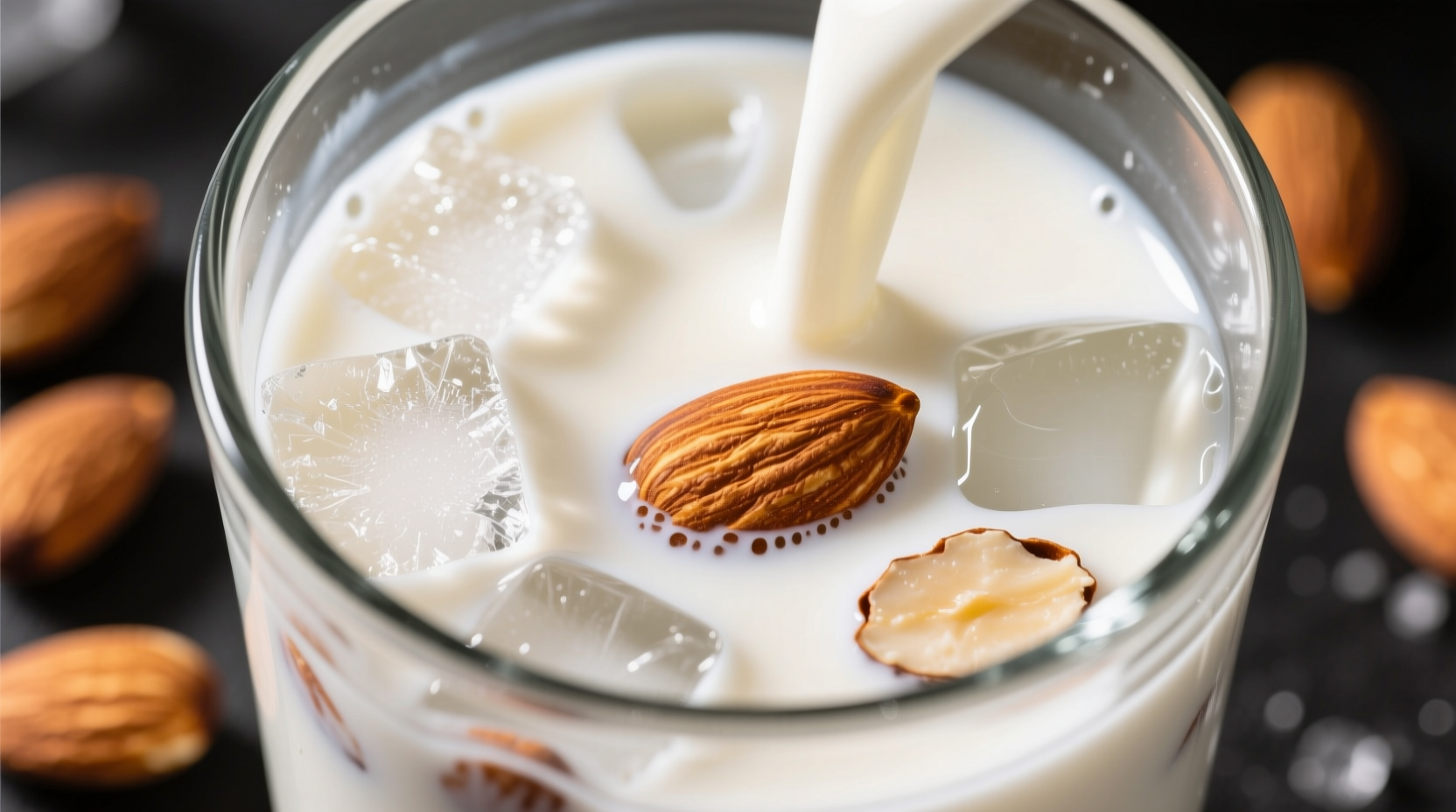
Understanding the physical changes that occur during freezing is crucial to managing expectations. Almond milk is an emulsion—a mixture of water, oils from almonds, and stabilizers. When exposed to freezing temperatures, the water component forms ice crystals, disrupting the emulsion structure. As these crystals expand, they push apart the oil and solid particles, causing visible separation upon thawing.
This process isn’t unique to almond milk—most plant-based milks behave similarly. The stabilizers (like gellan gum or carrageenan) added to commercial brands help maintain consistency under refrigeration but often fail under the stress of freezing and thawing cycles.
“Freezing disrupts colloidal suspensions in plant milks. While safe to consume post-thaw, texture degradation is nearly inevitable without specialized processing.” — Dr. Lena Patel, Food Scientist at the Institute of Sustainable Nutrition
Additionally, homemade almond milk—lacking commercial stabilizers—is even more prone to separation. Without additives to bind components together, the natural fats and solids clump and settle rapidly after thawing.
Best Practices to Minimize Texture Damage
While complete prevention of separation isn’t possible with standard home methods, several techniques can reduce its severity and make thawed almond milk usable for most applications.
Tip: Freeze almond milk in portion-sized containers to avoid repeated thawing and refreezing, which worsens texture breakdown.1. Choose the Right Container
Air and expansion are enemies of frozen liquids. Always leave at least 1 inch of headspace in any container to allow for expansion during freezing. Glass jars may crack; instead, use BPA-free plastic containers or heavy-duty freezer bags laid flat for efficient storage.
2. Portion Before Freezing
Freeze almond milk in quantities that match your typical usage—ice cube trays for smoothies, 1-cup portions for cooking, or single servings for coffee. This prevents waste and avoids partial thawing.
3. Stir or Blend After Thawing
Once thawed, vigorously shake the container. For better results, transfer to a blender and blend for 20–30 seconds. This helps re-emulsify the liquid and restore a smoother consistency.
4. Use Additives (For Homemade Variants)
If making your own almond milk, consider adding a pinch of sunflower lecithin (¼ tsp per quart) before freezing. Lecithin acts as a natural emulsifier and improves stability during temperature shifts.
Step-by-Step Guide: How to Freeze Almond Milk Properly
- Check Expiration Date: Only freeze almond milk that is fresh and within its use-by window. Never freeze spoiled or off-smelling milk.
- Portion It Out: Pour into ice cube trays, silicone molds, or small freezer-safe containers. Label each with the date and volume.
- Leave Space: Fill containers only ¾ full to allow room for expansion.
- Seal Tightly: Ensure lids are secure or use vacuum-sealed bags to prevent freezer burn.
- Freeze Flat (Optional): Lay bags flat on a tray to create space-efficient “milk bricks” that stack easily.
- Thaw Safely: Move to the refrigerator 24 hours before use. Avoid microwaving or rapid thawing, which increases separation.
- Re-blend: Shake well, then blend or whisk thoroughly before use.
Do’s and Don’ts of Freezing Almond Milk
| Do’s | Don’ts |
|---|---|
| ✔ Freeze unopened cartons only if transferring to a secondary container (original packaging isn’t designed for freezing) | ✘ Freeze directly in cardboard cartons—risk of bursting and contamination |
| ✔ Use frozen almond milk within 3 months for best quality | ✘ Store longer than 6 months—oxidation and flavor loss increase over time |
| ✔ Re-blend after thawing for improved texture | ✘ Drink straight from the container after thawing without mixing—texture will be grainy |
| ✔ Reserve thawed milk for cooking, baking, or blending | ✘ Expect it to pour like fresh milk over cereal—separation makes this impractical |
| ✔ Label containers with dates and用途 (e.g., “for soups”) | ✘ Refreeze once fully thawed—this accelerates spoilage and texture issues |
Real-World Example: Meal Prepper’s Solution
Sophia, a busy mother of two in Portland, regularly buys almond milk in bulk to save money. But she struggled with waste—often discarding half-empty cartons past their prime. After researching freezing options, she began pouring leftover milk into silicone ice cube trays labeled “smoothie cubes.” Each morning, she adds 3–4 cubes directly into her family’s breakfast smoothies. The frozen chunks blend seamlessly, and she no longer worries about spoilage.
“I was skeptical at first,” Sophia says, “but now I prep almond milk cubes every time I open a new carton. It’s saved me over $100 a year—and my kids don’t notice any difference.”
Her approach highlights a smart adaptation: aligning freezing method with end use. By accepting that thawed almond milk won’t look pristine, she leveraged freezing as a tool rather than a flaw.
When Is Frozen Almond Milk Still Usable?
Texture matters less in cooked or blended dishes. Here’s where thawed almond milk shines:
- Smoothies: Frozen cubes blend smoothly and eliminate the need for extra ice.
- Baking: Muffins, pancakes, and cakes rely on moisture, not mouthfeel—thawed milk works perfectly.
- Coffee & Tea: Stirred into hot beverages, slight graininess is barely noticeable.
- Sauces and Soups: Creamy vegan sauces (like Alfredo) benefit from reheating and blending, which masks separation.
However, avoid using thawed almond milk:
- In cold cereals where texture is front-and-center
- As a standalone drink unless thoroughly blended
- In delicate desserts like custards or puddings requiring silky consistency
Frequently Asked Questions
Does freezing destroy nutrients in almond milk?
No significant nutrient loss occurs during freezing. Vitamins like calcium and vitamin D remain stable, and protein content is unaffected. However, some phytonutrients in raw almonds may degrade slightly over long storage, though this is minimal within 3 months.
Can I freeze almond milk in its original carton?
It’s not recommended. Cardboard cartons aren’t designed for freezing and can split due to expansion. Even if intact, the inner plastic lining may compromise, risking leaks or contamination. Always transfer to a freezer-safe container first.
How long does thawed almond milk last in the fridge?
Once thawed, use within 5–7 days. Do not refreeze. Keep refrigerated and check for sour smell or curdling before use—signs of spoilage unrelated to freezing.
Expert Tips Checklist
Follow this checklist to freeze almond milk successfully:
- ☐ Use only fresh, unspoiled almond milk
- ☐ Transfer to airtight, freezer-safe containers with headspace
- ☐ Portion according to intended use (cubes, cups, etc.)
- ☐ Label with date and purpose
- ☐ Thaw slowly in the refrigerator overnight
- ☐ Blend or shake vigorously before use
- ☐ Use within 3 months for optimal quality
- ☐ Reserve for cooking, baking, or blending—not for drinking neat
Conclusion: Embrace the Limitations, Maximize the Benefits
Freezing almond milk will not preserve its original texture perfectly—that’s a reality dictated by food science. But perfection isn’t always necessary. With smart preparation and realistic expectations, freezing becomes a powerful tool to reduce waste, save money, and keep plant-based milk on hand for everyday needs.
The key is matching method to purpose. If you’re blending, baking, or heating, thawed almond milk performs admirably. If you demand barista-level silkiness in your latte, stick to fresh. By understanding the why and how behind separation, you gain control over outcomes and make informed choices in your kitchen.
💬 Have you tried freezing almond milk? What worked (or didn’t)? Share your experience below and help others make smarter, waste-free choices!