
In an era where digestive health and metabolic efficiency are central to wellness, the concept of food as medicine has never been more relevant. Among the most accessible and scientifically supported dietary tools for internal cleansing is the cabbage-based detox soup—a low-calorie, high-fiber broth that supports liver function, reduces inflammation, and promotes gentle gastrointestinal reset. Unlike extreme juice cleanses or restrictive fasting regimens, this soup leverages whole, plant-based ingredients to nourish while gently eliminating accumulated toxins. It’s not a fad; it’s functional cooking grounded in nutritional science. This article explores the formulation, benefits, variations, and practical integration of cabbage-based detox soup into a modern, health-conscious lifestyle.
Definition & Overview
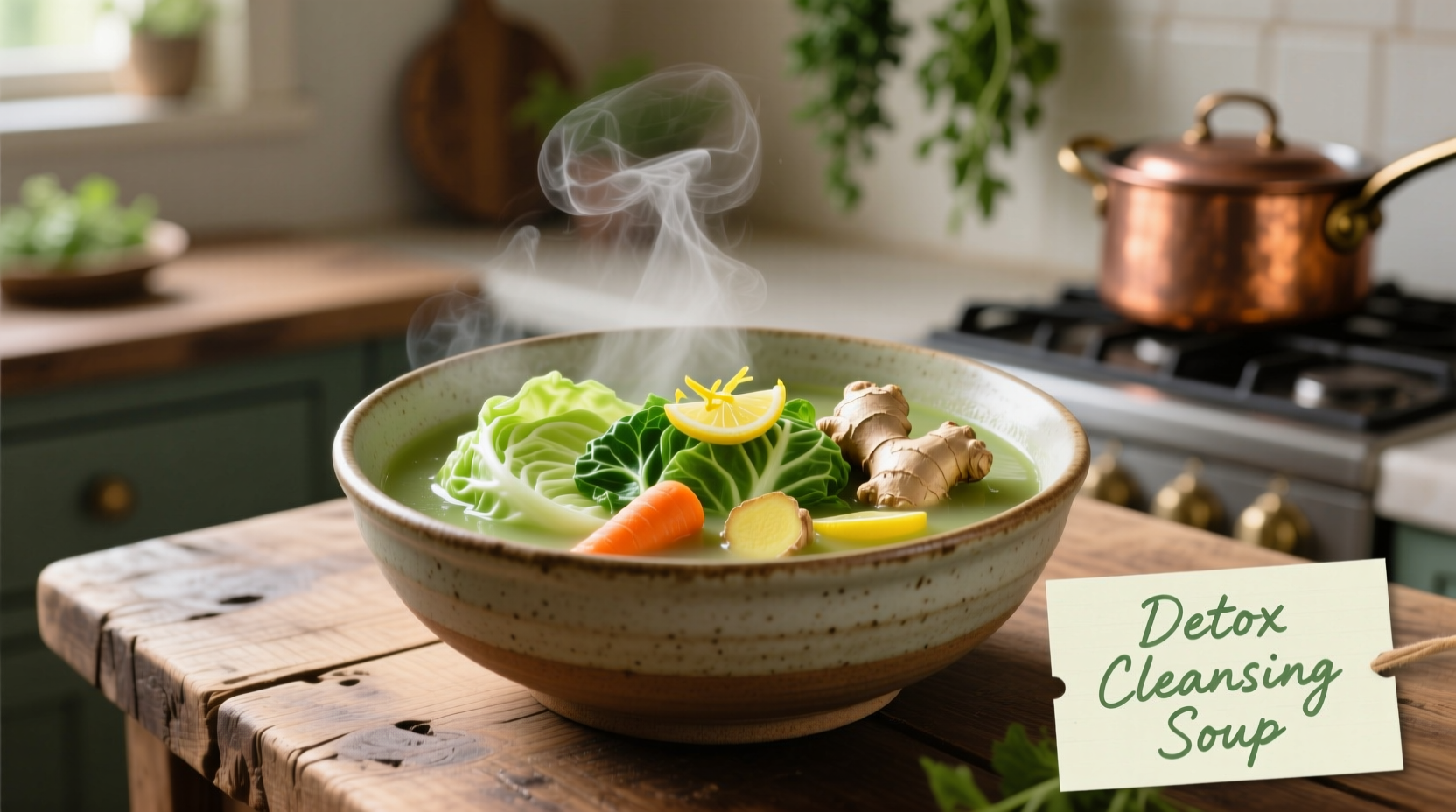
A cabbage-based detox soup is a lightly seasoned, vegetable-forward broth designed to support the body’s natural detoxification systems—primarily the liver, kidneys, and digestive tract. At its core is green cabbage, a cruciferous powerhouse rich in glucosinolates, sulfur-containing compounds shown to upregulate phase II liver detoxification enzymes. The soup typically includes a variety of vegetables such as tomatoes, onions, celery, carrots, bell peppers, and herbs like parsley and cilantro. Optional additions may include garlic, ginger, turmeric, or cayenne pepper to enhance circulation and thermogenesis.
The origins of this type of soup trace back to mid-20th-century hospital diets and early weight-loss protocols, notably the so-called “Sacred Heart Diet” or “Cabbage Soup Diet,” which gained popularity in the 1980s. While those regimens were often overly restrictive and nutritionally imbalanced, the foundational concept—using a simple, fibrous vegetable soup to reduce bloating and reset eating patterns—holds merit when applied thoughtfully. Modern iterations focus on sustainability, micronutrient density, and culinary enjoyment rather than rapid weight loss.
This soup functions both as a short-term cleanse aid (typically used for 3–7 days) and as a long-term addition to a clean-eating regimen. It is inherently vegan, gluten-free, low in sodium (when prepared without added salt), and free from processed ingredients. Its purpose is not to replace all meals indefinitely but to create metabolic space—reducing inflammatory load, improving gut motility, and encouraging mindful re-introduction of whole foods.
Key Characteristics
| Attribute | Description |
|---|---|
| Flavor Profile | Bright, earthy, slightly sweet with herbal and savory undertones. Depth increases with simmering time. |
| Aroma | Fresh vegetal notes, enhanced by aromatic herbs and spices like bay leaf, thyme, or black pepper. |
| Color & Form | Olive-green to deep amber broth with visible vegetable chunks. Texture ranges from brothy to stew-like depending on preparation. |
| Heat Level | Mild to moderate, adjustable via chili flakes, cayenne, or fresh peppers. |
| Culinary Function | Digestive reset, hydration support, anti-inflammatory action, appetite regulation. |
| Shelf Life | 5–7 days refrigerated; up to 3 months frozen. Flavor often improves after 24 hours. |
| Nutritional Highlights | High in vitamin C, K, and folate; rich in fiber; contains indole-3-carbinol and sulforaphane—potent phytochemicals. |
Practical Usage: How to Use Cabbage-Based Detox Soup
Integrating detox soup into daily life requires no drastic overhauls. The most effective approach is strategic substitution: replacing one or two heavier, processed meals per day with a bowl of this soup for 3 to 7 consecutive days. For example:
- Lunch replacement during a workweek to reduce afternoon fatigue.
- Dinner option following a period of indulgent eating (e.g., post-holiday).
- Base for intermittent fasting protocols—consumed during feeding windows to maintain satiety.
To prepare a standard batch (6–8 servings):
- In a large stockpot, heat 1 tbsp olive oil or avocado oil over medium heat.
- Add 1 diced onion, 2 chopped carrots, and 2 stalks of celery. Sauté until translucent (5–7 minutes).
- Incorporate 4 minced garlic cloves, 1 tbsp grated ginger, and optional spices (½ tsp turmeric, ¼ tsp cayenne).
- Pour in 8 cups of filtered water or low-sodium vegetable broth.
- Add 1 large diced tomato, 1 chopped green bell pepper, and 6 cups of shredded green cabbage (core removed).
- Season with 2 bay leaves, 1 tsp dried thyme, 1 tsp black pepper, and fresh herbs (parsley, cilantro).
- Simmer uncovered for 30–45 minutes until vegetables are tender but not mushy.
- Remove bay leaves. Adjust seasoning with lemon juice or apple cider vinegar for brightness.
Pro Tip: For enhanced detoxification, add ½ cup of roughly chopped broccoli stems—they contain higher concentrations of sulforaphane precursors than florets. Avoid boiling vigorously; gentle simmering preserves heat-sensitive nutrients.
For restaurant-style depth, chefs often roast onions, tomatoes, and garlic before adding them to the pot. This builds umami through caramelization without requiring meat stocks. Umami can also be boosted with a strip of kombu (a mineral-rich seaweed) added during simmering—remove before serving.
Pairing Suggestions
While the soup can stand alone, pairing it with complementary elements enhances satisfaction and nutritional balance:
- With protein: Serve alongside a small portion of grilled salmon, tempeh, or boiled egg to increase satiety and prevent muscle loss during extended use.
- With grains: Add ¼ cup of cooked quinoa or brown rice per bowl for sustained energy—ideal for active individuals.
- With fermented foods: Top with sauerkraut or kimchi (unheated) to introduce probiotics that support gut-liver axis function.
- With fats: Drizzle with cold-pressed flaxseed or hemp oil to improve absorption of fat-soluble vitamins and phytonutrients.
Variants & Types
While the classic green cabbage version remains popular, several regional and functional adaptations exist. Each variant targets different physiological goals or flavor preferences.
1. Red Cabbage Antioxidant Boost
Substitutes green cabbage with red cabbage, which contains anthocyanins—flavonoids with strong antioxidant properties. Simmer with apples, cinnamon, and lemon juice for a subtly sweet profile. Ideal for cardiovascular support and reducing oxidative stress.
2. Asian-Inspired Ginger-Turmeric Detox
Uses Napa cabbage instead of green, with shiitake mushrooms, bok choy, and a base of miso paste (dissolved at the end). Infused with fresh turmeric, lemongrass, and lime. Offers anti-inflammatory and immune-modulating effects. Miso should not be boiled to preserve live cultures.
3. Spicy Metabolic Fire Starter
Features Savoy cabbage, jalapeños, habanero (optional), and extra cayenne. Includes black pepper to activate curcumin from turmeric. Designed to mildly elevate metabolic rate and stimulate digestion. Best suited for morning or midday consumption.
4. Low-FODMAP Gut-Soothing Version
Tailored for individuals with IBS or SIBO. Omits onions, garlic, and bell peppers. Uses garlic-infused oil (fructans removed), zucchini, carrots, and bok choy. Incorporates peeled cucumber and fresh mint for cooling effect. Confirmed safe under Monash University guidelines.
5. Bone Broth Fusion (Non-Vegan)
Replaces water with organic chicken or beef bone broth. Adds collagen-supportive vegetables like daikon radish and burdock root. Enhances amino acid profile and joint support. Suitable for paleo or carnivore-leaning diets seeking plant synergy.
| Variation | Best For | Key Ingredient Swap | Special Notes |
|---|---|---|---|
| Red Cabbage | Antioxidant support | Red cabbage + apple | Rich in anthocyanins; vibrant color |
| Asian-Inspired | Inflammation reduction | Miso + Napa cabbage | Add miso off-heat; include seaweed |
| Spicy Metabolic | Thermogenesis | Jalapeño + cayenne | Use cautiously with GERD |
| Low-FODMAP | Digestive sensitivity | No onion/garlic; use infused oil | Monash-approved; soothing |
| Bone Broth Fusion | Collagen & joint health | Bone broth base | Not vegan; longer simmer (2+ hrs) |
Comparison with Similar Ingredients
Cabbage is frequently confused with lettuce, kale, and other leafy greens. However, its biochemical composition and culinary behavior differ significantly.
| Ingredient | Differences from Cabbage | When to Substitute? |
|---|---|---|
| Lettuce | Lower fiber, minimal glucosinolates, watery texture. No significant detoxifying compounds. | Only in raw salads; not suitable for soups requiring structure. |
| Kale | Higher in calcium and lutein, but more bitter. Contains goitrogens; best lightly cooked. | Can partially replace cabbage (up to 50%) for added minerals. |
| Spinach | Rich in iron and oxalates. Breaks down quickly when heated; can become slimy. | Add at the end of cooking; do not use as primary base. |
| Brussels Sprouts | Same family (Brassicaceae), similar glucosinolate profile. Denser, require longer cooking. | Chop finely and use sparingly to avoid overpowering texture. |
| Chard | Contains betalains (anti-inflammatory pigments), but high in potassium and oxalates. | Use only the stems in soup; leaves added last minute. |
“Cabbage is underrated in Western kitchens. Its ability to deliver bioactive compounds in a palatable, affordable form makes it one of the most powerful everyday vegetables for preventive health.” — Dr. Elena Torres, Integrative Nutrition Researcher, University of California, San Diego
Practical Tips & FAQs
How often should I eat detox soup?
For maintenance: 2–3 times per week as part of a balanced diet. For active cleansing: daily for 3–7 days, followed by gradual reintroduction of diverse foods. Prolonged exclusive use beyond 7 days risks nutrient deficiencies and should be medically supervised.
Can I freeze cabbage detox soup?
Yes. Cool completely, then store in airtight glass or BPA-free containers, leaving 1-inch headspace. Freeze for up to 3 months. Thaw overnight in the refrigerator and reheat gently. Some separation is normal; stir well.
Is it safe for people with thyroid conditions?
Cabbage contains goitrogens, which may interfere with iodine uptake in large quantities when raw. However, cooking deactivates most goitrogenic compounds. Moderate consumption of cooked cabbage-based soup is generally safe for individuals with hypothyroidism who consume adequate iodine (e.g., iodized salt, seafood). Consult your healthcare provider if on thyroid medication.
Why does my soup taste flat?
Common causes include insufficient seasoning, lack of acidity, or underdeveloped aromatics. Fix with: 1 tbsp lemon juice or apple cider vinegar, a splash of tamari (gluten-free soy sauce), or additional herbs. A pinch of mineral-rich sea salt can also enhance flavor without compromising detox goals.
Can I make it without oil?
Yes. Use water or broth for sautéing (\"water-sautéing\"). While oil helps extract fat-soluble nutrients (like carotenoids from carrots), the soup remains beneficial without it. Consider adding a source of healthy fat separately, such as avocado slices on the side.
What are signs the soup is working?
Expected effects include improved bowel regularity, reduced bloating, clearer skin, stabilized energy levels, and diminished cravings for sugar or processed foods. These indicate enhanced digestive efficiency and metabolic balance—not necessarily \"toxin expulsion.\"
Are there any side effects?
Some individuals experience increased gas due to raffinose sugars in cabbage. Start with smaller portions and chew thoroughly. Those on blood thinners (e.g., warfarin) should maintain consistent vitamin K intake—avoid sudden increases or decreases in cabbage consumption.
Storage Checklist:
☐ Refrigerate within 2 hours of cooking
☐ Use within 5 days or freeze immediately
☐ Label container with date
☐ Reheat to at least 165°F (74°C)
☐ Do not refreeze once thawed
Summary & Key Takeaways
Cabbage-based detox soup is more than a passing wellness trend—it is a practical application of nutritional science using accessible, affordable ingredients. Rooted in the biology of plant phytonutrients and human metabolism, it offers a gentle yet effective method to support liver function, reduce systemic inflammation, and recalibrate digestive health.
The foundation of this soup—green cabbage—is uniquely equipped with glucosinolates that convert to active compounds like sulforaphane, proven to enhance cellular detoxification pathways. When combined with synergistic vegetables and spices, the result is a meal that nourishes while promoting elimination.
Variations allow customization based on dietary needs, cultural preferences, or specific health goals—from low-FODMAP versions for sensitive guts to spicy metabolic boosters for energy enhancement. Unlike extreme cleanses, this approach prioritizes sustainability, flavor, and physiological intelligence.
Used strategically—as a short-term reset or weekly ritual—this soup empowers home cooks to take proactive control of their internal environment. It exemplifies the principle that the most powerful medicine often comes not in a bottle, but in a bowl.
Ready to Begin? Make a batch this weekend. Store it in portioned containers, and commit to one soup-based meal per day for three days. Observe changes in digestion, energy, and appetite. The results may surprise you—and inspire lasting shifts in how you view food’s role in healing.