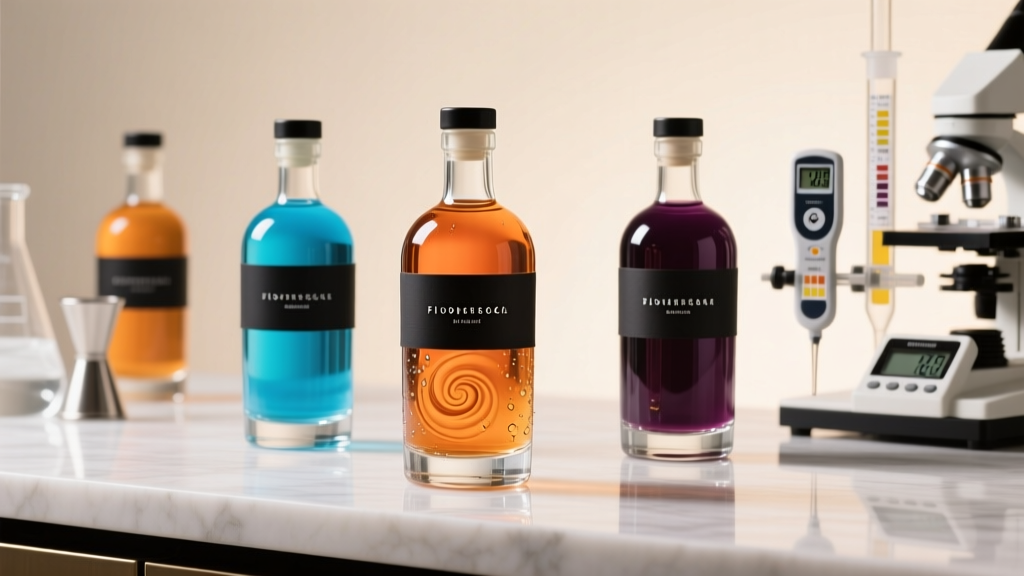
Types of Beverage Flavouring
A beverage flavouring is a key ingredient in the food and drink industry, used to enhance, modify, or replicate natural tastes in a wide variety of drinks. These flavourings can be natural, artificial, or a blend of both, and are essential in creating consistent, appealing taste profiles across carbonated drinks, juices, energy beverages, teas, and alcoholic drinks.
From refreshing citrus to warm spices, beverage flavourings play a crucial role in consumer preference, brand identity, and product innovation. Below is a detailed breakdown of the most common and popular types of beverage flavourings used by manufacturers and mixologists worldwide.
Citrus Flavours
Citrus flavours are among the most widely used in the beverage industry due to their bright, zesty, and refreshing characteristics. Derived from fruits like lemon, lime, orange, and grapefruit, these flavourings bring a lively acidity and natural sweetness that balance well in both non-alcoholic and alcoholic drinks.
Orange adds a sweet, juicy profile ideal for soft drinks and fruit punches, while lemon and lime contribute a sharp tartness perfect for enhancing clarity and refreshment in lemonades, sodas, and cocktails.
Common Applications
- Carbonated soft drinks (e.g., lemon-lime soda)
- Fruit juices and juice blends
- Energy and sports drinks
- Alcoholic beverages (e.g., margaritas, mojitos)
Popular Pairings
Berry, tropical fruits, mint, ginger, and green tea
Best for: Refreshing drinks, summer beverages, thirst-quenching formulas
Berry Flavours
Berry flavourings—such as strawberry, raspberry, and blueberry—are beloved for their natural sweetness, vibrant color, and nostalgic appeal. These flavours are especially popular in children’s drinks, smoothies, and health-focused beverages.
Strawberry brings a sweet, fruity profile often associated with fun and indulgence. Raspberry offers a more complex, slightly tart aroma that adds depth to fruit blends. Blueberry contributes a milder, earthy sweetness, making it ideal for subtle, sophisticated drinks like yogurt-based beverages and antioxidant-rich smoothies.
Common Applications
- Fruit smoothies and shakes
- Juice boxes and kids’ drinks
- Energy and functional beverages
- Dairy-based drinks and plant milks
Popular Pairings
Citrus, banana, peach, vanilla, and yogurt
Best for: Youth-oriented products, healthy smoothies, colorful drink formulations
Tropical Flavours
Tropical flavours evoke a sense of vacation and exoticism, making them highly desirable in premium and resort-style beverages. Mango, pineapple, papaya, guava, and passionfruit are staples in this category.
Mango delivers a rich, creamy sweetness with low acidity, making it perfect for smoothies and creamy lattes. Pineapple offers a balanced sweet-tart profile that enhances both non-alcoholic and alcoholic tropical cocktails. These flavours are often combined with coconut or citrus to create complex, layered taste experiences.
Common Applications
- Tropical smoothies and slushies
- Alcoholic cocktails (e.g., piña colada, mai tai)
- Fruit punch blends
- Plant-based and dairy-free beverages
Popular Pairings
Coconut, citrus, mint, banana, and rum (in alcoholic drinks)
Best for: Exotic drink lines, summer promotions, creamy and blended beverages
Mint Flavours
Mint flavouring is prized for its cooling sensation and clean, refreshing aftertaste. Peppermint and spearmint are the most commonly used varieties in beverages, offering a crisp profile that awakens the palate.
It plays a key role in mouth-refreshing drinks and is a staple in cocktails like mojitos and mint juleps. In non-alcoholic drinks, mint enhances lemonades, iced teas, and functional beverages aimed at digestion or breath freshness. It’s also used in some oral care-inspired drinks and wellness tonics.
Common Applications
- Herbal and fruit iced teas
- Cocktails and mocktails
- Mint lemonades and sparkling waters
- Functional and digestive wellness drinks
Popular Pairings
Lemon, lime, berry, cucumber, green tea, and honey
Best for: Refreshing and cooling drinks, digestive tonics, cocktail bases
Spice Flavours
Spice flavourings like cinnamon, ginger, and vanilla add warmth, depth, and complexity to beverages. They are especially popular in seasonal and comfort drinks, creating a cozy, indulgent experience.
Cinnamon is widely used in chai lattes, apple cider, and holiday-themed beverages for its sweet-spicy aroma. Ginger adds a spicy zing and is valued for its functional benefits in kombucha, ginger beer, and digestive tonics. Vanilla, though technically a pod, is often grouped with spices due to its warm, creamy character and is a key ingredient in coffee drinks, milkshakes, and dessert-inspired beverages.
Common Applications
- Chai teas and spiced lattes
- Seasonal drinks (e.g., pumpkin spice, mulled wine)
- Kombucha and fermented beverages
- Dessert-inspired drinks and milkshakes
Popular Pairings
Apple, pear, caramel, coffee, chocolate, and nutmeg
Best for: Warm beverages, seasonal products, functional and wellness drinks
| Flavour Type | Profile | Common Uses | Pairing Potential | Ideal For |
|---|---|---|---|---|
| Citrus | Bright, tart, refreshing | Sodas, juices, cocktails | Berries, mint, tropical fruits | Refreshing, everyday beverages |
| Berry | Sweet, fruity, vibrant | Smoothies, kids’ drinks, energy drinks | Yogurt, banana, citrus | Youth-focused and healthy drinks |
| Tropical | Exotic, sweet, creamy | Smoothies, cocktails, punches | Coconut, mint, citrus | Vacation-themed and premium drinks |
| Mint | Cool, crisp, refreshing | Iced teas, cocktails, functional drinks | Lemon, cucumber, green tea | Cooling and palate-cleansing drinks |
| Spice | Warm, zesty, aromatic | Chai, cider, kombucha, lattes | Apple, coffee, caramel | Seasonal and comfort beverages |
Expert Tip: When formulating beverages, consider using a blend of natural and artificial flavourings to achieve cost efficiency without sacrificing taste intensity. Always conduct sensory testing to ensure balance, especially when combining bold flavours like citrus and spice.
Key Features of Beverage Flavouring: Enhancing Taste, Quality, and Market Appeal
Beverage flavourings are essential components in the food and drink industry, enabling manufacturers to deliver consistent, appealing, and innovative taste experiences. These additives are carefully engineered to meet performance, safety, and sensory requirements across a wide range of drinks—from soft drinks and energy beverages to alcoholic cocktails and functional waters. The effectiveness of a flavouring agent depends on several critical features, including concentration, variety, consistency, ease of use, and regulatory compliance.
Core Features of Modern Beverage Flavourings
Concentration of Flavour
The potency or concentration of a flavouring is one of its most crucial attributes. High-concentration formulations allow manufacturers to achieve robust taste profiles using only small volumes—often measured in parts per million—making them cost-effective and efficient for large-scale production.
Natural flavourings, derived from plant or animal sources, typically have lower concentration levels due to the complexity of extraction processes and the presence of non-flavour compounds. In contrast, artificial or nature-identical flavourings are synthesized for maximum impact and often offer higher intensity and longer shelf life.
Alcoholic-based flavourings, such as those used in spirits or liqueurs, are particularly concentrated. Their solvent properties enhance flavour solubility and stability, allowing for precise dosing and extended storage without degradation. This high efficiency reduces raw material usage and supports sustainable manufacturing practices.
Variety of Flavours
The diversity of available flavour profiles is a major driver of innovation in the beverage industry. Flavour houses now offer thousands of options spanning fruit (citrus, berry, tropical), nut (almond, walnut), spice (cinnamon, clove), herb (mint, basil), dairy (vanilla, cream), and even exotic or fusion blends (mango-chili, cucumber-mint).
Tropical fruit flavours—such as passionfruit, guava, and lychee—are especially popular due to their sweet, creamy, and refreshing characteristics that appeal to younger demographics and align with trends in functional and exotic beverages.
Moreover, advancements in flavour chemistry have enabled the creation of complex, multi-layered taste experiences that mimic real ingredients or evoke nostalgic memories. This allows brands to differentiate themselves in a competitive market and launch limited-edition or seasonal products that capture consumer interest.
Consistency and Quality
Uniformity in taste from batch to batch is essential for brand reliability and consumer trust. Beverage flavourings are manufactured under strict quality control protocols, including standardized raw material sourcing, precise formulation, and rigorous testing for aroma, stability, and compatibility.
Advanced analytical tools like gas chromatography and sensory panels ensure that every batch matches the reference standard in both chemical composition and perceived flavour. This consistency guarantees that a soda tastes the same whether produced in January or July, or in different regions around the world.
In addition, flavourings are tested for long-term stability under various conditions (e.g., heat, light, pH changes) to prevent degradation during storage or shelf life. Antioxidants and encapsulation technologies may be used to protect sensitive compounds and maintain freshness over time.
Ease of Use and Application Flexibility
Modern beverage flavourings come in multiple formats—liquid, powder, emulsion, and spray-dried forms—making them adaptable to various production methods and beverage types. Liquid flavourings are ideal for carbonated drinks and syrups due to their rapid dispersion, while powdered forms are preferred in dry mixes or instant beverages.
Emulsified flavourings are specifically designed for cloudy drinks (like orange soda) where uniform suspension and visual appeal are important. These systems prevent oil separation and maintain a stable, homogenous appearance.
Flavourings are also formulated to perform reliably across different temperatures and pH levels, ensuring compatibility with hot-fill processes, cold brewing, alcoholic bases, and plant-based beverages. This versatility streamlines manufacturing and reduces the need for reformulation when launching new product lines.
Regulatory Compliance and Safety
All beverage flavourings must comply with stringent food safety regulations established by global authorities such as the U.S. FDA, EFSA in Europe, and JECFA under the WHO/FAO. These regulations govern the permissible ingredients, maximum usage levels, and toxicological evaluation of flavour substances.
Approved flavourings undergo extensive safety assessments, including studies on metabolism, allergenicity, and chronic exposure risks. Only substances deemed safe for human consumption are included in official lists like the FDA’s GRAS (Generally Recognized As Safe) or the EU’s Flavouring Substances List.
Manufacturers are required to maintain full traceability and documentation, ensuring transparency in sourcing and production. This not only protects consumer health but also supports clean-label initiatives and builds confidence in branded products.
| Feature | Importance | Industry Applications |
|---|---|---|
| High Concentration | High | Reduces costs, ideal for large-scale production and premium spirits |
| Flavour Variety | High | Enables innovation in RTD beverages, energy drinks, and functional waters |
| Batch Consistency | High | Critical for global brands maintaining uniform taste across markets |
| Multiple Formulations (Liquid/Powder/Emulsion) | Medium-High | Suitable for carbonated drinks, powdered mixes, and dairy alternatives |
| Regulatory Approval | Essential | Mandatory for market access in North America, EU, Asia, and other regions |
Best Practices for Selecting and Using Beverage Flavourings
Important: Always verify that the flavouring you select complies with local food safety regulations and is approved for the specific beverage category (e.g., alcoholic vs. non-alcoholic). Using unapproved or improperly labeled ingredients can result in product recalls, legal penalties, and damage to brand reputation. Work closely with certified suppliers who provide full documentation, including Certificates of Analysis (CoA) and safety data sheets (SDS).
How to Choose Beverage Flavouring
Selecting the right beverage flavouring is a crucial step in developing a successful drink product. With a vast array of natural and artificial options available, making an informed decision ensures your beverage meets consumer expectations for taste, safety, stability, and market relevance. Below are key considerations that can guide you through the selection process effectively.
Target Market Preferences
Understanding your audience is the foundation of flavour selection. Consumer preferences vary significantly based on age group, regional tastes, cultural background, and lifestyle trends.
- Youth and teens often favor bold, sweet flavours like fruit punch, blue raspberry, or sour apple
- Adults may prefer sophisticated profiles such as citrus blends, herbal infusions, or coffee-inspired notes
- Elderly consumers typically appreciate milder, familiar flavours like honey lemon or ginger tea
- Health-conscious buyers lean toward clean-label, naturally derived options like elderflower, cucumber, or cold-brew vanilla
Pro insight: In Asian markets, lychee, matcha, and yuzu are popular, while tropical fruits dominate in Latin America. Always align your flavour with local palates.
Compatibility with Beverage Base
The interaction between flavouring and the drink’s base—whether carbonated water, juice, dairy, tea, or plant-based milk—can dramatically affect taste, texture, and appearance.
- Creamy flavours like vanilla, caramel, or hazelnut blend seamlessly into smoothies, lattes, or protein shakes but may separate or taste flat in sparkling water
- Spicy or pungent flavours such as ginger, turmeric, or cinnamon can alter colour and clarity, especially in transparent beverages
- Acidic bases (like citrus juices) may intensify sour notes or degrade sensitive flavour compounds over time
- Dairy or plant proteins can bind with certain aroma molecules, muting the perceived intensity
Key tip: Conduct solubility and pH compatibility tests early in development to avoid off-notes or precipitation issues.
Formulation and Sensory Testing
Aroma does not always translate to taste. A flavouring that smells appealing in its concentrated form may become unbalanced or weak when diluted in the final product.
- Always perform benchtop trials using the actual production method and ingredients
- Test at various concentrations to find the optimal dosage—too little results in blandness, too much can be overpowering or artificial-tasting
- Adjust for aftertaste, mouthfeel, and flavour release (immediate vs. lingering)
- Use trained sensory panels or consumer focus groups for objective feedback
Expert advice: Consider micro-encapsulation or emulsified forms for better dispersion and controlled release in complex formulations.
Shelf Life and Stability
Flavour longevity directly impacts product quality and customer satisfaction. Some compounds degrade faster due to heat, light, oxygen, or chemical interactions.
- Natural flavourings (e.g., essential oils, fruit extracts) are more prone to oxidation and microbial growth, reducing shelf life
- Artificial or nature-identical flavours generally offer better stability and consistency across batches
- Light-sensitive compounds (like citrus oils) require amber bottles or UV-protected packaging
- pH levels, preservatives, and antioxidants in the base can extend or shorten flavour viability
Critical note: Accelerated aging tests (e.g., storing samples at elevated temperatures) help predict long-term performance before launch.
Regulatory and Labeling Compliance
Flavourings must meet food safety standards and legal requirements in every target market. Non-compliance can lead to recalls, fines, or import bans.
- In the U.S., FDA regulations govern GRAS (Generally Recognized As Safe) status for flavour ingredients
- The EU enforces strict labelling under Regulation (EC) No 1334/2008, requiring clear distinction between natural, nature-identical, and synthetic flavours
- Organic-certified beverages must use compliant natural flavourings without synthetic carriers or solvents
- Some countries restrict specific allergens or GMO-derived components in flavour systems
Must-do: Verify INCI names and supplier documentation to ensure full traceability and compliance.
Cost and Supply Chain Reliability
Balancing quality with cost-efficiency is vital, especially for scalable production. Natural ingredients often come with price volatility and sourcing challenges.
- Natural vanilla extract can fluctuate widely in price due to crop yields in Madagascar
- Synthetic alternatives (e.g., vanillin) offer consistent supply and lower cost but may not appeal to clean-label seekers
- Seasonal fruits or rare botanicals may limit year-round availability
- Long shipping routes increase risk of spoilage for sensitive liquid concentrates
Strategic move: Develop dual-sourcing strategies or use standardized flavour systems from reputable suppliers for consistency.
Professional Recommendation: Start with well-established, application-specific flavour systems from trusted manufacturers. For new product development, begin with small batch trials focusing on sensory balance and stability. Prioritize transparency—know exactly what’s in your flavouring, how it behaves, and whether it aligns with your brand promise (natural, organic, halal, kosher, etc.). When targeting global markets, partner with local experts to navigate regional preferences and regulatory landscapes.
| Product Type | Recommended Flavour Category | Best Base Compatibility | Shelf Life Expectation |
|---|---|---|---|
| Energy Drink | Fruit-forward (berry, citrus, tropical) | Carbonated water + taurine/B-vitamins | 18–24 months |
| Plant-Based Milk | Creamy (vanilla, chocolate, caramel) | Oat, almond, soy bases | 9–12 months (refrigerated) |
| Functional Water | Subtle herbal (cucumber, mint, ginger) | Purified still/sparkling water | 12–18 months |
| Kids’ Juice Box | Bold fruity (apple-strawberry, orange-mango) | Fruit juice blends | 12 months (aseptic packaging) |
Additional Best Practices
- Use High-Quality Carriers: Propylene glycol, triacetin, or ethanol should be food-grade and appropriate for the delivery system
- Monitor Cold Chain Integrity: Temperature-sensitive flavourings require refrigerated storage and transport
- Avoid Over-Flavouring: Excessive concentration can lead to sensory fatigue or regulatory non-compliance
- Document Everything: Maintain batch records, certificates of analysis (COA), and allergen statements
- Stay Trend-Aware: Emerging flavours like adaptogens (ashwagandha), nootropics, or fermented profiles (kombucha, kefir) are gaining traction
Scenarios for Beverage Flavouring
Flavourings are incredibly versatile and play a crucial role in shaping the taste profiles of a wide range of beverages. From mass-produced soft drinks to artisanal cocktails, flavourings allow manufacturers and home mixologists alike to enhance, replicate, or invent unique tastes. Below are several common applications for beverage flavouring, highlighting how they transform drinks across different categories.
Did You Know? Over 90% of flavoured beverages on the market use either natural or artificial flavourings to achieve consistent taste, especially when natural ingredients vary in seasonality and quality.
1. Soft Drinks
Soft drinks represent the most widespread and recognizable use of beverage flavourings. Without them, carbonated beverages would essentially be sweetened water with little character.
Flavourings are used to recreate classic fruit profiles such as orange, lemon, and cherry, mimicking traditional juices and squash drinks. They also enable the creation of complex, signature blends like cola, root beer, and cream soda—flavours that cannot be achieved with fruit alone.
Moreover, modern innovation in beverage flavouring has led to exotic and imaginative profiles such as blue raspberry, tropical punch, and energy drink blends, pushing the boundaries of consumer taste experiences.
2. Alcoholic Beverages
Flavourings are integral to the production of many alcoholic drinks, particularly liqueurs, spirits, and flavoured beers. They provide consistency, depth, and market appeal.
Fruit-based flavourings are used to craft popular liqueurs such as peach schnapps, raspberry brandy, and melon liqueur. These are often made by infusing neutral spirits with concentrated flavour compounds to ensure uniformity across batches.
Spice-derived flavourings—like clove, aniseed, cardamom, and coriander—are essential in spirits such as gin, akvavit, and ouzo, contributing to their distinctive aromatic profiles. Interestingly, while mint, vanilla, and chocolate are highlighted here for their role in beverages, they are also among the most popular candle scents, showcasing their broad sensory appeal across product types.
3. Dairy and Non-Dairy Drinks
In both traditional dairy and plant-based alternatives, flavourings are key to creating appealing, consistent products that consumers love.
Vanilla, chocolate, and coffee are among the most popular flavours in milk, yogurt drinks, and milkshakes. These same flavour profiles are replicated in non-dairy alternatives such as almond, soy, oat, and coconut milk, helping bridge the taste gap for consumers transitioning from dairy.
Fruit flavours like banana, strawberry, mango, and mixed berry are standard in smoothies and ready-to-drink shakes, whether or not real fruit is included. Flavourings ensure a bold, consistent taste even when fresh fruit is out of season or too costly for large-scale production.
Note: While vanilla and chocolate are frequently used as dairy candle scents due to their warm, comforting aroma, their flavour profiles are equally beloved in beverages, demonstrating the crossover between olfactory and gustatory appeal.
4. Juices and Juicy Beverages
Natural and nature-identical flavourings are widely used in juice production to enhance and standardize taste. Even products labeled as "100% juice" may include added flavourings to restore taste lost during pasteurization and storage.
For example, apple juice is often enhanced with a touch of orange flavouring to create a more vibrant apple-orange blend, improving complexity and consumer appeal. Similarly, orange juice may be subtly flavoured with lemon and lime compounds to achieve a refreshing citrus profile reminiscent of lemon-lime sodas.
These enhancements help maintain a consistent flavour year-round, regardless of variations in fruit harvests, growing conditions, or processing methods.
5. Tea and Coffee Beverages
Flavourings are extensively used in both tea and coffee to create diverse taste experiences and signature drinks.
In coffee, flavourings are most commonly found in syrups and creamers, allowing cafes and households to easily customize beverages. Popular options include vanilla, caramel, hazelnut, and seasonal flavours like pumpkin spice. These syrups ensure consistent flavour replication across servings and locations.
In tea, flavourings are essential for crafting blends such as chai spice latte, where notes of cinnamon, ginger, clove, and cardamom are combined for a warm, spiced profile. Many herbal and fruit teas also rely on added flavourings to intensify or balance natural notes, especially when the base ingredients have subtle or inconsistent taste.
| Beverage Type | Common Flavourings | Purpose of Flavouring | Examples |
|---|---|---|---|
| Soft Drinks | Fruit, cola, root beer, cream, exotic blends | Create signature tastes and enhance sweetness | Cola, lemon-lime soda, energy drinks |
| Alcoholic Beverages | Fruit, spice, mint, vanilla, chocolate | Add character and consistency to spirits and liqueurs | Gin, peach schnapps, akvavit |
| Dairy & Plant-Based | Vanilla, chocolate, coffee, fruit | Improve palatability and mask off-notes | Chocolate almond milk, strawberry smoothie |
| Juices | Natural fruit essences (orange, lemon, lime) | Enhance natural taste and ensure consistency | Apple-orange juice, citrus blends |
| Tea & Coffee | Spice, vanilla, caramel, herbal, fruit | Customize profiles and create seasonal offerings | Chai latte, vanilla syrup, pumpkin spice coffee |
Expert Tip: When developing or selecting flavoured beverages, consider the synergy between aroma and taste. Flavourings that double as popular candle scents—like vanilla, citrus, and mint—often have broad consumer appeal because they engage both smell and taste in a harmonious way.
Conclusion
Beverage flavourings are indispensable in modern drink production, enabling consistency, innovation, and sensory richness across soft drinks, alcoholic beverages, dairy alternatives, juices, and hot drinks. Whether enhancing natural flavours or creating entirely new taste experiences, they offer unmatched versatility and consumer appeal. Understanding their applications helps both producers and consumers appreciate the science and art behind every sip.
Frequently Asked Questions About Beverage Flavorings
Q1: What exactly are beverage flavourings made of?Beverage flavourings are complex blends designed to deliver specific taste profiles, and they typically consist of both natural and synthetic components. Natural flavourings are derived from real sources such as fruits, spices, herbs, seeds, and botanicals. These are usually extracted using solvents like ethanol or water to capture essential oils and aromatic compounds.
In contrast, synthetic flavourings are chemically engineered in laboratories to mimic natural tastes. Common chemical compounds used include esters (which provide fruity notes), aldehydes (often responsible for citrus or floral aromas), and ketones (which can add buttery or creamy characteristics). These lab-created ingredients allow manufacturers to produce consistent, cost-effective, and stable flavours that may be difficult or expensive to extract naturally.
Many commercial flavourings combine both natural and synthetic elements to achieve a balanced, robust, and long-lasting taste while maintaining product consistency across batches.
Q2: Are there substances in beverage flavouring that can trigger allergic reactions?Yes, certain beverage flavourings may contain allergens such as tree nuts, peanuts, dairy derivatives, gluten-containing grains, or sulfites. While not all flavourings include these, manufacturers are required by food safety regulations (such as FDA labeling laws in the U.S.) to clearly declare any known allergens present in the product.
For example, a vanilla extract might be processed with alcohol derived from wheat, posing a risk to those with gluten sensitivity. Similarly, nut-based extracts or coconut-derived flavourings could affect individuals with nut allergies. Even trace amounts used for aroma enhancement must be disclosed if they are recognized allergens.
Manufacturers often use a combination of artificial, natural, and synthetic compounds in a single flavouring blend, increasing the complexity of ingredient sourcing. Consumers with allergies should always read labels carefully and, when in doubt, contact the manufacturer for full disclosure of ingredients and cross-contamination risks.
Q3: Why are drink flavouring additives used in zero-calorie and diet drinks?Zero-calorie and diet beverages lack sugar, which not only provides sweetness but also contributes body, mouthfeel, and balance to the overall flavour profile. To compensate, manufacturers use high-intensity sweeteners like aspartame, sucralose, or stevia, which are much sweeter than sugar but can leave an aftertaste or feel thin on the palate.
Flavouring additives play a crucial role in masking undesirable aftertastes and enhancing the perception of natural sweetness and fullness. They help create a more rounded, satisfying taste experience that closely resembles sugary drinks. For instance, adding a hint of citrus or berry flavour can trick the brain into perceiving more sweetness, even without added sugar.
By combining sweeteners with carefully formulated flavourings, producers can replicate the complexity of fruit juices or classic soft drinks—offering rich, authentic-tasting beverages with minimal or no calories, making them ideal for health-conscious consumers.
Q4: How can beverage flavouring be preserved for future use?Proper storage is essential to maintain the potency, aroma, and shelf life of beverage flavourings. The method varies slightly depending on the type:
- Liquid flavourings: Store in dark glass or food-grade plastic bottles with tight-sealing caps. Keep in a cool, dark place away from heat and sunlight—similar to storing essential oils or wine. Exposure to light and heat can degrade volatile compounds and alter the flavour.
- Powdered flavourings: Use airtight containers to prevent moisture absorption, which can cause clumping or microbial growth. Store in a dry, temperature-controlled environment to preserve stability.
- Emulsion-based flavourings: These water-oil blends require extra care. Always keep them sealed and stored in a cool area to prevent separation or spoilage. Shake well before use to recombine ingredients.
Most flavourings have a shelf life of 1–3 years when stored properly. Always check for changes in colour, smell, or consistency, as these may indicate degradation or contamination.
Q5: What is the reason behind flavouring the mouth freshener based on coffee and tea?Coffee- and tea-based mouth fresheners use targeted flavourings to enhance sensory appeal and improve taste perception. These products often start with a base of natural coffee or tea extracts but are enhanced with additional flavour compounds to intensify aroma, reduce bitterness, and create a more luxurious experience.
For example, adding vanilla flavouring to an espresso-based breath freshener not only adds sweetness but also smooths out harsh notes, resulting in a richer, more balanced profile—sometimes described as having a "strong mint" character when combined with cooling agents. This transformation makes the product more palatable and refreshing.
Moreover, synthetic or concentrated flavourings allow manufacturers to achieve consistent taste profiles that go beyond what natural brewing alone can offer. This is especially important in specialty formulations where a sweeter, smoother, or more exotic taste is desired for premium positioning and consumer satisfaction.
Q6: Can beverage flavouring be used in both hot and cold drinks?Absolutely. One of the key advantages of modern beverage flavourings is their thermal stability. High-quality formulations are designed to remain effective across a wide temperature range, making them suitable for everything from iced teas and smoothies to hot chocolates and lattes.
In cold applications, the flavouring disperses evenly and provides a crisp, refreshing taste. In hot beverages, heat helps volatilize aromatic compounds, enhancing the scent and depth of flavour. This versatility allows drink manufacturers and home users alike to use the same flavouring across multiple product lines without reformulation.
Additionally, this consistency reduces inventory complexity and production costs, making flavourings a practical and efficient choice for commercial and personal use in diverse beverage types.
Q7: Do flavourings in drinks aid in the enhancement of their appearance?Yes, many flavourings contribute not only to taste but also to visual appeal. Some natural and synthetic flavour compounds possess inherent pigments or interact with other ingredients to influence colour and texture.
For example, vanilla and cinnamon flavourings can impart a warm, creamy hue to coffee or milk-based drinks, enhancing the perception of richness. Similarly, fruit-derived flavourings like mango, passion fruit, or raspberry often carry natural yellow, orange, or red tones that make smoothies, sodas, or cocktails appear more vibrant and appetizing.
This visual enhancement plays a significant role in consumer perception—brighter, more colourful drinks are often perceived as fresher, tastier, and higher quality. In fact, stronger colourants or flavourings with natural tints can transform a dull-looking beverage into an eye-catching product, improving its marketability and appeal, especially in retail and hospitality settings.