There are few comfort foods as universally satisfying as a perfectly baked potato crowned with a pool of molten, golden cheese. This humble dish transcends its simplicity, offering a balance of textures and flavors that resonate across generations and culinary traditions. Whether served as a hearty side or elevated into a main course with strategic toppings, the baked potato with melty cheese remains a cornerstone of American home cooking and diner menus alike. Understanding how to execute it properly—selecting the right potato, mastering the bake, choosing complementary cheeses, and layering flavors thoughtfully—transforms an everyday meal into something memorable. For home cooks seeking reliability and depth in their weeknight rotations, this dish offers both accessibility and room for creativity.
Definition & Overview
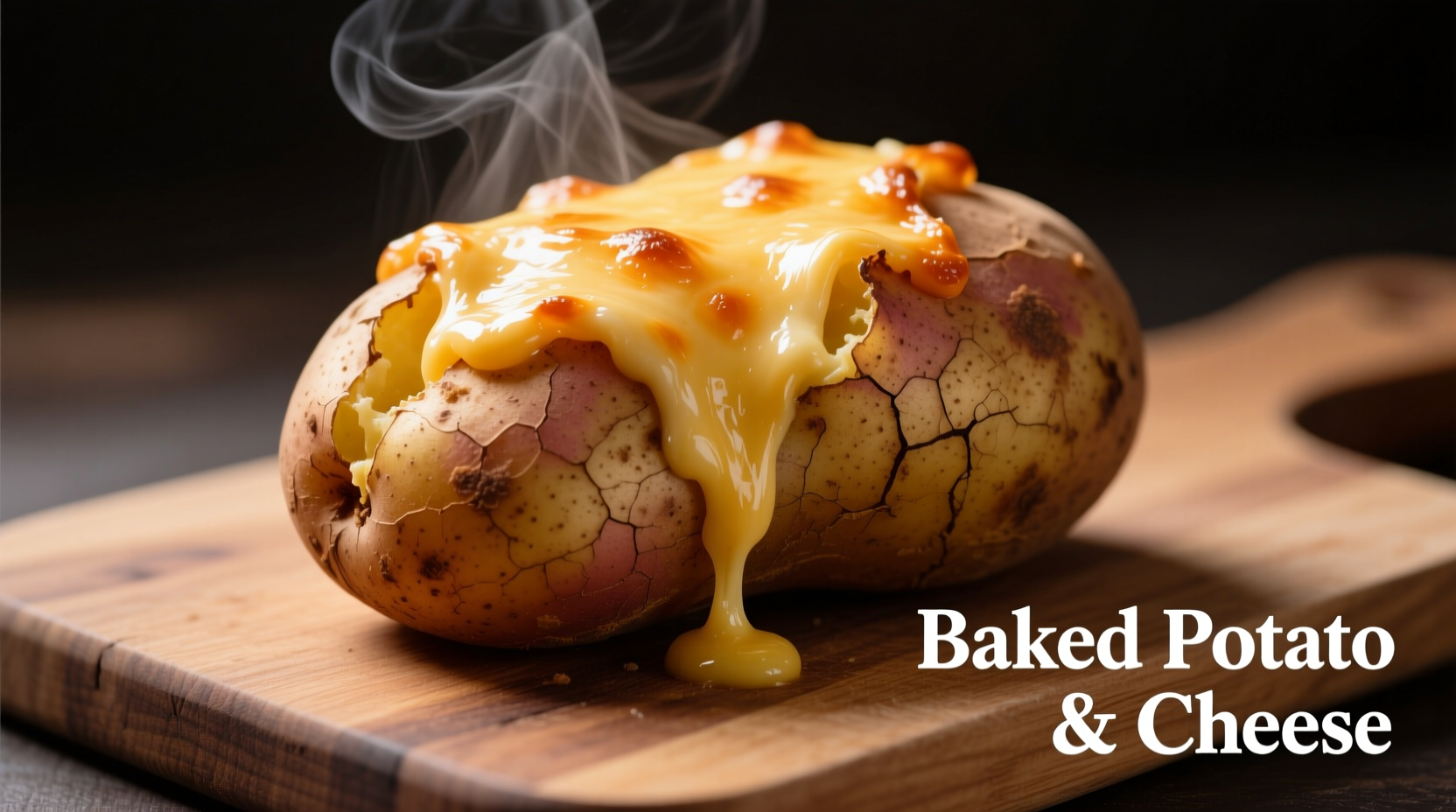
A baked potato topped with melty cheese is a preparation in which a whole potato—typically a russet—is oven-baked until tender, split open, and generously covered with cheese that melts from the residual heat of the potato. The result is a creamy interior contrasted by a crisp skin, enriched by the savory, gooey embrace of melted dairy. While often associated with American cuisine, particularly Midwestern and Southern cooking styles, the concept echoes global traditions of roasted tubers enhanced with fat and salt. In this case, cheese serves not just as flavor but as a textural catalyst, creating a luxurious mouthfeel that elevates the naturally earthy sweetness of the potato.
The dish functions both as a side and a canvas. Its neutrality allows it to pair seamlessly with grilled meats, roasted vegetables, or stews, while also supporting bold additions like bacon, sour cream, chives, or chili. At its core, however, the integrity of the dish hinges on two elements: the quality of the baked potato and the meltability and flavor profile of the cheese used. Mastery lies not in complexity but in precision—temperature control, timing, and ingredient synergy.
Key Characteristics
| Characteristic | Description |
|---|---|
| Flavor Profile | Earthy, mildly sweet base (potato) balanced by salty, umami-rich cheese; can be adjusted with toppings for tang, smoke, or heat. |
| Aroma | Toasted starch, warm milk solids, nutty browning from Maillard reaction on cheese surface. |
| Texture | Crisp outer skin, fluffy interior, smooth and stretchy melted cheese layer. |
| Color | Tan to golden brown skin; bright white to amber cheese depending on type and browning level. |
| Heat Level | None inherently, though spicy cheeses or add-ons (jalapeños, hot sauce) can introduce heat. |
| Culinary Function | Side dish, base for loaded variations, vegetarian main when paired with proteins like beans or eggs. |
| Shelf Life | Best consumed immediately; leftovers keep refrigerated up to 3 days but lose optimal texture. |
Practical Usage: How to Make the Perfect Baked Potato with Melty Cheese
Creating an exceptional baked potato with melty cheese begins long before the oven. It starts with selection, progresses through technique, and culminates in intelligent topping strategy. Follow these steps to ensure consistent results:
- Select the right potato: Russet potatoes are ideal due to their high starch content, thick skin, and low moisture. They yield a light, fluffy interior when baked. Avoid waxy varieties like red or fingerling potatoes, which retain more water and don��t achieve the same fluffiness.
- Prep the potato properly: Scrub the potato under running water to remove dirt. Dry thoroughly—moisture on the skin impedes crisping. Pierce deeply 4–6 times with a fork to allow steam to escape during baking, preventing rupture.
- Oil and season the skin: Rub the exterior lightly with neutral oil (such as canola or grapeseed) and sprinkle with coarse salt. This promotes a crisp, flavorful crust. Some chefs brush with olive oil for added aroma, though it has a lower smoke point.
- Bake at the correct temperature: Preheat oven to 400°F (200°C). Place potatoes directly on the middle rack or on a lined baking sheet. Bake for 50–70 minutes, depending on size, until internal temperature reaches 205–210°F (96–99°C). A skewer should slide in with no resistance.
- Rest before opening: Remove from oven and let rest 5 minutes. This stabilizes the structure and makes fluffing easier without collapsing.
- Split and fluff: Use a knife to cut a deep cross down the center. Gently squeeze the ends toward the middle to open. Fluff the interior with a fork, creating channels for butter and cheese absorption.
- Add fat first: Place a pat of unsalted butter (½–1 tbsp per medium potato) into the steaming interior. Let it melt slightly—this enhances richness and helps emulsify the cheese as it melts.
- Top with cheese immediately: Sprinkle shredded cheese evenly over the exposed flesh while the potato is still hot. Cover loosely with foil for 2–3 minutes to encourage even melting without drying out.
Pro Tip: For deeper flavor, substitute half the butter with a teaspoon of rendered bacon fat or garlic-infused butter. The aromatic notes will carry through the entire bite.
Professional Techniques for Enhanced Results
In restaurant kitchens, small adjustments elevate this dish beyond home expectations:
- Steam finish: After baking, briefly wrap in foil and return to a warm oven for 10 minutes. This redistributes moisture evenly, enhancing fluffiness.
- Double-melt method: Melt cheese directly on the potato, then place under a broiler for 1–2 minutes to create a golden, slightly blistered top. Monitor closely to avoid burning.
- Temperature stacking: Serve on pre-warmed plates to maintain heat throughout the meal, especially important when serving multiple portions.
Variants & Types
While the classic version uses a russet and cheddar, numerous variations exist based on potato type, cheese choice, and cultural interpretation. Each brings distinct qualities suited to different meals and preferences.
By Potato Type
| Potato Variety | Texture | Best For | Notes |
|---|---|---|---|
| Russet | Fluffy, dry | Traditional baked potato | Ideal for maximum cheese absorption and structural integrity |
| Sweet Potato | Creamy, moist | Savory-sweet combinations | Pairs well with smoked gouda or goat cheese; skin less crisp |
| Yukon Gold | Buttery, dense | Richer, velvety texture | Higher moisture limits crisp skin; excellent with fontina or gruyère |
By Cheese Type
The choice of cheese dramatically alters the character of the dish. Consider these options:
- Cheddar (mild to sharp): Most common. Offers tang and reliable melt. Sharp cheddar adds punch; mild blends smoothly.
- Monterey Jack: Extremely melty with mild flavor. Ideal base for blending with bolder cheeses.
- Pepper Jack: Jack infused with jalapeños. Adds gentle heat and visual appeal.
- Gruyère: Nutty, complex, and excellent melt. Elevates the dish toward gourmet status.
- Mozzarella: Mild and stretchy, but lacks depth. Best combined with stronger cheeses.
- Blue Cheese (e.g., Gorgonzola): Intense, pungent. Use sparingly as a finisher rather than primary melt.
- Smoked Gouda: Adds depth and aroma. Pairs exceptionally well with sweet potatoes or bacon-topped versions.
Blending Cheeses: Combine two cheeses—one for melt (Jack), one for flavor (cheddar or blue)—to achieve both texture and taste balance. A 60/40 ratio works well.
Comparison with Similar Dishes
The baked potato with melty cheese is often confused with other potato-based preparations. Understanding distinctions ensures proper execution and expectation management.
| Dish | Base Preparation | Cheese Application | Key Difference |
|---|---|---|---|
| Baked Potato with Cheese | Whole potato, oven-baked | Melted on hot interior | Intact structure, emphasis on skin and fluffiness |
| Twice-Baked Potato | Potato flesh removed, mixed, rebaked | Integrated into filling and topping | More labor-intensive; custard-like interior |
| Potato Gratin | Sliced potatoes in cream, slow-baked | Layered and baked throughout | Entirely different technique; rich, saucy casserole |
| Loaded Fries | Fried potato strips | Melted on fries post-fry | Different base form; crisp throughout, no skin focus |
Note that while all involve potatoes and cheese, only the baked version emphasizes the interplay between unbroken skin and steam-driven fluffiness. Substitutions may satisfy hunger but fail to replicate the sensory experience.
Practical Tips & FAQs
How do I know when a baked potato is done?
Insert a thin skewer or paring knife into the thickest part. It should slide in with zero resistance. Alternatively, use an instant-read thermometer: 205–210°F (96–99°C) indicates full gelatinization of starch, ensuring maximum fluffiness.
Can I bake potatoes ahead of time?
Yes, but with caveats. Fully bake, cool, and store in the refrigerator for up to two days. Reheat in a 350°F (175°C) oven for 20–25 minutes until heated through, then proceed with topping. Avoid microwaving for reheating if crisp skin is desired.
Why should I pierce the potato before baking?
Piercing prevents steam buildup inside the potato, which can cause it to explode in the oven. It’s a simple safety and structural step that takes seconds but prevents mess and waste.
Is microwaving a viable shortcut?
Microwaving cuts cooking time significantly (5–8 minutes per potato) but sacrifices texture. The skin remains soft and soggy, and the interior can become gummy. For best results, microwave for 5 minutes, then finish in a 400°F oven for 20 minutes to crisp the skin.
What’s the best way to shred cheese for melting?
Grate your own from a block. Pre-shredded cheese contains anti-caking agents (like cellulose) that inhibit smooth melting. Freshly grated cheese melts more evenly and tastes fresher.
Can I make this dish vegetarian or vegan?
Absolutely. Use plant-based butter and dairy-free cheese alternatives made from cashew, almond, or coconut bases. Look for brands formulated to melt (e.g., Miyoko’s, Violife). Nutritional yeast can enhance umami.
How much cheese should I use?
A general rule: ½ cup shredded cheese per medium potato (about 8 oz). Adjust based on preference, but avoid overloading, which can overwhelm the potato’s natural flavor.
What are ideal pairings?
This dish complements:
- Grilled steak or pork chops
- Roasted chicken or turkey
- Chili (especially vegetarian three-bean)
- Simple green salad with vinaigrette
- Steamed broccoli or sautéed greens
\"The secret to a great cheese-topped baked potato isn't just the cheese—it's respecting the potato. Let it breathe in the oven, give it space, and don't rush the bake. Everything else follows.\" — Chef Elena Ruiz, Executive Chef at Hearth & Vine
Summary & Key Takeaways
The baked potato topped with melty cheese is deceptively simple but technically nuanced. Success depends on understanding each component’s role and optimizing conditions for texture and flavor development. Key points include:
- Russet potatoes are the gold standard for baking due to their starch content and skin integrity.
- Baking at 400°F for 50–70 minutes yields optimal fluffiness and crisp skin.
- Always pierce the potato before baking to prevent bursting.
- Use freshly grated cheese for superior melt and flavor.
- Apply cheese immediately after opening the potato to harness residual heat.
- Combine cheeses for balanced flavor and texture—e.g., cheddar for taste, Jack for melt.
- Avoid pre-shredded cheese due to anti-caking additives that hinder melting.
- Pair with robust proteins or hearty stews to round out the meal.
Final Thought: Don’t underestimate the power of a well-executed baked potato. It’s more than a side—it’s a lesson in patience, balance, and the alchemy of basic ingredients transformed by heat and attention. Master this dish, and you’ve mastered a fundamental principle of cooking: simplicity, done right, is unforgettable.