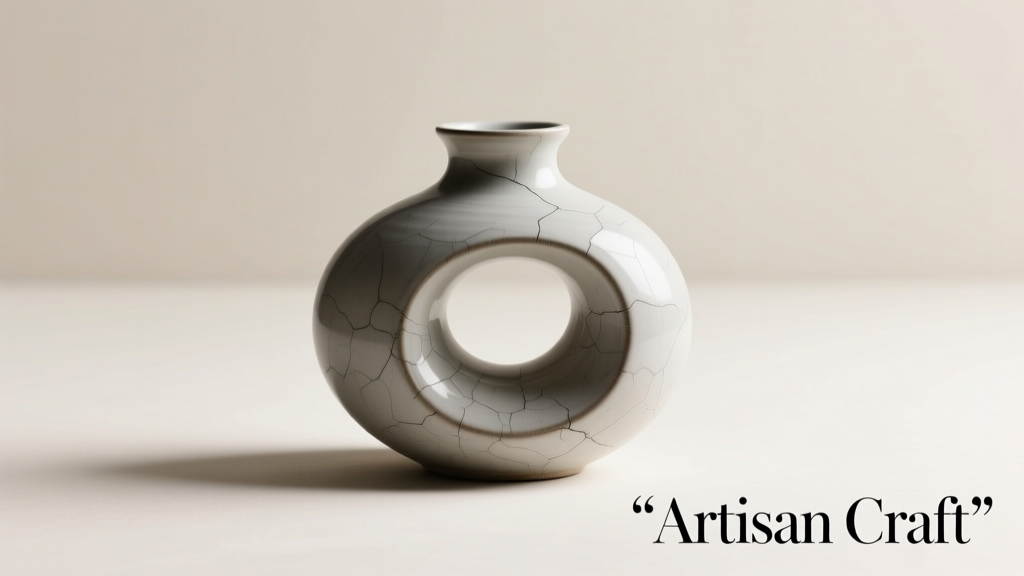
Types of Art Tea Matcha Sets
An Art Tea Matcha Set is more than just a collection of tea tools—it’s a harmonious blend of tradition, craftsmanship, and aesthetic expression. These sets are designed to elevate the matcha experience, combining functionality with cultural significance. Whether you're a beginner or a seasoned tea enthusiast, understanding the different types of matcha sets by function, material, and design can help you choose the perfect set for your lifestyle and preferences.
By Function: Purpose-Driven Matcha Sets
Depending on your needs—whether you're preparing, serving, or fully immersing in the tea ceremony—different functional sets offer tailored experiences.
Complete Matcha Sets
Ideal for those seeking a comprehensive tea experience, these sets include everything needed to prepare and serve matcha traditionally.
Benefits
- Includes all essential tools: chasen (bamboo whisk), chashaku (scoop), sifter, bowl (chawan), and storage tin
- Perfect for beginners and ceremonial use
- Encourages mindfulness and ritual in tea preparation
- Enhances home décor with elegant presentation
Considerations
- Larger footprint and higher cost
- May include tools not immediately needed
Best for: Tea enthusiasts, gift-giving, meditation and mindfulness practices
Matcha Preparation Sets
Focused on the core act of making matcha, these minimalist sets include only the essentials: a bowl and whisk.
Benefits
- Simple and affordable entry point
- Great for small kitchens or travel
- Encourages daily matcha habits without clutter
Considerations
- Lacks sifter or scoop—may require separate purchases
- Less suitable for formal tea ceremonies
Best for: Beginners, students, urban dwellers, or casual matcha drinkers
Matcha Serving Sets
Designed for presentation and enjoyment, these sets emphasize aesthetics and hospitality.
Benefits
- Often includes multiple cups, a chawan, and sometimes a tea pitcher
- Ideal for entertaining guests or tea gatherings
- Available in both traditional and modern styles
Considerations
- Not intended for full preparation (no whisk or sifter)
- May require additional tools for daily use
Best for: Hosts, tea ceremonies, cultural events, or decorative display
Traditional Kuksa Sets
Born from Japanese tea ceremony heritage, these sets honor authenticity and time-honored craftsmanship.
Benefits
- Includes chasen, chashaku, whisk holder, and storage tin
- Promotes a deep connection to Japanese tea culture
- Compact yet complete for ritualistic use
- Often handmade with natural materials
Considerations
- Requires proper care (e.g., hand washing, air drying)
- May be more delicate than modern alternatives
Best for: Practitioners of chanoyu (Japanese tea ceremony), cultural preservation, collectors
By Material: Craftsmanship and Character
The material of a matcha set influences not only its appearance but also its functionality, durability, and sensory experience.
Ceramic Sets
Smooth, non-reactive, and available in endless glazes and textures, ceramic is a favorite for matcha bowls and full sets.
Benefits
- Excellent heat retention
- Resists staining and odor absorption
- Versatile in style—from rustic to refined
- Often hand-painted or glazed for artistic appeal
Considerations
- Can be fragile if dropped
- Heavy compared to other materials
Best for: Everyday use, ceremonial settings, artistic display
Bamboo Sets
Natural and traditional, bamboo is used primarily for tools like the chasen, chashaku, and whisk holders.
Benefits
- Lightweight and flexible
- Eco-friendly and biodegradable
- Perfect for gentle whisking without scratching bowls
- Deeply rooted in Japanese tea culture
Considerations
- Requires careful drying to prevent mold
- Not suitable for dishwashers or prolonged soaking
Best for: traditional preparation tools, eco-conscious users, authentic tea rituals
Porcelain Sets
Known for its glossy finish and refined elegance, porcelain offers a more polished alternative to ceramic.
Benefits
- Smooth, non-porous surface
- Highly durable and chip-resistant
- Ideal for formal or luxury settings
- Easy to clean and maintain
Considerations
- Can feel cold or less tactile than ceramic
- More expensive due to craftsmanship
Best for: formal tea ceremonies, upscale homes, gift sets
Stoneware Sets
Thicker and more rustic than ceramic, stoneware offers durability with a handcrafted, earthy charm.
Benefits
- Highly durable and resistant to chipping
- Excellent heat retention
- Unique textures and glazes from artisan techniques
- Perfect for daily, heavy use
Considerations
- Heavier than other materials
- May have slight variations in shape or color
Best for: home use, rustic interiors, those who value durability and character
Metal Sets
Modern and sleek, metal components (often stainless steel) are used in spoons, tins, and contemporary designs.
Benefits
- Hygienic and easy to clean
- Resistant to rust and corrosion
- Industrial or minimalist aesthetic
- Durable and long-lasting
Considerations
- Can scratch ceramic bowls if not handled carefully
- Lacks traditional warmth and organic feel
- Limited use in authentic tea ceremonies
Best for: modern kitchens, commercial use, contemporary design lovers
By Design: Aesthetic and Emotional Appeal
The design of a matcha set reflects personal taste, cultural appreciation, and interior style. Each design philosophy offers a unique sensory and visual experience.
Minimalist Design
Clean, uncluttered, and focused on function, minimalist sets emphasize simplicity and elegance.
Benefits
- Blends seamlessly with modern décor
- Easy to maintain and organize
- Promotes focus on the tea-making process
Considerations
- May feel too plain for ceremonial use
- Limited artistic expression
Best for: urban apartments, modern homes, functionalists
Traditional Design
Inspired by centuries of Japanese tea culture, these sets feature timeless forms and subtle elegance.
Benefits
- Authentic and culturally rich
- Suitable for formal tea ceremonies
- Often handmade with artisan techniques
Considerations
- May not suit modern aesthetics
- Higher cost due to craftsmanship
Best for: tea masters, cultural events, traditionalists
Nature-Inspired Design
These sets draw from organic forms—waves, leaves, bark, and stones—creating a deep connection to the natural world.
Benefits
- Calming and grounding aesthetic
- Unique textures and earthy color palettes
- Ideal for mindfulness and meditation
Considerations
- May be harder to clean due to texture
- Less uniform in appearance
Best for: nature lovers, wellness spaces, eco-friendly homes
Geometric Design
Sharp lines, symmetry, and bold patterns define this modern, artistic approach to matcha ware.
Benefits
- Visually striking and contemporary
- Perfect for modern or industrial interiors
- Stands out as a conversation piece
Considerations
- May feel less harmonious with traditional tea practices
- Limited availability
Best for: design enthusiasts, modern kitchens, artistic expression
Custom Designer Sets
Tailored to individual or brand identity, these sets feature personalized engravings, logos, colors, or motifs.
Benefits
- Unique and one-of-a-kind
- Perfect for corporate gifts or weddings
- Reflects personal or brand identity
- High perceived value and sentiment
Considerations
- Higher cost due to customization
- Longer lead time for production
Best for: gifts, branding, collectors, special occasions
| Category | Type | Best For | Durability | Aesthetic |
|---|---|---|---|---|
| Function | Complete Set | Beginners, ceremonies, daily ritual | High (with care) | Elegant, traditional |
| Function | Preparation Set | Casual use, small spaces | Medium | Simple, functional |
| Material | Ceramic | Versatile use, artistic display | Medium-High | Classic, varied |
| Material | Bamboo | Traditional tools, eco-use | Medium (with care) | Natural, organic |
| Design | Minimalist | Modern homes, simplicity | High | Clean, sleek |
| Design | Custom Designer | Gifting, branding, identity | Varies | Unique, personalized |
Expert Tip: To extend the life of your bamboo chasen, rinse it gently with warm water (no soap), shake off excess moisture, and store it in a whisk holder to maintain its shape. Avoid leaving it submerged or in direct sunlight.
How to Choose the Perfect Art Tea Matcha Set
Selecting an art tea matcha set is more than just a purchase—it's an investment in tradition, aesthetics, and daily ritual. A well-chosen set enhances the experience of preparing and enjoying matcha, blending functionality with beauty. Whether you're new to the Japanese tea ceremony or expanding your collection, understanding key selection criteria ensures you find a set that suits both your practical needs and personal taste.
1. Quality of Materials
The materials used in a matcha set significantly impact both performance and longevity. High-quality stoneware or ceramic bowls (known as chawan) are ideal because they are non-reactive, retain heat well, and provide a smooth surface for whisking matcha without clumping. Premium ceramics also resist thermal shock, making them durable during repeated use.
Look for sets made from natural, food-safe materials without synthetic glazes or harmful additives. Bowls crafted using traditional kiln techniques often offer superior texture and balance. For bamboo components—such as the chasen (whisk) and chashaku (scoop)—ensure the bamboo is finely split, flexible, and free from splinters or warping. Avoid plastic or low-grade composites, which can degrade over time and affect flavor.
2. Size and Capacity
The size of the matcha bowl directly influences how easily you can whisk the tea and how much you can prepare at once. A standard chawan typically ranges from 10 to 14 cm in diameter and holds about 250–350 ml, making it ideal for one serving. Larger bowls are excellent for ceremonial use or if you prefer a more vigorous whisking motion, allowing ample room for the chasen to move freely.
Smaller bowls are more compact and suited for individual, minimalist preparations. When purchasing a full set, consider whether all components scale appropriately—especially the scoop and whisk—so they work harmoniously together. Sets with mismatched proportions can hinder proper frothing and reduce the overall enjoyment of the ritual.
3. Functional vs. Decorative Balance
While aesthetics are important in an art tea matcha set, functionality should never be compromised. Some sets prioritize visual appeal with intricate designs, glossy finishes, or unusual shapes, but these features may make whisking difficult or cleaning inconvenient. Conversely, overly utilitarian sets might lack the elegance that makes the tea ceremony a meditative experience.
The best sets strike a balance: they are beautiful to display and use, yet practical for everyday preparation. Examine customer reviews and high-resolution images to assess real-world usability. Pay attention to details like the depth of the bowl, the spacing of the whisk tines, and the comfort of the scoop’s handle. A truly artful set enhances both form and function.
4. Artisan-Crafted vs. Mass-Produced Sets
Choosing between artisan-made and mass-produced matcha sets often comes down to values, budget, and intention. Mass-produced sets are generally more affordable and widely available, offering consistent quality and standardized designs. They’re a great option for beginners or casual users.
On the other hand, artisan-crafted sets are unique works of art. Hand-thrown bowls, hand-carved scoops, and hand-tied whisks reflect centuries of craftsmanship and cultural heritage. These sets often use superior materials and techniques, resulting in a more authentic and meaningful tea experience. While they come at a higher price point, they also make exceptional gifts or cherished personal items.
5. Style and Thematic Harmony
The style of your matcha set should reflect your personal aesthetic and complement your living or meditation space. Modern, minimalist sets with clean lines and neutral tones suit contemporary interiors, while traditional Japanese designs—featuring natural textures, earthy glazes, and seasonal motifs—evoke a sense of tranquility and connection to nature.
Consider themes such as Wabi-Sabi (the beauty of imperfection), Zen minimalism, or seasonal inspiration (e.g., cherry blossoms, autumn leaves). Matching your set to your home’s décor creates a cohesive atmosphere that enhances mindfulness during tea preparation. Some collectors even rotate sets with the seasons to deepen their engagement with the ritual.
| Selection Factor | Why It Matters | Pro Tips |
|---|---|---|
| Material Quality | Ensures safety, durability, and optimal tea preparation | Choose handcrafted ceramic or stoneware; inspect bamboo for smoothness and flexibility |
| Bowl Size | Affects whisking efficiency and serving capacity | 10–12 cm for single servings; 13+ cm for ceremonial or larger preparations |
| Functionality | Impacts ease of use and consistency of results | Test whisk tine density and bowl depth—should allow circular motion without splashing |
| Craftsmanship | Determines uniqueness and cultural authenticity | Look for artisan signatures, limited editions, or region-specific styles (e.g., Raku, Hagi) |
| Design Theme | Enhances personal connection and visual harmony | Pick styles that align with your interior or meditation practice |
Important: Always verify the authenticity and safety of materials, especially when buying online. Avoid sets with strong chemical odors or overly bright, unnatural glazes, which may indicate low-quality manufacturing. Proper care—such as hand-washing bamboo tools and avoiding sudden temperature changes for ceramic bowls—will extend the life of your matcha set and preserve its beauty.
Scenarios for Art Tea Matcha Sets
Art tea matcha sets are more than just functional tools—they represent a fusion of craftsmanship, tradition, and mindfulness. Whether used for ceremonial purposes or everyday enjoyment, these elegant sets enhance the experience of preparing and serving matcha. Below are the key scenarios in which an art tea matcha set can be beautifully and meaningfully utilized.
Traditional Tea Ceremonies
Rooted deeply in Japanese culture, the traditional tea ceremony (chanoyu or sadō) is a disciplined art form emphasizing harmony, respect, purity, and tranquility. Art tea matcha sets are central to this ritual, typically including a chawan (tea bowl), chasen (bamboo whisk), chashaku (tea scoop), and kusenaoshi (whisk holder).
- The chawan is chosen for its shape, texture, and aesthetic that complements the season and occasion
- Handcrafted chasen with fine tines ensure smooth, frothy matcha with minimal clumping
- Every movement—from scooping the vibrant green powder to whisking in a precise "W" motion—is performed with intention and grace
Cultural insight: In formal settings, the host may rotate the bowl before serving to show respect, placing the front away from the guest.
Daily Matcha Preparation
For modern tea lovers, an art tea matcha set brings ritual and refinement into everyday life. Incorporating matcha into a morning or afternoon routine becomes a mindful pause, transforming a simple beverage into a moment of calm and focus.
- Choose a slightly larger chawan for easier whisking and cleaning during daily use
- Durable, high-quality bamboo chasen resists breakage from frequent use
- Keep the set displayed on a tray or shelf to encourage consistent use and appreciation
- Pre-measured chashaku scoops help maintain consistency in flavor and strength
Pro tip: Rinse components immediately after use and air-dry the chasen to preserve its shape and longevity.
Entertaining Guests
Impress visitors by serving matcha using a beautifully curated art tea set. This elevates casual gatherings into memorable cultural experiences, showcasing both hospitality and personal taste.
- Select sets with artistic glazes or hand-painted details to serve as conversation starters
- Coordinate bowls and accessories for a cohesive, elegant presentation
- Offer a brief explanation of the process to engage guests and deepen their appreciation
- Pair matcha with traditional wagashi (Japanese sweets) for an authentic touch
Presentation tip: Use a fukusa (silk cloth) to handle utensils for added elegance during demonstrations.
Gifts and Special Occasions
An art tea matcha set makes a thoughtful, culturally rich gift for weddings, housewarmings, birthdays, or holidays. It conveys appreciation for craftsmanship, wellness, and intentional living.
- Perfect for tea enthusiasts, wellness advocates, or those exploring Japanese aesthetics
- High-end sets often come in luxurious gift boxes with protective padding
- Include a small tin of ceremonial-grade matcha to complete the experience
- Personalize with a handwritten note explaining the significance of each piece
Ideal for: Newlyweds, new homeowners, retirees, or colleagues celebrating milestones.
Self-Service and Mindful Relaxation
Preparing matcha with an art tea set can be a meditative practice, promoting mindfulness and emotional grounding. The deliberate steps—measuring, sifting, whisking—encourage presence and calm.
- The tactile experience of handling natural materials (ceramic, bamboo, wood) enhances sensory awareness
- Routine matcha preparation can serve as a morning ritual or afternoon reset
- Use in quiet spaces like a home office, meditation corner, or sunroom for maximum effect
- Focus on breath and movement to turn preparation into a mini-zen practice
Wellness benefit: The combination of L-theanine in matcha and mindful preparation supports mental clarity and relaxation.
Educational and Cultural Demonstrations
Art tea matcha sets are excellent tools for teaching others about Japanese culture, tea history, and mindful practices in schools, wellness workshops, or cultural events.
- Demonstrate proper whisking technique and etiquette to audiences of all ages
- Use durable yet authentic sets that balance aesthetics with practicality
- Incorporate storytelling about the origins of matcha in Zen monasteries
- Encourage participants to engage all five senses during the experience
Teaching tip: Emphasize the philosophy behind the ritual—simplicity, presence, and gratitude.
Expert Insight: When selecting an art tea matcha set for any scenario, consider both aesthetics and functionality. Hand-thrown ceramic bowls offer unique character, while precision-crafted chasen ensure optimal frothing. For beginners, starter kits with instructional guides provide confidence, while connoisseurs may seek artisan-made pieces from renowned kilns like Raku or Hagi.
| Use Case | Recommended Features | Ideal Components | Lifestyle Fit |
|---|---|---|---|
| Traditional Ceremonies | Handcrafted, seasonally appropriate designs | Chawan, chasen, chashaku, kusenaoshi, fukusa | Cultural practitioners, tea schools |
| Daily Use | Durable, easy to clean, ergonomic | Large chawan, reinforced chasen, extra chashaku | Busy professionals, tea lovers |
| Entertaining Guests | Visually striking, coordinated set | Matching bowls, display tray, luxury packaging | Social hosts, lifestyle influencers |
| Gift Giving | Elegant presentation, premium materials | Complete set with storage box, sample matcha | Holidays, weddings, special milestones |
| Mindfulness Practice | Natural textures, calming colors | Tactile chawan, smooth chasen, minimal design | Meditators, wellness seekers |
Additional Considerations
- Craftsmanship: Look for sets made by skilled artisans using traditional techniques like wheel-throwing or hand-carving bamboo
- Material Quality: High-fired ceramics resist staining; aged bamboo chasen are less likely to split
- Cultural Authenticity: Authentic sets follow Japanese proportions and design principles, enhancing the ritual experience
- Maintenance: Avoid dishwashers; hand-wash gently and allow full air drying to preserve integrity
- Sustainability: Natural, biodegradable materials support eco-conscious lifestyles
Frequently Asked Questions About Art Tea Matcha Sets
Art tea matcha sets combine traditional Japanese craftsmanship with functional design, making them a cherished addition to any tea ritual. Whether you're new to matcha preparation or refining your ceremonial practice, understanding the components, care, and usage of these elegant sets is essential. Below are detailed answers to the most common questions about art tea matcha sets, designed to help you make informed decisions and maintain your tools for lasting beauty and performance.
Q1: Which items are standard in a traditional art tea matcha set?
A1: A classic Japanese art tea matcha set typically includes five essential components:
- Chawan (Matcha Bowl): A wide, shallow ceramic bowl designed to allow ample space for whisking matcha smoothly.
- Chasen (Bamboo Whisk): Hand-carved from a single piece of bamboo, this delicate tool is used to froth matcha powder and water into a smooth, creamy consistency.
- Chashaku (Bamboo Scoop): Traditionally made from bamboo, though some sets include metal alternatives, used to measure the precise amount of matcha powder (usually about 1–2 grams per serving).
- Whisk Holder (Kusenaoshi): A small stand that keeps the chasen elevated and properly shaped while drying, preventing damage to the tines.
- Storage Tin (Chaki): An airtight container, often made of metal or lacquered wood, to preserve the freshness, color, and flavor of matcha powder by protecting it from light, moisture, and air.
Note: Variations exist based on region, artisan style, and intended use—some sets may include additional items like a cleaning cloth, tea sieve, or extra scoops.
Q2: Can art tea matcha sets be used for daily matcha preparation?
A2: Yes, many art tea matcha sets are suitable for everyday use—especially those crafted from durable materials such as stoneware, porcelain, or high-quality bamboo. These materials balance aesthetic beauty with practical resilience.
However, if your set is particularly ornate, hand-painted, or considered a collector’s piece, it may be best reserved for special occasions. For daily rituals, consider using a simpler, more robust set while preserving your art tea set for mindful, ceremonial use. This approach maintains the longevity and integrity of delicate craftsmanship.
Pro Tip: If you practice daily matcha preparation, having two sets—one for everyday use and one for ceremonial moments—can enhance both convenience and appreciation for the tradition.
Q3: How should I clean and maintain my art tea matcha set?
A3: Proper care is crucial to preserving the quality and lifespan of your matcha tools. Follow these best practices:
- Bamboo Items (Chasen & Chashaku): Rinse gently with lukewarm water immediately after use. Never soak or place in the dishwasher, as this can cause warping, cracking, or mold. Allow the chasen to dry upright in its holder to maintain tine shape.
- Ceramic Bowl (Chawan): Wash by hand with a soft sponge and mild detergent. Avoid abrasive scrubbers that could scratch glazes. Dry thoroughly before storage.
- Storage Tin: Wipe the interior with a dry cloth; avoid moisture to prevent oxidation or spoilage of matcha. Store in a cool, dark place away from heat and sunlight.
- General Tip: Always clean components right after use—dried matcha is difficult to remove and may stain or degrade materials over time.
Q4: Can I use any bowl to prepare matcha, regardless of size or shape?
A4: While technically possible, not all bowls are ideal for proper matcha preparation. An authentic matcha bowl (chawan) is specifically designed for optimal whisking:
- It should be wide and shallow to allow the chasen full motion without splashing.
- A flat base and slightly angled or straight sides help prevent tipping and enable effective "W" or "M" whisking patterns.
- Smaller or deep bowls restrict movement, leading to poor frothing and inefficient mixing.
Using a properly sized chawan enhances both the texture of the matcha and the overall tea-making experience.
Q5: How often should matcha tools be replaced?
A5: Replacement frequency depends on usage frequency and care:
| Tool | Lifespan (With Regular Use) | Signs It Needs Replacing | Care Tips to Extend Life |
|---|---|---|---|
| Bamboo Chasen (Whisk) | 3–6 months (daily use) | Split, bent, or broken tines; reduced frothing ability | Always air-dry upright; avoid soaking or dishwashers |
| Bamboo Chashaku (Scoop) | 1–2 years or longer | Cracking, discoloration, or rough texture | Hand wash only; occasionally condition with food-safe oil |
| Ceramic Chawan (Bowl) | Years to decades | Cracks, chips, or glaze damage | Handle with care; avoid thermal shock (e.g., hot water on cold bowl) |
| Storage Tin | 5+ years | Rusting, seal failure, or difficulty opening | Keep dry; store in low-humidity environments |
With mindful use and proper maintenance, most components—especially ceramics and tins—can last for many years. Regular inspection ensures your tools remain functional and hygienic.
Expert Insight: The chasen is the most perishable tool in the set. Replacing it regularly ensures a rich, velvety froth and honors the intentionality behind the tea ceremony. Keep a spare whisk on hand to maintain uninterrupted practice.
Final Thoughts
An art tea matcha set is more than a collection of tools—it's an invitation to slow down, connect with tradition, and savor the moment. By understanding the purpose of each item, practicing proper care, and replacing components when needed, you preserve both the functionality and cultural significance of your set. Whether used daily or ceremonially, your matcha ritual becomes a meaningful act of mindfulness and appreciation.