Anime cafes have exploded in popularity over the past decade, especially in cities like Tokyo, Osaka, Seoul, and even Los Angeles and New York. These themed spaces promise immersive environments where fans can eat food inspired by their favorite series, take photos in character-designed interiors, and purchase limited-edition merchandise. But with prices often double—or triple—that of regular cafes, a growing number of visitors are asking: Are these experiences truly worth it, or are they simply overpriced photo opportunities designed to capitalize on fandom?
The answer isn’t straightforward. For some, an anime cafe is a once-in-a-lifetime pilgrimage—a chance to step into the world of *Demon Slayer* or sip coffee from a *Sailor Moon*-themed cup. For others, it’s a frustratingly expensive 30-minute event that delivers more aesthetic than substance. To understand whether these cafes deliver real value, we need to examine not just price tags, but what patrons actually receive: atmosphere, exclusivity, emotional resonance, and culinary quality.
The Rise of Themed Dining Culture
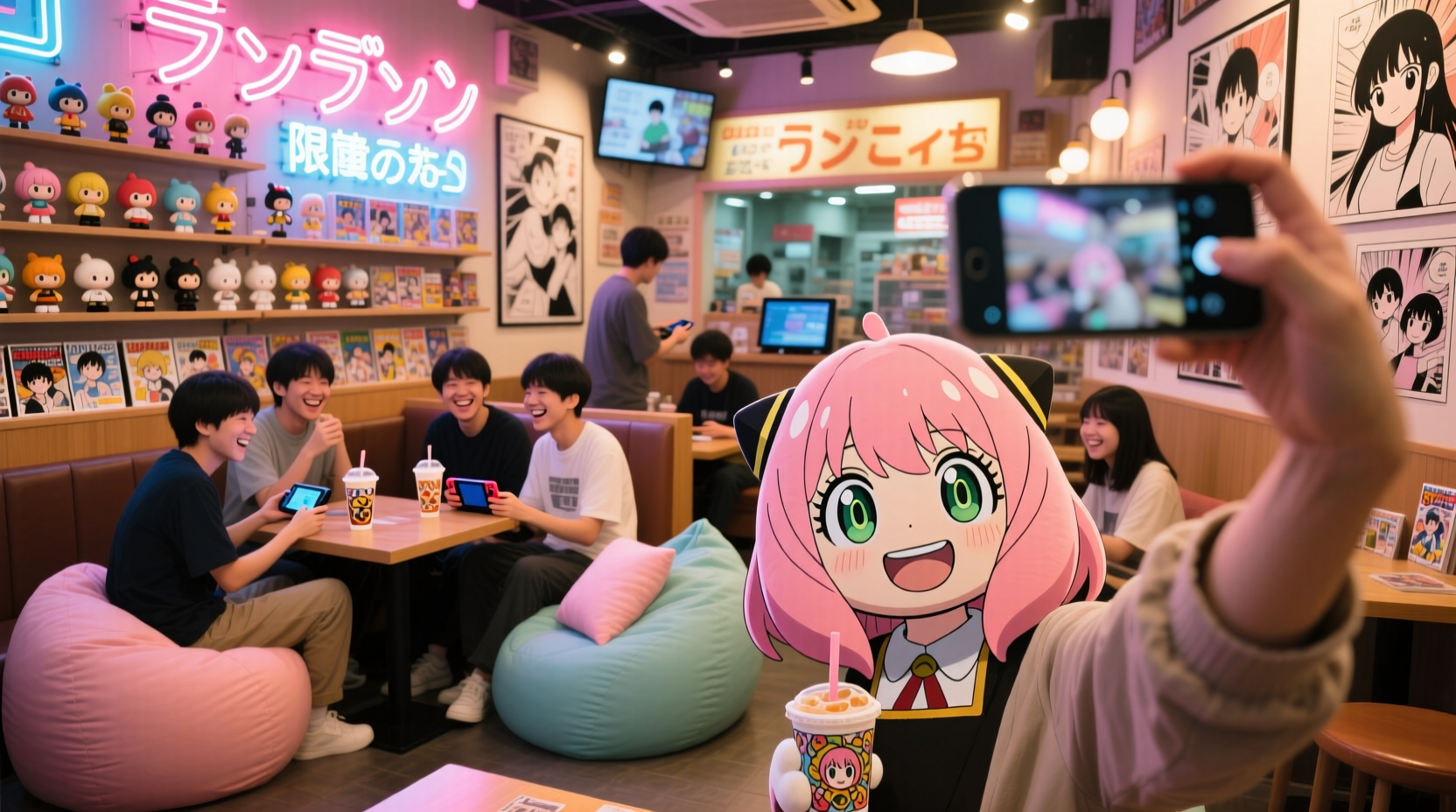
Anime cafes originated in Japan as part of a broader trend known as \"event cafes\" or \"collaboration cafes,\" where restaurants temporarily rebrand around a specific franchise for a limited time. The first major wave began in the early 2010s with long-running chains like the *Gundam Café*, *Pokémon Café*, and *Naruto Ichiraku Ramen*. These weren't mere gimmicks—they were fully operational dining spaces with curated menus, staff in costume, and original dishes tied to the source material.
What sets anime cafes apart from standard themed restaurants is their ephemerality. Most operate on a seasonal or promotional basis—typically lasting between two weeks and three months. This scarcity drives demand. Limited-time offerings create urgency, encouraging fans to visit quickly before the experience disappears. It also allows franchises to keep their marketing fresh and maintain fan engagement without permanent overhead.
According to Yuki Tanaka, a cultural analyst at Waseda University who studies otaku consumer behavior:
“Anime cafes aren’t selling meals—they’re selling moments. The product is memory, not mochi. When you pay ¥2,500 ($17) for a plate of themed curry, you're not just buying food; you're buying entry into a narrative space where you become part of the story.” — Yuki Tanaka, Cultural Analyst
Breaking Down the Cost: What You're Actually Paying For
To determine if anime cafes are overpriced, it helps to dissect the components of the experience. Below is a typical cost breakdown for a mid-tier limited-time anime cafe in Tokyo (prices converted to USD for clarity):
| Component | Average Cost (USD) | Comparable Non-Themed Equivalent |
|---|---|---|
| Main Dish (e.g., character-inspired pasta or bento) | $14–$18 | $8–$10 (regular café) |
| Themed Drink (with glow ice, color-changing syrup, etc.) | $8–$12 | $3–$5 |
| Reservation Fee / Entry Guarantee | $5–$10 | $0 (standard walk-in) |
| Exclusive Merchandise (acrylic stand, coaster set) | $15–$25 | N/A |
| Total Average Spend per Person | $42–$70 | $15–$25 |
The markup is significant—often 150% to 200% above standard pricing. However, this premium covers more than just food. It includes:
- Licensing fees paid to anime studios and publishers
- Set design and decor, often featuring custom murals, lighting effects, and interactive elements
- Staff training, including costumes and scripted greetings
- Time-limited operations, which increase per-unit costs due to short runtimes
- Photo zones with professional backdrops and props
While the food may not always match gourmet standards—many dishes prioritize visual appeal over taste—the overall package is engineered for shareability and emotional impact. In an age where social media presence influences travel decisions, the ability to post a striking image from inside a *My Hero Academia* classroom holds tangible social value.
Tip: Always check if your anime cafe requires timed reservations. Many popular ones sell out weeks in advance, especially during new season launches.When Anime Cafes Deliver Real Value
Not all anime cafes are created equal. Some justify their high prices through exceptional execution, while others fall flat. The most worthwhile experiences tend to share several key traits:
- Authentic collaboration: The cafe was developed with direct input from the anime studio or production committee, ensuring accuracy and depth.
- Creative menu design: Dishes reference plot points or character traits (e.g., “Luffy’s Meat Feast” or “Levi’s Black Coffee”) rather than just slapping a logo on a sandwich.
- Immersive environment: Lighting, music, scent, and layout work together to simulate being inside the anime world.
- No forced spending: While merchandise is available, guests aren’t required to buy extras to access core features.
- Staff enthusiasm: Employees are knowledgeable fans who enhance the experience through personalized interactions.
A standout example is the *Detective Conan Mystery Café*, which operated across Japan with rotating murder mystery scenarios. Guests didn’t just eat themed food—they participated in live puzzles, received clues with their meals, and helped solve a case by the end of the visit. Despite costing around $60 per person, reviews consistently praised its entertainment value, storytelling quality, and replayability.
Mini Case Study: A First-Time Fan’s Experience in Tokyo
Sophie, a 28-year-old graphic designer from Melbourne, planned her first trip to Japan around the *Studio Ghibli Sweet Paradise* pop-up in Harajuku. She had grown up watching *Totoro* and *Spirited Away* and considered the visit a personal pilgrimage.
She booked a weekday afternoon slot six weeks in advance. Upon arrival, she was greeted by a staff member dressed as Totoro and handed a menu shaped like a soot sprite. Her meal—a vegetable curry served in a ceramic Catbus dish—was visually stunning and moderately tasty. The highlight was the photo zone: a life-sized recreation of the forest clearing from *My Neighbor Totoro*, complete with ambient bird sounds and soft moss flooring.
Though she spent $68 total (including a small acrylic figure), Sophie described the experience as “emotionally priceless.”
“I cried when I saw the Totoro statue under the trees. It wasn’t about the food—it was about feeling connected to something that shaped my childhood. I’d do it again in a heartbeat.”
Her story illustrates a crucial point: For deeply invested fans, anime cafes transcend commercialism. They become sites of emotional resonance and identity affirmation.
When the Hype Falls Short
Conversely, poorly executed anime cafes can feel exploitative. Common complaints include:
- Generic food with only superficial branding (e.g., a blue soda labeled “Naruto Special”)
- Overcrowded, noisy environments with poor service
- Hidden fees for seating or photo access
- Short visit durations (e.g., 45-minute time limits)
- Merchandise-only focus with minimal thematic integration
One traveler reported attending a *One Piece*-themed pop-up in Osaka where the “Grand Line Platter” was a basic rice bowl with ketchup-drawn Jolly Roger, and the only decoration was a printed banner taped to the wall. At $22 for the meal, he called it “a photo op tax.”
These underwhelming experiences contribute to the perception that many anime cafes are cash grabs targeting tourists and superfans without delivering meaningful engagement.
Tip: Research recent visitor reviews on platforms like Reddit, TikTok, or Japanese blogs (use Google Translate). Look for comments on food quality, wait times, and authenticity.How to Maximize Your Anime Cafe Visit
To ensure you get real value from an anime cafe, follow this practical checklist:
- Checklist: Planning Your Anime Cafe Trip
-
- Verify the collaboration is officially licensed (look for © logos and studio names).
- Book a reservation well in advance—especially for weekends or holiday periods.
- Review the full menu and pricing online to avoid surprise costs.
- Set realistic expectations: prioritize atmosphere over gourmet dining.
- Bring a portable phone charger—photo sessions drain batteries fast.
- Ask about freebies: many cafes offer exclusive coasters or stickers with purchase.
- Arrive early to avoid rushing through your time slot.
Step-by-Step Guide to Choosing the Right Cafe
- Identify your favorite series currently running a collaboration (check official anime websites or fan forums).
- Compare locations and durations: Longer runs may indicate higher investment and better quality.
- Read mixed reviews: Don’t just look at five-star ratings—seek out honest critiques.
- Calculate total cost, including transport, food, and potential merch.
- Determine your primary goal: Is it nostalgia? Social media content? A gift for a friend?
- Decide if the emotional payoff justifies the expense.
FAQ: Common Questions About Anime Cafes
Do I need to speak Japanese to enjoy an anime cafe?
Not necessarily. Major tourist-focused cafes in Tokyo, like those in Akihabara or Ikebukuro, often have English menus and signage. Staff may also speak basic English. However, smaller or regional pop-ups might not accommodate non-Japanese speakers, so it’s wise to prepare translation tools or visit with someone bilingual.
Can I just visit for photos without ordering food?
In most cases, no. Seating and photo access are typically tied to food or drink purchases. Some cafes allow walk-in photography for a fee, but this is rare. Expect to order at least one item to gain full access.
Are these cafes suitable for children?
Many are family-friendly, especially those based on shonen or kids’ anime (*Pokémon*, *Doraemon*). However, crowded spaces and strict time limits can be challenging with young kids. Check the cafe’s policy on strollers and high chairs beforehand.
Conclusion: More Than Just a Photo Op—if Done Right
Anime cafes occupy a unique space between commerce, fandom, and experiential art. Dismissing them entirely as overpriced photo ops overlooks their cultural significance and emotional power. For fans with deep connections to a series, these spaces offer rare opportunities to physically inhabit fictional worlds—even if only for an hour.
Yet, the industry must evolve. As more temporary cafes emerge, consumers are becoming savvier. They expect creativity, authenticity, and fair pricing—not just branded lattes and flimsy backdrops. The most successful anime cafes understand this: they invest in storytelling, respect their audience’s passion, and deliver layered experiences that go beyond the Instagram shot.
If you're considering a visit, ask yourself: Is this about fleeting aesthetics, or lasting meaning? Will this moment matter to me a year from now? If the answer leans toward yes, then the price may be justified—not because the food is extraordinary, but because the feeling is.
💬 Have you visited an anime cafe that moved you—or disappointed you? Share your story in the comments and help fellow fans decide where to spend their next adventure.