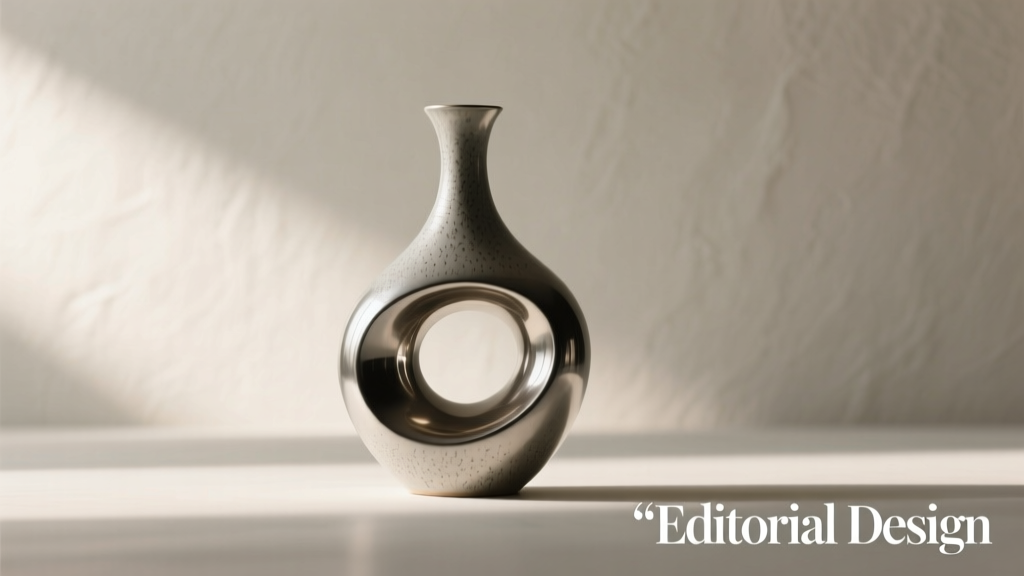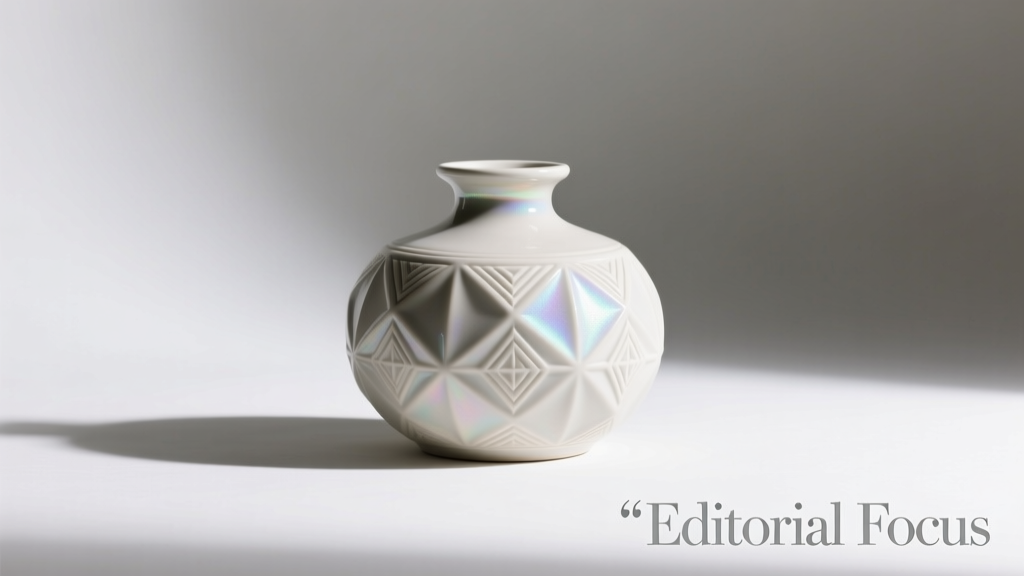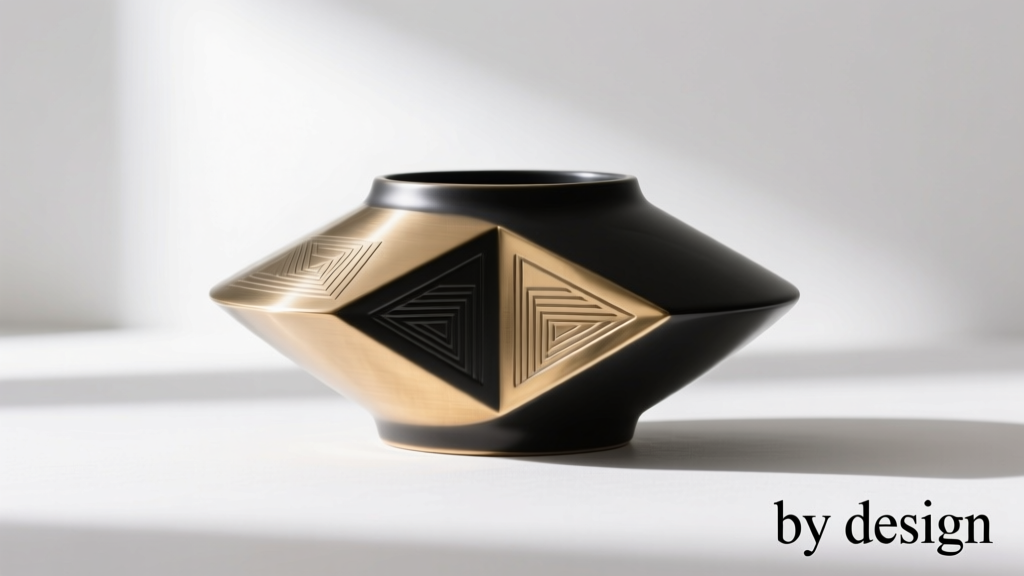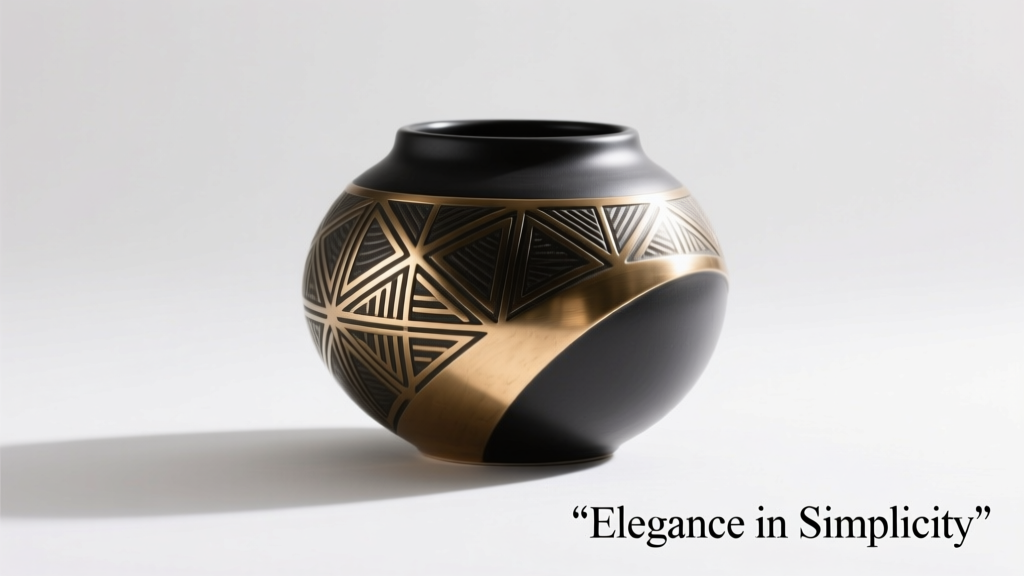
ABS Bottle Designs: Innovation Meets Functionality
An ABS bottle is more than just a container for liquids—it's a fusion of engineering, design, and practicality. Made from Acrylonitrile Butadiene Styrene (ABS), a thermoplastic polymer known for its strength, impact resistance, and lightweight properties, these bottles are ideal for everyday use across diverse environments—from gyms and offices to outdoor adventures and children’s classrooms.
Invented in 1960 by Union Carbide, ABS quickly became a cornerstone material in industries ranging from automotive to consumer goods. Its unique composition—combining acrylonitrile for chemical resistance, butadiene for toughness, and styrene for rigidity and gloss—makes it exceptionally well-suited for molding into complex, durable, and visually appealing forms. This versatility is why ABS has become a go-to material for modern water bottles that demand both style and resilience.
Beyond durability, ABS allows for vibrant coloring, intricate detailing, and seamless integration of ergonomic features. Whether it’s a sleek minimalist flask or a fun cartoon-themed kids’ bottle, the design possibilities are nearly limitless. The term "ab design" might not be standard, but in context, it reflects the aesthetic and structural innovation made possible by ABS—where form follows function without compromise.
Popular Design Categories of ABS Bottles
Thanks to its excellent moldability and surface finish, ABS supports a wide array of design philosophies tailored to specific user needs and lifestyles. Below are the most prominent design categories shaping today’s market:
Sport & Outdoor
Built for active lifestyles, these bottles prioritize grip, durability, and visibility.
Features
- Rubberized or textured grips for secure handling
- Bright/neon colors for high visibility
- Leak-proof lids with quick-access mechanisms
- Impact-resistant construction for rugged use
Considerations
- May be heavier than soft plastic alternatives
- Less insulation unless double-walled
Best for: Runners, cyclists, hikers, fitness enthusiasts
Ergonomic & Functional
Engineered for comfort and ease of use during prolonged hydration.
Features
- Contoured shapes for natural hand fit
- Integrated straws or flip-top spouts
- Non-slip bases and thumb rests
- Measurement markings for portion control
Considerations
- More complex cleaning due to moving parts
- Potential wear on hinges or seals over time
Best for: Office workers, students, travelers, elderly users
Child-Safe & Playful
Designed with safety, fun, and parental peace of mind in mind.
Features
- Unbreakable ABS construction
- Spill-proof, leak-resistant lids
- Cute animal, superhero, or cartoon motifs
- Bright, engaging colors to encourage use
Considerations
- Decorative elements may chip with heavy use
- Larger designs may not fit in standard lunchboxes
Best for: Toddlers, schoolchildren, daycare use
Minimalist & Stylish
For those who value elegance and subtlety in their accessories.
Features
- Sleek, clean lines with no visual clutter
- Neutral tones: white, black, silver, matte finishes
- High-gloss or brushed textures for premium feel
- Compact, portable designs
Considerations
- Less grip in wet conditions
- Fingerprints and smudges more visible
Best for: Professionals, urban commuters, design-conscious consumers
Customizable & Branded
Leveraging ABS’s print-friendly surface for personalization and marketing.
Features
- Smooth surfaces ideal for decals, engraving, or screen printing
- Used for corporate gifts, event giveaways, club merchandise
- Supports full-color logos and artwork
- Popular among youth and niche communities
Considerations
- Custom finishes may wear off over time
- Higher cost for small-batch personalization
Best for: Promotions, team gear, personalized gifts
Common ABS Bottle Types & Their Design Applications
ABS isn’t just about looks—it enables functional innovation across various bottle types. Here are some real-world examples showcasing how design meets purpose:
| Bottle Type | Key Design Features | Primary Use Case | Material Advantage |
|---|---|---|---|
| Water Bottles | Ergonomic grip, screw-on leak-proof cap, built-in straw | Daily hydration | Impact resistance + easy cleaning |
| Sports Shakers | Mixing ball (blender), wide mouth, measurement markings | Protein shakes, supplements | Durable under agitation + clear visibility |
| Kids Drink Bottles | Cartoon designs, flip-top lid, detachable straw, spill-proof | School, playtime, travel | Unbreakable + fun appeal |
| Travel Mugs | Tapered body (cup holder fit), sliding lid, double-wall insulation | Commuting, road trips | Sturdy outer shell + thermal retention |
| Insulated Bottles | ABS exterior with stainless steel interior, airtight lid, wide mouth | Hot/cold beverages on the go | Durability + temperature control |
Design Tip: When choosing an ABS bottle, consider both aesthetics and practicality. A bottle that looks great but lacks a secure lid or comfortable grip may end up unused. Look for models that balance visual appeal with smart engineering for long-term satisfaction.
From rugged outdoor companions to elegant desk accessories, ABS bottles exemplify how material science and thoughtful design come together to enhance everyday life. As sustainability and reusability gain importance, ABS continues to evolve—offering durable, stylish, and functional solutions that stand the test of time and trend.
Industry Applications of ABS Bottles
While ABS (Acrylonitrile Butadiene Styrene) bottles may initially seem limited to basic consumer packaging, their applications extend far beyond simple drinkware. Thanks to the material’s unique combination of impact resistance, chemical stability, rigidity, and moldability, ABS bottles are widely adopted across multiple industries. These properties make them ideal for storing, transporting, and displaying a variety of products—ranging from cosmetics to industrial chemicals. Below is a detailed breakdown of key sectors leveraging ABS bottles for functional and aesthetic advantages.
1. Consumer Goods
ABS bottles are extensively used in the packaging of non-liquid and semi-liquid consumer products, particularly in the beauty and personal care industry. Shampoos, conditioners, body washes, lotions, and skincare formulations are commonly housed in ABS containers due to their durability and resistance to cracking under stress.
The rigidity of ABS ensures product integrity during shipping and handling, reducing the risk of leakage or deformation. Additionally, the smooth, glossy surface finish of ABS allows for high-quality printing, embossing, and labeling—enhancing shelf appeal and brand visibility in retail environments. Many premium cosmetic brands choose ABS for its ability to support intricate bottle designs and vibrant color finishes that attract consumer attention.
2. Healthcare Industry
In medical and pharmaceutical settings, ABS bottles play a critical role in the safe storage of tablets, capsules, liquid medications, and diagnostic reagents. The material’s inherent toughness and dimensional stability ensure that containers remain intact even under rigorous handling conditions.
One of the key advantages of ABS in healthcare is its opacity, which protects light-sensitive medications from UV degradation, thereby extending shelf life and maintaining efficacy. Furthermore, ABS is compatible with sterilization processes and resists microbial growth, making it suitable for use in sterile environments. Its non-reactive nature also prevents chemical interactions with sensitive formulations, ensuring patient safety and regulatory compliance.
3. Household Cleaning Products
The household cleaning sector relies heavily on ABS bottles for packaging concentrated detergents, disinfectants, degreasers, and multi-surface cleaners. These products often contain aggressive chemicals such as ammonia, bleach, or solvents, which can degrade lesser plastics over time. ABS demonstrates excellent resistance to chemical corrosion, ensuring long-term container integrity.
Beyond durability, ABS allows for clear, legible labeling—essential for communicating safety warnings, usage instructions, and ingredient lists. The material can be easily colored or tinted to differentiate product types (e.g., blue for glass cleaner, green for eco-friendly formulas), aiding consumer identification and reducing misuse. Ergonomic designs and child-resistant caps are also readily integrated into ABS bottle molds, enhancing both functionality and safety.
4. Toys and Educational Products
ABS is a popular choice in the toy manufacturing industry—not only for building blocks like LEGO but also for children's drinkware and learning tools. Water bottles designed for toddlers and school-aged children are frequently made from ABS due to its exceptional impact resistance and safety profile.
These bottles can withstand frequent drops and rough handling without shattering, making them ideal for active kids. The material is BPA-free and non-toxic when properly formulated, meeting stringent safety standards for children’s products. Bright colors, fun shapes, and character-themed designs are easily achieved through ABS molding, encouraging healthy hydration habits while appealing to young users.
5. Industrial Applications
In industrial and manufacturing environments, ABS bottles serve as reliable containers for lubricants, adhesives, sealants, solvents, and small hardware components like screws or washers. Their robust construction ensures safe storage and transport of materials that may be sensitive to moisture, air, or physical shock.
The material’s resistance to oils and greases makes it particularly well-suited for packaging maintenance and repair supplies. ABS bottles used in industrial contexts often feature tamper-evident seals, precision dispensing nozzles, or measurement markings for accuracy. Their compatibility with automated filling and capping systems also makes them a cost-effective solution for large-scale operations.
| Industry | Key Benefits of ABS Bottles | Common Product Types |
|---|---|---|
| Consumer Goods | High gloss finish, impact resistance, printability | Shampoo bottles, lotion dispensers, skincare jars |
| Healthcare | Opacity, chemical inertness, durability | Pill bottles, medicine containers, reagent vials |
| Household Cleaning | Chemical resistance, labeling clarity, color versatility | Disinfectant bottles, detergent containers, spray triggers |
| Toys & Education | Impact strength, safety, vibrant coloring | Kids’ water bottles, learning aids, activity kits |
| Industrial | Oil resistance, structural integrity, tamper resistance | Lubricant bottles, adhesive tubes, parts organizers |
Note: While ABS offers numerous advantages, it is not suitable for high-temperature applications or prolonged exposure to direct sunlight, as it can degrade under UV radiation. Always verify material compatibility with the intended contents and environmental conditions. For food-grade applications, ensure the ABS used meets FDA or equivalent regulatory standards.
Product Specifications and Features of ABS Bottles
ABS (Acrylonitrile Butadiene Styrene) bottles are engineered for durability, versatility, and aesthetic appeal, making them ideal for a wide range of applications—from everyday hydration to industrial packaging and consumer product design. These thermoplastic containers combine strength, thermal resistance, and design flexibility, meeting both functional and visual demands across industries. Understanding their technical attributes helps in selecting the right product for specific usage scenarios.
Material Composition
ABS bottles are crafted from a terpolymer of acrylonitrile, butadiene, and styrene, each contributing unique properties to the final product:
- Acrylonitrile enhances chemical resistance and thermal stability
- Butadiene provides toughness and impact resilience, especially at low temperatures
- Styrene delivers a smooth, glossy surface ideal for printing and coloring
This combination results in a lightweight yet robust material that can be injection-molded into complex shapes with high dimensional accuracy. ABS is widely used not only in water bottles but also in automotive components, protective gear, and consumer electronics housings due to its balanced performance profile.
Did you know? ABS is recyclable (Resin ID Code #7) and commonly reused in 3D printing filament and secondary plastic products.
Impact Resistance
One of the standout features of ABS is its exceptional impact strength, even under harsh conditions. Unlike brittle plastics such as polystyrene, ABS maintains structural integrity when dropped, squeezed, or subjected to sudden force.
- Ideal for children’s drinkware due to shatter-resistant properties
- Suitable for outdoor gear, sports bottles, and rugged environments
- Withstands repeated mechanical stress without cracking
This durability makes ABS bottles a preferred choice for active lifestyles, travel, and institutional use where breakage is a concern. The material’s ability to absorb energy without fracturing enhances user safety and extends product lifespan.
Safety note: ABS does not release harmful shards if damaged, unlike glass or some brittle plastics.
Heat and Thermal Resistance
ABS bottles exhibit strong performance across a broad temperature range, typically from -20°C to 80°C (-4°F to 176°F), making them suitable for both hot and cold beverages.
- Safe for warm liquids like tea, coffee, or soups (within temperature limits)
- Dishwasher-safe in top racks due to moderate heat tolerance
- Resists warping under normal household conditions
However, prolonged exposure to temperatures above 80°C may cause softening or deformation. For high-heat applications (e.g., boiling water), manufacturers often combine ABS with internal stainless steel or Tritan™ liners in double-walled insulated bottles.
Pro tip: Always check manufacturer guidelines before placing ABS bottles near direct heat sources or in microwaves.
Elasticity and Structural Integrity
ABS offers a favorable balance of rigidity and slight flexibility, allowing it to resist permanent deformation under stress.
- Resists denting from drops or compression
- Maintains shape after repeated use and handling
- Flexible enough to absorb shock, yet stiff enough to hold form
This semi-elastic behavior prevents the "crinkling" seen in softer plastics and avoids the brittleness of more rigid materials. It ensures long-term usability, especially in portable and frequently handled containers.
Engineering insight: The butadiene component in ABS acts as an impact modifier, creating a rubber-toughened plastic matrix.
Customization and Aesthetic Versatility
ABS is highly amenable to coloring, painting, and surface finishing, making it a top choice for branded and designer bottles.
- Accepts vibrant dyes and UV-resistant inks for long-lasting prints
- Can be polished to a high-gloss finish or textured for grip
- Easily molded into ergonomic shapes, curves, and intricate designs
From minimalist matte black bottles to multi-colored promotional giveaways, ABS supports extensive branding and personalization options. Its surface is also compatible with laser engraving and pad printing for logos and serial numbers.
Design advantage: ABS can be co-molded with other plastics for dual-tone or multi-material effects.
UV and Environmental Resistance
While pure ABS can degrade under prolonged UV exposure, most commercial bottles include UV stabilizers and protective coatings to prevent yellowing and embrittlement.
- Suitable for outdoor use in backpacks, camping gear, and sports bottles
- Resists fading from sunlight when properly treated
- Performs well in humid or saline environments (e.g., beach or marine use)
For extended outdoor applications, manufacturers may add carbon black or titanium dioxide to enhance UV resistance. However, long-term sun exposure should still be minimized to preserve appearance and strength.
Maintenance tip: Clean UV-exposed bottles regularly to prevent dirt buildup that can accelerate surface degradation.
Installation and Use Guidelines
- Assembly in Insulated Designs: In double-walled bottles, the outer shell is typically made of ABS while the inner liner is stainless steel or food-grade polymer. These are precision-molded and sealed during manufacturing to create a vacuum or insulated chamber for temperature retention.
- Usage Safety: ABS is FDA-compliant for food contact when formulated correctly. It is safe for storing water, juices, coffee, and non-acidic beverages. Avoid storing highly acidic or solvent-based liquids unless the bottle is specifically rated for such use.
- Temperature Limits: Do not expose ABS bottles to open flames, ovens, or microwaves. Use only as directed by the manufacturer to prevent melting or emission of fumes.
Maintenance and Longevity
- Cleaning: ABS bottles are easy to maintain. Hand wash with mild soap and warm water, or place in the dishwasher (top rack recommended). Avoid abrasive scrubbers that could scratch the surface.
- Stain Resistance: While ABS resists most stains, prolonged exposure to strong dyes (e.g., turmeric, beet juice) may cause discoloration. Soaking with baking soda or vinegar can help remove residues.
- Repair Limitations: ABS is difficult to repair once cracked or fractured. While solvent welding with ABS cement is possible in industrial settings, it is not practical for consumer repairs. Damaged bottles should be replaced.
- End-of-Life Signs: Replace bottles showing deep scratches, cloudiness, persistent odors, or structural warping. These can harbor bacteria or compromise material integrity.
Sustainability note: Recycle ABS bottles through designated plastic recycling programs. Do not incinerate, as this can release harmful fumes.
Expert Recommendation: For maximum durability and safety, choose ABS bottles from reputable manufacturers that comply with food safety standards (e.g., FDA, LFGB). Look for products labeled "BPA-free" and those with UV protection for outdoor use. Pair ABS exteriors with stainless steel interiors in insulated models for optimal performance with hot and cold beverages. Regular inspection and proper cleaning will extend the life of your bottle and ensure hygienic use.
| Feature | ABS Bottle Performance | Common Applications | Lifespan (Typical) |
|---|---|---|---|
| Impact Resistance | Excellent – withstands drops and impacts | Kids' bottles, sports gear, outdoor equipment | 3–5 years |
| Heat Tolerance | Good (up to 80°C) – not microwave-safe | Warm beverage containers, dishwasher-safe lids | 2–4 years |
| UV Resistance | Moderate to Good (with stabilizers) | Outdoor use, travel bottles, promotional items | 2–3 years (with sun exposure) |
| Customization | Exceptional – easy to color, print, and shape | Branded merchandise, designer bottles | Varies by usage |
Quality and Safety Considerations for ABS Bottles
When selecting or manufacturing packaging materials, especially for food and beverage applications, quality and safety are paramount. Acrylonitrile Butadiene Styrene (ABS) is a widely used thermoplastic polymer known for its strength and impact resistance. However, understanding the material's properties, limitations, and potential risks is essential for ensuring consumer safety and product integrity. This guide provides a comprehensive overview of key safety and quality factors to consider when using ABS bottle designs, covering food safety compliance, chemical composition, environmental exposure, recyclability, and proper maintenance practices.
Important Note: While ABS is durable and cost-effective, it is not inherently food-safe in all forms. Always verify that the ABS used in bottles is specifically formulated and certified for food contact applications.
Key Safety and Quality Factors for ABS Bottles
- Food Safety Standards and Regulatory Compliance
ABS is commonly used in consumer products, including some types of bottles, but its use in food and beverage containers requires careful formulation. Pure ABS may not be suitable for prolonged contact with liquids due to concerns about chemical leaching under certain conditions, particularly when exposed to heat or acidic contents.
To ensure safety, ABS bottles intended for drinking water or food storage must comply with stringent regulatory standards set by authoritative bodies such as the U.S. Food and Drug Administration (FDA) and the European Food Safety Authority (EFSA). These organizations establish allowable limits for extractable substances and require rigorous testing for migration of chemicals into food.
In practice, many ABS-based containers are blended with other plastics—such as polycarbonate or polypropylene—to improve thermal stability and reduce the risk of leaching. Look for labels indicating "Food-Grade ABS" or certifications like FDA 21 CFR or EU 10/2011 compliance to ensure the product meets required safety benchmarks.
- Durability, Chemical Safety, and Non-Toxicity
One of the primary advantages of ABS is its high impact resistance, making it ideal for rugged applications such as sports bottles, outdoor gear, and medical equipment housings. Unlike some plastics, ABS does not contain bisphenol A (BPA) or phthalates—endocrine-disrupting chemicals associated with health risks—making it a safer alternative for consumer products.
However, the safety of ABS depends on the additives used during manufacturing. Some colorants, stabilizers, or flame retardants may introduce unwanted compounds. Therefore, it's crucial to source ABS from reputable suppliers who provide full material disclosure and compliance documentation. Opt for bottles labeled as BPA-free, phthalate-free, and made with non-toxic additives to ensure both user safety and environmental responsibility.
- Heat and UV Resistance: Managing Environmental Exposure
ABS has moderate resistance to heat and ultraviolet (UV) radiation, but it is not designed for extreme conditions. Prolonged exposure to high temperatures—such as leaving a bottle in a hot car—can cause the material to soften, warp, or degrade, potentially leading to the release of volatile organic compounds (VOCs) or other breakdown products.
Similarly, extended sunlight exposure can cause UV degradation, resulting in discoloration, brittleness, and reduced structural integrity. To mitigate these risks, manufacturers often incorporate UV stabilizers or protective coatings in ABS formulations intended for outdoor use.
Recommendation: Avoid storing ABS bottles in direct sunlight or hot environments. For applications requiring high thermal or UV resistance, consider alternative materials like polyethylene terephthalate (PET) or high-density polyethylene (HDPE), or choose UV-treated ABS variants designed for enhanced durability.
- Recycling and Environmental Impact
ABS is technically recyclable and falls under recycling code #7 ("Other Plastics"), although it is not as widely accepted in municipal recycling programs as PET (#1) or HDPE (#2). Due to its complex composition and lower recycling rates, improper disposal of ABS bottles can contribute to environmental pollution.
Consumers and businesses should check local recycling guidelines before discarding ABS products. When recycling is not available, consider returning used bottles to specialized plastic recyclers or take-back programs. Additionally, manufacturers are encouraged to design for recyclability by minimizing multi-material construction and using mono-ABS components where possible.
From a sustainability perspective, while ABS is not biodegradable, its durability means fewer replacements over time, potentially reducing overall waste if the product is used long-term and responsibly disposed of at end-of-life.
- Cleaning and Hygiene Maintenance
Proper cleaning is critical to maintaining the safety and longevity of ABS bottles, especially those used for drinking water or liquid storage. Over time, moisture and organic residues can promote bacterial growth, biofilm formation, or odor retention.
Most food-grade ABS bottles are dishwasher-safe, but care must be taken to avoid high-temperature wash cycles. Excessive heat (typically above 80°C / 176°F) can deform the plastic or accelerate material fatigue. It is best to use a gentle cycle with lukewarm water and mild detergent.
For hand washing, use a bottle brush to reach interior surfaces and rinse thoroughly. Avoid abrasive cleaners or steel wool, which can scratch the surface and create harborage points for microbes. Regular inspection for cracks, cloudiness, or persistent odors is recommended—damaged bottles should be replaced to prevent contamination.
| Safety Factor | Key Considerations | Potential Risks | Best Practices |
|---|---|---|---|
| Food Safety | FDA/EFSA compliance, food-grade formulation | Chemical leaching, non-compliant additives | Use certified food-safe ABS; check for regulatory labels |
| Chemical Composition | BPA-free, phthalate-free, low-toxicity additives | Endocrine disruptors, harmful stabilizers | Choose transparent, non-toxic formulations |
| Heat Exposure | Softening point ~105°C, degradation at high temps | Warping, VOC release, structural failure | Avoid hot cars, dishwashers on high heat |
| UV Exposure | Moderate resistance; prone to yellowing and embrittlement | Material breakdown, reduced lifespan | Use UV-stabilized ABS; store in shaded areas |
| Recyclability | Recycling code #7; limited curbside acceptance | Landfill accumulation, microplastic pollution | Check local recycling; use take-back programs |
Expert Tip: When purchasing or designing ABS bottles, request a Certificate of Compliance (CoC) or Material Safety Data Sheet (MSDS) from the manufacturer. This documentation verifies that the material meets safety, regulatory, and performance standards for your intended application.
Additional Recommendations for Consumers and Manufacturers
- Regularly inspect ABS bottles for signs of wear, such as cracks, cloudiness, or odor retention.
- Replace bottles showing signs of degradation to maintain hygiene and structural integrity.
- Store ABS containers in cool, dry, shaded environments to prolong service life.
- Encourage reuse where possible to reduce environmental footprint, provided the bottle remains in good condition.
- Support innovation in sustainable plastics by choosing ABS blends with recycled content or bio-based additives when available.
In conclusion, while ABS offers excellent mechanical properties and versatility for bottle manufacturing, its safe and responsible use depends on proper formulation, adherence to food safety regulations, and informed consumer practices. By understanding the material’s strengths and limitations, both manufacturers and users can ensure that ABS bottles remain a reliable, durable, and safe option for a wide range of applications.
Frequently Asked Questions About ABS Plastic Bottles
Q. Will the ABS bottle be safe for hot liquids?Yes, ABS (Acrylonitrile Butadiene Styrene) plastic bottles are generally safe for both hot and cold liquids. However, it is strongly recommended not to expose them to liquids exceeding approximately 80°C (176°F). While ABS has a relatively high heat resistance compared to many other plastics, prolonged exposure to temperatures near or above this threshold may compromise structural integrity and increase the risk of chemical leaching—though such occurrences are rare under normal use conditions.
To ensure longevity and safety, avoid using ABS bottles for boiling water, steaming liquids, or storing freshly brewed beverages like coffee or tea unless cooled slightly first. For regular hot drinks, consider using materials like borosilicate glass or stainless steel, which are better suited for high-temperature applications.
Q. How does the cosmetics industry use ABS plastic? Is it safe for health?ABS plastic is widely used across the cosmetics, skincare, and pharmaceutical industries due to its excellent balance of durability, versatility, and aesthetic appeal. It is commonly found in:
- Pressurized spray bottles and pump dispensers
- Luxury packaging with glossy, smooth finishes
- Containers requiring complex shapes or intricate designs
- Jars, caps, and closures that need impact resistance
From a health perspective, ABS is considered non-toxic and safe for consumer use when manufactured to regulatory standards (such as FDA and EU compliance). It does not contain bisphenol A (BPA) or phthalates, two chemicals often associated with health concerns in certain plastics.
In response to growing environmental awareness, many cosmetic brands are now combining ABS with recycled content or designing fully recyclable ABS packaging to reduce ecological impact while maintaining product safety and performance.
Q. Can stains on an ABS bottle be removed? Will the bottle still be safe for use after cleaning?Yes, most stains on ABS bottles can be effectively removed with proper cleaning methods. Routine washing with warm soapy water is sufficient for everyday maintenance. For tougher, persistent stains—such as those caused by tea, coffee, or pigmented liquids—consider using natural cleaning agents like:
- Baking soda paste: Mix baking soda with a small amount of water and gently scrub with a soft sponge.
- White vinegar solution: Soak the bottle in a 1:1 mixture of white vinegar and water for 30 minutes, then rinse thoroughly.
⚠️ Important: Avoid using abrasive cleaners, steel wool, or harsh scrubbing pads, as these can scratch the surface of the ABS plastic. Scratches not only affect appearance but can harbor bacteria and weaken the material over time.
When cleaned properly, even stained ABS bottles remain safe and hygienic for continued use, provided there is no significant physical damage or degradation of the plastic.
Q. What are some of the limitations of ABS as a plastic type?While ABS is a highly versatile and impact-resistant thermoplastic, it does have several technical and environmental limitations to consider:
- Chemical Sensitivity: ABS can be degraded by strong solvents such as acetone, ethyl acetate, and certain concentrated alcohols. Exposure may result in surface cracking, cloudiness, or structural weakening.
- UV Degradation: Prolonged exposure to sunlight or UV radiation can cause discoloration and embrittlement, making it less ideal for outdoor applications without protective coatings.
- Heat Limitations: As previously noted, ABS begins to soften around 80–105°C (176–221°F), limiting its use in high-heat environments.
- Environmental Impact: ABS is not biodegradable and can persist in landfills for decades. While it is recyclable (classified under resin code #7 "Other Plastics"), recycling infrastructure for ABS is less widespread than for PET or HDPE.
- Sustainability: Production involves petroleum-based feedstocks, contributing to carbon emissions. However, advances in recycled ABS and closed-loop manufacturing are helping mitigate this issue.
Despite these limitations, ABS remains a preferred material in many consumer and industrial applications due to its strength, ease of processing, and excellent surface finish—especially where aesthetics and functionality are both important.