In the world of fresh produce, few ingredients cause as much quiet confusion in the kitchen as chili peppers. With dozens of varieties lining grocery shelves and farmers' markets—many nearly identical in shape, size, or color—it's easy to grab the wrong one. Mistaking a serrano for a jalapeño might only tweak the heat slightly, but confusing an ornamental pepper for an edible one can ruin a dish—or worse, make someone ill. The truth is, many peppers look alike but behave very differently when cooked, tasted, or stored. This guide identifies five pairs of commonly confused peppers, explains their subtle yet critical differences, and provides actionable guidance for telling them apart with confidence. Whether you're roasting chiles for salsa, pickling for tacos, or building complex spice layers in global cuisines, knowing these distinctions elevates both safety and flavor.
Why Pepper Confusion Happens—and Why It Matters
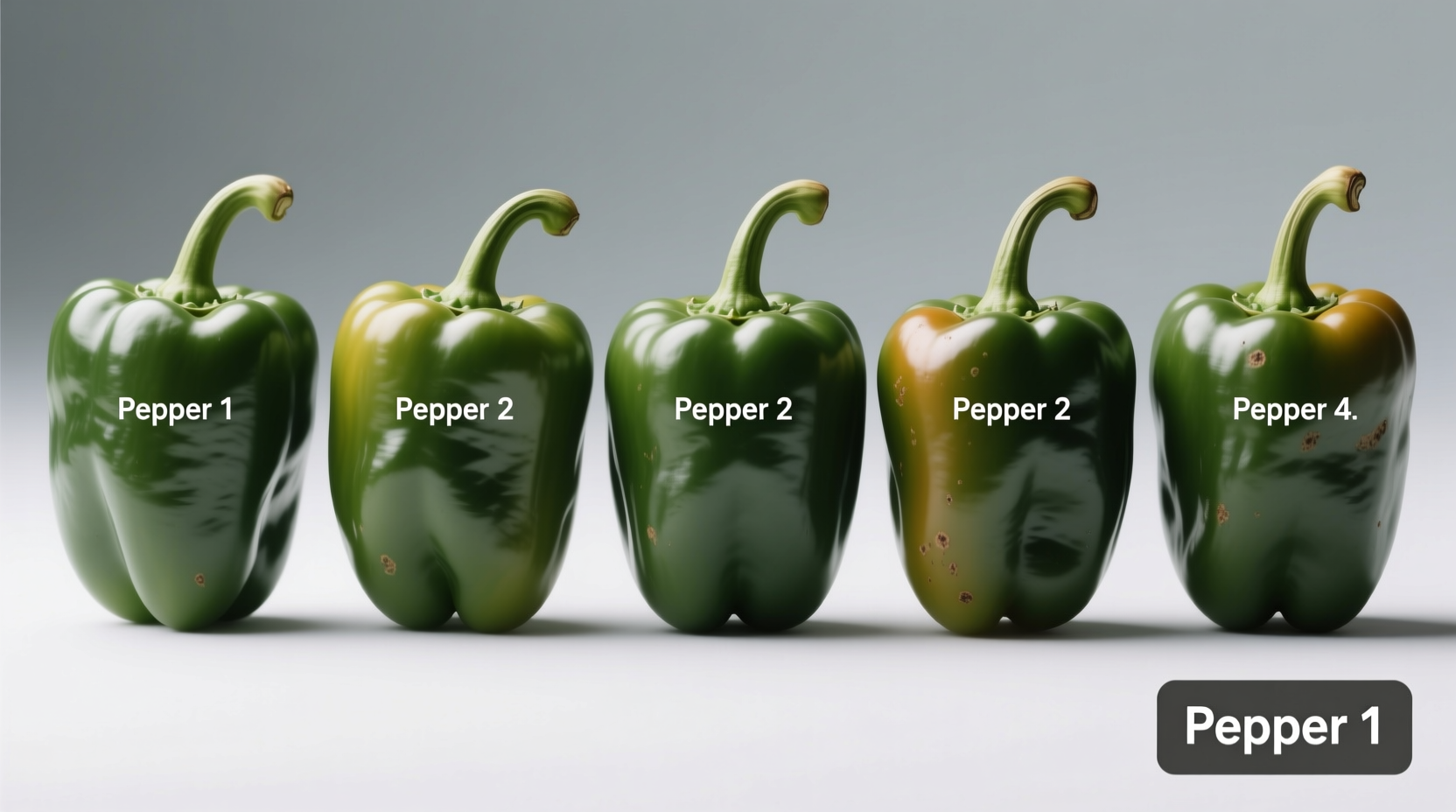
The visual similarity among certain peppers stems from shared genetics, cultivation practices, and market presentation. Many belong to the *Capsicum annuum* species, which includes everything from bell peppers to cayennes. Within this group, minor variations in ripeness, growing conditions, or regional naming conventions lead to overlapping appearances. A green poblano at peak harvest may resemble a large Anaheim; a red Fresno could pass for a small red jalapeño. Without clear labeling or botanical knowledge, even experienced cooks can misidentify them.
This matters because each pepper brings unique qualities to cooking: heat level (measured in Scoville Heat Units), flesh thickness, moisture content, sugar concentration, and aroma compounds all influence how a dish develops. Using the wrong pepper may result in unexpected spiciness, textural imbalance, or off-flavors. In some cases, decorative or super-hot varieties are mistakenly used in place of milder culinary types, leading to unpleasant results. Learning to distinguish these look-alikes ensures precision in recipes and empowers better ingredient choices.
1. Jalapeño vs. Fresno – Close Relatives with Key Differences
Jalapeños and Fresaos are often mistaken due to their similar size, tapering shape, and common red and green color stages. Both are medium-heat chilies widely used in Mexican and Southwestern U.S. cuisine, frequently found sliced on nachos, stuffed, or blended into salsas. However, they differ significantly in texture, flavor profile, and optimal use.
Key Characteristics
| Feature | Jalapeño | Fresno |
|---|---|---|
| Heat Level (SHU) | 2,500–8,000 | 2,500–10,000 |
| Shape & Size | Straighter, slightly longer (2–3.5 in) | More tapered, shorter (1.5–2.5 in), often curved |
| Skin Texture | Smooth, glossy, thin-walled | Ribbed, slightly wrinkled, thicker walls |
| Flavor Profile | Grassy, bright, vegetal | Sweeter, fruitier, especially when red |
| Culinary Use | Raw salsas, pickling, stuffing, roasting | Emulsified sauces, garnishes, slow-cooked dishes |
Fresnos, particularly in their mature red stage, offer a richer, almost berry-like sweetness that makes them ideal for sauces like chimichurri or adobo. Their thicker walls hold up better in long simmers. Jalapeños, by contrast, deliver a sharper, cleaner heat and are preferred for quick applications where freshness is key. Visually, the ribbing on a Fresno is a reliable identifier—even when colors overlap.
Pro Tip: When in doubt, slice both open. Fresnos typically have a tighter seed cluster and denser flesh. If the pepper feels heavier for its size and has visible ridges, it’s likely a Fresno.
2. Poblano vs. Anaheim – The Great Roasted Chile Dilemma
Poblanos and Analesnos are large, dark green chilies frequently used roasted and peeled in chiles rellenos, rajas, or soups. They’re often substituted for one another, but understanding their differences prevents disappointment in heat and texture.
Origin and Flavor Development
Poblanos originate from Puebla, Mexico, and are central to traditional mole and festive dishes. Analesnos trace back to New Mexico and were cultivated in California, named after the city of Anaheim. While both start green and can turn red (when fully ripe, called \"mulato\" for poblano, \"California\" for Anaheim), their growth patterns affect availability and performance.
- Poblano: Broad shoulders, heart-shaped base, thick flesh ideal for stuffing. Heat ranges from mild to moderate (1,000–2,000 SHU), but can spike unpredictably.
- Anaheim: Longer, narrower (up to 9 inches), thinner walls. Typically milder (500–2,500 SHU), with a slightly sweet, earthy taste.
Because poblanos have more meat, they retain structure when filled and baked. Analesnos, being thinner, work better sliced and sautéed into strips (rajas). In regions outside the Southwest U.S., “Anaheim” is sometimes used generically for any long green chile, increasing confusion.
\"I once served rellenos made with what I thought were poblanos—turned out they were overgrown Analesnos. The filling fell out during frying because the walls were too thin. Now I check the shoulder width first.\" — Chef Elena Ruiz, Santa Fe Culinary Academy
3. Serrano vs. Thai Bird’s Eye Chili – Size Isn’t Everything
At first glance, a serrano and a Thai bird’s eye chili appear worlds apart—one plump and garden-grown, the other slender and tropical. But in their raw green form, they share a vibrant hue and comparable length (about 2 inches), leading to mix-ups in international markets or unlabeled bins.
Heat and Culinary Role Compared
| Attribute | Serrano | Thai Bird’s Eye Chili |
|---|---|---|
| Scoville Range | 10,000–23,000 | 50,000–100,000+ |
| Shape | Thick-walled, blunt tip | Slender, pointed, upright growth habit |
| Flavor | Crisp, clean, slightly floral | Sharp, pungent, with citrusy notes |
| Common Use | Pico de gallo, hot sauces, garnish | Thai curries, Vietnamese dipping sauces, stir-fries |
| Stem Attachment | Hanging downward | Often grows upright on plant |
The most crucial distinction is heat intensity. A single Thai bird’s eye can overpower a dish that calls for two serranos. Additionally, bird’s eye chilies are rarely roasted—they’re used raw or lightly cooked to preserve their piercing brightness. Serranos tolerate brief grilling or blending into creamy dips. Always inspect the stem end: serranos hang like most garden peppers; true bird’s eyes grow pointing skyward, a trait preserved even after harvest.
Storage Note: Serranos last 2–3 weeks refrigerated. Bird’s eye chilies, due to lower moisture, can dry naturally on the counter—use this to identify aged specimens without labels.
4. Bell Pepper vs. Ornamental Pepper – Beauty Can Be Deceptive
Not all colorful peppers are meant for eating. Ornamental varieties like ‘Explosive Ember’ or ‘Black Pearl’ are bred for visual impact, not flavor. Yet they often appear near edible types at nurseries or garden centers, and their vivid hues—deep purple, blazing orange, speckled red—mirror those of gourmet bells.
How to Tell Them Apart
- Fruit Size: Ornamentals produce tiny peppers (under 1 inch); edible bells are large (3+ inches).
- Plant Labeling: Check tags for names like “NuMex,” “Chilly Chili,” or “Pepperoncini”—these may indicate non-culinary breeding.
- Taste Test (Caution Advised): Ornamental peppers are usually extremely bitter or painfully hot despite sweet appearance.
- Growth Habit: Ornamentals often grow in dense clusters; culinary peppers develop singly or in pairs.
Bell peppers (*Capsicum annuum* ‘Grossum Group’) are specifically cultivated for zero heat and high sugar content. Their walls are thick, crisp, and juicy—ideal for grilling, stuffing, or roasting. Ornamental types may belong to different cultivar groups bred for capsaicin production or disease resistance, not palatability.
\"We had a client who used ‘Medusa’ peppers in a salad bar, thinking they were mini multi-colored bells. Three people reported nausea. Lab tests showed capsaicin levels over 35,000 SHU—hotter than most serranos.\" — Food Safety Report, Denver Public Health, 2022
When sourcing peppers from unknown origins—especially at craft fairs or home gardens—verify edibility before use. Never assume color indicates safety or flavor.
5. Cayenne vs. Red Cherry Pepper – A Color-Based Trap
Red cherry peppers and cayennes both appear as small, rounded or elongated red chilies. Cherry peppers are sweet and mild, often sold jarred; cayennes are fiery and dried into powder. But fresh red cayennes can resemble young cherry peppers, especially when mislabeled.
Identification Guide
Start with shape and attachment:
- Cayenne: Long (4–6 inches), skinny, tapering to a point. Grows hanging down. Skin is smooth and taut.
- Cherry Pepper: Round or slightly oval (like a cherry tomato), about 1.5–2 inches wide. Often has a flat bottom.
Internally, cayennes have sparse seeds and thin walls, optimized for drying. Cherry peppers boast thick, succulent flesh perfect for stuffing olives or antipasto. Flavor-wise, there’s no comparison: cayenne delivers intense, lingering heat (30,000–50,000 SHU), while cherry peppers register near zero on the Scoville scale.
A common error occurs when shopping for “small red peppers” without specifying type. At farmers' markets, vendors may loosely label anything round as “cherry.” Always ask for clarification.
Quick Field Test: Cut crosswise. A cayenne will show a hollow core with minimal placenta (the white rib where seeds attach). A cherry pepper reveals a full, fleshy interior with generous seed chambers.
Practical Tips & FAQs
Q: Can I substitute one pepper for another safely?
A: Yes—but only within the same heat category. Replace a jalapeño with a serrano if you want more fire, but never swap a bell pepper for a cayenne without adjusting quantity drastically. As a rule, reduce volume by 75–90% when stepping up more than 10,000 SHU.
Q: How do I store fresh peppers to maximize shelf life?
A: Keep unwashed peppers in the crisper drawer in a perforated plastic bag. Most last 2–3 weeks. For longer storage, roast and freeze, or dry string-hung in a warm, ventilated area. Avoid washing until ready to use to prevent mold.
Q: Does color indicate ripeness or heat?
A: Color signals ripeness, not necessarily heat. Green jalapeños are unripe; red ones are mature and often sweeter, though heat can increase slightly with age. Some varieties, like habaneros, go from green to orange/red as they ripen, gaining fruitiness along with peak spiciness.
Q: Are wrinkled peppers spoiled?
A: Not always. Thin-skinned chilies like serranos may wrinkle slightly in cold storage but remain usable. Discard if soft, slimy, or emitting an off odor. Thick-walled peppers (bell, poblano) should stay taut.
Q: Can I grow edible peppers alongside ornamentals?
A: Yes, but avoid cross-pollination if saving seeds. While one season won’t alter fruit characteristics, saved seeds may produce unpredictable offspring. Physically separate plants or stagger flowering times.
Variants and Regional Names That Add Confusion
Naming inconsistencies amplify identification challenges. For example:
- “Hungarian Wax” may refer to a banana pepper (mild) or a hot wax type (10,000 SHU)—check color and context.
- “Pepperoncini” in the U.S. means mild Italian frying pepper; in Greece, it can denote spicier local varieties.
- “Chili” in British English often means any fresh pepper, whereas in the U.S., it implies heat.
Always consider regional usage. A “green chili” in New Mexico refers to roasted Hatch-type peppers; in India, it might mean a fresh green finger chili. Contextual awareness prevents errors.
Summary & Key Takeaways
Distinguishing between similar-looking peppers is a fundamental skill for safe, flavorful cooking. Visual cues—shape, skin texture, color progression, and internal structure—are reliable indicators when labels fail. Understanding heat levels, wall thickness, and typical culinary roles allows informed substitutions and prevents kitchen disasters.
To recap:
- Jalapeño vs. Fresno: Look for ribbing and sweetness—Fresnos are fruitier and thicker-walled.
- Poblano vs. Anaheim: Poblanos are broader and meatier; Analesnos are longer and milder.
- Serrano vs. Thai Bird’s Eye: Bird’s eyes are far hotter and grow upright—use sparingly.
- Bell vs. Ornamental: Size and bitterness are red flags—ornamentals are not for consumption.
- Cayenne vs. Cherry Pepper: Shape is definitive—cayennes are long and pointed, cherries are round.
When uncertainty persists, conduct a small taste test behind the placenta (the spiciest part), starting with a tiny piece. Keep a reference chart in your kitchen or phone for quick checks. With practice, identifying peppers becomes intuitive—transforming guesswork into precision.
Final Advice: Build a personal pepper journal. Record names, sources, flavors, and uses. Over time, you’ll develop a nuanced palate and avoid repeat mistakes. Knowledge isn’t just power—it’s flavor control.