Chili de árbol is a cornerstone of Mexican cuisine—crisp, smoky, and blazing with heat. When ground into powder or used whole in salsas and adobos, it imparts a sharp, clean fire that elevates everything from enchiladas to roasted meats. But what happens when your spice rack runs dry? Whether due to availability, regional differences, or simply wanting to experiment, finding a suitable replacement requires more than just matching Scoville units. The ideal substitute must replicate not only the heat but also the bright, slightly tangy undertone and vibrant red hue that define chili de árbol’s character.
Understanding viable alternatives means going beyond grabbing any hot pepper off the shelf. A proper swap considers flavor balance, smoke level, drying method, and culinary context. Some substitutes bring more fruitiness; others lean earthy or woodsy. The goal isn’t mimicry—it’s intelligent adaptation. This guide explores five powerful, accessible replacements for chili de árbol, each offering unique advantages depending on your dish, palate, and pantry inventory. From pantry staples like cayenne to nuanced options like guajillo-chile blends, these swaps ensure your meals stay fiery and flavorful without compromise.
Definition & Overview
Chili de árbol (Capsicum annuum) translates to “tree chili,” named either for its upright growth habit or because early specimens were cultivated on tree-like supports. Native to Mexico, it has been used for centuries in traditional cooking across central and northern regions. Typically sold dried and slender—about 2–3 inches long—with a deep crimson color, chili de árbol delivers intense heat ranging from 15,000 to 30,000 Scoville Heat Units (SHU), placing it well above jalapeños but below habaneros.
The flavor profile is distinct: less fruity than ancho chiles, less smoky than chipotle, and markedly brighter than generic red pepper flakes. It carries a subtle tartness reminiscent of sun-dried tomatoes or cranberries, followed by a rapid-onset, lingering burn. Because it lacks significant sweetness or smokiness, it functions as a pure heat agent while still contributing aromatic depth. It's commonly toasted lightly before grinding or rehydrating for sauces, ensuring optimal flavor release without bitterness.
In professional kitchens, chili de árbol appears in dry rubs, oil infusions, salsas en polvo (dry salsas), and mole bases where controlled, high heat is essential. Home cooks often use it in soups, braises, and pickling brines. Its fine texture when ground makes it ideal for even dispersion, avoiding the chunky residue common with coarser peppers.
Key Characteristics
| Characteristic | Description |
|---|---|
| Heat Level | 15,000–30,000 SHU (Medium-hot to hot) |
| Flavor Profile | Bright, tangy, mildly nutty, with clean heat and no smokiness |
| Aroma | Sharp, peppery, slightly acidic when crushed |
| Color | Vibrant red when fresh-dried; fades with age |
| Form Used | Dried whole or ground into powder |
| Culinary Function | Primary heat source, colorant, background complexity |
| Shelf Life | 12–18 months if stored in airtight container away from light |
Practical Usage
Using chili de árbol effectively hinges on preparation method. Whole pods are best lightly toasted in a dry skillet over medium heat until fragrant—about 60 to 90 seconds per side. Overheating causes bitterness, so vigilance is key. Once cooled, they can be stemmed, seeded (for milder heat), and ground using a spice grinder or molcajete. For liquid applications like salsas or marinades, rehydrate by soaking in hot water for 20 minutes before blending.
When substituting, match both form and function. If a recipe calls for ground chili de árbol, choose a powdered alternative with similar particle size. For whole-pepper uses—such as infusing oils or making ristras—opt for intact dried chiles with visual and textural parallels.
As a rule of thumb:
- Use 1 teaspoon ground chili de árbol = 1 small dried whole pod
- Substitute at 1:1 ratio initially, then adjust based on heat tolerance
- Always taste-test after 5 minutes of cooking—heat intensifies over time
Pro Tip: Bloom chili de árbol (or its substitute) in warm oil for 30 seconds before adding other ingredients. This extracts capsaicin efficiently and integrates heat evenly throughout the dish. Strain out solids if desired for a smooth, fiery base oil.
Variants & Types
While true chili de árbol comes only from the Capsicum annuum variety grown and dried under specific conditions, several commercial variants exist:
- Whole Dried Pods: Most authentic form; ideal for toasting, rehydrating, or decorative use.
- Fine Powder: Convenient for rubs and batters; check labels for purity—some blends include salt or anti-caking agents.
- Crushed Flakes: Coarser texture; better suited for garnishes or slow-cooked dishes where gradual heat release is desired.
- Smoked Versions: Rare, but some producers offer smoked chili de árbol—use sparingly, as this alters the original profile significantly.
Because processing affects potency, always assess freshness by scent and color. Faded brown pods or dull powders indicate degraded capsaicin and diminished flavor impact.
Five Spicy Substitutes for Chili de Árbol
1. Cayenne Pepper (Best All-Purpose Substitute)
Cayenne is the most widely available stand-in and closely mirrors chili de árbol in heat and appearance. Made primarily from African bird peppers (also Capsicum annuum), commercial cayenne powder usually ranges between 30,000–50,000 SHU—slightly hotter than average chili de árbol. However, its flavor is simpler: more one-dimensional heat with minimal acidity or nuance.
To compensate, reduce用量 by 25%. For every 1 teaspoon of chili de árbol, use ¾ teaspoon cayenne. Add a splash of vinegar or lime juice to restore brightness lost in substitution. Ideal for egg dishes, stir-fries, and Cajun-seasoned proteins where bold heat takes precedence over complexity.
“Cayenne gets the job done fast, but it doesn’t sing like chili de árbol. Use it when speed matters more than soul.” — Chef Elena Ruiz, Culinary Instructor, Instituto Culinario de México
2. Crushed Red Pepper Flakes (Pantry Staple Swap)
Common in Italian-American pantries, crushed red pepper flakes typically contain a mix of cayenne, serrano, and sometimes chile pequin varieties. Their heat varies widely—from 15,000 to 40,000 SHU—making them unpredictable unless sourced from a reputable brand.
Texture-wise, flakes provide uneven heat distribution, which works well in long-simmered sauces or oil-based dishes where slow infusion occurs. Not recommended for dry rubs requiring finesse. To approximate chili de árbol’s effect, grind flakes briefly in a mortar or spice mill to achieve a finer consistency.
Use equal parts by volume, but monitor carefully during cooking. Avoid brands with seeds and stems dominating the blend, as these contribute harshness rather than clean spice.
3. Thai Bird’s Eye Chiles (Dried) – For Intense, Clean Heat
Dried Thai bird’s eye chiles (prik kee noo) pack a punch—up to 100,000 SHU—and share chili de árbol’s linear, non-smoky burn. Though botanically different (Capsicum frutescens), their flavor alignment is surprisingly close: sharp, citrusy, and immediate.
These tiny red chiles are excellent in Southeast Asian fusion dishes or any application needing piercing heat without sweetness. Rehydrate and purée for sauces, or toast and crush for seasoning salts. Due to higher potency, use at a 1:3 ratio—1 part dried Thai chile for every 3 parts chili de árbol called for.
Available in Asian grocery stores and increasingly in mainstream supermarkets, they’re a smart backup for adventurous cooks seeking authenticity with extra fire.
4. Guajillo-Chile Blend (Balanced Flavor Alternative)
When you need both color and moderate heat with greater depth, a custom blend of guajillo and another hot chile fills the gap. Guajillo itself is milder (~4,000 SHU) and fruitier, but when combined with cayenne or pequín, it mimics the rounded yet assertive presence of chili de árbol.
Mix two parts ground guajillo with one part cayenne (by volume) to create a balanced substitute. This blend offers the signature red hue, mild tartness, and layered warmth missing in single-variety swaps. Excellent in tomato-based sauces, tamales, and carnitas.
This hybrid approach reflects traditional Mexican practices, where complex flavors emerge from combining multiple dried chiles rather than relying on one dominant type.
Recipe Hack: Simmer 3 soaked guajillo chiles + 1 dried arbol chile in ½ cup broth for 10 minutes. Blend until smooth. Use this paste anywhere you’d use rehydrated chili de árbol—same color, improved body, nearly identical heat.
5. Chile Pequin (Wild-Caught Heat with Citrus Notes)
Native to southern Texas and northeastern Mexico, chile pequin (also known as bird pepper) is a wild cousin of many domesticated chiles. Small, round, and intensely hot (40,000–60,000 SHU), it shares chili de árbol’s rapid-fire heat and bright finish. Unlike smoky chipotles or sweet anchos, pequin delivers a clean, almost electric zing with hints of green apple and herbs.
Often sold whole or cracked, it benefits from light toasting like chili de árbol. Grind just before use for maximum aroma. Due to higher heat, use at half strength: ½ teaspoon ground pequin equals 1 teaspoon chili de árbol.
Its scarcity outside specialty markets limits accessibility, but when found, it adds authentic regional flair to salsas, bean dishes, and grilled seafood.
Comparison with Similar Ingredients
Confusion often arises between chili de árbol and other red dried chiles. Understanding distinctions prevents culinary missteps.
| Chile Type | Heat (SHU) | Flavor Difference | Best Used In |
|---|---|---|---|
| Chili de Árbol | 15,000–30,000 | Tangy, crisp, clean burn | Salsas, rubs, oil infusions |
| Chipotle (dried smoked jalapeño) | 2,500–8,000 | Heavy smoke, sweet earthiness | Stews, adobos, barbecue sauces |
| Ancho (dried poblano) | 1,000–2,000 | Fruity, raisin-like, mild | Moles, stuffed peppers, braises |
| Pasilla (dried chilaca) | 1,000–2,500 | Earthy, prune-like, low heat | Complex sauces, dark moles |
| Cayenne | 30,000–50,000 | Blunt, straightforward heat | Spice blends, quick-cook dishes |
Note that while chipotle and ancho are frequently grouped with chili de árbol in “dried chile” categories, their flavor roles are fundamentally different. Substituting them directly will dramatically alter a dish’s character—adding smoke or sweetness where none was intended.
Practical Tips & FAQs
Can I use paprika instead of chili de árbol?
Only if using hot paprika—and even then, cautiously. Sweet paprika lacks sufficient heat and adds sweetness that conflicts with chili de árbol’s tart profile. Hot paprika reaches about 15,000 SHU but tends to be sweeter and less acidic. Mix hot paprika with a pinch of white vinegar powder or lemon zest to better align flavors.
How do I store chili substitutes properly?
All dried chiles and powders should be kept in airtight glass jars, stored in a cool, dark cabinet. Exposure to light, heat, or moisture degrades capsaicin and volatile oils. Label containers with purchase date; discard after 18 months for peak potency.
Is there a fresh pepper equivalent?
No direct fresh counterpart exists, as chili de árbol is always used dried. Fresh serranos or Thai chiles offer similar heat profiles but lack the concentrated, sun-intensified flavor of dehydration. For closest approximation, roast fresh serranos lightly, then dry slowly in a low oven (200°F for 2–3 hours) before grinding.
Can I combine substitutes for better results?
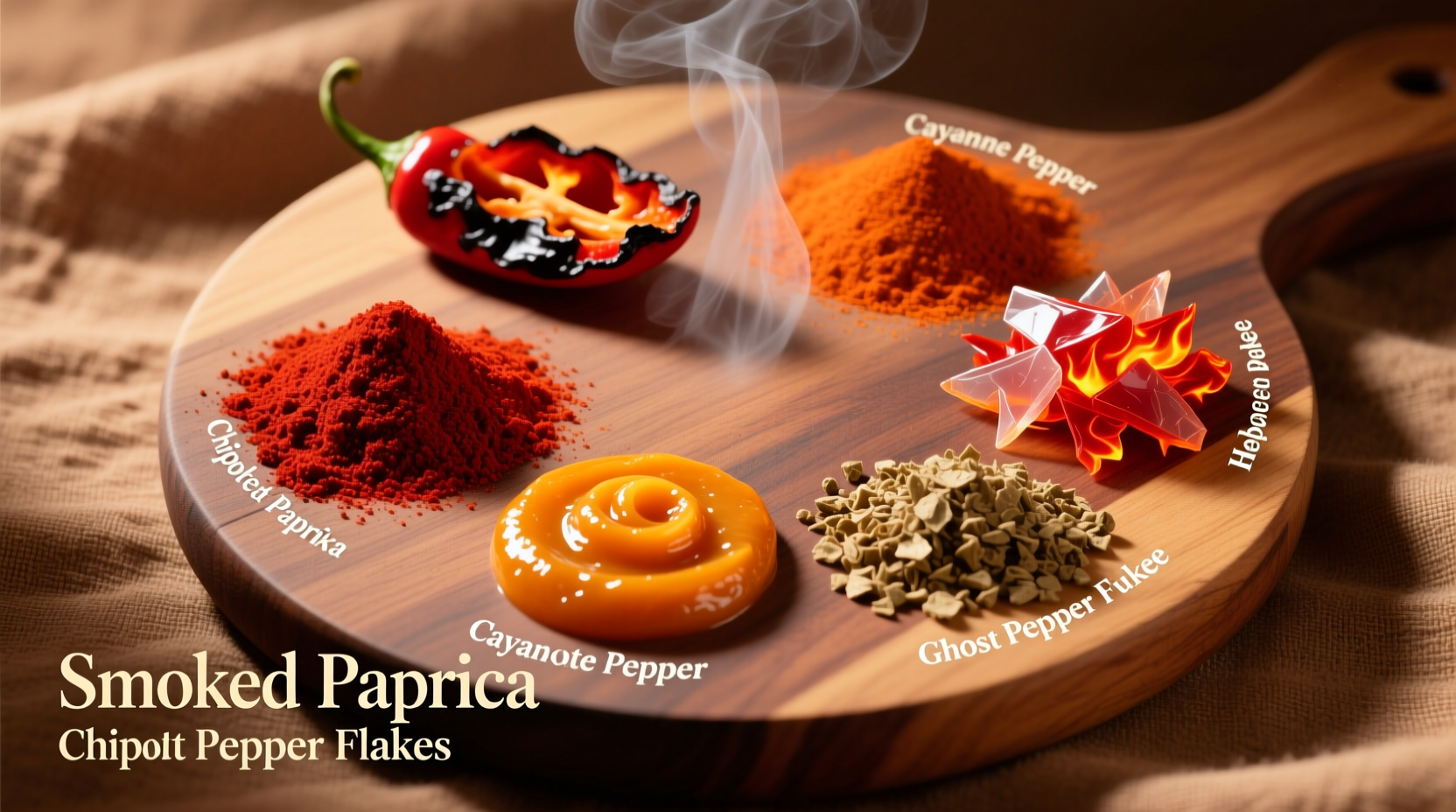
Absolutely. Blending cayenne (for heat) with a touch of smoked paprika (for depth) and a hint of ground guajillo (for color and tang) creates a sophisticated stand-in. Experiment in small batches first.
What dishes absolutely require chili de árbol?
Authentic Mexican recipes like salsa taquera, chicken enchiladas verdes with red sauce, or carne seca con chile rely on its precise heat-to-flavor ratio. Outside those contexts, substitutions work beautifully.
Are all chili de árbol products equal?
No. Quality varies by origin, drying method, and storage. Mexican-grown chiles tend to have brighter acidity than mass-produced imports. Buy from specialty spice vendors or Latin markets for superior consistency.
Quick Checklist: Choosing the Right Substitute
- Need pure heat? → Use cayenne (reduce amount)
- Want texture and slow release? → Use crushed red pepper flakes
- Seeking bright, citrusy fire? → Try dried Thai bird’s eye chiles
- Looking for balanced complexity? → Make a guajillo-cayenne blend
- Want wild, regional authenticity? → Use chile pequin
- Have only sweet/smoky chiles? → Avoid unless adjusting entire recipe profile
Summary & Key Takeaways
Chili de árbol occupies a unique niche: a high-heat, low-smoke chile with a bright, almost vinegary edge that cuts through rich dishes. While irreplaceable in certain traditional preparations, several effective substitutes allow flexibility without sacrificing intensity.
Cayenne pepper offers the most accessible swap, though it demands careful measurement due to increased heat. Crushed red pepper flakes serve well in casual cooking, especially when finely ground. Dried Thai bird’s eye chiles deliver unmatched clarity and fire, ideal for fusion or heat-forward applications. A blended approach—such as combining guajillo with cayenne—adds dimension and authenticity. Finally, chile pequin provides a wild, terroir-driven option for those seeking deeper cultural resonance.
The secret to successful substitution lies not in perfect replication, but in understanding function: Is the chile providing background warmth, explosive heat, or structural color? Match intent, not just numbers. With these five alternatives, your kitchen remains equipped to ignite flavor—no matter what’s in stock.
Final Thought: Keep a small jar of pre-mixed “chili de árbol substitute blend” (2:1 guajillo to cayenne) labeled and ready. It bridges gaps seamlessly and introduces home cooks to the art of chile blending—a foundational skill in global cuisines.