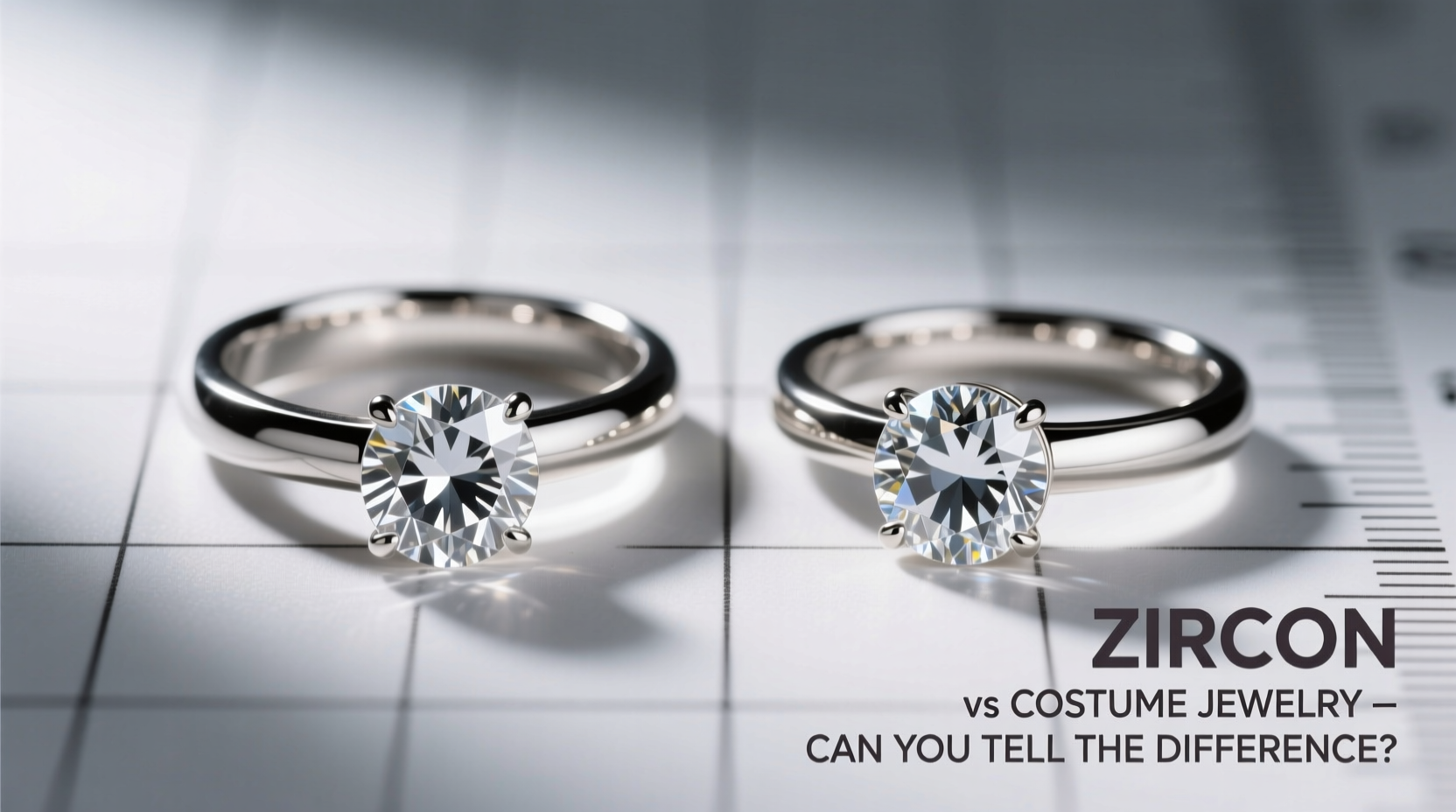
When shopping for an engagement ring, fashion accessory, or gift, many consumers face a dilemma: should they invest in a zircon ring or opt for something more affordable like costume jewelry? With advancements in synthetic gemstones and metal plating, the visual gap between high-end and budget-friendly options has narrowed significantly. But can the average person truly distinguish zircon from costume jewelry just by looking? The answer isn’t as straightforward as it seems—and depends on lighting, setting, context, and observer experience.
Understanding the Materials: Zircon vs Costume Jewelry
Zircon—often confused with cubic zirconia—is a naturally occurring mineral known for its brilliance and fire. Natural zircon is rare and valuable, but most zircon used in modern jewelry is lab-created or heat-treated to enhance clarity and color. It ranks around 6.5–7.5 on the Mohs hardness scale, making it relatively durable for everyday wear.
Costume jewelry, on the other hand, refers to non-precious materials such as base metals (e.g., brass, nickel), glass stones, rhinestones, or plastic gems. These pieces are designed for fashion rather than longevity. They often feature gold or silver plating over inexpensive alloys and use imitation stones that mimic diamonds or colored gems.
The key distinction lies not only in material quality but also in construction. Zircon rings typically have better craftsmanship, secure prong settings, and higher-quality metal bands, whereas costume jewelry may use glue-set stones, thin banding, and flimsy clasps.
“While zircon has optical properties close to diamond, costume jewelry relies more on surface shine than structural integrity.” — Dr. Lena Patel, Gemologist and Jewelry Appraiser
Visual Differences Under Close Inspection
To the untrained eye, both types of rings might look dazzling under store lights. However, several subtle cues can reveal the truth:
- Brilliance and Fire: Zircon disperses light strongly, creating noticeable rainbow flashes (fire). Costume stones often have uniform sparkle without depth.
- Weight: Zircon rings feel heavier due to denser materials. Costume pieces tend to be lightweight.
- Clarity: High-grade zircon has fewer visible inclusions. Costume gems may show bubbles, scratches, or internal flaws even when new.
- Metal Quality: Real zircon rings are usually set in sterling silver, white gold, or platinum. Costume versions use plated metals that tarnish quickly.
Comparison Table: Key Features at a Glance
| Feature | Zircon Ring | Costume Jewelry Ring |
|---|---|---|
| Stone Type | Natural or lab-grown zircon | Plastic, glass, or low-grade crystal |
| Hardness (Mohs) | 6.5–7.5 | 3–5 |
| Metal Base | Sterling silver, gold, platinum | Brass, alloy, with plating |
| Durability | Good; resists scratches with care | Poor; prone to chipping, tarnishing |
| Lifespan | Years with proper maintenance | Months to one year |
| Price Range | $50–$300+ | $5–$30 |
A Real-World Scenario: At a Dinner Party
Sophie wore her new zircon solitaire ring to a friend’s birthday dinner. Seated across from her was Maria, a jewelry designer who works with fine stones daily. When Maria complimented the ring, Sophie hesitated before admitting it wasn’t a diamond—but clarified it was a natural zircon set in sterling silver.
Maria examined it briefly under candlelight and said, “It’s well-cut. I’d have guessed it was moissanite if you hadn’t told me. Most people wouldn’t know the difference unless they had a loupe.”
This illustrates a critical point: in social settings, especially casual ones, even experienced observers may not immediately identify a zircon ring as anything less than fine jewelry. The setting, cut, and cleanliness play larger roles in perceived value than the stone type alone.
How to Make Your Zircon Ring Look More Convincing
If you want your zircon ring to pass as high-end, attention to detail matters. Here’s how to maximize its authenticity:
- Choose a classic setting: Solitaire, halo, or three-stone designs mimic traditional engagement rings and draw less suspicion.
- Keep it clean: Dirt dulls any gemstone. Clean weekly with mild soap and a soft brush.
- Avoid mixed metals: Don’t pair your zircon ring with obviously fake accessories. Cohesive styling enhances credibility.
- Inspect regularly: Check prongs and settings monthly. Loose stones signal poor quality, regardless of material.
- Buy from reputable sellers: Well-cut zircons from trusted jewelers outshine poorly proportioned stones, even in costume pieces.
Checklist: Can Others Tell? What Influences Perception
- ✅ Is the ring worn frequently in public? → Higher chance of scrutiny
- ✅ Is the metal tarnishing or peeling? → Immediate red flag
- ✅ Does the stone show excessive cloudiness or rainbow glare? → May suggest zircon or imitation
- ✅ Is the band thin or misshapen? → Common in costume jewelry
- ✅ Are there brand markings inside the band? → Absence may raise doubts
Frequently Asked Questions
Is zircon considered fake jewelry?
No. Zircon is a real mineral, though often lab-enhanced. It’s different from cubic zirconia, which is entirely synthetic. While not as valuable as diamond, zircon is a legitimate gemstone used in fine and semi-fine jewelry.
Will people think I’m pretending to have a diamond if I wear a zircon ring?
Some might assume it’s a diamond substitute, but this isn’t necessarily negative. Many appreciate the beauty and affordability of zircon. Transparency about your choice can turn judgment into admiration for your informed decision.
Can a jeweler tell the difference instantly?
Yes. Using a loupe or refractometer, a professional can identify zircon by its double refraction and specific gravity. Costume jewelry stones lack these precise optical traits and are easier to spot.
Final Thoughts: Value Beyond Appearance
The question isn’t just whether people can tell the difference—it’s whether they care. For daily wear, fashion statements, or temporary commitments like engagements before a future upgrade, zircon offers elegance without financial strain. Costume jewelry serves a similar purpose but lacks durability.
In reality, most people don’t scrutinize others’ rings closely. What stands out more than stone type is confidence, personal style, and how well the piece is maintained. A clean, well-fitting zircon ring in a thoughtful design will always command more respect than a flashy, damaged piece—regardless of price tag.
“Jewelry tells a story. Whether it’s heirloom gold or a modest zircon, what matters is the meaning behind it.” — Rafael Mendez, Jewelry Historian💬 Have you ever been asked about your ring’s authenticity? Share your experience and help others navigate the world of affordable elegance with confidence.









