Beyond their function as decorative accessories, brooches carry subtle narratives shaped by seasonality, culture, and fashion cycles. Retailers often categorize them into “winter” and “spring” collections, prompting consumers to refresh their accessory wardrobes with the changing calendar. But is this distinction rooted in genuine stylistic and symbolic differences, or is it merely a marketing tactic designed to encourage repeat purchases? The answer lies somewhere in between—seasonal brooch trends reflect real shifts in color, material, and motif, but they are also amplified by commercial strategies that align fashion with nature’s rhythm.
The Symbolism of Seasons in Jewelry Design
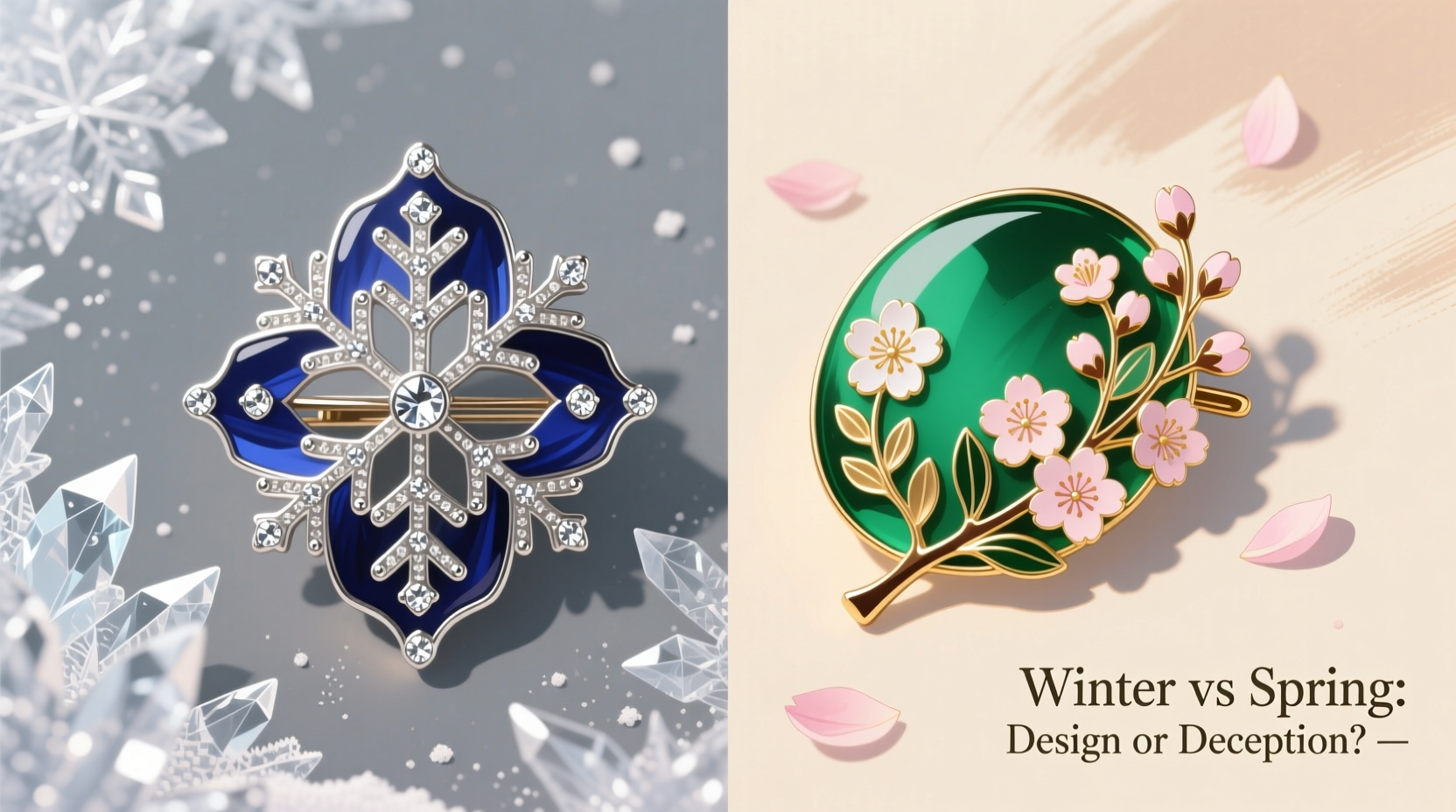
Jewelry has long mirrored natural cycles. In historical and cultural contexts, motifs tied to seasons were used to signify renewal, harvest, dormancy, and rebirth. Winter brooches traditionally feature imagery associated with cold-weather symbolism: snowflakes, evergreen branches, frost patterns, deer, or celestial elements like stars and moons. These designs evoke stillness, introspection, and the quiet beauty of snow-covered landscapes.
In contrast, spring brooches celebrate emergence and vitality. Common motifs include blooming flowers (tulips, cherry blossoms, daffodils), butterflies, birds, bees, and fresh greenery. These symbols represent growth, energy, and the return of life after winter’s dormancy. The emotional tone differs significantly—one evokes calm and elegance, the other joy and rejuvenation.
“Seasonal jewelry isn’t just about aesthetics; it taps into our psychological connection to nature. We respond emotionally to symbols that mirror the world outside our windows.” — Dr. Lila Montgomery, Cultural Anthropologist & Fashion Historian
Material and Craft Differences Between Seasons
The choice of materials in brooch design often aligns with seasonal themes, both for visual effect and practical wearability.
Winter brooches frequently use cooler-toned metals like silver, white gold, or platinum. Gemstones such as clear quartz, amethyst, aquamarine, sapphire, and white topaz are common, mimicking ice, snow, and twilight skies. Enamel work tends toward deep blues, silvers, and blacks, reinforcing a wintry palette. Textural elements like hammered metal or frosted finishes enhance the icy aesthetic.
Spring brooches lean into warmth and vibrancy. Yellow gold, rose gold, and mixed metals dominate. Colored gemstones like peridot, citrine, garnet, pink tourmaline, and emerald appear more frequently. Enamel takes on soft pastels—mint green, blush pink, sky blue, lavender—reflecting early blooms and milder weather. Lighter weight construction is typical, as these pieces are meant to complement lighter clothing.
Tip: When selecting a seasonal brooch, consider how its weight and metal type interact with your wardrobe. Heavier silver pieces suit wool coats; delicate gold accents pair better with linen and cotton.Comparative Analysis: Winter vs Spring Brooch Features
| Feature | Winter Brooch | Spring Brooch |
|---|---|---|
| Common Motifs | Snowflakes, pinecones, deer, stars, icicles | Flowers, butterflies, birds, eggs, buds |
| Color Palette | Cool tones: silver, blue, white, black, gray | Warm pastels: pink, yellow, green, peach, lilac |
| Primary Metals | Silver, white gold, platinum | Yellow gold, rose gold, brass |
| Stone Types | Diamonds, cubic zirconia, sapphires, moonstone | Colored gems, glass cabochons, resin stones |
| Weight & Size | Often larger, heavier for outerwear | Smaller, lightweight for blouses and scarves |
| Wearing Context | Coats, sweaters, evening wear | Blazers, dresses, light jackets |
Marketing Influence: Creating Seasonal Demand
While design distinctions exist, the retail push for seasonal brooch changes is undeniably strategic. Fashion brands rely on quarterly product rotations to maintain consumer interest and drive sales. By labeling certain styles as “winter-only” or “spring essentials,” retailers create a sense of urgency and exclusivity.
Limited-edition releases, holiday-themed packaging, and influencer campaigns reinforce the idea that accessories should evolve with the seasons. This strategy works because it aligns with broader lifestyle rituals—changing wardrobes, redecorating homes, and celebrating seasonal holidays. However, it can also lead to overconsumption, especially when the differences between “winter” and “spring” brooches are minimal beyond color or minor detailing.
A vintage-inspired floral brooch in silver enamel might be marketed as a spring piece, yet worn elegantly on a gray coat in December. Similarly, a geometric snowflake design in rose gold could add whimsy to a spring equinox outfit. The boundaries are fluid, yet marketing often presents them as rigid.
Mini Case Study: The Evergreen Brooch Rebrand
In 2022, a mid-tier accessories brand released a pine branch brooch in matte silver with small crystal accents. Marketed as a “Winter Statement Piece,” it appeared in holiday catalogs and gift guides. Six months later, the same design returned—with no structural changes—labeled as a “Woodland Elegance Spring Accent” in pastel-themed lookbooks. Customer reviews noted the identical craftsmanship and dimensions. While the core design was versatile, the rebranding successfully drove a second wave of sales among trend-conscious shoppers unaware of the duplication.
This example illustrates how perception, not substance, can define seasonality in fashion accessories.
How to Choose Based on Style, Not Just Season
Instead of following seasonal labels blindly, consider personal expression and practicality. A brooch should complement your style, wardrobe, and lifestyle—not just the month on the calendar.
- Assess your clothing palette: Do you wear more neutrals in winter? Then a bold spring-colored brooch can add contrast. If your spring wardrobe is already bright, a monochrome winter-style piece may offer balance.
- Consider layering needs: Winter outfits require bulkier pins that secure thick fabrics. Spring calls for subtler fasteners that won’t damage lightweight silks.
- Evaluate longevity: Invest in timeless designs—like a classic floral or abstract geometric—that transcend seasonal trends.
“Versatility is the hallmark of great accessory design. The best brooches aren’t locked to a season—they adapt to the wearer’s story.” — Marcus Reed, Jewelry Designer & Curator at The Modern Pin Collection
Actionable Checklist: Selecting the Right Brooch Year-Round
- Identify the dominant colors in your seasonal wardrobe.
- Choose a brooch metal that matches your most-worn clothing buttons or accessories.
- Ensure the pin mechanism is strong enough for the fabric weight.
- Prioritize designs with symbolic meaning to you, not just seasonal relevance.
- Test versatility by wearing the brooch across multiple outfits and seasons.
Frequently Asked Questions
Can I wear a winter brooch in spring?
Absolutely. A silver snowflake brooch can serve as a striking contrast against a pastel dress, creating an intentional juxtaposition. Fashion thrives on creative layering of themes.
Are spring brooches less durable than winter ones?
Not inherently. Durability depends on craftsmanship, not season. However, some spring brooches use resin or painted details that may be less resilient to moisture or abrasion. Always check material quality regardless of season.
Do vintage brooches follow the same seasonal rules?
Rarely. Vintage pieces were often made for specific occasions rather than broad seasonal categories. A 1950s rhinestone flower brooch wasn’t labeled “spring”—it was simply elegant wear. Their timelessness makes them ideal for breaking modern seasonal norms.
Conclusion: Beyond the Calendar
The distinction between winter and spring brooches holds artistic and symbolic merit, grounded in color theory, natural inspiration, and wearable functionality. Yet, the insistence on seasonal replacement is largely driven by marketing cycles eager to turn accessories into disposable trends. True style lies not in adhering to arbitrary dates, but in curating pieces that resonate personally and endure across months.
You don’t need a new brooch every March or October. Instead, build a collection that reflects your taste, values quality over novelty, and embraces the freedom to mix seasons. Whether it’s a frost-kissed design in May or a blooming orchid in January, let your accessories tell your story—not the retailer’s.
💬 What’s your favorite brooch, regardless of season? Share your go-to pin and how you style it year-round—we’d love to hear your approach to timeless accessorizing!