
Reading is the foundation of learning across all subjects, yet many students struggle to develop strong literacy skills. While classroom instruction provides broad exposure, individualized support through reading tutoring offers targeted strategies that address specific challenges. Unlike one-size-fits-all teaching methods, tutoring adapts to the learner’s pace, style, and needs—making it one of the most effective tools for improving reading proficiency. The benefits extend beyond fluency and comprehension; they include increased confidence, better academic performance, and long-term cognitive development.
The Science Behind Why Reading Tutoring Works
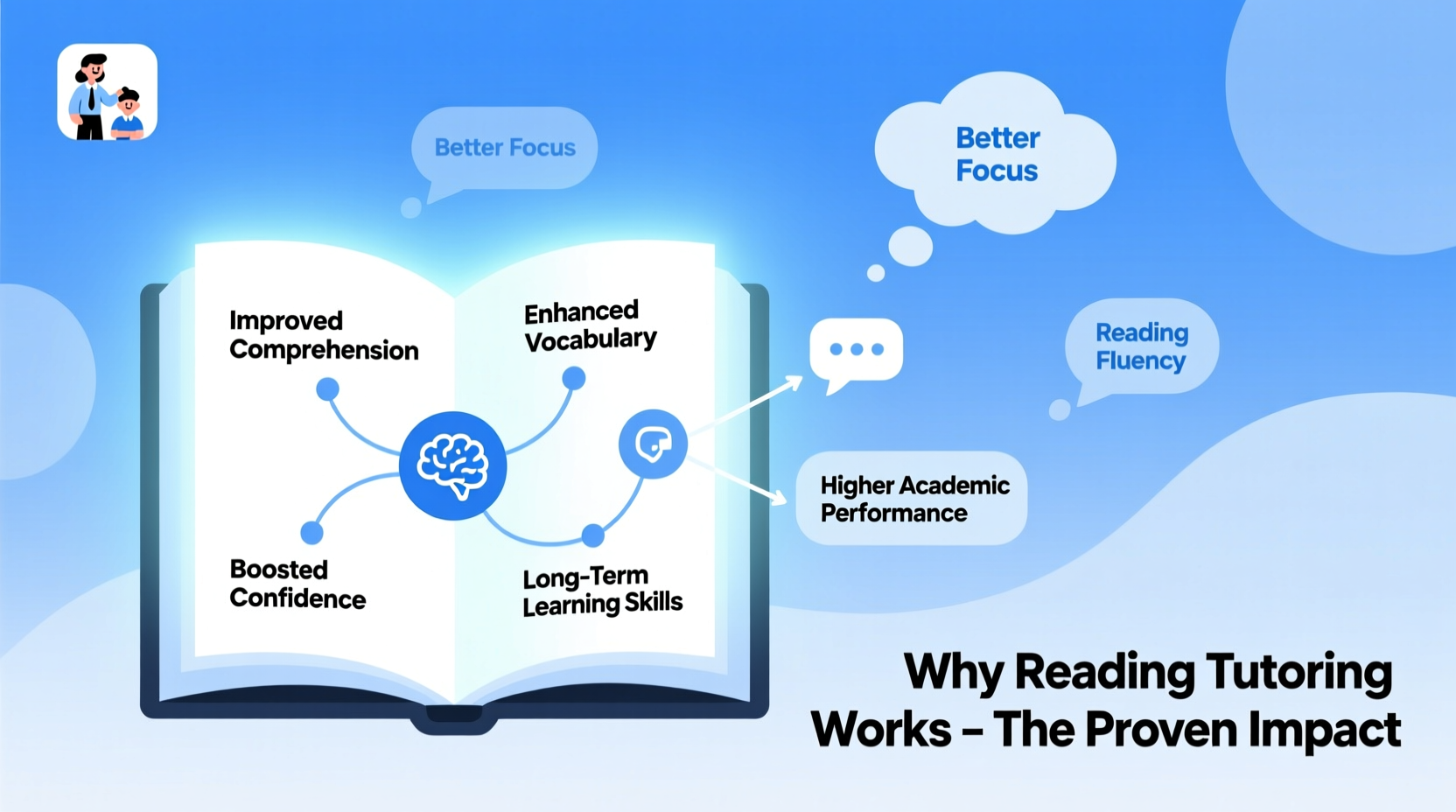
Reading tutoring is not just about sounding out words or memorizing sight vocabulary. It's rooted in evidence-based practices that align with how the brain learns to read. Research consistently shows that structured, explicit instruction in phonemic awareness, phonics, fluency, vocabulary, and comprehension yields measurable gains—especially when delivered one-on-one.
Neurological studies reveal that consistent, personalized reading intervention can rewire neural pathways in struggling readers. When a tutor identifies a student’s exact point of difficulty—whether it’s blending sounds, decoding multisyllabic words, or making inferences—the instruction becomes highly efficient. This precision reduces frustration and accelerates progress.
“Targeted tutoring activates underused regions of the brain responsible for language processing, effectively closing the gap between struggling and proficient readers.” — Dr. Maryanne Wolf, Cognitive Neuroscientist and Literacy Expert
Furthermore, the emotional safety of a one-on-one setting allows students to take risks without fear of judgment. They’re more likely to ask questions, repeat challenging passages, and engage actively—elements rarely possible in a full classroom.
Key Benefits of Reading Tutoring
The advantages of reading tutoring go far beyond improved test scores. Here are some of the most impactful benefits observed in students who receive regular, high-quality tutoring:
- Personalized pacing: Tutors adjust the speed and complexity of lessons based on real-time feedback, ensuring mastery before moving forward.
- Improved comprehension: Students learn strategies like summarizing, predicting, and questioning, which deepen understanding of texts.
- Enhanced confidence: As reading skills grow, so does self-esteem. Students begin to see themselves as capable learners.
- Better focus and attention: Short, goal-oriented sessions train sustained concentration, a skill that transfers to other subjects.
- Stronger foundational skills: Early intervention prevents minor gaps from becoming major deficits in later grades.
- Homework and classroom support: Tutors often help students apply reading strategies directly to school assignments, reinforcing learning in context.
What Makes Effective Reading Tutoring Different?
Not all tutoring is equally effective. The difference lies in methodology, consistency, and relationship-building. Successful reading tutoring includes several key components:
- Diagnostic assessment: A skilled tutor begins by evaluating the student’s current level across all reading domains—not just grade-level placement.
- Structured curriculum: Lessons follow a logical sequence, building from simple to complex skills with systematic review.
- Active engagement: Students aren’t passive recipients. They participate in discussions, retell stories, and practice new strategies immediately.
- Progress monitoring: Regular check-ins track growth and inform adjustments to instruction.
- Parent-tutor communication: Families stay informed and involved, reinforcing learning at home.
Do’s and Don’ts of Choosing a Reading Tutor
| Do | Don't |
|---|---|
| Hire someone with training in evidence-based reading instruction (e.g., Orton-Gillingham, LETRS) | Rely solely on general homework help without a reading-specific plan |
| Ensure sessions are consistent (at least 2–3 times per week) | Expect rapid results after only a few sessions |
| Ask for progress reports and lesson summaries | Allow tutoring to replace classroom effort—students should still engage in school reading |
| Encourage your child to share what they learned | Pressure the child to perform or quiz them aggressively at home |
A Real-Life Example: How Tutoring Transformed Maya’s Reading Journey
Maya, a 9-year-old fourth grader, was two years below grade level in reading. She avoided books, stumbled over basic words, and often guessed instead of decoding. Her parents tried various apps and extra worksheets, but progress stalled. Frustration turned into avoidance.
After starting weekly tutoring with a specialist trained in dyslexia intervention, Maya began using a structured phonics program. Her tutor used multi-sensory techniques—tracing letters in sand, tapping out syllables, and building word families with tiles. Within six weeks, she could decode unfamiliar words independently. By month four, she was reading short chapter books aloud with expression.
The change wasn’t just academic. Maya volunteered to read in class, checked out books from the library, and even started writing her own stories. Her teacher noted a dramatic shift in participation and confidence. “She went from hiding behind her hair to raising her hand every day,” her mother said.
Step-by-Step Guide to Getting Started with Reading Tutoring
If you're considering tutoring for a child who struggles with reading, follow this practical timeline to ensure success:
- Assess the need: Review report cards, standardized tests, or teacher feedback. Look for signs like slow reading, poor spelling, or avoidance of reading tasks.
- Seek evaluation: If concerns persist, request a formal reading assessment from a school specialist or private evaluator.
- Find the right tutor: Look for credentials in structured literacy, experience with your child’s age group, and positive references.
- Set clear goals: Work with the tutor to define measurable objectives—e.g., “Read 80 words per minute with 90% accuracy by December.”
- Establish routine: Schedule sessions during consistent times (after school, weekends) and minimize distractions.
- Monitor progress: Review session notes, attend periodic meetings, and celebrate small wins to maintain motivation.
- Integrate at home: Encourage daily reading—even 15 minutes of shared reading strengthens skills and builds habits.
Frequently Asked Questions
How soon will I see improvement in my child’s reading?
Most students show noticeable gains within 6–8 weeks of consistent tutoring (2–3 sessions per week). However, the timeline depends on the severity of the challenge, frequency of sessions, and engagement level. Early intervention typically leads to faster progress.
Can online reading tutoring be as effective as in-person?
Yes—when conducted via a reliable platform with interactive tools (digital whiteboards, shared documents, real-time feedback). Many students feel more comfortable learning from home, and online access expands options for specialized tutors regardless of location.
Is reading tutoring only for children with learning disabilities?
No. While tutoring is especially beneficial for students with dyslexia or language-based learning differences, it also helps those who are simply behind due to gaps in early instruction, absenteeism, or lack of practice. High achievers may also benefit from enrichment tutoring to develop advanced comprehension and critical thinking skills.
Conclusion: Unlock Every Child’s Reading Potential
Reading tutoring works because it meets students where they are—and guides them forward with precision, patience, and purpose. Its impact is not temporary; it reshapes how a child interacts with text, knowledge, and learning for life. Whether a student is falling behind or aiming to excel, personalized reading support provides the tools to succeed.
🚀 Ready to make a difference? Explore qualified reading tutors in your area or online today. Start with an assessment, set a goal, and take the first step toward confident, capable reading. Your child’s future self will thank you.