In markets across Mexico, Central America, and parts of the Caribbean, you’ll often find a deep red herbal infusion labeled “agua de Jamaica.” The name might surprise those unfamiliar with the region’s culinary traditions—after all, the drink isn’t made from Jamaican fruit or imported from the island nation. Instead, it’s brewed from dried hibiscus flowers, specifically *Hibiscus sabdariffa*. So why is hibiscus called Jamaica? The answer lies in a fascinating blend of linguistic evolution, colonial trade routes, and cultural adaptation that spans continents and centuries.
The term “Jamaica” in this context has nothing to do with the English-speaking island country in the Caribbean. Rather, it reflects a phonetic transformation rooted in African languages and filtered through Spanish-speaking communities in the Americas. Understanding this naming quirk offers insight into how food traditions travel, transform, and take on new identities far from their origin.
The Botanical Identity: What Is Hibiscus Sabdariffa?
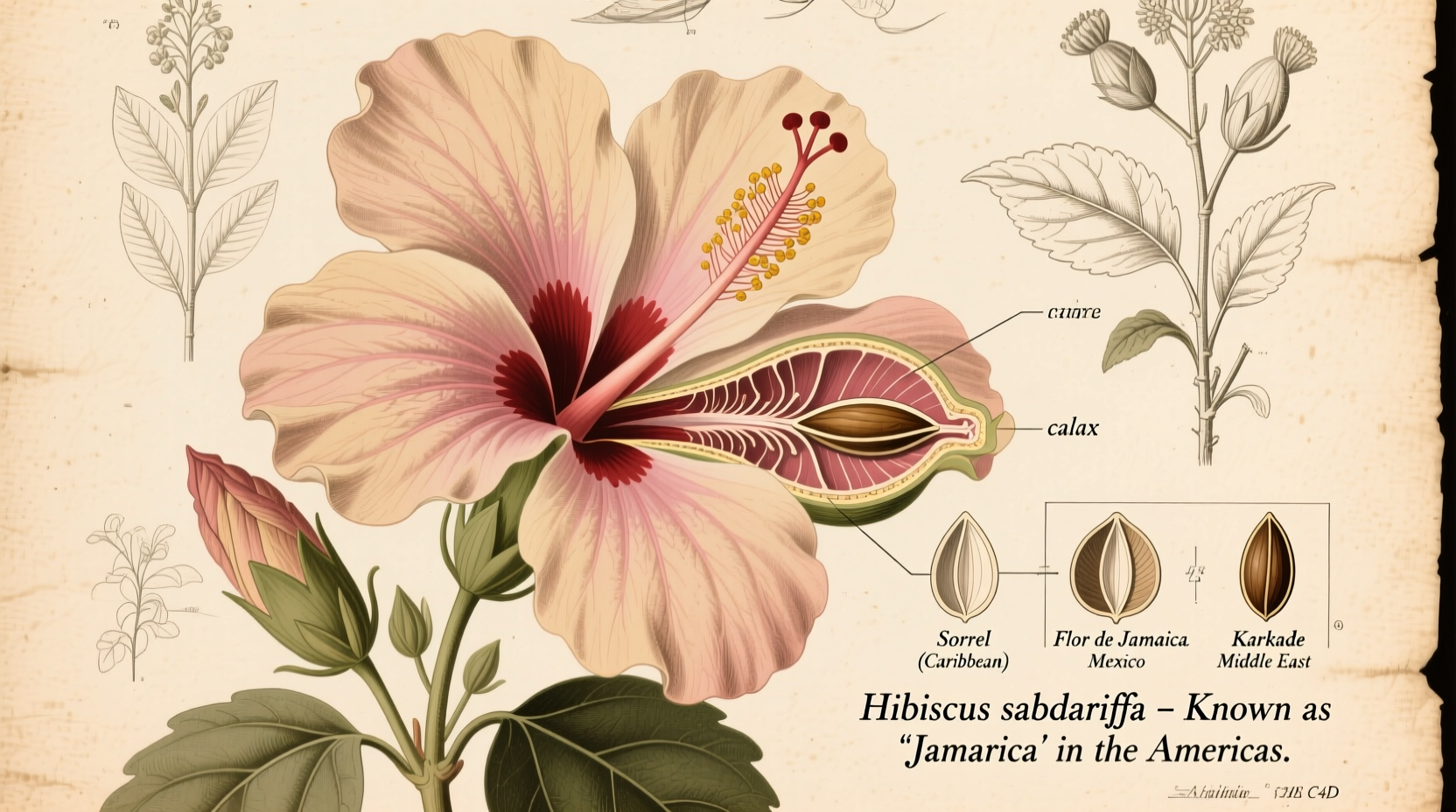
*Hibiscus sabdariffa*, commonly known as roselle, is a species of flowering plant in the Malvaceae family. Native to West Africa and parts of South Asia, it has been cultivated for centuries for its edible calyces—the fleshy red structures that form after the flower blooms. These calyces are tart, cranberry-like in flavor, and rich in vitamin C and antioxidants, making them ideal for teas, syrups, jams, and cold beverages.
In Nigeria, the plant is known as “zobo,” in Sudan as “karkade,” and in Thailand as “nam dok anchan.” Each culture has developed unique preparations, but the core ingredient remains the same. When enslaved Africans were brought to the Americas during the transatlantic slave trade, they carried agricultural knowledge with them—including the use of hibiscus in food and medicine.
Tip: When buying dried hibiscus for tea, look for deep crimson petals with a strong tart aroma—avoid dull or musty-smelling batches.Linguistic Roots: From \"Dialu\" to \"Jamaica\"
The most compelling theory behind the name traces back to the Mandinka people of West Africa. In their language, the hibiscus plant is referred to as “dialu” (pronounced dee-ah-loo), a term still used in parts of Gambia and Senegal. As African slaves were dispersed throughout the Spanish colonies, particularly in Mexico and the Yucatán Peninsula, they introduced the plant and its uses.
Spanish speakers, unfamiliar with the word “dialu,” adapted it phonetically. Over time, “dialu” morphed into “Jamaica”—not because of any geographic link to the island, but due to the similarity in sound. The shift likely occurred through a process of linguistic approximation common in creole development, where foreign words are reshaped to fit the phonetic patterns of a dominant language.
This phenomenon isn’t unique. Similar transformations appear in other food names: “plantain” comes from the Spanish “plátano,” which itself evolved from indigenous Caribbean terms; “okra” derives from the Igbo word “okuru.” Language, especially in multicultural societies, is fluid and adaptive.
“Names travel with people. When cultures merge, so do words—even if the original meaning gets reinterpreted along the way.” — Dr. Lila Mendez, Historical Linguist, Universidad Nacional Autónoma de México
Cultural Integration in Latin America
By the 18th and 19th centuries, hibiscus had become deeply embedded in Mexican culinary culture. Known as *flor de Jamaica*, it was used to make refreshing cold drinks, especially during hot weather. Vendors sold *aguas frescas*—light, non-alcoholic beverages made by steeping dried hibiscus in water, sweetening with sugar, and serving over ice.
The drink’s popularity grew not only for its taste but also for its perceived health benefits. Traditional healers used hibiscus tea to help regulate blood pressure and aid digestion. Today, agua de Jamaica remains a staple in Mexican households and restaurants, often paired with savory dishes like tacos or tamales.
Despite the lack of botanical or geographical connection to the island of Jamaica, the name stuck. It became so normalized that few consumers question its origin. In fact, many assume the plant must be native to the Caribbean island—proof of how effectively language can reshape perception.
How the Name Spread Across Regions
The use of “Jamaica” for hibiscus is most prevalent in Mexico and Central America. However, neighboring regions have their own variations:
- In the United States, especially in Latino communities, the term “Jamaica” is widely recognized thanks to imported beverages and grocery products.
- In the Caribbean islands, including Jamaica itself, the drink is typically called “sorrel,” another name for *Hibiscus sabdariffa*, derived from British colonial influence.
- In the Philippines, where Spanish colonization left a lasting impact, the tea is also known as “Jamaica” despite having no historical link to the island nation.
Comparative Naming Across Cultures
| Region | Local Name | Language Origin | Common Use |
|---|---|---|---|
| Mexico, Central America | Jamaica | Spanish (from African root) | Aguas frescas, iced tea |
| West Africa (Nigeria, Senegal) | Zobo, Dialu | Igbo, Mandinka | Herbal drink, ceremonial beverage |
| Egypt, Sudan | Karkade | Arabic | Hot or cold tea, medicinal |
| Caribbean (Jamaica, Trinidad) | Sorrel | English (colonial) | Christmas drink, spiced tea |
| Thailand | Nam Dok Anchan | Thai | Cooling drink, sometimes mixed with butterfly pea flower |
Mini Case Study: A Market Encounter in Oaxaca
Daniela, a first-time visitor to Oaxaca, Mexico, stopped at a street stall offering traditional aguas frescas. She pointed to the dark red liquid and asked, “Is this made from fruit from Jamaica?” The vendor smiled and explained that while it was called *Jamaica*, the drink came from a flower grown locally in dry climates. He showed her a packet of dried hibiscus labeled “flor de Jamaica” and described how his grandmother used to grow the plants in their backyard.
Daniela later researched the term and discovered the African roots of the name. Inspired, she started using dried hibiscus in her home kitchen in Chicago, labeling her jars with both “Hibiscus” and “Jamaica” to honor the dual identity of the plant. Her experience highlights how a simple misunderstanding can lead to deeper cultural appreciation.
Practical Guide: Using Hibiscus in Your Kitchen
Whether you call it Jamaica, karkade, or roselle, hibiscus is versatile and easy to use. Here’s how to incorporate it into your routine:
- Make Agua de Jamaica: Steep ½ cup dried hibiscus flowers in 4 cups of boiling water for 15 minutes. Strain, sweeten with sugar or honey, chill, and serve over ice with a slice of lime.
- Create a Syrup: Simmer equal parts water and sugar with hibiscus until reduced. Use in cocktails, lemonades, or drizzle over desserts.
- Add to Savory Dishes: Use powdered hibiscus as a tangy rub for meats or in salsas for brightness.
- Brew Hot Tea: Enjoy hibiscus tea warm with cinnamon or ginger for a soothing evening drink.
- Store Properly: Keep dried flowers in an airtight container away from light and moisture for up to a year.
Frequently Asked Questions
Is hibiscus tea the same as Jamaica tea?
Yes. “Jamaica tea” refers to the same beverage made from *Hibiscus sabdariffa*. The name is primarily used in Spanish-speaking countries and reflects a linguistic adaptation rather than a geographic origin.
Can I grow hibiscus labeled 'Jamaica' in my garden?
Absolutely. Roselle hibiscus can be grown in warm climates (USDA zones 9–11) or as an annual in cooler areas. It requires full sun, well-drained soil, and about 4–6 months of growing season to produce harvestable calyces.
Does drinking Jamaica tea have health benefits?
Studies suggest hibiscus tea may help lower blood pressure and support liver health due to its high antioxidant content. However, consult a healthcare provider before using it therapeutically, especially if you're on medication.
Conclusion: Embracing the Story Behind the Name
The story of why hibiscus is called Jamaica is more than a linguistic curiosity—it’s a testament to the resilience of cultural memory. Enslaved Africans preserved their knowledge of useful plants, embedding them into new environments under new names. Over time, “dialu” became “Jamaica,” not through error, but through the natural evolution of language in diverse societies.
Every time someone enjoys a glass of agua de Jamaica, they’re participating in a centuries-old tradition that bridges continents and histories. Recognizing the true origins of the name adds depth to the experience and honors the people who kept these practices alive.
🚀 Next time you sip a hibiscus drink, share its story. Educate others about its African roots and the journey that brought it to your glass. Culture lives in language—and in every flavorful sip.