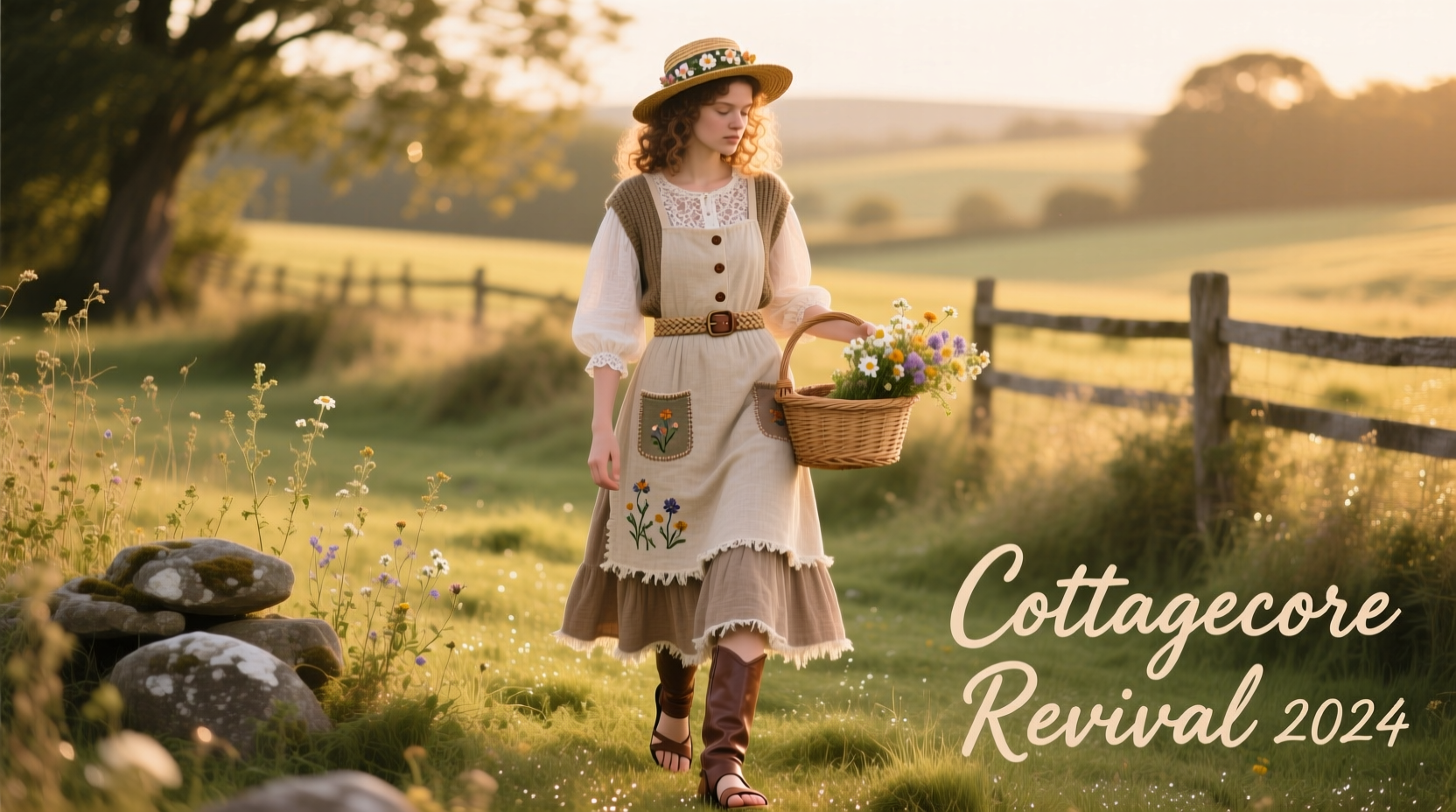
In an era defined by digital overload, climate anxiety, and urban burnout, a quiet revolution has taken root in the world of style: cottagecore. Once dismissed as a whimsical internet aesthetic, cottagecore fashion has reemerged as a powerful cultural statement—one that blends nostalgia, sustainability, and self-expression. What began as a niche trend on platforms like Tumblr and Pinterest has evolved into a full-fledged movement embraced by Gen Z, millennials, and even luxury designers. But what’s behind its resurgence? And more importantly, how can you incorporate this pastoral-inspired look into your everyday wardrobe without appearing costumey or out of touch?
Cottagecore isn’t just about floral dresses and lace-up boots—it's a response to modern life. It offers a visual and emotional escape to simpler times, imagined or real, where nature, craftsmanship, and slow living take precedence over speed and consumption. As cities grow noisier and lives become increasingly screen-dominated, the desire for authenticity has never been stronger. This article explores the forces driving cottagecore’s return, breaks down its modern interpretation, and provides actionable guidance on wearing it with confidence today.
The Cultural Resonance Behind the Revival
The return of cottagecore is less about fashion cycles and more about collective longing. In recent years, global disruptions—from pandemics to economic uncertainty—have shifted public values toward comfort, safety, and sustainability. Cottagecore taps directly into these emotions. Its imagery—rolling meadows, sun-dappled kitchens, hand-stitched quilts—evokes a sense of stability and care, offering psychological refuge from chaotic realities.
Social media plays a pivotal role. Platforms like TikTok and Instagram have amplified cottagecore through curated visuals and relatable narratives. Hashtags such as #cottagecore and #cottagecoreaesthetic have amassed billions of views, showcasing everything from vintage aprons to sourdough baking tutorials. These micro-moments of domestic tranquility resonate deeply, especially among younger generations seeking meaning beyond materialism.
Environmental consciousness also fuels the trend. As fast fashion faces increasing scrutiny, cottagecore aligns with eco-values through its emphasis on natural fabrics, secondhand clothing, and handmade items. Wearing linen, cotton, or wool isn’t just stylistic—it’s a subtle protest against synthetic materials and disposable culture.
“Cottagecore is not escapism—it’s reclamation. People are reclaiming agency over their time, their bodies, and their relationship with nature.” — Dr. Lila Monroe, Cultural Anthropologist, University of Edinburgh
Modern Cottagecore: From Fantasy to Wearable Style
While early cottagecore leaned heavily into romanticized fantasy—think prairie bonnets and barefoot woodland strolls—the current iteration is grounded in realism. Today’s version is adaptable, inclusive, and city-friendly. It’s not about abandoning urban life but integrating elements of rural charm into daily routines.
Designers have responded accordingly. Brands like Batsheva, Doen, and Christy Dawn produce elevated versions of smocks, puff-sleeve blouses, and tiered skirts using deadstock fabrics and ethical practices. Even mainstream labels such as & Other Stories and Reformation have launched cottagecore-adjacent collections featuring ruffled collars, eyelet embroidery, and earth-toned palettes.
The modern cottagecore wardrobe balances whimsy with wearability. A flowy midi dress might be paired with chunky loafers instead of delicate sandals, making it suitable for coffee runs or casual office settings. Linen shirts are worn untucked with wide-leg trousers, softening corporate silhouettes. The goal is harmony—not historical accuracy.
Tip: Start small—swap one modern piece for a cottagecore alternative each week. Try a puffed-sleeve top with your favorite jeans before committing to a full skirt set.Key Elements of Contemporary Cottagecore Fashion
To wear cottagecore authentically today, focus on core design features rather than literal interpretations. The following elements define the updated aesthetic:
- Natural Fabrics: Prioritize breathable materials like cotton, linen, hemp, and silk. These not only feel better against the skin but age gracefully.
- Soft Color Palette: Earth tones (moss green, oat beige, clay red), faded pastels (dusty rose, sky blue), and off-whites dominate. Avoid neon or metallic shades.
- Romantic Details: Ruffles, smocking, pintucks, lace trims, and puffed sleeves add gentle femininity without being overly ornate.
- Loose Silhouettes: Flowing lines replace tight fits. Think empire waists, drop shoulders, and A-line cuts that allow movement.
- Handcrafted Touches: Embroidery, crocheted patches, mending, or visible stitching signal intentionality and individuality.
Accessories complete the narrative. Woven baskets, wooden hair clips, leather satchels, and daisy-chain jewelry enhance the rustic vibe. Footwear ranges from clogs and ankle boots to simple canvas sneakers—functionality matters.
Do’s and Don’ts of Modern Cottagecore Styling
| Do | Don’t |
|---|---|
| Mix vintage with contemporary pieces for balance | Wear head-to-toe prairie looks in formal urban settings |
| Embrace visible mending as a style statement | Use synthetic fabrics disguised as “rustic” |
| Layer lightweight cardigans over slip dresses | Over-accessorize with too many competing textures |
| Choose sustainable brands or thrifted finds | Ignore fit—loose doesn’t mean shapeless |
| Style with confidence, not irony | Treat it as a costume rather than a lifestyle expression |
How to Wear Cottagecore in 2024: A Step-by-Step Guide
Integrating cottagecore into your existing wardrobe doesn’t require a closet overhaul. Follow this five-step process to build a cohesive, wearable look:
- Assess Your Lifestyle Needs
Consider where and how you’ll wear these pieces. Office workers might lean into tailored tea dresses and button-downs, while creatives can experiment with layered skirts and open-knit sweaters. - Build a Base Layer
Start with versatile staples: a high-neck linen blouse, a wrap-style midi skirt, or wide-leg cotton trousers. Neutral colors ensure mix-and-match potential. - Add Romantic Accents
Introduce one or two statement details—like a puff-sleeve top or a lace-trimmed camisole. These serve as focal points without overwhelming the outfit. - Choose Nature-Inspired Accessories
Select one or two accessories that reflect the theme: a wicker tote, braided leather belt, or floral hairpin. Keep it minimal to avoid clutter. - Ground the Look with Practical Footwear
Pair delicate fabrics with sturdy shoes—tan clogs, suede ankle boots, or minimalist white sneakers keep the outfit balanced and walkable.
Real-Life Example: Maya’s Urban Cottagecore Journey
Maya, a 28-year-old graphic designer in Portland, Oregon, felt disconnected from her wardrobe during remote work. Her closet was filled with stretchy black pants and logo tees—functional but uninspiring. After discovering cottagecore on TikTok, she began experimenting with vintage shops and slow-fashion brands.
She started with a cream-colored linen button-down featuring tiny smocking at the chest. Paired with high-waisted denim and brown leather clogs, it transformed her home-office look. Encouraged, she added a tiered rust-colored midi skirt and a hand-embroidered peasant top. Over six months, she replaced 30% of her wardrobe with thoughtfully sourced pieces.
“It wasn’t about dressing like I lived on a farm,” she says. “It was about feeling connected—to my clothes, my body, and the seasons. Now when I get dressed, it feels intentional.”
Maya’s approach reflects the essence of modern cottagecore: personalization over perfection, mindfulness over mimicry.
Styling Checklist: Build Your Cottagecore Capsule Wardrobe
Use this checklist to curate a functional, seasonless collection:
- ☐ One puff-sleeve or ruffled blouse (linen or cotton)
- ☐ One tiered or A-line midi skirt (earth tone or floral print)
- ☐ One tea dress with a defined waist
- ☐ One oversized knit cardigan (cream or sage)
- ☐ One pair of practical footwear (clogs, loafers, or lace-up boots)
- ☐ One woven bag or leather satchel
- ☐ One accessory with botanical detail (wooden hair clip, daisy earrings)
- ☐ One piece with visible mending or handmade element
- ☐ At least three items sourced sustainably (vintage, thrifted, or eco-brand)
This capsule ensures versatility across seasons and occasions. Mix pieces with neutral basics like white tees or dark jeans to maintain modern relevance.
Frequently Asked Questions
Is cottagecore only for women?
No. While historically associated with feminine aesthetics, cottagecore has expanded to include gender-neutral and masculine expressions. Men and non-binary individuals embrace the trend through relaxed silhouettes, natural fabrics, and nature-inspired motifs—such as flannel shirts, suspenders, chore coats, and gardening-themed accessories. The ethos of simplicity and connection to nature transcends gender.
Can I wear cottagecore in a professional setting?
Yes, with thoughtful adaptation. Opt for structured pieces like a high-collared cotton blouse paired with tailored trousers or a knee-length pleated skirt. Avoid excessive ruffles or sheer fabrics. Stick to muted tones and polished footwear. Many creative industries—especially in design, education, and wellness—welcome this softer aesthetic.
Isn’t cottagecore unrealistic for city dwellers?
Not at all. The appeal lies in symbolism, not geography. You don’t need a garden to appreciate the values cottagecore represents—slowness, care, and intentionality. Wearing a linen dress in Brooklyn or carrying a basket bag in Seoul is a personal declaration of values, not a claim of rural residence.
Conclusion: Embrace the Quiet Rebellion
Cottagecore’s resurgence is more than a trend—it’s a quiet rebellion against the relentless pace of modern life. By choosing soft fabrics over synthetics, handmade details over mass production, and nature-inspired designs over industrial minimalism, you make a statement about what matters to you. It’s not about rejecting progress, but about reclaiming humanity in how we live and dress.
Wearing cottagecore today means blending nostalgia with realism, romance with resilience. Whether you adopt it fully or integrate a few mindful pieces, the goal is alignment—with your values, your environment, and your inner rhythm.
💬 Ready to start your cottagecore journey? Share your first styled look in the comments or tag a friend who embodies slow fashion. Let’s grow this movement together—one stitch at a time.








