Watering your houseplant once a week sounds like a responsible routine. You’re consistent, attentive, and doing what you believe is right. Yet, despite your efforts, your plant continues to droop, yellow, or die. This frustrating cycle is more common than you think — and it’s rarely about neglect. In fact, overwatering is the leading cause of indoor plant death, and a rigid weekly schedule often contributes to it. The truth is that plants don’t thrive on calendars; they respond to their environment, species needs, and soil conditions. Understanding this disconnect between routine and reality is the first step toward becoming a truly effective plant caregiver.
The Myth of the Weekly Watering Schedule
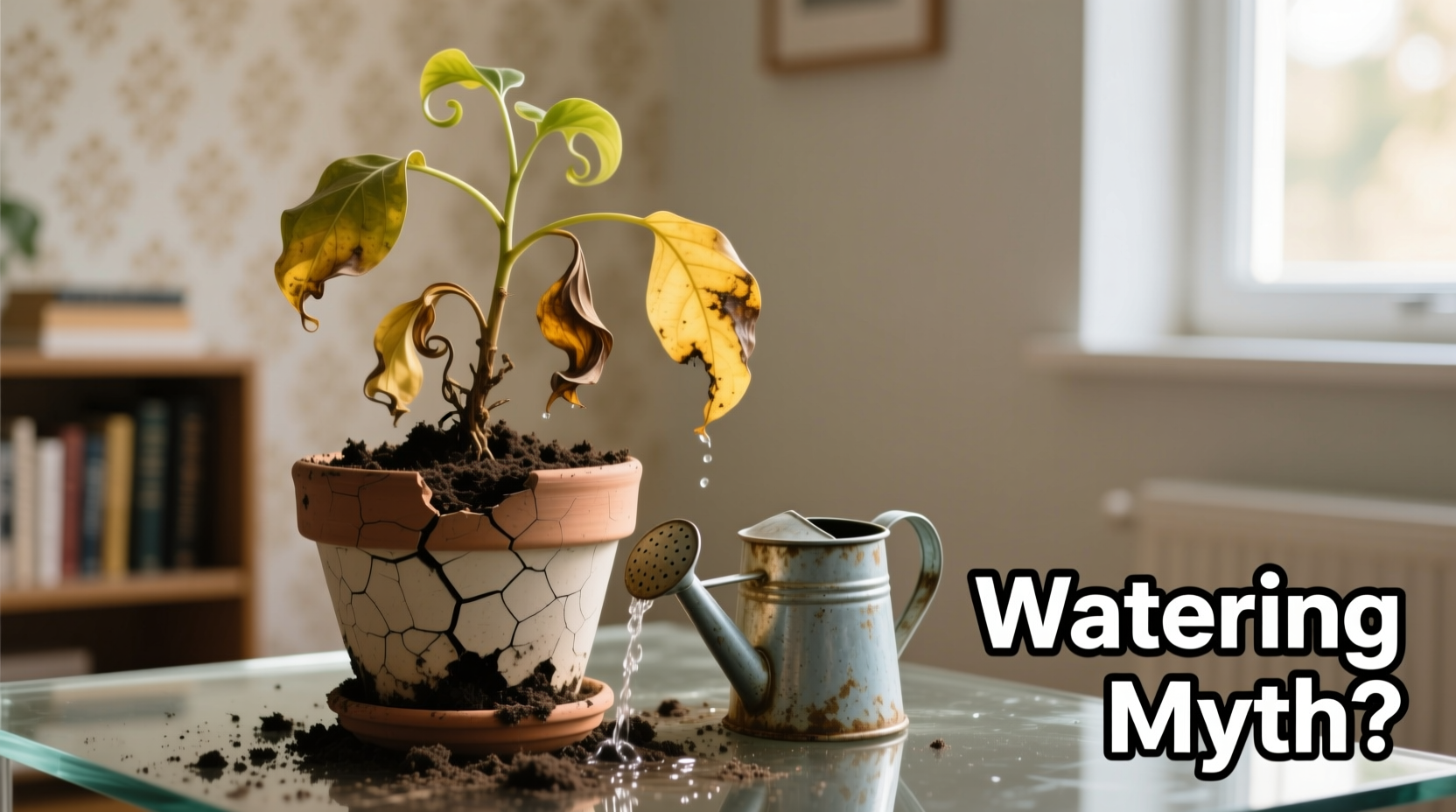
Many new plant owners adopt a weekly watering habit because it’s easy to remember. However, this one-size-fits-all approach ignores critical variables such as plant type, pot size, light exposure, humidity, and seasonality. A succulent in a terracotta pot under bright sunlight may need water every 10–14 days, while a tropical fern in a humid bathroom might require moisture twice a week. Conversely, a snake plant in a low-light corner could survive for weeks without water.
When you water on a fixed schedule, you risk ignoring the plant’s actual needs. Over time, excess moisture accumulates in the soil, leading to root rot — a silent killer that starts beneath the surface before visible symptoms appear above ground.
Tip: Always check the soil moisture before watering. Insert your finger two inches into the soil — if it feels damp, wait another day or two.Common Causes of Plant Death Despite Regular Watering
Dying plants aren’t always a result of underwatering. In fact, the opposite is far more common. Below are the primary reasons your plant may be struggling, even with weekly watering.
1. Overwatering and Root Rot
Overwatering suffocates plant roots by displacing oxygen in the soil. Roots need air as much as they need water. When soil remains constantly wet, roots begin to decay, making it impossible for the plant to absorb nutrients or water effectively — ironically mimicking signs of drought.
Symptoms include yellowing leaves, mushy stems, brown spots, and a foul odor from the soil. By the time these appear, significant root damage may have already occurred.
2. Poor Drainage
A pot without drainage holes traps water at the bottom, creating a reservoir that drowns roots. Even if you water moderately, poor drainage can turn a healthy plant into a drowning victim within days. Decorative outer pots (cache pots) often exacerbate this issue when saucers are left full of standing water.
3. Wrong Soil Type
Not all soils are created equal. Standard garden soil compacts easily indoors and retains too much moisture for most houseplants. Tropical plants need airy, well-draining mixes, while succulents and cacti require gritty, fast-drying blends. Using the wrong mix can trap moisture long after watering, increasing the risk of root rot.
4. Inadequate Light Conditions
Light drives photosynthesis and influences how quickly a plant uses water. A plant in low light transpires slowly, meaning it absorbs less water. Watering such a plant weekly — especially in winter — leads to soggy soil and stress. On the other hand, a sun-hungry plant placed in shade becomes weak and vulnerable, unable to process resources efficiently.
5. Pot Size Mismatch
A pot that’s too large holds excess soil, which stays wet longer than necessary. Young plants in oversized containers often fail because their small root systems can’t utilize the available soil volume, leaving moisture to stagnate. Conversely, a root-bound plant in a too-small pot dries out rapidly and struggles to uptake nutrients.
“Plants don’t die from lack of water — they die from lack of understanding.” — Dr. Linda Chalker-Scott, Horticulture Professor, Washington State University
How to Diagnose What’s Really Killing Your Plant
Before adjusting your care routine, assess the current state of your plant and its environment. Follow this diagnostic checklist to identify the root cause of decline.
Step-by-Step Diagnosis Guide
- Check the soil moisture. Use your finger or a moisture meter. If the soil is wet beyond the top two inches, overwatering is likely.
- Inspect the roots. Gently remove the plant from its pot. Healthy roots are firm and white or tan. Brown, mushy, or black roots indicate rot.
- Examine the pot. Does it have drainage holes? Is there standing water in the saucer?
- Assess light levels. Is the plant near a window? Does it receive direct or indirect light? Is the room dim for most of the day?
- Review the soil. Does it feel compacted or slimy? Does water pool on the surface when you pour it?
- Look at recent changes. Has the plant been moved? Was it exposed to cold drafts, heat vents, or sudden temperature shifts?
Plant Care Do’s and Don’ts: A Quick Reference Table
| Scenario | Do | Don't |
|---|---|---|
| Checking when to water | Feel soil 2 inches deep or use a moisture meter | Water on a fixed weekly schedule |
| Pot selection | Use pots with drainage holes | Keep plants in pots without drainage |
| Soil choice | Use appropriate mix (e.g., cactus mix for succulents) | Use regular garden soil |
| After watering | Empty saucers after 15 minutes | Let plants sit in standing water |
| Light management | Match plant to light needs (e.g., pothos in medium light) | Place low-light plants in dark corners long-term |
Real Example: Sarah’s Struggling Monstera
Sarah bought a beautiful Monstera deliciosa six months ago. She watered it every Sunday without fail, proud of her consistency. But over time, the leaves began turning yellow, then brown at the edges. New growth was stunted. Confused, she increased watering, thinking dehydration was the issue. Within weeks, the plant leaned sideways, and the stem became soft.
Upon inspection, she discovered the pot had no drainage holes, and the soil was consistently soggy. After repotting into a container with proper drainage and switching to a chunky aroid mix, she stopped watering on a schedule. Instead, she waited until the top 2–3 inches of soil were dry. Within a month, new leaves emerged, and the plant regained stability.
Sarah’s story highlights a common misconception: dedication doesn’t always mean correctness. Her commitment was admirable, but her method ignored the plant’s biological needs.
Creating a Smarter Watering Routine
Replacing a rigid schedule with an adaptive approach transforms plant care from guesswork to science. Here’s how to build a sustainable, responsive routine.
1. Know Your Plant’s Natural Habitat
Research where your plant originates. A peace lily from tropical rainforests prefers consistent moisture and high humidity. A jade plant from arid regions thrives on infrequent, deep watering. Understanding native conditions guides care decisions.
2. Use the Right Tools
- Moisture meter: Provides accurate readings of soil moisture at root level.
- Well-draining pot: Always choose containers with drainage holes.
- Breathable pots: Terracotta allows soil to dry faster than plastic or glazed ceramic.
3. Adjust for Seasonal Changes
Plants grow actively in spring and summer, using more water. In fall and winter, most enter dormancy, requiring significantly less. Continuing weekly watering in winter can be fatal. Reduce frequency and monitor closely during colder months.
4. Practice Bottom Watering Occasionally
Placing the pot in a tray of water allows soil to absorb moisture from below, encouraging deeper root growth and reducing surface saturation. Remove the plant after 20–30 minutes to prevent over-soaking.
Frequently Asked Questions
How do I know if I’m overwatering my plant?
Signs include yellowing leaves (especially lower ones), wilting despite wet soil, mushy stems, brown leaf spots with yellow halos, and a sour smell from the soil. If roots are brown and soft, overwatering has likely caused root rot.
Can a plant recover from overwatering?
Yes, if caught early. Remove the plant from its pot, trim away rotted roots with sterile scissors, rinse the remaining roots, and repot in fresh, well-draining soil. Hold off on watering for 7–10 days to allow recovery. Place in bright, indirect light and avoid fertilizing until new growth appears.
Is misting enough to keep my plant hydrated?
No. Misting increases humidity temporarily but does not replace soil watering. While beneficial for tropical plants like ferns or calatheas, misting alone won’t meet hydration needs. Focus on root-level moisture instead.
Essential Plant Care Checklist
- ✅ Identify your plant species and research its specific needs
- ✅ Use pots with drainage holes
- ✅ Choose the correct soil type for your plant
- ✅ Check soil moisture before watering — don’t follow a calendar
- ✅ Empty saucers 15 minutes after watering
- ✅ Adjust watering frequency with seasons
- ✅ Provide appropriate light (not too little, not too intense)
- ✅ Inspect plants weekly for early signs of stress
- ✅ Repot every 1–2 years or when root-bound
- ✅ Quarantine new plants for 1–2 weeks to prevent pest spread
Conclusion: Rethink, Don’t Just Water
Your plant isn’t dying because you’re careless — it’s likely suffering from well-intentioned but misinformed care. Weekly watering may feel like responsibility, but true plant stewardship requires observation, adaptation, and knowledge. By shifting from a rigid schedule to a responsive, plant-led approach, you create the conditions for long-term vitality.
Start today: lift your plant, feel the soil, examine the roots, and ask what it truly needs. Every plant communicates — you just have to learn its language. With these insights, you’re not just keeping a plant alive; you’re building a relationship rooted in understanding.
💬 Have a plant that survived against the odds? Share your story in the comments — your experience could help someone else save theirs.