Gold has long been prized for its luster, durability, and timeless elegance. Yet even the most cherished pieces can begin to dull or darken over time—sometimes far sooner than expected. While pure gold doesn’t tarnish, many wearers are surprised when their gold jewelry shows signs of discoloration. Understanding the science behind this change and adopting practical care strategies can preserve the brilliance of your pieces for years. This guide explores the real reasons behind rapid tarnishing, debunks common myths, and delivers actionable steps to keep your gold looking radiant.
The Science Behind Gold Tarnishing
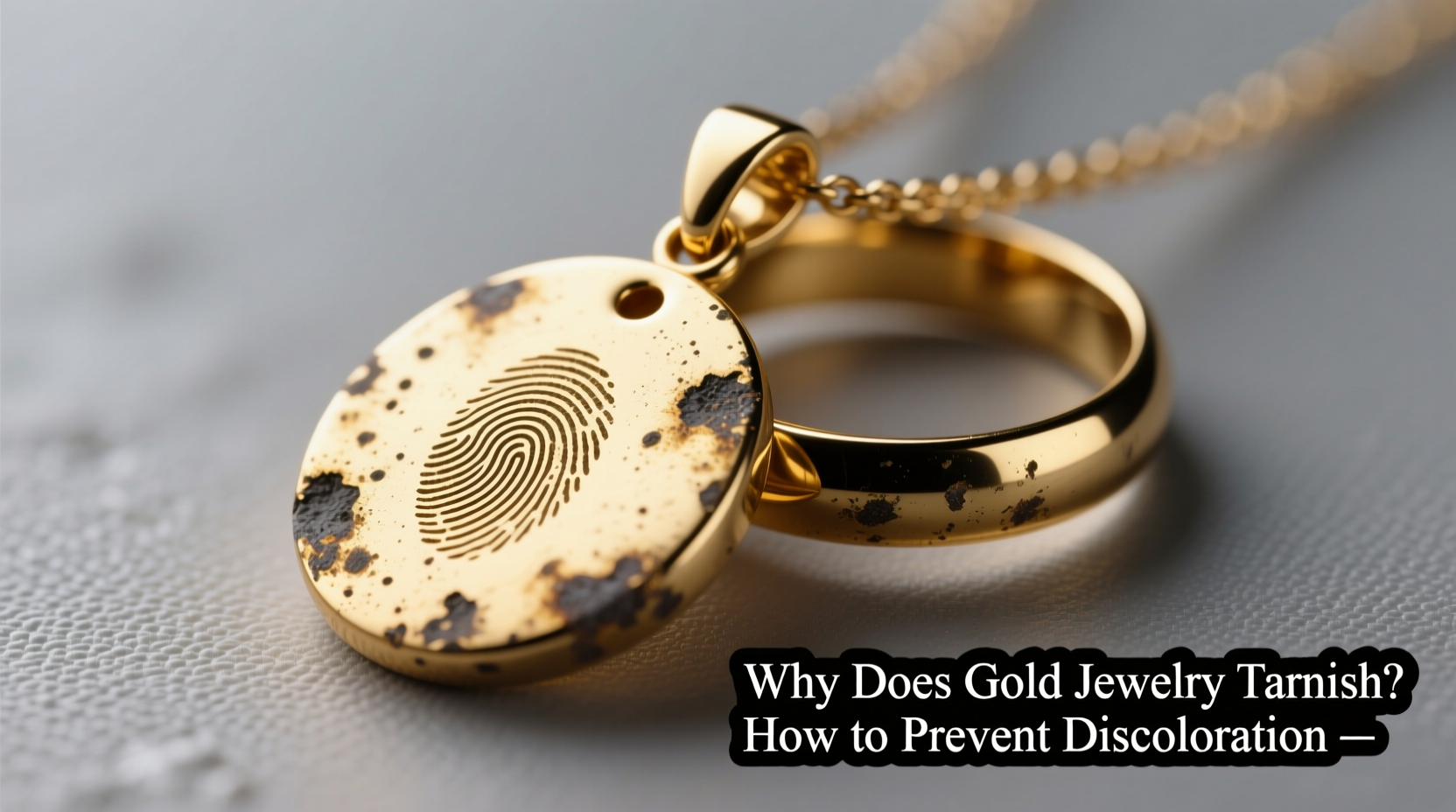
Pure gold (24-karat) is chemically inert and highly resistant to oxidation, meaning it does not react with oxygen or moisture in the air. However, most gold jewelry is not made from pure gold. To enhance durability and workability, gold is alloyed with other metals such as silver, copper, nickel, or zinc. These added metals increase strength but also introduce vulnerability to environmental factors.
When exposed to sulfur compounds, chlorides, humidity, or acidic substances, the non-gold components in the alloy can oxidize or corrode. This reaction manifests as tarnish—a darkened, cloudy, or discolored surface layer. The higher the proportion of base metals in the alloy, the more susceptible the piece becomes to tarnishing. For example, 10-karat gold contains only 41.7% pure gold, making it significantly more prone to discoloration than 18-karat gold (75% pure).
“Many people assume gold is completely immune to tarnish. The truth is, it’s the alloy mix that determines how quickly a piece degrades.” — Dr. Lena Peterson, Materials Scientist at the Gemological Institute of AmericaTip: Check your jewelry’s karat stamp (e.g., 14K, 18K) to understand its purity and potential sensitivity.
Common Causes of Rapid Discoloration
Tarnishing isn’t inevitable—it often results from repeated exposure to specific triggers. Identifying these factors is the first step toward prevention.
- Sweat and Skin Chemistry: Human perspiration contains salts, fatty acids, and trace minerals that can accelerate corrosion in metal alloys. Some individuals naturally have more acidic skin pH, which increases reactivity with jewelry metals.
- Household Chemicals: Cleaning agents, chlorine in pools, bleach, ammonia, and even some soaps contain corrosive elements that degrade gold alloys over time.
- Humidity and Airborne Pollutants: High moisture levels promote oxidation. Sulfur gases from industrial pollution, hot springs, or rubber materials (like elastic bands) release compounds that cause yellow or black tarnish.
- Cosmetics and Lotions: Perfumes, hairsprays, moisturizers, and makeup often contain alcohol, sulfates, and aldehydes that leave residue and speed up surface degradation.
- Storage Conditions: Storing jewelry in damp bathrooms, near windows, or in direct sunlight increases exposure to heat, moisture, and UV radiation—all of which contribute to premature aging.
Mini Case Study: The Weekend Necklace That Faded in Weeks
Sarah purchased a delicate 14-karat gold pendant necklace as a birthday gift. Within six weeks, the chain developed a noticeable dullness, and the clasp turned slightly black. She wore it daily, applied perfume before dressing, and stored it on her bathroom counter. A jeweler later explained that the combination of fragrance chemicals, nightly exposure to humid air, and frequent contact with lotion created an aggressive environment for the copper in the alloy. After switching to proper storage and removing the necklace before applying products, the tarnishing stopped, and regular cleaning restored much of its original glow.
How to Prevent Gold Jewelry Discoloration
Prevention is always more effective—and less costly—than restoration. Implementing consistent care habits protects both the appearance and structural integrity of your gold items.
Step-by-Step Guide: Daily & Long-Term Protection
- Remove Jewelry Before Activities: Take off rings, bracelets, and necklaces before showering, swimming, exercising, or cleaning. Water and sweat accelerate tarnish formation.
- Apply Products First: Put on makeup, perfume, and lotions before wearing jewelry. Allow them to fully absorb or dry to minimize chemical transfer.
- Wipe After Wearing: Use a soft, lint-free cloth to gently polish each piece after use. This removes oils, sweat, and residues before they settle into crevices.
- Store Separately and Securely: Keep items in individual fabric-lined boxes or zippered pouches. Avoid tossing multiple pieces into one drawer where friction causes micro-scratches that trap dirt.
- Control Humidity: Store gold in a cool, dry place—ideally with silica gel packets to absorb ambient moisture. Avoid humid environments like bathrooms or basements.
- Limit Sun Exposure: Prolonged UV light can weaken metal bonds and fade finishes. Store jewelry away from direct sunlight.
| Do’s | Don’ts |
|---|---|
| Wear gloves when cleaning or gardening | Wear gold in chlorinated pools or hot tubs |
| Use a mild soap and lukewarm water for cleaning | Soak jewelry in harsh detergents or bleach |
| Have pieces professionally cleaned once a year | Use toothpaste or baking soda to scrub gold |
| Inspect clasps and settings regularly | Ignore loose stones or worn prongs |
| Keep receipts and certifications in a safe place | Assume all “gold” items are equal in quality |
Safe Cleaning Methods for Tarnished Gold
If your gold jewelry has already begun to discolor, don’t panic. Most cases can be reversed with gentle cleaning. Avoid abrasive solutions that scratch the surface or strip protective layers.
At-Home Cleaning Routine
Mix a few drops of mild dish soap (phosphate-free) with lukewarm water in a small bowl. Submerge the jewelry for no more than 15–20 minutes. Use a soft-bristled toothbrush (preferably designated for jewelry) to lightly clean around settings and under stones. Rinse thoroughly under clean running water and pat dry with a microfiber cloth. Never air-dry, as water spots and mineral deposits can remain.
For chains with intricate designs, consider using an ultrasonic cleaner—but only if your jewelry lacks porous gemstones (like opals or pearls) or glued-in components. Ultrasonic vibrations can loosen settings or damage fragile materials.
“Over-cleaning is just as harmful as neglect. Clean gold every 4–6 weeks under normal wear. Overdoing it wears down finishes.” — Marcus Lin, Master Jeweler, New York City
When to Seek Professional Help
If tarnish persists after home cleaning, or if you notice pitting, flaking, or green residue (a sign of copper corrosion), consult a trusted jeweler. They can safely use steam cleaning, electrochemical polishing, or rhodium plating (for white gold) to restore luster without damaging the metal.
Checklist: Gold Jewelry Care Best Practices
- ✅ Remove jewelry before swimming, bathing, or exercising
- ✅ Apply cosmetics and perfumes before putting on gold pieces
- ✅ Wipe each item with a soft cloth after wearing
- ✅ Store in a dry, dark place with anti-tarnish protection
- ✅ Avoid contact with household cleaners and chlorine
- ✅ Schedule annual professional inspections and cleanings
- ✅ Keep original packaging and authenticity documents
- ✅ Rotate frequently worn items to reduce strain and exposure
Frequently Asked Questions
Does real gold turn black?
Yes, but not because of the gold itself. The blackening occurs due to oxidation of alloy metals like silver or copper, especially when exposed to sulfur-containing compounds. Pure gold won’t turn black, but high-karat alloys may still discolor under extreme conditions.
Can I wear gold jewelry every day?
You can, but daily wear increases exposure to damaging elements. Opt for simpler, sturdier designs for everyday use and reserve delicate or heirloom pieces for special occasions. Regular maintenance is essential for longevity.
Is there such a thing as hypoallergenic gold?
No gold is entirely hypoallergenic, but higher karat gold (18K or above) contains fewer reactive alloys and is less likely to cause skin irritation. White gold often includes nickel, a common allergen—opt for palladium-based white gold if sensitive.
Conclusion: Preserve the Brilliance of Your Gold
Gold jewelry symbolizes enduring value, love, and personal milestones. Its beauty shouldn’t fade prematurely due to avoidable mistakes. By understanding the composition of your pieces and respecting the environmental factors that affect them, you can dramatically extend their life and luminosity. Simple habits—like wiping after wear, storing properly, and avoiding chemical exposure—compound into long-term preservation. Whether your collection includes a wedding band, a family heirloom, or a modern statement piece, treating it with mindful care ensures it remains radiant for generations.
💬 What’s one habit you’ve changed to protect your gold jewelry? Share your story in the comments—your insight could help others keep their treasures shining bright!