
Tattoos are more than skin deep—they carry personal meaning, artistic expression, and often represent significant life moments. Yet, no matter how striking the design or skilled the artist, all tattoos will eventually show signs of fading. While some degree of change is inevitable, understanding the science behind tattoo degradation empowers you to slow the process significantly. From UV exposure to improper aftercare, multiple factors influence how long your ink retains its boldness and clarity. The good news? With informed habits and consistent maintenance, you can preserve the vibrancy of your tattoos for decades.
The Science Behind Tattoo Fading
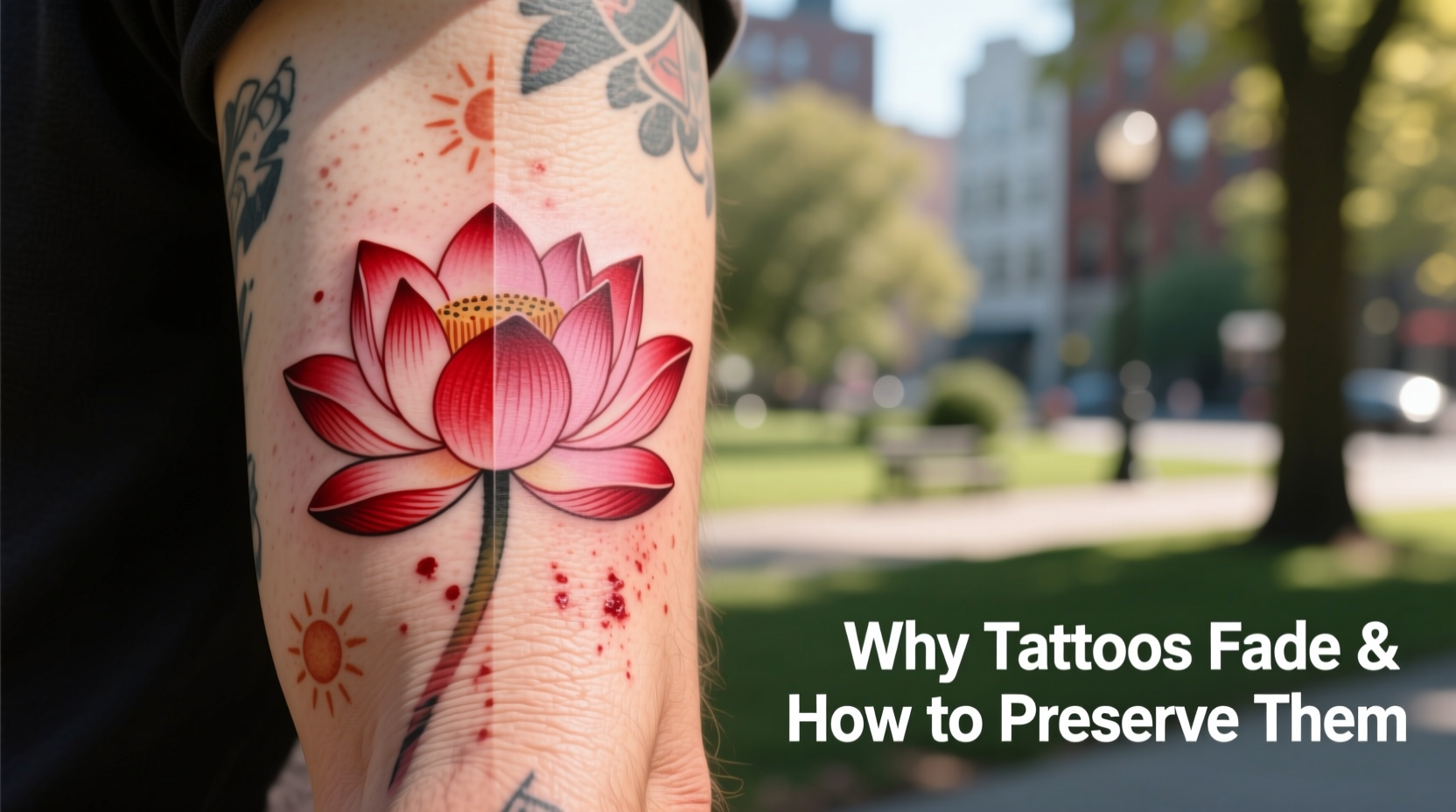
Tattoo ink is deposited into the dermis, the second layer of skin, where immune cells called macrophages engulf the pigment particles. Over time, these cells naturally die and release the ink, which is then either absorbed by new macrophages or slowly expelled from the body. This biological turnover is a primary reason tattoos fade—even without external influences.
In addition to this internal process, environmental and behavioral factors accelerate pigment loss. Ultraviolet (UV) radiation from sunlight breaks down ink molecules, particularly bright colors like red, yellow, and green. Skin aging also plays a role: as collagen production declines and skin elasticity decreases, the surface becomes less stable, causing lines to blur and colors to soften.
Areas of the body that experience frequent friction—such as hands, feet, elbows, and wrists—are especially prone to faster fading due to constant rubbing against clothing or surfaces. Even the type of ink used and the depth at which it was applied during tattooing affect longevity. Shallow application leads to quicker dispersion, while high-quality inks formulated for stability tend to last longer.
“Tattoos aren’t permanent in the way people think. They’re more like living art—constantly interacting with your body’s biology and environment.” — Dr. Lena Torres, Dermatologist & Skin Integrity Researcher
Key Factors That Accelerate Tattoo Fading
Several controllable and uncontrollable elements determine how quickly a tattoo loses its luster. Recognizing these can help you adjust habits to protect your investment.
- Sun Exposure: UV rays degrade ink pigments and damage skin structure, leading to faded, patchy results. Tattoos exposed daily to sunlight without protection may lose up to 30% of their color within two years.
- Poor Aftercare: In the first few weeks post-tattoo, improper cleaning, picking scabs, or using alcohol-based products can cause premature ink loss and uneven healing.
- Location on Body: High-movement areas stretch and wear the skin more, disrupting ink placement. Tattoos on fingers, palms, or feet typically require touch-ups within 1–3 years.
- Weight Fluctuations: Rapid weight gain or loss stretches or compresses skin, distorting tattoo lines and spacing.
- Low-Quality Ink or Technique: Cheap inks lack stability, and inexperienced artists may apply inconsistent depth, resulting in blotchy or uneven designs that fade irregularly.
Step-by-Step Guide to Preserving Tattoo Vibrancy
Maintaining a vibrant tattoo isn’t complicated, but it does require consistency. Follow this timeline-based care strategy to maximize longevity:
- Weeks 1–4: Healing Phase
Clean the tattoo gently twice daily with fragrance-free antibacterial soap. Pat dry—never rub. Apply a thin layer of recommended ointment (like Aquaphor or specialized tattoo balm). Avoid submerging in water (no swimming, baths, or saunas). - Month 2–3: Moisture Lock-In
Transition to an unscented, hypoallergenic moisturizer. Keep skin hydrated to prevent cracking and flaking, which can pull out pigment. Use SPF 30+ even indoors if near windows. - Months 4–12: Sun Defense Routine
Apply broad-spectrum sunscreen every time the tattoo is exposed to light. Reapply every two hours outdoors. Wear protective clothing when possible. - Yearly Maintenance
Exfoliate the area once monthly to prevent dead skin buildup. Schedule a professional skin check if you notice texture changes. Consider a touch-up after 3–5 years, depending on location and exposure.
Do’s and Don’ts: Tattoo Care Comparison Table
| Do’s | Don’ts |
|---|---|
| Use fragrance-free moisturizers daily | Use petroleum-based products long-term (they clog pores) |
| Apply SPF 30+ on healed tattoos before sun exposure | Soak tattoos in pools, hot tubs, or oceans during healing |
| Wear loose clothing over new tattoos to reduce friction | Pick scabs or peeling skin |
| Stay hydrated and maintain a balanced diet rich in vitamins A and E | Smoke heavily—nicotine reduces blood flow and slows healing |
| Visit reputable artists using sterile equipment and quality ink | Get tattoos while sunburned or on tanned skin |
Real Example: Sarah’s Sleeve Transformation
Sarah, a 32-year-old graphic designer, got her first full sleeve tattoo five years ago. Passionate about the artwork, she followed her artist’s advice closely. She avoided direct sun exposure during healing, used a dermatologist-recommended moisturizer, and religiously applied sunscreen when wearing short sleeves. However, after joining a beach volleyball league, she began spending weekends under intense sunlight. Within a year, she noticed her blues turning hazy and red accents softening.
She consulted her tattoo artist, who advised immediate UV protection and scheduled a minor touch-up. Since then, Sarah wears UPF-rated arm sleeves during games and reapplies sunscreen every 90 minutes outdoors. Two years later, her sleeve remains sharp and vivid—proof that proactive measures make a measurable difference.
Expert-Backed Tips for Long-Term Ink Health
Dermatologists and veteran tattoo artists agree: the key to lasting ink lies in daily habits, not just initial aftercare. Here are essential strategies backed by professionals.
Tip: Drink plenty of water—hydrated skin holds pigment better and resists cracking.- Nourish from Within: Diets rich in antioxidants (berries, leafy greens), vitamin C (citrus, bell peppers), and omega-3s (salmon, flaxseed) support skin regeneration and resilience.
- Avoid Harsh Chemicals: Chlorine, saltwater, and strong soaps strip natural oils and accelerate fading. Rinse tattoos with fresh water after swimming.
- Monitor Skin Changes: Aging, pregnancy, or medical conditions like eczema can alter tattoo appearance. Early intervention helps manage distortion.
- Choose Placement Wisely: If longevity is a priority, opt for lower-friction zones like the upper arm, shoulder, or back.
“Your tattoo is only as lasting as your commitment to its upkeep. It’s not vanity—it’s preservation.” — Miguel Reyes, Master Tattoo Artist with 18 Years’ Experience
Frequently Asked Questions
Can I go in the sun after my tattoo heals?
Yes, but always apply broad-spectrum SPF 30 or higher before exposure. UV damage accumulates over time, so consistent protection is critical—even on cloudy days.
How often should I moisturize my tattoo?
For optimal results, moisturize at least once daily using a non-comedogenic, fragrance-free lotion. More frequent application may be needed in dry climates or during winter months.
Do black tattoos fade less than colored ones?
Generally, yes. Black and dark blue inks are more resistant to UV breakdown due to larger pigment particles and higher light absorption. Bright colors like yellow, orange, and white fade fastest and may need earlier touch-ups.
Essential Tattoo Care Checklist
Use this checklist to ensure your tattoo stays vibrant through the years:
- ✅ Follow artist’s aftercare instructions precisely for the first month
- ✅ Use gentle, fragrance-free cleansers and moisturizers
- ✅ Apply sunscreen (SPF 30+) every time the tattoo is exposed to light
- ✅ Avoid soaking in baths, pools, or hot tubs until fully healed (typically 2–3 weeks)
- ✅ Stay hydrated and eat a nutrient-rich diet to support skin health
- ✅ Schedule a professional touch-up every 3–5 years, depending on wear
- ✅ Monitor for signs of excessive fading, blurring, or texture changes
Conclusion: Make Your Ink Last a Lifetime
Tattoos are a lifelong commitment—not just emotionally, but physically. While fading is a natural part of their lifecycle, its pace is largely within your control. By understanding the biological and environmental forces at play, adopting smart daily habits, and respecting your skin’s needs, you can keep your tattoos looking bold and beautiful for decades. Whether it’s your first line or your tenth piece, treat your ink with the same care you gave the decision to get it. Protect it from the sun, nourish your skin, and honor the artistry with consistent attention.
💬 Your tattoo tells a story—help it stay clear and vibrant for years to come. Share your best care tips or ask questions in the comments below!








