Gel manicures offer long-lasting color, shine, and durability—often lasting two to three weeks without chipping. But many people notice a troubling side effect once the polish comes off: soft, thin, peeling nails that split at the slightest pressure. This isn’t just cosmetic; it’s a sign of nail compromise. Understanding why this happens—and what you can do about it—is essential for maintaining healthy, resilient nails while still enjoying salon-quality results.
Nail peeling after gel removal is so common it’s almost expected. Yet it’s not inevitable. With the right knowledge and care routine, you can enjoy beautiful gel manicures without sacrificing nail health. The key lies in understanding the causes, adopting proper removal techniques, and committing to post-gel recovery.
Why Gel Polish Weakens Your Nails
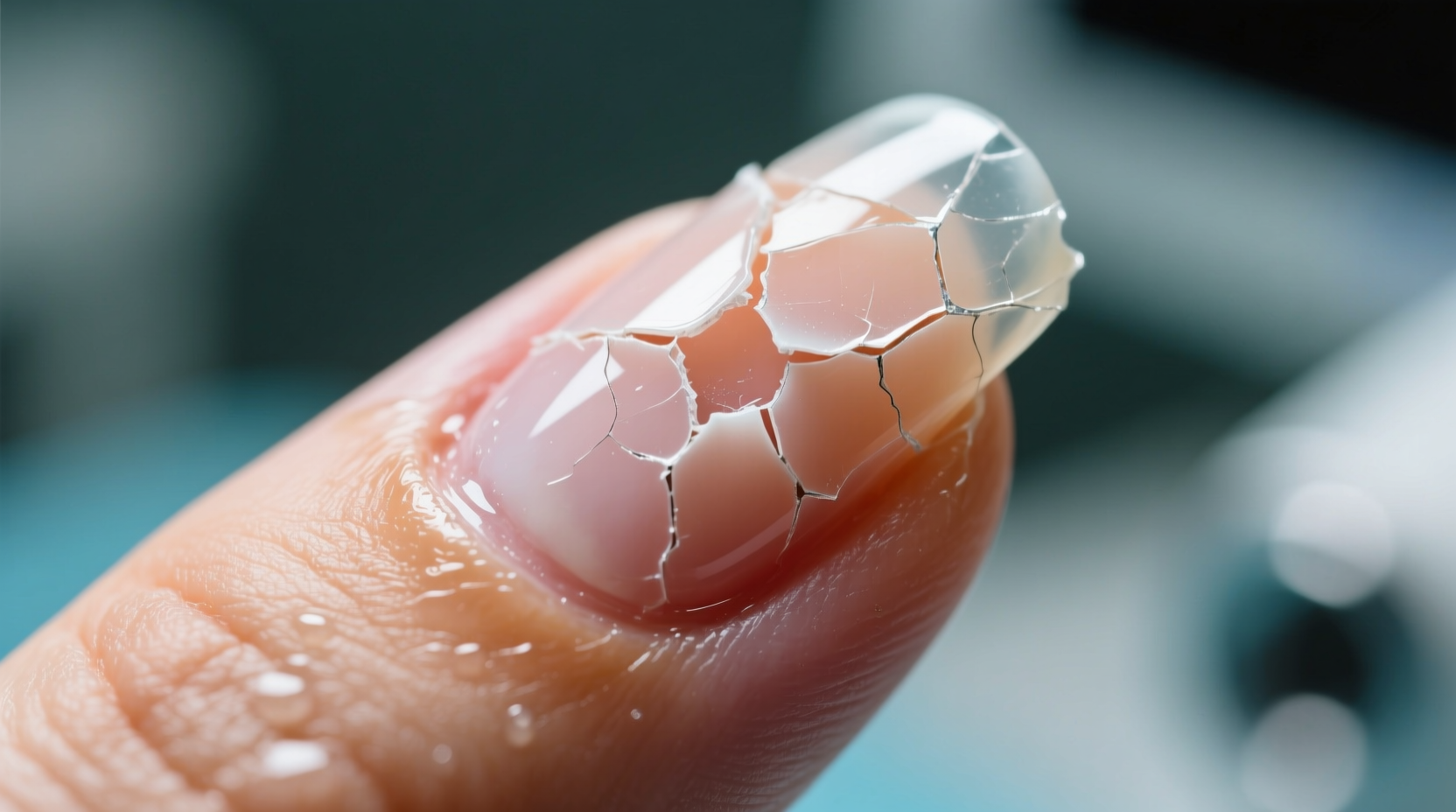
Gel polish adheres to the nail plate using a strong bond created during UV or LED curing. While this makes it resistant to daily wear, it also means removal requires more than simple wiping. Most salons use acetone-soaked wraps or prolonged soaking to break down the polymerized gel. Acetone is a powerful solvent—it strips away oils, dehydrates keratin, and disrupts the natural moisture balance in the nail plate.
Over time, repeated exposure to acetone weakens the nail’s structure. The layers of keratin that make up the nail begin to separate, leading to delamination—a technical term for peeling. Think of it like wood veneer lifting from a tabletop: the surface splits into thin sheets because the internal bonds have been compromised.
Additional factors contribute to this weakening:
- Mechanical trauma: Picking, scraping, or aggressively filing off gel increases micro-damage.
- Excessive filing: Over-filing thins the nail, making it prone to splitting.
- Poor application: Thick layers of gel require longer curing and harder removal, increasing stress on the nail.
- Lack of prep: Skipping pH-balancing cleansers before application can weaken adhesion, prompting aggressive removal later.
“Repeated gel manicures without proper recovery periods lead to cumulative nail trauma. It’s not the gel itself that damages nails—it’s how we apply and remove it.” — Dr. Lindsey Bordone, Board-Certified Dermatologist at Columbia University
The Science Behind Nail Delamination
Nails are made of keratin, a fibrous protein arranged in stacked layers. These layers are held together by natural lipids and moisture. When exposed to harsh solvents like acetone, the lipid barrier breaks down, allowing moisture to escape. Dehydrated nails become brittle and lose flexibility, making them more likely to peel horizontally rather than break cleanly.
This process is accelerated when the nail plate is already compromised—by frequent polish use, nutritional deficiencies, or underlying conditions like thyroid issues or iron deficiency. Peeling often starts at the free edge and progresses inward, leaving the nail thin and fragile.
It’s important to distinguish between vertical splitting (onychoschizia) and horizontal peeling (onychopeeling). Vertical cracks run from tip to cuticle and are often due to mechanical stress. Horizontal peeling, which occurs in sheets, is typically linked to chemical exposure and dehydration—exactly what happens during gel removal.
Tip: If your nails peel immediately after gel removal, switch to acetone-free removers for regular polish and avoid picking at the layers.Safe Removal Practices That Prevent Damage
The way you remove gel polish has the biggest impact on post-manicure nail health. Many people resort to peeling or picking the polish off, which rips away layers of the nail along with the gel. This should be avoided at all costs.
Here’s a professional-grade removal method that minimizes harm:
- Foil Wrap Soak: Soak cotton pads in pure acetone, place them on each nail, and wrap tightly with aluminum foil for 10–15 minutes.
- Gentle Wipe: After soaking, gently push or wipe away softened gel with an orangewood stick or cuticle pusher—no scraping.
- File Only if Necessary: Lightly buff remaining residue with a fine-grit file (180+ grit), using minimal pressure.
- Hydrate Immediately: Apply cuticle oil and massage into the nail bed right after removal.
Avoid electric files unless performed by a licensed technician. High-speed bits can grind down the nail surface, creating heat and micro-fractures that worsen peeling.
Alternative: Soak-Off Gels vs. Hard Gels
Not all gels are created equal. There are two main types:
| Type of Gel | Removal Method | Nail Impact |
|---|---|---|
| Soak-off (Soft) Gel | Acetone soak, gentle wipe | Lower risk of damage when removed properly |
| Hard Builder Gel | Filing required before soaking | Higher risk—removes natural nail layers |
If you’re prone to peeling, opt for soak-off gels and avoid builder gels unless needed for extensions.
Recovery Strategies for Peeling Nails
Once damage occurs, recovery takes time—typically 4 to 8 weeks, depending on growth rate. During this period, focus on hydration, protection, and minimizing further stress.
Step-by-Step Nail Recovery Plan
- Take a Break: Allow nails to breathe for at least 2–3 weeks after every gel cycle.
- Use Nail Strengtheners Wisely: Choose products with hydrolyzed wheat protein or calcium lactate—not formaldehyde, which dries nails.
- Apply Cuticle Oil Daily: Use jojoba, vitamin E, or argan oil twice a day to restore moisture.
- Wear Gloves: Protect nails during household chores involving water or cleaners.
- Keep Nails Short & Rounded: Reduces leverage on weak layers, preventing further peeling.
- Moisturize Hands Frequently: Dry skin around nails pulls on the matrix, affecting growth.
Consider using a nail serum containing biotin or panthenol, both of which support keratin integrity. Look for breathable nail polishes labeled “non-toxic” or “7-free” during recovery—they allow oxygen and moisture to pass through the nail plate.
Tip: Massage your nails for 1 minute daily with oil to boost circulation and nutrient delivery to the matrix.Mini Case Study: Sarah’s Nail Recovery Journey
Sarah, a 32-year-old marketing executive, had worn gel polish continuously for over two years. After her latest removal, her nails peeled so severely she couldn’t type without discomfort. She consulted a dermatologist who diagnosed onychopeeling due to chronic dehydration and micro-trauma.
She followed a strict recovery protocol: no polish for six weeks, daily cuticle oil, gloves for dishwashing, and weekly olive oil soaks. She also started taking a biotin supplement (5,000 mcg/day) after confirming with her doctor.
By week eight, her nails were stronger, with visible improvement in thickness and resistance to peeling. She now alternates gel manicures with two-week breaks and reports significantly healthier nails.
Prevention Checklist: How to Avoid Future Peeling
To maintain nail health while still enjoying gel manicures, follow this actionable checklist:
- ✅ Limit gel manicures to every 4–6 weeks with a 2-week break in between
- ✅ Always use foil wraps for removal—never pick or peel
- ✅ Hydrate nails daily with cuticle oil (jojoba or almond oil preferred)
- ✅ Avoid excessive filing or shaping during application
- ✅ Wear gloves when washing dishes or cleaning
- ✅ Use a non-acetone remover for regular polish between gel cycles
- ✅ Maintain a balanced diet rich in protein, biotin, and omega-3s
- ✅ See a dermatologist if peeling persists beyond 3 months
Frequently Asked Questions
Can I speed up nail recovery after gel removal?
While you can’t rush nail growth (which averages 3 mm per month), you can optimize recovery. Daily oil massages, biotin supplementation (with medical approval), and avoiding water immersion help strengthen new growth. Results typically appear within 4–6 weeks as healthier nail emerges from the cuticle.
Is there a safer alternative to traditional gel polish?
Yes. Dip powder systems and hybrid polishes (like Essie Gel Couture or OPI Infinite Shine) offer longer wear with gentler removal. They don’t require UV curing and come off with regular acetone in under 5 minutes, reducing exposure time. However, they still require caution—overuse can lead to similar issues.
Should I stop getting gel manicures altogether?
Not necessarily. Gel polish isn’t inherently harmful. The issue lies in frequency, technique, and aftercare. By spacing out appointments, choosing reputable technicians, and prioritizing recovery, you can enjoy gel manicures safely. Think of it like coloring your hair: occasional treatments are fine, but constant processing leads to damage.
Final Thoughts: Healthy Nails Are Strong Foundations
Peeling nails after gel removal are a warning sign—not a life sentence. They signal that your nails need rest, hydration, and mindful care. The beauty of gel manicures shouldn’t come at the cost of long-term nail health. By adjusting your habits, respecting the biology of your nails, and listening to their signals, you can achieve both aesthetic appeal and structural strength.
Nails are a reflection of overall health. When they peel, split, or weaken, they’re communicating a need for better nourishment and less chemical stress. Whether you love bold colors or minimalist neutrals, never let temporary beauty compromise lasting wellness.
💬 Your nails tell a story. Are you listening? Share your recovery tips or ask questions in the comments—let’s build a community of healthier, happier nails together.








