It’s a familiar frustration: you water your houseplants faithfully, yet they still droop, yellow, or wither away. You’re not alone. Many plant lovers assume that consistent watering equals healthy plants, but the reality is far more nuanced. Overwatering, poor drainage, incorrect light, and environmental mismatches are often the silent killers behind seemingly well-cared-for greenery. Understanding these hidden pitfalls can transform your indoor garden from a graveyard into a thriving oasis.
The Myth of “Regular Watering”
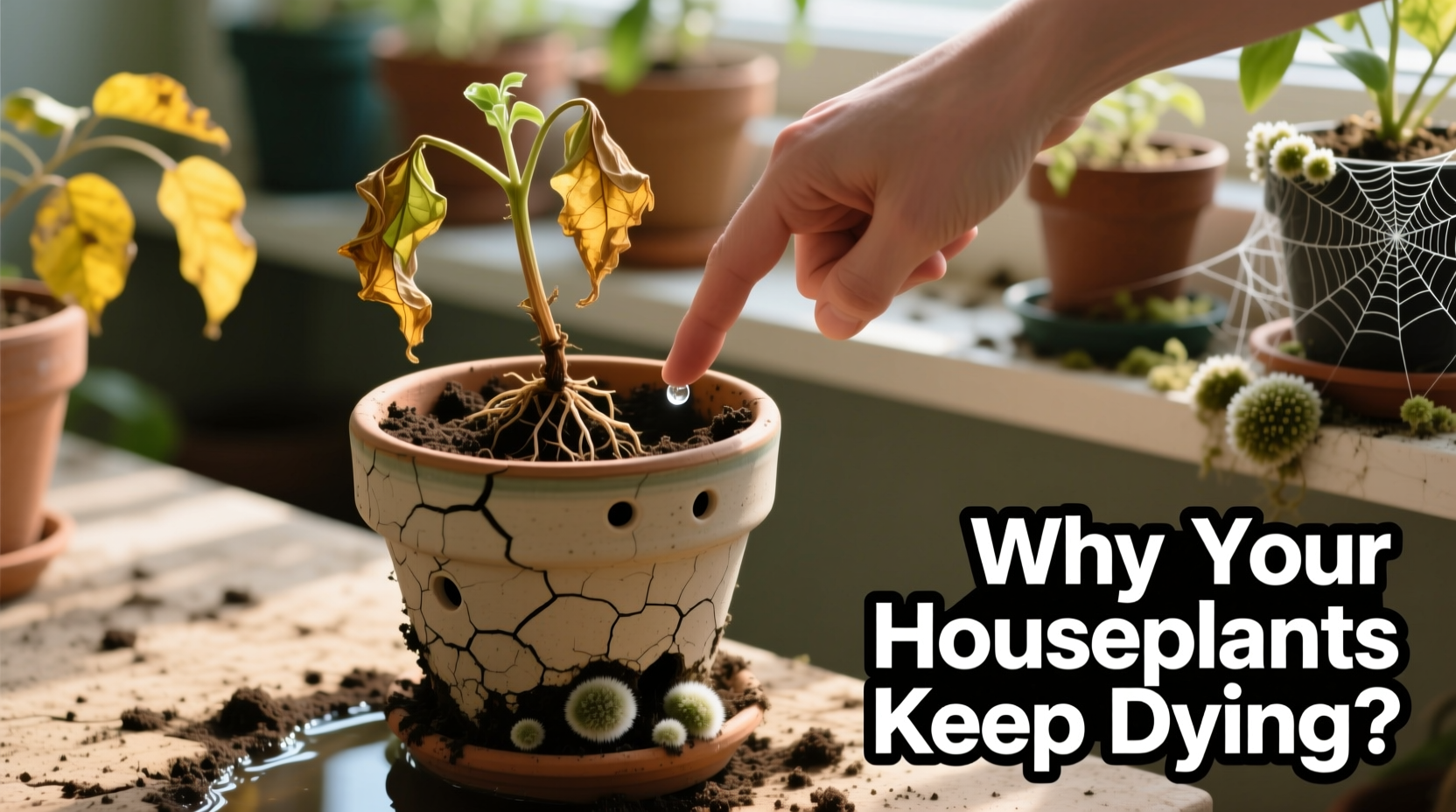
One of the most widespread misconceptions in indoor gardening is that plants need watering on a fixed schedule—every Monday, every seven days, or twice a week. But plants don’t operate on calendars; they respond to their environment. Soil moisture, humidity, temperature, pot size, and plant species all influence how quickly a plant uses water.
Watering on autopilot ignores these variables. A plant in a small pot in a sunny room during summer may dry out in three days, while the same species in a large pot in a dim, cool corner might stay moist for two weeks. Blindly following a routine leads to overwatering, which causes root rot—the leading cause of houseplant death.
Tip: Always check soil moisture before watering. Insert your finger 1–2 inches into the soil. If it feels damp, wait. If it’s dry, it’s time to water.Common Mistakes That Kill Houseplants
Even with good intentions, everyday habits can sabotage your plants. Below are the most frequent errors—and how to fix them.
1. Overwatering Due to Poor Drainage
Many decorative pots lack drainage holes, trapping excess water at the bottom. Even if the topsoil feels dry, the roots may be sitting in a pool of stagnant water, promoting fungal growth and root decay.
Using heavy soils like garden dirt worsens the problem. Indoor plants need lightweight, well-aerated potting mixes that allow water to pass through freely.
2. Ignoring Light Requirements
Plants vary dramatically in their light needs. A snake plant thrives in low light, while a fiddle-leaf fig demands bright, indirect sunlight. Placing a sun-loving plant in a dark corner starves it of energy, weakening it over time.
Conversely, direct midday sun can scorch the leaves of shade-tolerant species like peace lilies or pothos.
3. Using the Wrong Pot Size
A pot too large holds excess soil, which retains water long after the roots have absorbed what they need. This creates a consistently soggy environment, ideal for root rot. On the other hand, a pot too small restricts root growth and dries out too quickly, stressing the plant.
4. Neglecting Humidity Needs
Tropical plants such as calatheas, ferns, and orchids evolved in humid rainforests. In dry indoor air—especially in winter with heating systems running—they struggle to transpire properly, leading to brown leaf tips and stunted growth.
5. Skipping Repotting
Plants deplete nutrients in their soil over time. After 12–18 months, even with fertilizing, the medium breaks down and compacts, reducing oxygen flow to roots. Failing to repot leads to nutrient deficiency and root binding.
“Most houseplant deaths aren’t from neglect—they’re from overcare. The biggest mistake is treating all plants the same.” — Dr. Linda Chen, Botanist and Urban Horticulture Specialist
Do’s and Don’ts: A Quick Reference Table
| Situation | Do | Don’t |
|---|---|---|
| Watering | Check soil moisture first; water only when needed | Water on a fixed schedule regardless of conditions |
| Pot Selection | Use pots with drainage holes; choose the right size | Plant in containers without drainage or oversized pots |
| Light Exposure | Match plant to its ideal light zone (north, east, south, west) | Place low-light plants in full sun or vice versa |
| Humidity | Group plants, use pebble trays, or add a humidifier | Mist leaves daily (can promote fungal diseases) |
| Fertilizing | Feed lightly during growing season (spring/summer) | Over-fertilize or feed during dormancy |
Step-by-Step Guide to Reviving Your Houseplants
If your plants are struggling, follow this systematic approach to diagnose and correct the issues:
- Assess the Symptoms: Yellow leaves? Could be overwatering. Brown tips? Likely low humidity. Drooping? Check soil moisture and light levels.
- Inspect the Roots: Gently remove the plant from its pot. Healthy roots are firm and white or tan. Mushy, black, or foul-smelling roots indicate rot.
- Trim Damaged Parts: Use sterilized scissors to cut away dead leaves and rotten roots. This prevents disease spread.
- Repot if Necessary: Choose a clean pot with drainage, slightly larger than the root ball. Use fresh, well-draining potting mix formulated for indoor plants.
- Adjust Environment: Move the plant to a location matching its light needs. Increase humidity if required.
- Revise Watering Routine: Let the soil dry appropriately between waterings. Bottom watering can help control moisture intake.
- Monitor and Wait: Recovery takes time. Avoid overreacting with extra fertilizer or frequent repotting.
Real Example: Sarah’s Struggling Monstera
Sarah loved her monstera deliciosa—it was the centerpiece of her living room. She watered it every Friday without fail. But over several months, the leaves turned yellow, then brown, and new growth stalled. She assumed it wasn’t getting enough water, so she increased watering to twice a week.
When the plant began leaning and the stem softened, she brought it to a local nursery. The horticulturist diagnosed root rot caused by overwatering in a non-draining pot. The soil was compacted and sour-smelling. Sarah had been using garden soil, which retained too much moisture.
She followed a recovery plan: trimming damaged roots, repotting in a terracotta container with proper mix, and switching to watering only when the top 2 inches of soil were dry. Within six weeks, new aerial roots emerged and fresh leaves unfurled. Today, her monstera climbs proudly beside the window.
Essential Care Checklist for Healthy Houseplants
- ✅ Check soil moisture before each watering—don’t rely on the calendar.
- ✅ Use pots with drainage holes and saucers to catch runoff.
- ✅ Match each plant to its ideal light level (low, medium, bright indirect).
- ✅ Choose the right potting mix—never use garden soil indoors.
- ✅ Increase humidity for tropical species using trays or humidifiers.
- ✅ Fertilize lightly during spring and summer, skip in fall and winter.
- ✅ Repot every 12–18 months to refresh soil and prevent root binding.
- ✅ Rotate plants occasionally for even growth toward light sources.
- ✅ Inspect regularly for pests like spider mites, mealybugs, and scale.
- ✅ Learn your plant’s species-specific needs—no one-size-fits-all care.
Frequently Asked Questions
How can I tell if my plant is overwatered?
Signs include yellowing leaves, especially lower ones, soft or mushy stems, a musty soil smell, and visible mold on the surface. When you remove the plant, black or slimy roots confirm overwatering. Immediate action—repotting and trimming—is essential.
Can a plant recover from root rot?
Yes, if caught early. Remove all affected roots, disinfect the remaining ones with a diluted hydrogen peroxide solution (1 part 3% H₂O₂ to 3 parts water), repot in fresh, dry mix, and withhold water for a few days. Place in bright, indirect light to encourage recovery.
Is misting good for houseplants?
Misting provides only temporary humidity and evaporates quickly. For most plants, it’s ineffective and can promote fungal diseases if leaves stay wet. Better solutions include grouping plants, using pebble trays with water, or running a room humidifier.
Final Thoughts: Rethinking Plant Care
Healthy houseplants aren’t about rigid routines—they’re about observation, adaptation, and understanding. Watering is just one piece of a larger puzzle that includes light, airflow, soil quality, and seasonal changes. The plants that survive aren’t necessarily the ones watered the most, but the ones cared for the most thoughtfully.
Start seeing your plants as individuals with unique needs. Learn to read their signals: curled leaves, pale variegation, slow growth. These are communications, not failures. With a shift from mechanical care to mindful stewardship, your indoor garden can flourish where others have failed.
💬 Have a plant story or tip to share? Join the conversation below and help fellow plant parents grow with confidence!








