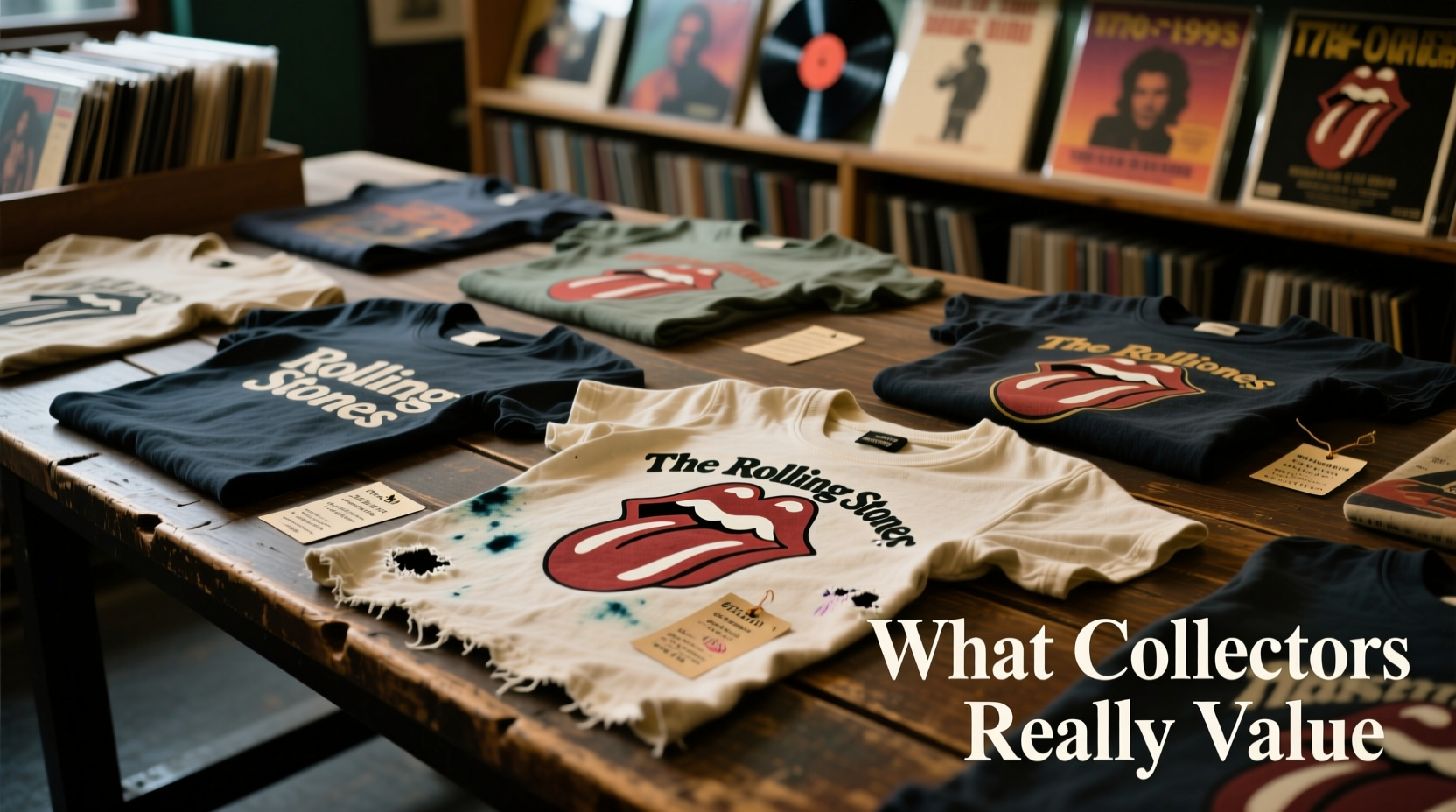
Vintage band t-shirts have evolved from simple concert souvenirs into coveted fashion artifacts. Once worn casually at gigs or tossed into the back of a drawer, these garments now sell for hundreds—sometimes thousands—of dollars. The surge in demand has turned them into cultural relics, with serious collectors treating them like fine art or rare vinyl records. But what drives their sky-high prices? And what exactly do discerning buyers prioritize when evaluating a piece? Understanding the intersection of scarcity, authenticity, and cultural resonance reveals why some shirts fetch more than a month’s rent.
The Scarcity Factor: Why Supply Can’t Meet Demand
One of the most fundamental economic forces behind the high cost of vintage band tees is scarcity. Unlike modern mass-produced merchandise, shirts from the 1970s through the early 1990s were often printed in limited runs for specific tours or album promotions. Many were screen-printed locally by small vendors, with no centralized inventory or reprints. Once a tour ended, production stopped. Over time, natural attrition took its toll—shirts were lost, damaged, washed until faded beyond recognition, or simply discarded.
This shrinking supply collides with growing demand. As nostalgia for classic rock, punk, and grunge eras intensifies, so does interest in wearable memorabilia. Younger generations seek connection to music history, while older fans aim to reclaim pieces from their youth. The imbalance between available stock and buyer interest inflates prices, especially for shirts tied to iconic bands or pivotal moments.
Tip: Shirts from short-lived tours or one-off festivals are rarer than those from major world tours—check tour dates before buying.What Collectors Look For: The Anatomy of a Valuable Tee
Not all vintage band shirts are created equal. Collectors assess multiple factors before making a purchase, each contributing to the final valuation. These criteria separate museum-quality pieces from ordinary thrift-store finds.
Authenticity and Provenance
Fake vintage tees flood online marketplaces. Reproductions, reprints, and bootlegs are common, often indistinguishable to the untrained eye. Authenticity hinges on details like tag style, fabric composition, print technique, and manufacturer labels. For example, a genuine 1980s Metallica tee likely features a \"Champion\" or \"Gildan\" label with specific stitching patterns and ink textures. Modern reproductions frequently use digital printing and synthetic blends that lack the softness and wear characteristics of period-correct materials.
Provenance—the documented history of ownership—adds significant value. A shirt worn by a roadie, signed by a band member, or photographed at a legendary concert carries far more weight than an anonymous find. While provenance is rare, even contextual evidence (like matching it to a known tour date) can boost credibility.
Condition and Preservation
Like any collectible, condition is paramount. Collectors prefer shirts with minimal fading, no stains, holes, or excessive pilling. However, some degree of natural wear—especially light fading across shoulders or sleeves—is accepted as part of a garment’s story. Over-washing, however, destroys fibers and dulls prints, drastically reducing value.
Pitfalls include improper storage: exposure to sunlight causes yellowing; damp environments encourage mildew; folding leads to permanent creases that crack the print. Serious collectors store shirts flat, inside acid-free tissue, in climate-controlled spaces—similar to how museums preserve textiles.
“Vintage tees aren’t just clothing—they’re wearable history. The best ones tell a story without saying a word.” — Lena Reyes, Music Memorabilia Curator at Rock Archive NYC
Design and Cultural Significance
The graphic design plays a crucial role. Early screen-printed artwork, particularly hand-drawn logos or tour-specific illustrations, holds more appeal than generic text-only shirts. Designs tied to landmark albums—think Pink Floyd’s “The Wall,” Nirvana’s “Nevermind,” or The Rolling Stones’ tongue logo—are especially prized.
Cultural relevance amplifies value. A shirt from a banned tour, a politically charged era, or a band’s final performance carries emotional and historical weight. For instance, a 1979 Who concert tee from their Cincinnati disaster show is both rare and somberly iconic, fetching premium bids among hardcore collectors.
Market Trends Driving Up Prices
The vintage band tee market has transformed over the past two decades. What was once a niche interest among die-hard fans is now a global phenomenon fueled by fashion, celebrity culture, and e-commerce.
- Fashion Crossover: High-end designers and streetwear brands have borrowed heavily from rock aesthetics. Supreme, Off-White, and Balmain have released collections inspired by vintage concert gear, legitimizing the look in luxury circles.
- Celebrity Influence: When actors or musicians are seen wearing vintage band shirts, demand spikes overnight. Photos of Billie Eilish in a Kurt Cobain tee or Harry Styles in a Led Zeppelin shirt sent search volumes soaring.
- Online Marketplaces: Platforms like eBay, Grailed, and Etsy have made rare items accessible worldwide. Auction dynamics allow competitive bidding, pushing prices beyond retail expectations.
- NFTs and Digital Collectibles: Some collectors now pair physical tees with digital certificates of authenticity, creating hybrid collectibles that appeal to tech-savvy investors.
These forces don’t just increase visibility—they create speculative value. Buyers now purchase shirts not only for personal enjoyment but as investments, anticipating appreciation over time.
How to Evaluate and Buy Smart: A Collector’s Checklist
Entering the vintage band tee market requires diligence. Whether you're building a personal collection or investing, follow this checklist to avoid costly mistakes.
📋 Collector’s Evaluation Checklist- Verify the band, tour, and year—cross-reference with official discographies and tour archives.
- Inspect the tag: Is it consistent with the era? Look for manufacturer names (e.g., Hanes, Fruit of the Loom) and union labels.
- Examine the print quality: Hand-screened designs have texture; digital prints feel flat and uniform.
- Check for signs of reproduction: Reprints often say “Vintage” or “Retro”—originals never did.
- Assess fabric: Cotton-heavy blends were standard pre-2000; polyester mixes suggest later production.
- Look for structural clues: Shoulder seams, side gussets, and neck tape vary by decade.
- Evaluate condition honestly—don’t overlook stains, odors, or print cracks.
- Research recent sales: Use completed listings on eBay to gauge fair market value.
- Buy from reputable sellers with return policies and detailed photos.
- Consider insurance for high-value pieces.
Real Example: The $5,000 Nirvana Shirt That Started in a Garage
In 2021, a man in Seattle listed a faded Nirvana “Smells Like Teen Spirit” tee on a collector forum. Found in his late uncle’s attic, the shirt bore a Champion tag, a cracked front print, and a faint tour date stamp under the collar: “10/31/91 – Olympia, WA.” Research confirmed it was from Nirvana’s first major U.S. tour, months before “Nevermind” exploded. The design used an early version of the band’s scribbled logo, later changed due to copyright issues—making it extremely rare.
After authentication by a memorabilia expert and verification via a concert flyer photo showing a fan wearing the same shirt, it sold privately for $5,200. The buyer, a music historian, donated it to a traveling grunge exhibition. This case underscores how provenance, timing, and documentation can turn a forgotten garment into a priceless artifact.
Do’s and Don’ts of Vintage Band Tee Collecting
| Do’s | Don’ts |
|---|---|
| • Store shirts flat or rolled, not folded | • Don’t wash frequently—only when absolutely necessary |
| • Use UV-protected display cases if framing | • Avoid direct sunlight or humid basements |
| • Document purchases with receipts and photos | • Never dry clean vintage cotton—it degrades fibers |
| • Invest in archival storage supplies | • Don’t stretch or iron vintage prints |
| • Join collector communities for verification help | • Don’t assume “vintage” means valuable—many are common |
Frequently Asked Questions
Are all old band shirts valuable?
No. Age alone doesn’t guarantee value. Common souvenir shirts from large-scale tours in the 2000s may be old but lack rarity or cultural significance. Value comes from a combination of scarcity, condition, authenticity, and historical importance. A pristine 1985 Ramones shirt from a European tour is far more desirable than a mass-produced 2005 reunion tee.
How can I tell if a vintage tee is a reprint?
Reprints often have telltale signs: overly crisp graphics, synthetic fabric blends, modern brand tags (like “Gildan Heavy Cotton”), or phrases like “Official Merchandise” or “Vintage Style.” Originals typically have softer prints, natural cotton, and no self-referential labeling. Compare your shirt to verified examples in collector databases or forums like Vintage Concert Tees or Reddit’s r/vintagetees.
Should I wear my vintage band tee or keep it stored?
That depends on your goal. If you’re collecting for investment or preservation, minimize wear to prevent damage. If you want to celebrate the music and era, wearing it respectfully is part of the culture. Just avoid excessive washing, sweating, or friction. Rotate usage and consider replicas for daily wear while keeping originals protected.
Final Thoughts: More Than Fabric and Ink
Vintage band tees are more than nostalgic fashion—they are cultural touchstones. Their rising prices reflect not just market trends but a deeper human desire to connect with music history, rebellion, and identity. Each shirt carries echoes of mosh pits, backstage passes, and anthems that shaped generations. Collectors aren’t just buying cotton; they’re preserving moments frozen in time.
Whether you’re drawn to the hunt, the history, or the craftsmanship, understanding what makes these garments valuable empowers smarter choices. From verifying authenticity to storing with care, every step preserves the legacy woven into the threads.
🚀 Ready to start your collection? Begin by researching one band you love, visit trusted vintage shops, and document every find. Share your discoveries online—your next great piece might be hidden in plain sight.








