Hoka One One has rapidly evolved from a niche running brand into a global footwear phenomenon. Known for their maximalist cushioning, lightweight design, and striking silhouettes, Hoka shoes are now a common sight on trails, sidewalks, and even fashion-forward urban streets. But one question consistently arises: Why are Hoka shoes so expensive? With prices often ranging from $130 to over $170 per pair, they sit at the higher end of the athletic shoe market. While some consumers hesitate at the price tag, others swear by the comfort, performance, and durability these shoes deliver. To understand the true value behind the cost, it’s essential to break down the real factors driving Hoka’s pricing strategy — from research and development to material quality and long-term wearability.
The Role of Advanced Cushioning Technology
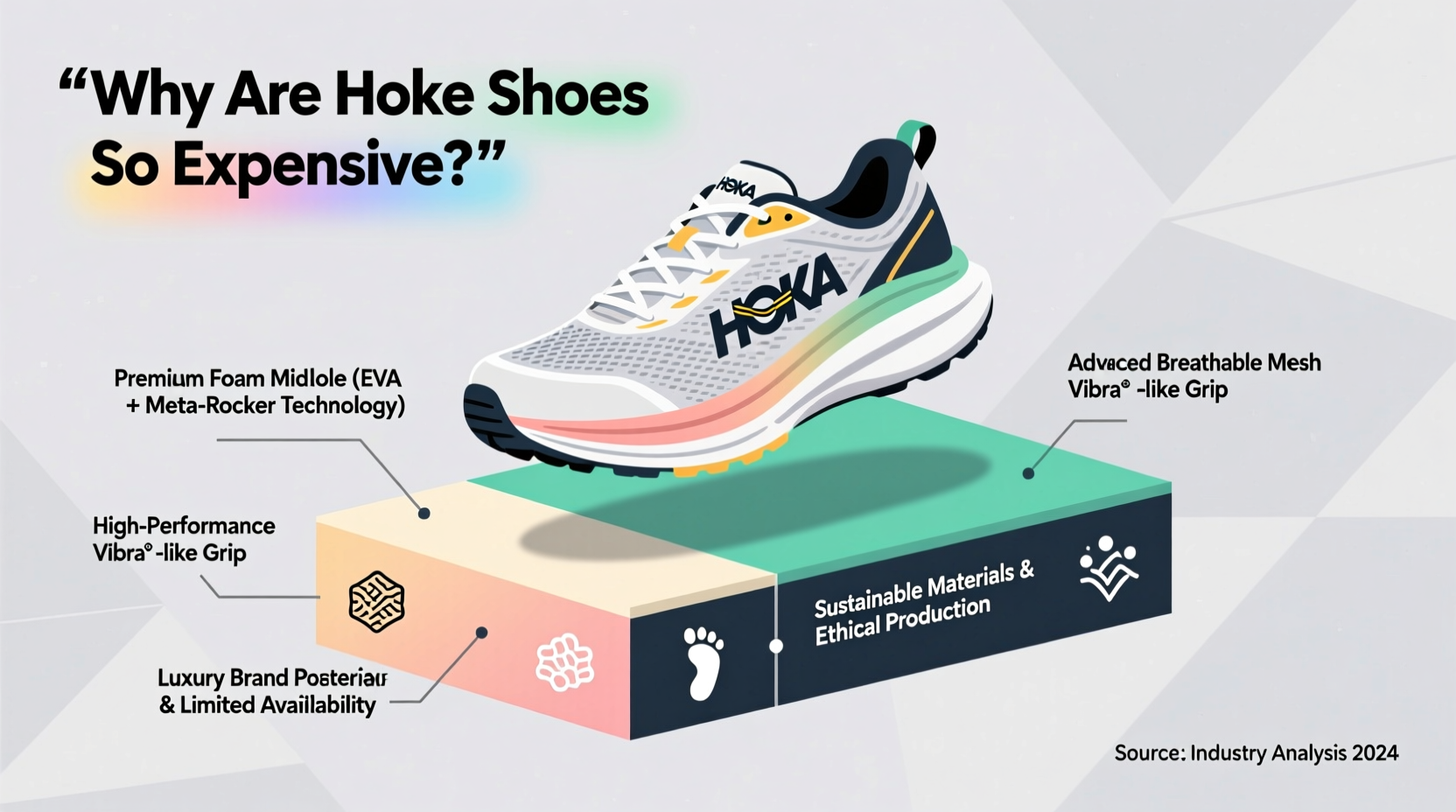
At the heart of Hoka’s identity is its signature oversized midsole — a hallmark of what the brand calls “maximalist cushioning.” Unlike traditional running shoes that prioritize minimal weight and ground feel, Hokas emphasize impact absorption and energy return. This design isn’t just aesthetic; it’s engineered using proprietary foam compounds like EVA (ethylene-vinyl acetate) and newer iterations such as Profly and Profly+. These materials are not only more expensive to produce but also require precise density calibration to balance softness with responsiveness.
The thick midsoles reduce stress on joints during high-impact activities, making them especially popular among long-distance runners, hikers, and individuals with foot or knee issues. However, manufacturing such large volumes of high-resilience foam increases material costs significantly compared to standard midsole designs. Additionally, Hoka invests heavily in compression testing and biomechanical studies to ensure each model delivers consistent performance across different terrains and body types.
Tip: If you're on your feet all day or deal with joint pain, the upfront cost of a Hoka may be offset by reduced medical expenses and increased comfort over time.Research, Development, and Biomechanical Innovation
Hoka doesn’t rely solely on visual appeal or marketing hype. The brand allocates substantial resources to research and development, working closely with podiatrists, sports scientists, and elite athletes to refine every aspect of their footwear. Their design process includes gait analysis, pressure mapping, and extensive field testing under real-world conditions.
This commitment to science-backed innovation means longer development cycles and higher overhead. For example, the Meta-Rocker geometry — a rocker-shaped sole designed to guide the foot through a smooth heel-to-toe transition — was developed after years of studying natural foot motion. It’s now a defining feature across most Hoka models, contributing to reduced strain and improved efficiency.
“Hoka’s engineering philosophy focuses on reducing fatigue over distance, which requires deep investment in both materials and human performance data.” — Dr. Lena Torres, Sports Biomechanist at Boulder Movement Lab
Premium Materials and Construction Quality
Beyond the midsole, Hoka uses high-grade materials throughout the shoe. The uppers are typically made from engineered mesh fabrics that offer breathability, stretch, and structural support without adding bulk. These textiles are more durable than standard nylon or polyester meshes used in budget-friendly sneakers, resisting tears and abrasions over extended use.
The outsoles are constructed with high-abrasion rubber compounds, often strategically placed in high-wear zones (like the heel and forefoot) to maximize longevity while minimizing weight. Some trail models even incorporate Vibram® rubber — a premium material known for superior grip and durability, which adds $15–$25 to production costs per pair.
Moreover, Hoka avoids excessive glue usage in favor of bonded and stitched construction methods that enhance durability. This attention to detail ensures the shoes maintain integrity over hundreds of miles, justifying the higher price point through extended lifespan.
Brand Positioning and Market Strategy
Hoka operates as a premium performance brand, intentionally positioning itself outside the mass-market segment dominated by brands like Nike or Adidas. This allows them to focus on niche audiences — ultrarunners, recovery walkers, healthcare workers on their feet for 12-hour shifts — who prioritize function over fashion trends.
Unlike fast-fashion athletic lines that churn out dozens of new colorways each season, Hoka maintains a streamlined product lineup with fewer releases, emphasizing iterative improvements rather than constant novelty. This strategy reduces waste and supports sustainable practices, but it also limits economies of scale that could lower prices.
In addition, Hoka is owned by Deckers Brands (which also owns UGG and Teva), giving it access to global distribution networks and retail partnerships. However, this corporate backing comes with associated marketing, logistics, and operational costs that influence final pricing.
Real-World Value: A Mini Case Study
Consider Sarah M., a nurse in Portland who averages 18,000 steps per 12-hour shift. She previously rotated between three pairs of mid-range athletic shoes, replacing each every four months due to worn-out cushioning and arch collapse. At $90 per pair, her annual footwear cost totaled around $810.
After switching to Hoka Bondi 8s — priced at $165 — she found the shoes lasted nearly nine months under the same conditions. With only two pairs needed per year, her spending dropped to $330 annually. More importantly, she reported fewer foot aches, reduced lower back pain, and improved overall endurance during shifts.
While the initial investment was higher, the long-term savings and health benefits made the switch financially and physically worthwhile. This scenario illustrates how Hoka’s pricing reflects not just production costs, but also measurable user outcomes.
Price Comparison Across Key Models
| Model | Type | Average Price | Key Features |
|---|---|---|---|
| Hoka Clifton 9 | Road Running | $140 | Lightweight, balanced cushioning, breathable mesh |
| Hoka Bondi 8 | Maximalist Cushioning | $165 | Highest cushion level, meta-rocker, durable outsole |
| Hoka Speedgoat 5 | Trail Running | $155 | Vibram® outsole, aggressive lugs, protective upper |
| Hoka Arahi 7 | Support/Stability | $145 | J-Frame™ stability tech, moderate cushioning |
| Hoka Challenger 7 | All-Terrain Hybrid | $150 | Urban-trail versatility, rugged traction, sleek design |
Frequently Asked Questions
Are Hoka shoes worth the price?
For individuals who spend long hours on their feet, suffer from joint discomfort, or engage in high-mileage activities, Hoka shoes often prove cost-effective over time due to their durability and injury-prevention benefits. The enhanced cushioning and ergonomic design can reduce fatigue and improve posture, offering value beyond basic footwear.
Do Hoka shoes last longer than other brands?
On average, Hoka shoes last between 300 to 500 miles, comparable to other premium running brands. However, many users report less degradation in cushioning over time thanks to their resilient foam compounds. Proper care, rotation between multiple pairs, and avoiding extreme heat can extend lifespan further.
Why are Hoka shoes so bulky if they’re supposed to be comfortable?
The bulky appearance comes from the oversized midsole, which distributes impact over a larger surface area. Despite the size, most models remain lightweight due to low-density foam. Once worn, the rocker geometry promotes a natural stride, making them feel less cumbersome than they look.
Actionable Tips for Maximizing Your Investment
Tip: Rotate between two pairs of running or walking shoes to allow foam recovery and prolong overall life.- Clean mud and debris off trail models immediately after use.
- Avoid leaving shoes in hot cars or direct sunlight to prevent foam breakdown.
- Use odor-absorbing insoles to maintain freshness and hygiene.
- Replace shoes based on mileage, not just visible wear — cushioning degrades before soles do.
- Buy from authorized retailers to ensure authenticity and warranty coverage.
Conclusion: Rethinking Value Beyond the Price Tag
The cost of Hoka shoes reflects a combination of cutting-edge engineering, high-performance materials, and a user-centric design philosophy. While the sticker shock is real, the true metric of value lies in longevity, comfort, and functional benefit. When viewed as an investment in mobility, recovery, and daily well-being, the price becomes easier to justify — especially for those whose lifestyles demand reliable, supportive footwear.
💬 Have you tried Hoka shoes? Did the comfort outweigh the cost? Share your experience in the comments and help others decide if these premium sneakers are right for their needs.