
In many cultures around the world, the cow is more than just a farm animal—it holds deep religious reverence and symbolic importance. From ancient scriptures to modern-day practices, the sanctity of the cow transcends geography and time. While this may seem puzzling to those outside these traditions, understanding the spiritual, historical, and ecological roots reveals why millions treat the cow with unparalleled respect.
The veneration of cows is most prominent in South Asia, particularly within Hinduism, but echoes can be found in other Dharmic religions like Jainism and Buddhism, as well as in ancient Egyptian and Greek mythologies. This article explores the multifaceted reasons behind the sacred status of cows, examining theological doctrines, cultural narratives, and societal values that have preserved this tradition for millennia.
Origins of Cow Veneration in Ancient Texts
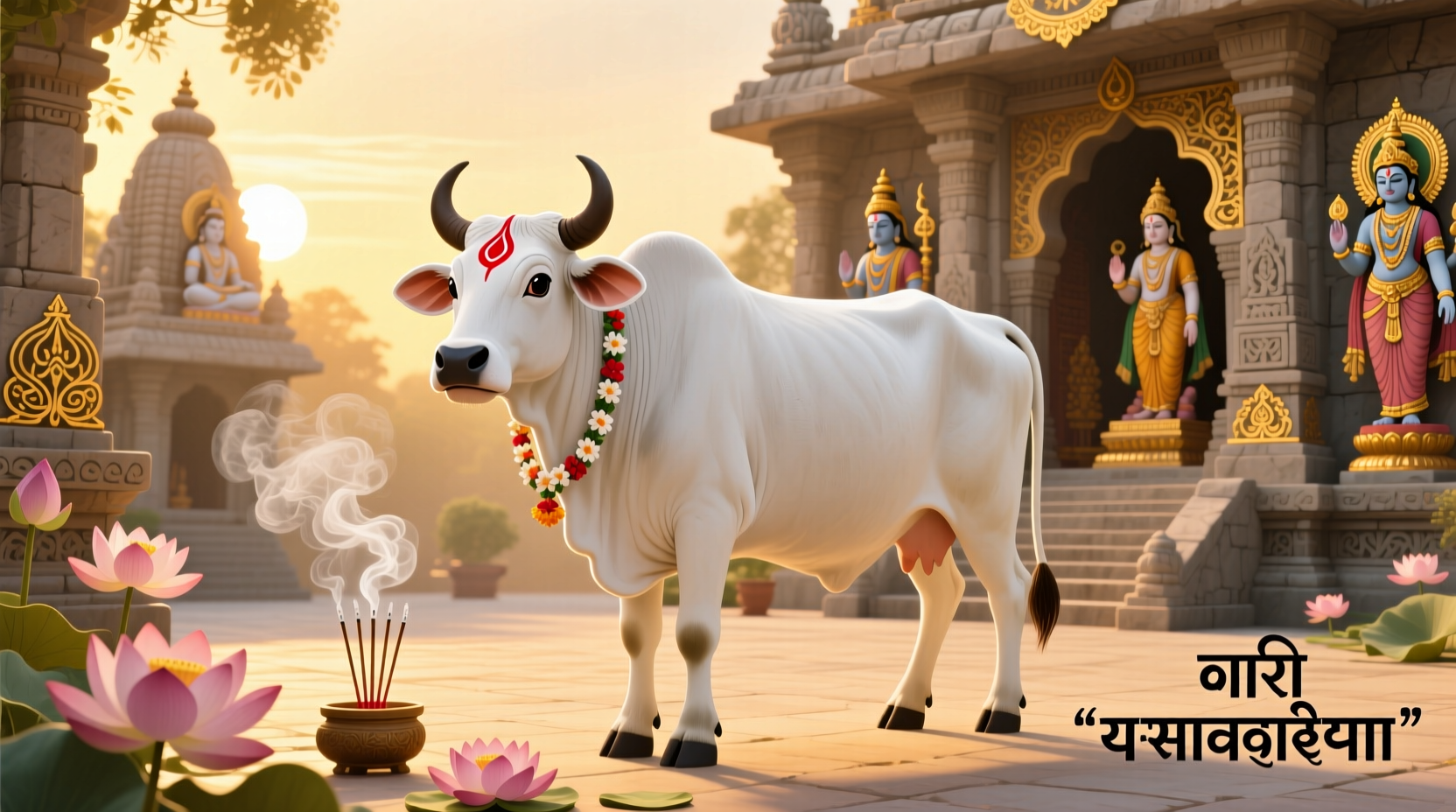
The roots of cow sanctity stretch back over 3,000 years into the Vedic period of Indian history. In the Rigveda, one of the oldest sacred texts of Hinduism, the cow is frequently praised as a symbol of abundance, non-violence, and divine grace. Known as “aghnya” (that which should not be killed), the cow appears in hymns as a maternal figure—gentle, life-sustaining, and essential to human welfare.
Later scriptures like the Manusmriti and Mahabharata reinforce this reverence. The Mahabharata explicitly states: “The cow is the mother of all creatures… she is the purifier in the form of ghee.” These texts link the cow’s nurturing qualities—its milk, dung, and urine—to ritual purity and daily sustenance, elevating it beyond mere livestock.
This early scriptural foundation laid the groundwork for cows becoming emblematic of ahimsa (non-violence), a core ethical principle in Indian philosophy. As agricultural societies flourished, the cow’s role in plowing fields, providing dairy, and fueling homes with dried dung made it indispensable—both practically and spiritually.
Tip: When visiting regions where cows are revered, avoid actions that disturb or disrespect them—such as loud noises or blocking their path—even on city streets.Hinduism and the Symbolism of the Sacred Cow
In contemporary Hinduism, the cow is widely seen as a living embodiment of divine generosity. It is not worshipped as a god per se, but honored as a sacred being closely associated with several deities. Lord Krishna, one of the most beloved avatars of Vishnu, spent his youth as a cowherd (Gopala) and is often depicted playing his flute among cows. His affection for cows underscores their spiritual innocence and connection to dharma (righteousness).
Lakshmi, the goddess of wealth and prosperity, is also linked to the cow. Kamadhenu, the mythical \"wish-fulfilling cow,\" is considered her vehicle and a symbol of inexhaustible giving. Temples dedicated to Krishna or Shiva often maintain gaushalas (cow shelters), where aging or abandoned cows are cared for with ritual devotion.
The cow’s five products—milk, curd, ghee, urine, and dung—are collectively known as *panchagavya* and used in religious ceremonies and Ayurvedic medicine. Each substance is believed to possess purifying properties, further reinforcing the cow’s sacred status.
“Respect for the cow reflects respect for all life. To harm her is to disrupt the balance of nature and compassion.” — Swami Dayananda Saraswati, Vedic Scholar
Cow Reverence Across Other Religions
While Hinduism gives the cow its most visible sacred status, other faiths also recognize its symbolic value:
- Jainism: Emphasizes extreme non-violence (ahimsa). Jains not only refrain from harming cows but often support cow protection initiatives as an act of spiritual merit.
- Buddhism: Though not centered on cow worship, Buddhist teachings discourage killing any sentient being. In countries like Nepal and Sri Lanka, cows are protected due to karmic beliefs about compassion.
- Ancient Egypt: The goddess Hathor was depicted as a woman with cow ears or as a full cow, representing motherhood, joy, and fertility.
- Zoroastrianism: The “White Haoma” ritual includes references to the healing power of cow urine, echoing ancient purification beliefs.
Even in early European folklore, cattle were seen as symbols of prosperity and endurance. While not sacred in Abrahamic religions, cows appear positively in biblical narratives—Abraham hosts angels under a tree while offering a calf meal, and Moses encounters the golden calf, a story reflecting both reverence and caution toward idolization.
Societal and Environmental Dimensions
The religious protection of cows has had lasting societal impacts, especially in India, where many states enforce laws against cow slaughter. This has sparked debate, balancing religious sentiment with economic and dietary freedoms. However, from an ecological standpoint, the traditional use of cow byproducts aligns with sustainable living.
| Byproduct | Traditional Use | Modern Relevance |
|---|---|---|
| Dung | Fuel for cooking, flooring material | Renewable biofuel; low-carbon energy source |
| Urine | Purification, Ayurvedic remedies | Studied for antimicrobial properties |
| Milk & Ghee | Dietary staple, temple offerings | Nutrient-rich food; used in holistic health |
| Bones/Horns | Craft tools, musical instruments | Eco-friendly alternatives to plastic |
In rural communities, cows continue to support livelihoods without requiring high-tech inputs. A single cow can provide milk for families, manure for crops, and labor for plowing—making it a cornerstone of circular economies.
Mini Case Study: The Gaushala Movement in Rajasthan
In the arid regions of Rajasthan, a growing network of gaushalas illustrates how religious values translate into social action. One such shelter near Jaipur houses over 300 cows, many rescued from illegal transport or abandonment. Run by volunteers and funded through donations, the gaushala provides veterinary care, fodder, and safe living conditions.
What began as a religious initiative has evolved into a community hub. Locals bring their elderly cows for retirement, students visit for educational tours, and entrepreneurs experiment with eco-bricks made from compressed cow dung. The project demonstrates how spiritual principles can foster environmental stewardship and social cohesion.
Common Misconceptions About Sacred Cows
Several myths cloud the understanding of cow veneration:
- Misconception: Hindus worship cows as gods.
Reality: They revere the cow as a symbol of life and non-violence, not as a deity. - Misconception: All Indians are vegetarian.
Reality: While many avoid beef out of respect, dietary choices vary widely across regions and communities. - Misconception: Protecting cows harms economic development.
Reality: Sustainable models show that cow-based micro-enterprises—like organic farming and biogas—can boost rural economies.
FAQ
Why can't Hindus eat beef?
Hindus avoid beef because the cow is seen as a provider and a symbol of non-violence. Consuming beef is considered spiritually and ethically inappropriate by many, though dietary practices vary.
Are cows really allowed to roam freely in Indian cities?
Yes, in many Indian towns and cities, cows wander streets freely due to religious reverence and legal protections. Municipalities often operate shelters to manage stray populations humanely.
Is cow urine really used in medicine?
In Ayurveda, cow urine (gomutra) is used in certain formulations believed to detoxify and strengthen immunity. Scientific research is ongoing, with some studies exploring its antibacterial properties.
Conclusion: Honoring Life in Everyday Forms
The sacredness of the cow is not merely a relic of ancient belief—it is a living tradition that challenges modern societies to reconsider our relationship with animals, nature, and each other. Whether viewed through scripture, ecology, or ethics, the cow stands as a quiet reminder of interdependence and care.
Understanding why cows are sacred invites broader reflection: How do we honor life in all its forms? What can ancient wisdom teach us about sustainability and compassion? By engaging with these questions respectfully, we open doors to deeper cultural empathy and more mindful living.
💬 Have you encountered the cultural or spiritual significance of cows in your travels or readings? Share your thoughts and experiences below—we’d love to hear your perspective.