Kawaii fashion—rooted in Japanese culture and defined by its childlike charm, pastel hues, oversized bows, and playful motifs—has long transcended borders. What began as a subcultural movement in Tokyo’s Harajuku district during the 1970s has evolved into a global aesthetic phenomenon. While trends come and go, kawaii fashion continues to thrive within Western streetwear, influencing everything from high-end collaborations to everyday urban style. Its staying power isn’t just about nostalgia or novelty; it reflects deeper shifts in identity, consumer behavior, and the evolving language of self-expression through clothing.
The fusion of kawaii aesthetics with streetwear—a genre historically grounded in rebellion, minimalism, and urban authenticity—might seem contradictory at first glance. Yet, this contrast is precisely what fuels its appeal. As Western youth cultures increasingly embrace individuality, emotional authenticity, and digital expression, kawaii fashion offers a vibrant counter-narrative to the often-stoic tones of traditional streetwear. It’s not merely about looking cute; it’s about reclaiming joy, challenging gender norms, and asserting softness as strength.
Cultural Hybridization and Global Connectivity
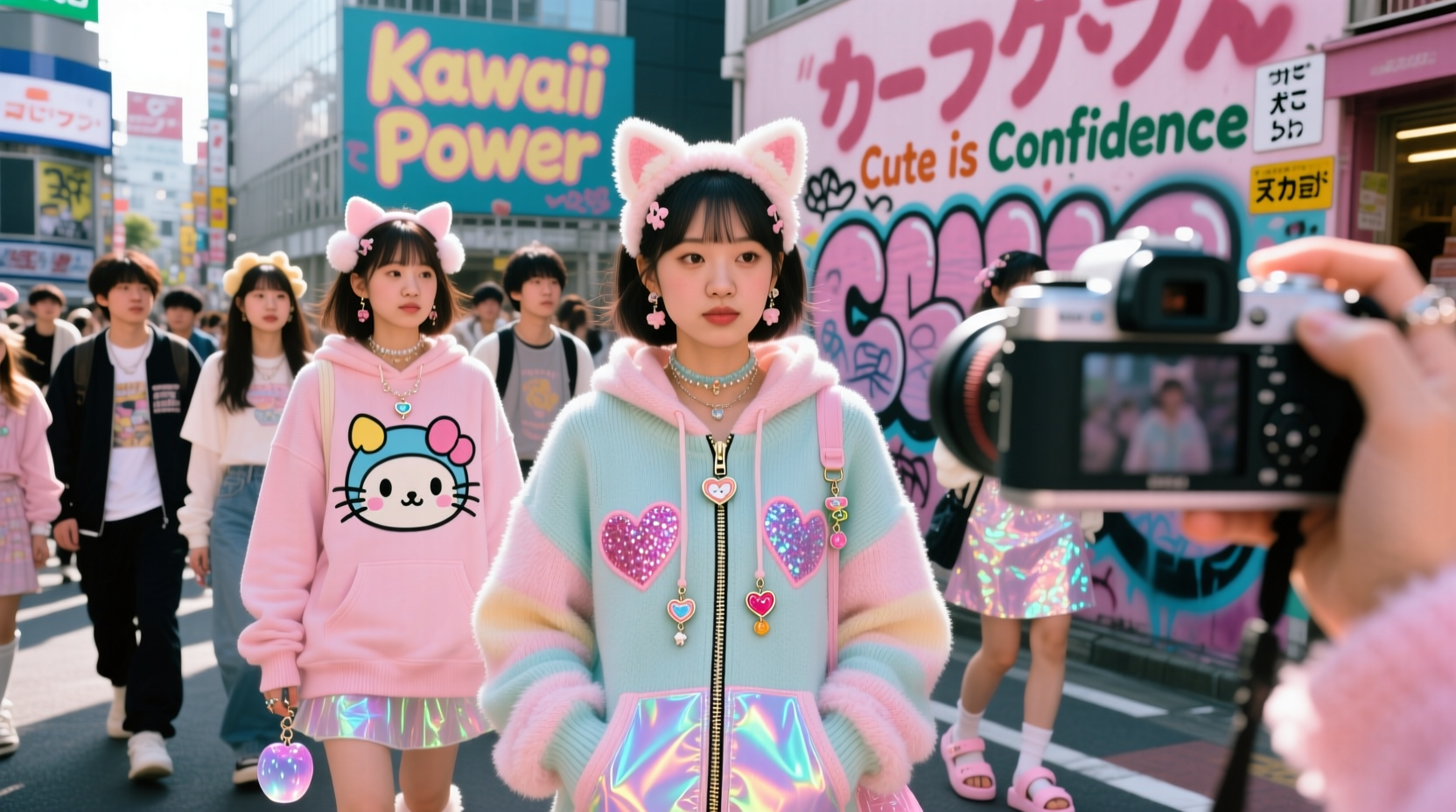
The rise of kawaii fashion in the West cannot be separated from the broader globalization of Japanese pop culture. Anime, J-pop, and manga have cultivated massive international followings over the past two decades, creating fertile ground for associated aesthetics to take root. Fans who connect emotionally with characters like Hello Kitty, Pikachu, or Studio Ghibli protagonists naturally gravitate toward fashion that mirrors those visual languages.
Social media platforms such as Instagram, TikTok, and Pinterest have accelerated this cross-cultural exchange. Hashtags like #kawaiifashion, #cutestreetwear, and #japanesestyle regularly trend among young audiences, showcasing how users blend kawaii elements—think heart-shaped sunglasses, plush accessories, or cartoon-print hoodies—with staple streetwear items like oversized denim jackets, chunky sneakers, and bucket hats.
This hybridization isn't superficial mimicry; it represents a genuine cultural dialogue. Designers and influencers alike reinterpret kawaii motifs through a Western lens, merging them with hip-hop silhouettes, punk influences, or skate culture staples. The result is an eclectic yet cohesive style that feels both familiar and refreshingly new.
“Kawaii is no longer just a Japanese export—it’s become a global vocabulary for expressing vulnerability, playfulness, and resistance to rigid fashion norms.” — Dr. Naomi Tanaka, Cultural Anthropologist specializing in youth subcultures
Psychological Appeal: Comfort, Nostalgia, and Emotional Expression
In an era marked by social anxiety, economic uncertainty, and digital overload, many young people are turning to fashion as a form of emotional armor—and kawaii style offers comfort in literal and symbolic ways. The use of soft fabrics, rounded shapes, and cheerful colors activates psychological responses linked to safety, warmth, and care. This concept, sometimes referred to as “retroactive childhood” dressing, allows wearers to reconnect with a sense of innocence and freedom often lost in adulthood.
Nostalgia also plays a critical role. Millennials and Gen Z consumers grew up surrounded by iconic kawaii brands like Sanrio, Pokémon, and Tamagotchi. Wearing these symbols today isn’t just ironic or kitschy—it’s deeply personal. A hoodie adorned with My Melody or a backpack shaped like a rainbow macaron becomes more than an accessory; it’s a wearable memory, a declaration of identity rooted in formative experiences.
Tip: Incorporate kawaii elements subtly at first—try socks with cartoon prints or enamel pins—to ease into the style without overwhelming your existing wardrobe.Brand Collaborations and Commercial Viability
Major fashion labels and streetwear giants have recognized the commercial potential of kawaii aesthetics. Strategic collaborations have brought once-niche styles into mainstream visibility. Notable examples include:
- Supreme x Comme des Garçons Play: While not overtly kawaii, the red heart logo with eyes embodies the minimalist-cute ethos central to the movement.
- Converse x Sanrio: Released multiple collections featuring Hello Kitty, Keroppi, and Badtz-Maru on Chuck Taylors, appealing directly to nostalgic millennials.
- Uniqlo UT x Studio Ghibli: Regularly sells out worldwide, proving sustained demand for whimsical, character-driven designs.
- Off-White™ x Medicom Toy: Elevated the Bearbrick figure—a quintessential kawaii object—to luxury status.
These partnerships demonstrate that kawaii fashion isn’t relegated to cosplay or niche communities. When executed thoughtfully, it resonates with broad demographics seeking authenticity and emotional connection in their purchases. Moreover, limited-edition drops create urgency and exclusivity, aligning perfectly with streetwear’s hype-driven economy.
| Collaboration | Kawaii Element | Streetwear Integration |
|---|---|---|
| Adidas x Disney (Stitch) | Blue alien character with large eyes | Applied to sneakers and track jackets |
| Bape x Snoopy | Peanuts character reimagined in Bape camouflage | Graphic tees, hoodies, and accessories |
| Versace x Hello Kitty (by Richard Quinn) | Iconic bow-wearing cat in baroque patterns | Luxury dresses and runway presentation |
Subversion of Norms and Gender Fluidity
One of the most compelling reasons kawaii fashion endures in Western streetwear is its inherent challenge to traditional masculinity and fashion binaries. In Japan, the original kawaii movement was closely tied to female schoolgirls’ handwriting and fashion, but it quickly expanded into unisex and even male-dominated expressions like kira-kira (sparkly) boys and genderless kei.
In the West, male and non-binary individuals embracing kawaii aesthetics signal a rejection of hyper-masculine ideals. Wearing pink overalls with jelly sandals or carrying a pastel unicorn backpack becomes an act of quiet defiance—an assertion that softness, cuteness, and emotionality are valid forms of self-presentation regardless of gender.
This aligns with broader cultural movements advocating for mental health awareness and emotional openness among men. Kawaii fashion, in this context, functions not only as style but as social commentary. It normalizes vulnerability and encourages wearers to prioritize personal joy over societal expectations.
Mini Case Study: Jamie Chen – From Gamer to Kawaii Streetwear Influencer
Jamie Chen, a 24-year-old content creator based in Los Angeles, started posting videos about anime and gaming in 2020. Over time, they began incorporating kawaii-themed outfits into their streams—initially as costumes, then as daily wear. Their signature look combines baggy cargo pants, oversized graphic tees featuring retro video game characters, and accessories like LED cat ears or jelly transparent backpacks.
Within a year, Jamie amassed over 300,000 followers across platforms. Brands noticed. They were invited to collaborate with a rising eco-friendly apparel line launching a “Digital Cute” collection blending pixel art with sustainable materials. What began as a personal hobby evolved into a full-time career.
“People think kawaii is childish,” Jamie said in a recent interview. “But for me, it’s empowering. I get messages every day from guys saying they finally feel okay wearing something colorful because of my posts.”
How to Integrate Kawaii Elements Into Streetwear: A Step-by-Step Guide
Adopting kawaii fashion doesn’t require a complete wardrobe overhaul. Here’s a practical approach to blending cuteness with urban edge:
- Start with Accessories: Swap standard caps for bucket hats with animal ears or add enamel pins of cartoon characters to your jacket.
- Play with Color Palettes: Introduce soft pinks, mint greens, or lavender into monochrome outfits via socks, phone cases, or tote bags.
- Mix Textures and Proportions: Pair a fluffy faux-fur coat with distressed jeans and combat boots to balance sweetness with toughness.
- Choose Statement Pieces: Invest in one bold item—like a hoodie with a giant smiling mascot or a skirt layered over cargo pants.
- Customize Your Gear: Use iron-on patches, fabric markers, or embroidery to personalize existing clothes with hearts, stars, or doodles.
- Embrace Digital Identity: Extend your style online with matching profile themes, avatars, or animated stickers that reflect your aesthetic.
Kawaii Fashion Checklist: Building Your Core Wardrobe
To authentically incorporate kawaii fashion into streetwear, consider assembling these foundational items:
- ✔️ Pastel-colored oversized hoodie with embroidered details
- ✔️ Cartoon-character graphic T-shirt (Hello Kitty, Pompompurin, etc.)
- ✔️ Transparent or jelly-style accessories (backpack, rain boots, phone case)
- ✔️ Platform sneakers in white or glitter finish
- ✔️ Denim jacket customized with patches or hand-drawn designs
- ✔️ Hair clips or headbands with animal ears or bows
- ✔️ Socks with quirky prints (cupcakes, stars, bunnies)
Frequently Asked Questions
Is kawaii fashion only for women or girls?
No. While historically associated with femininity, kawaii fashion is increasingly embraced by all genders. Male and non-binary fans in Japan and abroad have long participated in the scene, using it to explore identity and challenge stereotypes. The core value of kawaii—emotional authenticity—transcends gender.
Isn’t wearing kawaii styles seen as immature?
Perceptions vary, but growing cultural acceptance has shifted attitudes. Just as streetwear once faced criticism for being \"too casual,\" kawaii fashion is maturing in public view. Many see it as a bold choice rather than a childish one—especially when styled with intention and confidence.
Can kawaii fashion be sustainable?
Absolutely. While fast fashion brands often exploit kawaii imagery, there’s a rising wave of ethical designers creating eco-conscious kawaii wear. Look for brands using organic cotton, recycled plastics, and fair labor practices. DIY customization also promotes sustainability by extending the life of existing garments.
Conclusion: Why Cuteness Endures
Kawaii fashion persists in Western streetwear not because it’s trendy, but because it speaks to enduring human needs: belonging, joy, and self-definition. In a world where fashion can feel cold, exclusive, or overly curated, kawaii brings warmth, inclusivity, and imagination back into the conversation. It reminds us that clothing can be fun, expressive, and deeply meaningful—all at once.
Its integration into streetwear signals a broader evolution in style—one where irony coexists with sincerity, where toughness doesn’t exclude tenderness, and where individuality is celebrated in all its forms. Whether you’re drawn to the nostalgia, the aesthetic, or the message, kawaii fashion invites participation on your own terms.
🚀 Ready to express your softer side? Start small, stay authentic, and don’t fear standing out. Share your kawaii-inspired looks online and inspire others to embrace their inner cuteness.








