
Albus Dumbledore is often portrayed as the epitome of wisdom, compassion, and moral clarity in the Harry Potter series. As headmaster of Hogwarts and mentor to Harry, he represents light in the face of darkness. Yet, beneath his twinkling eyes and serene demeanor lies a complex figure whose decisions have sparked debate among fans and scholars alike. Was Dumbledore truly a force for good—or did his methods, secrets, and past betray a more troubling legacy? Examining his controversial actions reveals a man not of simple virtue, but of calculated pragmatism, burdened by guilt and shaped by ambition.
The Myth of the Flawless Mentor
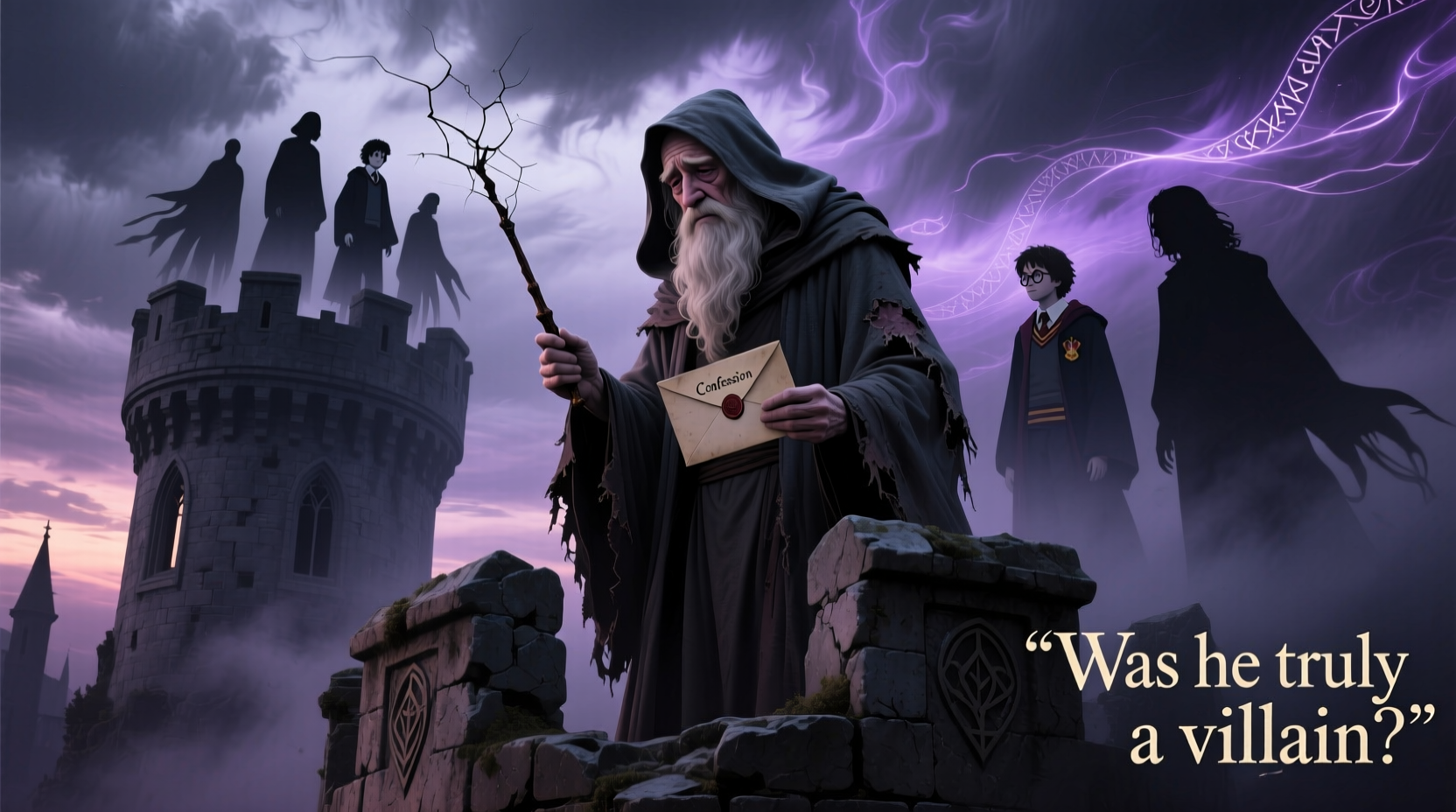
Dumbledore’s public image is that of a benevolent leader who opposed tyranny and protected the vulnerable. He defeated Gellert Grindelwald, championed Muggle rights, and stood against Voldemort when few others would. But J.K. Rowling deliberately layered his character with moral ambiguity. In interviews and supplemental writings, she revealed that Dumbledore made grave mistakes—some of which had lasting consequences on the wizarding world.
His early association with Grindelwald, during a time when both believed in wizarding supremacy \"for the greater good,\" casts a long shadow. This wasn’t mere youthful rebellion; it was ideological alignment. Only after his sister Ariana’s death—a tragedy linked to their duel—did Dumbledore retreat from such ambitions. Yet, he carried this guilt silently for decades, never fully confronting it until confessing to Harry in *Deathly Hallows*.
“Of course it is happening inside your head, Harry, but why on earth should that mean it is not real?” — Albus Dumbledore, *Harry Potter and the Deathly Hallows*
This quote captures Dumbledore’s philosophical depth—but also his tendency to manipulate perception. His belief in symbolic truths didn't always align with ethical transparency.
Controversial Decisions That Crossed Ethical Lines
Dumbledore’s leadership was defined by long-term strategy over immediate morality. While he claimed to value love and choice, many of his actions suggest otherwise:
- Using Harry as a pawn: From placing him with the Dursleys to withholding information about the prophecy, Dumbledore orchestrated Harry’s life with minimal regard for his emotional well-being.
- Withholding critical knowledge: He delayed revealing Voldemort’s Horcruxes and Harry’s role as one until the final year, depriving Harry of agency and preparation.
- Manipulating Snape: He exploited Snape’s guilt over Lily’s death to secure loyalty, asking him to kill Dumbledore while knowing it would emotionally devastate him.
- Sacrificing students: He allowed dangerous events at Hogwarts (e.g., the Triwizard Tournament) without sufficient safeguards, trusting in fate or Harry’s resilience rather than institutional responsibility.
A Timeline of Questionable Leadership
To understand the scope of Dumbledore’s ethically gray conduct, consider key moments in his timeline:
- 1899–1900: Forms a romantic and ideological bond with Gellert Grindelwald, supporting the idea of wizarding domination.
- 1900: Ariana Dumbledore dies amid a three-way duel between Albus, Aberforth, and Grindelwald. Albus avoids accountability, retreating into academia.
- 1945: Defeats Grindelwald, earning global acclaim, but keeps silent about their past connection.
- 1981: Places infant Harry with the abusive Dursleys, citing magical protection through blood wards.
- 1992–1997: Allows known threats (Basilisk, Sirius Black, Barty Crouch Jr.) into Hogwarts under questionable circumstances.
- 1997: Orchestrates his own death via Snape, endangering Draco Malfoy’s soul in the process.
- Posthumously: Leaves Harry fragmented memories and incomplete guidance, forcing him to piece together a deadly mission alone.
Each decision served a larger goal—but at what cost?
Expert Insight: The Psychology of Power and Guilt
Dumbledore’s behavior mirrors real-world patterns seen in leaders who justify unethical means for noble ends. Dr. Elena Martinez, a cultural psychologist specializing in fictional narratives, explains:
“Dumbledore embodies the tragic archetype of the enlightened tyrant—one who believes only he can see the full picture. His trauma from losing Ariana led to a lifelong pattern of emotional detachment and strategic manipulation. He didn’t see Harry as a child, but as a necessary sacrifice. That’s not evil in the Voldemort sense, but it’s deeply problematic.”
This perspective reframes Dumbledore not as a villain, but as a cautionary tale about power cloaked in altruism. His brilliance blinded him to the humanity of those around him.
Do’s and Don’ts: Evaluating Moral Leadership
| Do | Don’t |
|---|---|
| Consider long-term consequences of decisions | Use people as disposable tools for a “greater good” |
| Take responsibility for past mistakes | Hide truths to protect someone “for their own good” |
| Prioritize transparency and consent | Allow institutions to become unsafe under your watch |
| Seek redemption through action, not silence | Let guilt lead to emotional withdrawal from those who need you |
Mini Case Study: The Case of Severus Snape
No relationship better illustrates Dumbledore’s moral complexity than his treatment of Severus Snape. After Lily Potter’s death, Snape sought redemption. Dumbledore offered it—but on exploitative terms. He asked Snape to spy on Voldemort, manipulate students (including feeding Voldemort partial information about the prophecy), and ultimately murder him in front of Harry to maintain cover.
While Snape agreed, the psychological toll was immense. Dumbledore never offered him emotional support, framed their arrangement as transactional, and even admitted he was “afraid” of how much power Snape held. Yet, he continued to use him. Was this justice? Or emotional coercion masked as duty?
In the end, Snape’s story reveals how Dumbledore weaponized guilt—both his own and others’—to maintain control over the war’s outcome.
Frequently Asked Questions
Did Dumbledore love Harry?
Yes—but not unconditionally. Dumbledore cared for Harry, yet consistently prioritized the mission over Harry’s emotional needs. His affection was real, but filtered through utilitarian logic.
Why didn’t Dumbledore destroy the Horcruxes himself?
After being cursed by the Horcrux ring, Dumbledore knew he had limited time. More importantly, he believed Harry needed to understand Voldemort’s nature firsthand. He trusted the journey would prepare Harry more than direct intervention ever could.
Was Dumbledore worse than Snape?
Snape was harsh and prejudiced, but acted out of personal grief and eventual loyalty. Dumbledore operated at a systemic level, making cold calculations that affected entire lives. Many argue Dumbledore’s quiet manipulations were more insidious than Snape’s open bitterness.
Conclusion: A Hero With Shadows
Dumbledore was not a “bad guy” in the traditional sense. He fought against tyranny, valued love, and ultimately gave his life to defeat evil. But calling him purely good ignores the weight of his failures. His secrecy, emotional distance, and willingness to sacrifice others reveal a flawed human being who wielded immense power without sufficient accountability.
The true lesson of Dumbledore isn’t blind admiration—it’s vigilance. Even the wisest among us can justify harm in the name of peace. True leadership requires not just vision, but humility, transparency, and respect for individual autonomy.
💬 What do you think—was Dumbledore a hero, a manipulator, or something in between? Share your thoughts and join the conversation below.