
In an era where minimalism dominates design trends and pocket space is at a premium, the debate between wallet phone cases and regular cases remains surprisingly relevant. Once hailed as the ultimate convenience tool—merging phone protection with card storage—wallet cases now face stiff competition from sleeker, lighter alternatives. As smartphone users increasingly prioritize portability and discretion, many are questioning: Is the added bulk of a wallet case still acceptable? Or has the tide turned toward simpler, slimmer solutions?
The answer isn’t universal. It depends on lifestyle, daily routines, and personal values around convenience versus comfort. To understand whether people are still \"okay\" with the bulk, we need to examine real-world usage patterns, technological shifts, and evolving consumer expectations.
The Evolution of the Wallet Phone Case
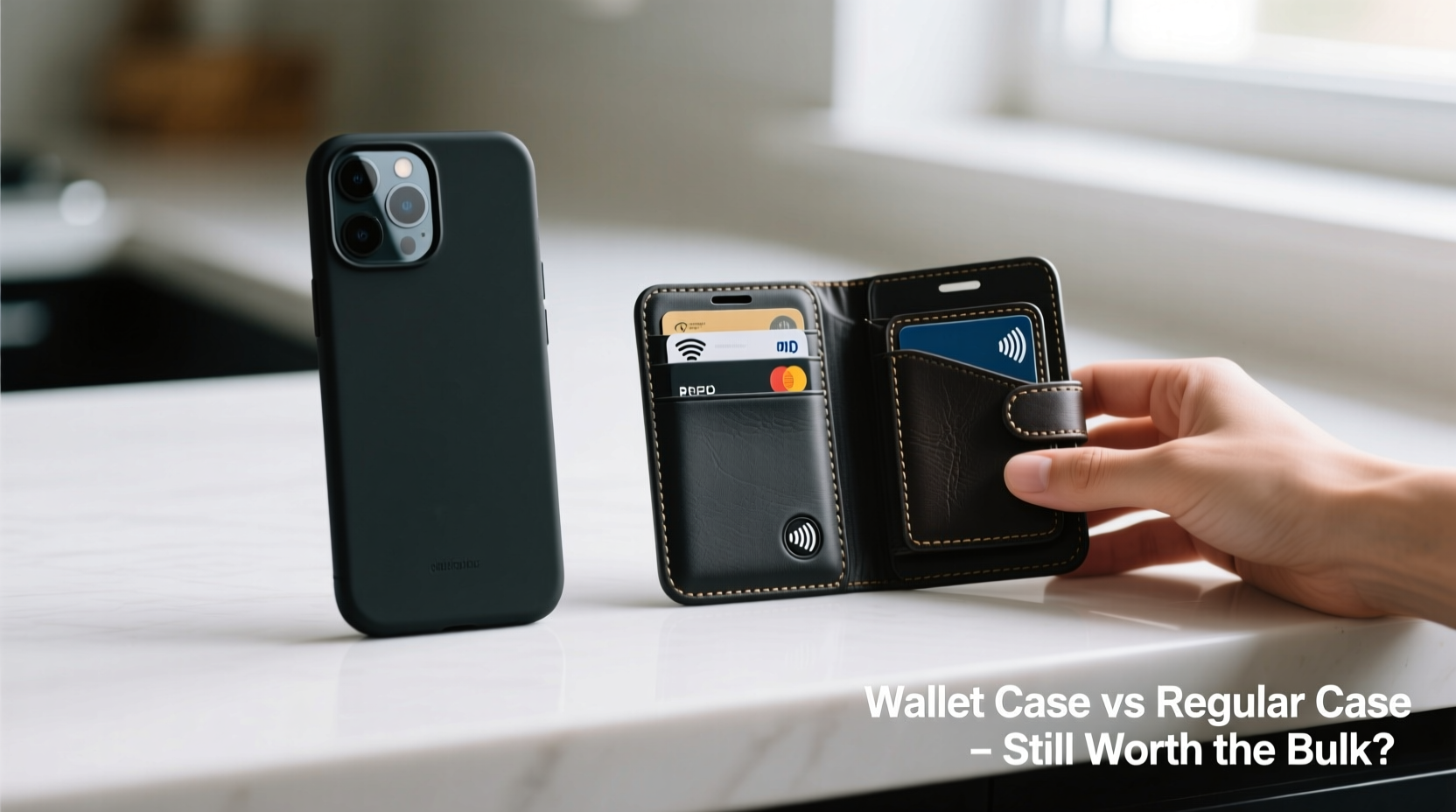
Wallet phone cases gained popularity in the early 2010s as smartphones became central to daily life. The idea was simple: reduce the number of items you carry by combining your phone and wallet into one device. Early adopters praised them for eliminating the need to juggle multiple objects, especially during commutes or quick errands.
Manufacturers responded with designs that included slots for IDs, credit cards, and even cash. Some models featured flip covers with windowed fronts for checking notifications without opening the case. For a time, they were seen as innovative, practical, and even stylish.
But over the past few years, changing habits have challenged their dominance. Mobile payments like Apple Pay, Google Wallet, and Samsung Pay have reduced reliance on physical cards. At the same time, concerns about RFID skimming, overheating, and signal interference emerged—especially when cards were stored directly against phones.
Tip: If you use a wallet case, avoid placing more than two cards inside to minimize bulk and prevent damage to NFC antennas.Comparing Bulk: Wallet Case vs Regular Case
The most immediate difference between wallet and regular cases lies in thickness and weight. A standard silicone or TPU case typically adds only 1–2mm of thickness. In contrast, even the slimmest wallet cases start at 5–7mm, increasing significantly when cards are inserted.
This added dimension affects not just how the phone feels in hand, but also how it fits in pockets, bags, and holsters. Deep jeans pockets may accommodate the extra girth, but slim-fit trousers or tight jackets often make wallet cases impractical.
| Feature | Wallet Case | Regular Case |
|---|---|---|
| Average Thickness (with cards) | 8–12mm | 1–3mm |
| Weight Increase | 50–100g | 15–30g |
| Card Capacity | 1–4 cards | None |
| Pocket Comfort | Moderate to Poor | Excellent |
| Risk of Signal Interference | Moderate (if metal-backed) | Negligible |
Bulk isn't just about size—it's about usability. Users report that thicker cases make one-handed typing harder and increase fatigue during extended use. Additionally, dropping a heavier phone-case combo can lead to greater impact force, potentially increasing damage risk.
User Preferences in 2024: Convenience vs. Comfort
Recent surveys suggest a shift in consumer sentiment. According to a 2023 mobile accessories study by TechLifestyle Insights, only 28% of smartphone owners currently use a wallet case, down from 44% in 2019. Among users aged 18–34, the decline is even steeper, with fewer than 20% opting for integrated wallet functionality.
Instead, many prefer pairing a minimalist phone case with a separate ultra-slim wallet or relying entirely on digital payment methods. This hybrid approach offers flexibility: remove the wallet when unnecessary, keep the phone light, and maintain full access to biometric sensors without obstruction.
“We’ve seen a clear trend toward ‘modular minimalism’—people want control over what they carry, not everything fused together.” — Jordan Lee, Product Strategist at UrbanGear Labs
That said, certain demographics still favor wallet cases. Travelers, delivery drivers, and field technicians—who frequently move between locations without access to secure storage—value having essentials consolidated. Similarly, older adults who are less comfortable with contactless payments may find physical cards easier to manage.
Real-World Example: The Commuter’s Dilemma
Consider Maria, a freelance photographer based in Chicago. She used a wallet case for two years, appreciating how it held her transit pass, driver’s license, and one credit card. But after switching to Apple Pay and starting morning runs before work, she found the case too bulky for shorts pockets and uncomfortable during long shoots.
She eventually transitioned to a MagSafe-compatible slim case and attached a magnetic card holder only when needed. “I only carry cards three days a week now,” she explains. “Why add weight every day for something I rarely use?” Her solution reflects a growing mindset: adaptability beats all-in-one integration.
When a Wallet Case Still Makes Sense
Despite the trend toward minimalism, there are scenarios where wallet cases remain not just acceptable—but optimal.
- Frequent travelers benefit from having ID and boarding passes easily accessible.
- Cash-based workers, such as food service staff or tradespeople, often need to store tips or receipts.
- Emergency preparedness: Having a backup card or cash tucked away can be crucial during power outages or network failures.
- Reduced clutter: For those who hate carrying purses or backpacks, combining essentials into one item simplifies logistics.
The key is evaluating your actual needs. Ask yourself: How often do I reach for my wallet while already holding my phone? Do I regularly visit places where digital payments aren’t accepted? Answering these honestly helps determine whether the trade-off in bulk is justified.
Step-by-Step Guide: Choosing the Right Case for You
- Assess your daily routine: Track how often you use physical cards versus mobile payments over one week.
- Evaluate pocket space: Try carrying your phone in your usual pants or jacket pocket. Does it feel strained or unbalanced?
- Test grip and handling: Borrow different case types to see how they affect one-handed use.
- Consider security: Are you concerned about pickpocketing? A wallet case keeps everything closer to your body.
- Weigh alternatives: Explore options like clip-on card sleeves, MagSafe wallets, or RFID-blocking sleeves that offer middle-ground solutions.
Checklist: Is a Wallet Case Right for You?
- ✅ I use physical cards daily (more than 4 times per week)
- ✅ I dislike carrying a separate wallet or bag
- ✅ I value having everything in one place for quick access
- ✅ My clothing typically accommodates bulkier items in pockets
- ✅ I don’t rely heavily on wireless charging (which wallet cases can interfere with)
If you checked three or more, a wallet case might still serve you well. Otherwise, a regular case paired with selective accessories could offer better balance.
FAQ
Do wallet cases damage phones or interfere with signals?
Poorly designed wallet cases—especially those with metal components—can block GPS, Wi-Fi, or NFC signals. They may also trap heat, affecting battery performance. Always choose models labeled as “RFID-safe” and avoid stacking multiple cards near the phone’s center, where antennas are usually located.
Are there lightweight wallet case options?
Yes. Several brands now offer “hybrid” designs using thin polycarbonate shells with single-card slots. These add minimal bulk (around 4mm) and work well with MagSafe systems. While not ideal for storing cash or multiple cards, they suit users needing just ID and one payment method.
Can I use a wallet case with wireless charging?
Most modern wallet cases allow wireless charging if the card slot is positioned away from the phone’s charging coil (typically centered). However, thick materials or metal-reinforced cards may reduce efficiency. Removing cards before charging ensures optimal performance.
Conclusion: Balancing Utility and Design
The question isn’t whether people *should* accept the bulk of wallet phone cases—but whether the trade-off aligns with their lifestyle. In 2024, the answer varies widely. For some, the convenience outweighs the discomfort. For others, advances in digital payments and modular accessories make traditional wallet cases obsolete.
Ultimately, the best choice respects both function and form. Whether you opt for a streamlined regular case or embrace the utility of a wallet model, the goal is intentional design: carrying only what you need, how you need it.
🚀 Ready to rethink your carry? Audit your daily essentials this week and experiment with a lighter setup. You might discover that less really is more.