
In recent years, fashion has increasingly turned its gaze backward. What was once dismissed as outdated is now being reevaluated through the lens of nostalgia, craftsmanship, and sustainability. Nowhere is this shift more evident than in the resurgence of vintage handbags—particularly those from American heritage brands like Coach. Once seen as utilitarian accessories for middle-class professionals, vintage Coach bags are now coveted by collectors, influencers, and secondhand shoppers alike. But beyond trendiness, a deeper question remains: Are vintage Coach bags truly making a comeback, and do they represent a sound financial and stylistic investment today?
The answer isn’t simple. It depends on factors like condition, model rarity, material quality, and shifting consumer values. This article explores the revival of vintage Coach, evaluates their current market performance, and offers practical guidance for anyone considering adding one to their wardrobe—or portfolio.
The Resurgence of Vintage Coach: More Than Just Nostalgia
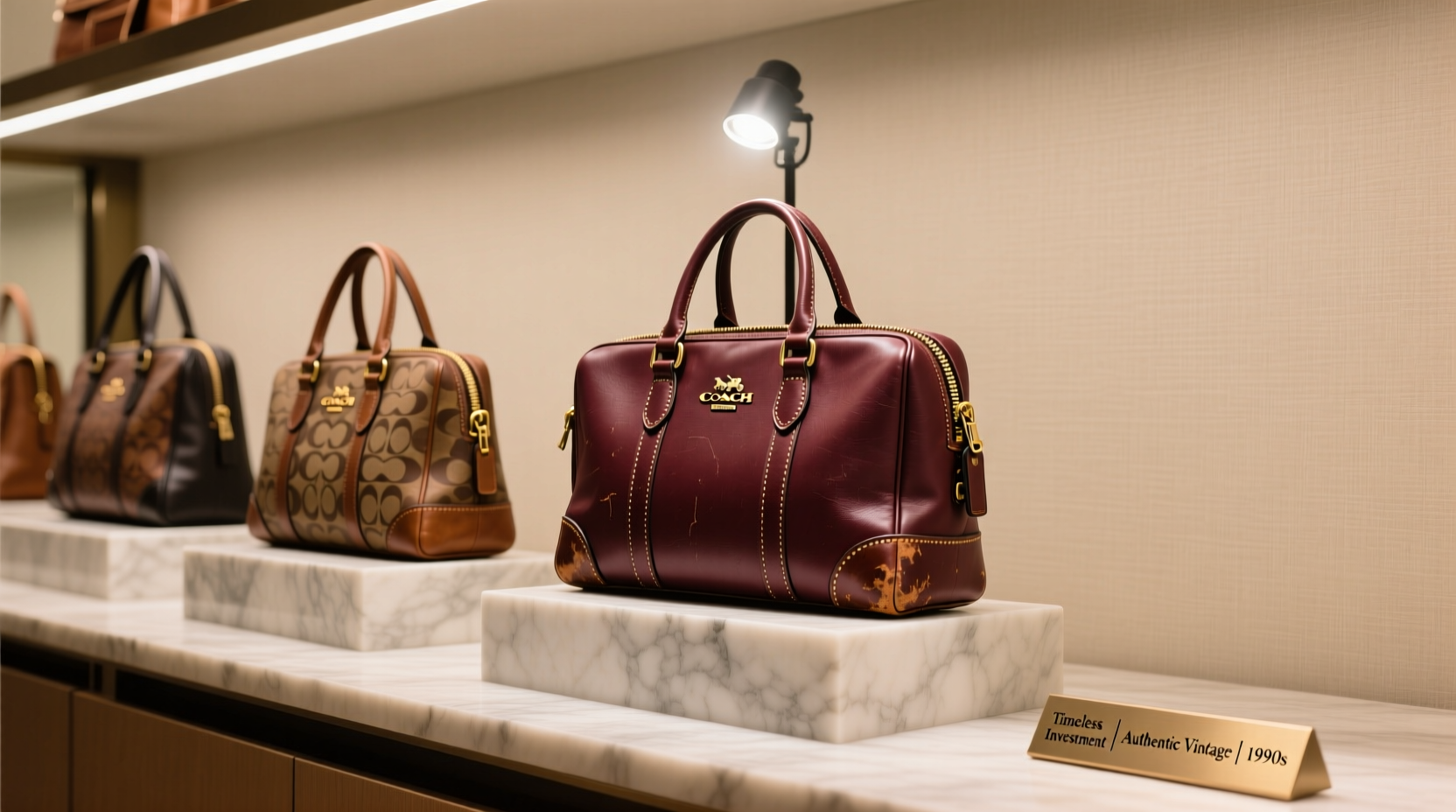
Coach began in 1941 as a family-run workshop in Manhattan, crafting small leather goods with an emphasis on durability and understated elegance. By the 1970s and 1980s, the brand had become synonymous with American workwear style—its structured satchels, turnlock closures, and signature glovetanned leather gracing offices and college campuses across the country. Then came the 2000s, when Coach pivoted toward mass-market appeal, flooding department stores with logo-heavy designs that diluted its original prestige.
Ironically, it was this very decline in mainstream relevance that laid the groundwork for a vintage revival. As younger consumers began rejecting fast fashion and overbranded items, they rediscovered the quiet luxury of older Coach pieces—those made before the era of monograms and metallic hardware. These earlier models, often labeled “pre-love” or “vintage” (typically pre-2000), stand out for their superior materials, minimalist silhouettes, and timeless functionality.
Platforms like eBay, Etsy, Grailed, and Depop have fueled this rediscovery. A quick search reveals thousands of listings, with prices ranging from $50 for common shoulder bags to over $1,000 for rare archival finds. Instagram accounts dedicated solely to vintage Coach have amassed tens of thousands of followers. The aesthetic—often styled with high-waisted jeans, trench coats, and loafers—has even earned its own nickname: “Quiet Coach.”
“Vintage Coach represents a sweet spot between accessibility and authenticity. You’re not just buying a bag—you’re buying a piece of American design history.” — Lila Thompson, Vintage Fashion Curator & Author of *American Leather: The Rise and Reinvention of Heritage Brands*
What Makes a Vintage Coach Bag Valuable?
Not all vintage Coach bags are created equal. While many were mass-produced during the brand’s peak decades, certain characteristics elevate a piece from thrift-store find to collectible treasure. Understanding these distinctions is key to determining whether a specific bag is worth investing in.
Rarity: Limited production runs, special collections, or discontinued hardware types (like brass turnlocks or square zippers) can significantly increase value. Bags from the 1960s and early 1970s are particularly sought after due to lower survival rates.
Material: Glovetanned leather—the brand’s original proprietary hide—is soft, supple, and ages beautifully. It develops a rich patina over time, which collectors prize. Saffiano-textured leather, canvas, and suede variants also exist but vary in desirability.
Provenance: Original tags, date stamps (usually found inside the bag near the serial number), and accompanying documentation (like receipts or boxes) add credibility and can boost resale value.
Condition: Structural integrity matters most. Cracks in leather, broken zippers, worn handles, or mold damage drastically reduce worth. Light surface scuffing is expected and often adds character, but deep scratches or discoloration are red flags.
Tip: Look for bags stamped with \"C\" or \"CC\" logos instead of full \"COACH\" branding—these typically indicate pre-1990s manufacturing and higher build quality.Investment Potential: Do Vintage Coach Bags Appreciate?
Unlike luxury European labels such as Hermès or Chanel, whose handbags routinely appreciate year-over-year, vintage Coach has not yet reached the same level of consistent market growth. However, select models show promising signs of upward momentum.
A 2023 analysis by Rebag’s annual *Handbag Index* noted that while overall resale value for Coach remained flat compared to previous years, certain vintage styles saw gains of up to 25% in resale price. Notably, structured saddle bags from the 1970s and compact crossbodies with horse-and-carry motifs performed best.
Consider this real-world example:
Mini Case Study: The 1978 Turnlock Satchel
Jessica M., a vintage reseller based in Portland, purchased a burgundy glovetanned leather satchel with brass turnlock closure in early 2021 for $120. The bag had minor wear on the corners but retained its shape and original lining. After professional cleaning and conditioning, she listed it on Etsy for $325. Within three weeks, it sold to a collector in Japan who specializes in American leather goods. Adjusted for fees and shipping, her net profit was $178—a 148% return in under four months.
This case illustrates two truths: first, niche demand exists globally; second, proper restoration multiplies value. While not every vintage Coach will yield such returns, strategic acquisitions can generate meaningful profits—especially when targeting overlooked eras or regional markets.
Do’s and Don’ts When Buying Vintage Coach
| Do | Don't |
|---|---|
| Check interior date codes to verify age | Assume all \"vintage-looking\" bags are authentic |
| Prioritize bags with original hardware intact | Overlook subtle signs of water damage or odor |
| Compare prices across multiple platforms | Pay premium prices without researching comparables |
| Ask sellers for detailed photos of flaws | Buy based solely on filtered lifestyle images |
| Factor in restoration costs before purchasing | Underestimate the cost of professional leather repair |
How to Care for Your Vintage Coach Bag
Purchasing a vintage Coach bag is only half the journey. Preservation determines long-term value—both monetary and emotional. Because these pieces are decades old, they require attentive maintenance to prevent deterioration.
Leather naturally dehydrates over time. Without periodic conditioning, it becomes brittle and prone to cracking. Use pH-balanced leather creams (such as Lexol or Bick 4) every 6–12 months, applying sparingly with a lint-free cloth. Avoid silicone-based polishes, which create a false shine and clog pores.
Cleaning should be gentle. For surface dirt, use a slightly damp microfiber cloth. Never submerge the bag or apply excessive moisture. If the lining is soiled, spot-clean with a mild soap solution, taking care not to saturate stitching.
Storage is equally critical. Keep the bag away from direct sunlight and humidity. Store upright with acid-free tissue paper inside to maintain shape. Always use a breathable cotton dust bag—never plastic, which traps moisture and encourages mildew.
“Consistent care and proper storage can double a bag’s lifespan.” — Emma Clarke, Fashion Care Expert
Step-by-Step Guide to Authenticating a Vintage Coach Bag
- Locate the date stamp: Most vintage Coach bags have a blind stamp (no color) inside the bag, usually near the side seam or beneath the flap. It includes a letter and number combination indicating month and year of production (e.g., “D23” = April 1973).
- Examine the logo: Pre-1980s bags feature a simple “C” or “CC” debossed mark. Full “COACH” branding in block letters became common in the 1990s.
- Inspect the leather: True glovetanned leather feels buttery and develops a warm patina. Fakes often feel stiff or plasticky.
- Test the hardware: Brass components should have weight and slight tarnish. Lightweight, flimsy zippers or magnetic clasps may indicate reproduction.
- Verify stitching: Even, tight stitching with waxed thread is standard. Irregular spacing or loose threads suggest poor restoration or counterfeit origin.
Is Now the Right Time to Invest?
The current moment presents a unique window for entry. Vintage Coach remains relatively undervalued compared to other heritage labels, offering affordability and opportunity. Unlike designer bags that start at $5,000, many desirable vintage Coach pieces can still be acquired for under $300—if you know where to look.
However, investment should never be based on hype alone. Consider your goals: Are you collecting for personal enjoyment? Building a resale inventory? Seeking long-term asset growth? Each objective requires a different strategy.
For collectors, focus on iconic silhouettes: the 1970s bucket bag, the vintage duffle, or the classic purse with chain strap. These styles consistently attract attention and hold steady demand. For investors, monitor auction results and platform trends. Tools like WorthPoint or Archive Auctions allow historical price tracking, helping identify undervalued models poised for appreciation.
One emerging trend is customization. Some buyers now commission artisans to personalize vintage Coach bags with hand-painted details or embroidered initials, blending nostalgia with self-expression. While this enhances individual appeal, it may reduce resale value among purists who favor originality.
Checklist: Before You Buy a Vintage Coach Bag
- ✅ Confirm production era using date code
- ✅ Assess leather condition (flex test for cracks)
- ✅ Verify authenticity through logo, stamp, and construction
- ✅ Research comparable sales on eBay or Vestiaire Collective
- ✅ Budget for potential restoration (cleaning, relining, hardware fix)
- ✅ Decide: Is this for wear, display, or resale?
Frequently Asked Questions
Are all vintage Coach bags made in the USA?
Most vintage Coach bags produced before the late 1990s were manufactured in the United States, primarily in New York and Pennsylvania. Starting in the early 2000s, production shifted overseas. Bags marked “Made in USA” or “Crafted in USA” are generally more desirable to collectors.
Can I use modern Coach care products on vintage pieces?
Yes, but cautiously. Coach-branded leather conditioner is safe for most glovetanned leathers, but always patch-test in an inconspicuous area first. Avoid sprays containing alcohol or silicone, which can degrade aged materials.
How much should I spend on a vintage Coach bag?
Entry-level vintage Coach bags in fair condition start around $75. Well-preserved, iconic models range from $200–$500. Rare or museum-quality pieces may exceed $1,000. Set a budget based on your purpose—casual wear vs. serious collecting—and stick to it.
Conclusion: Style, Substance, and Smart Choices
Vintage Coach bags are indeed making a comeback—not as fleeting trend, but as enduring symbols of thoughtful design and sustainable consumption. Their rise reflects broader cultural shifts: a desire for authenticity, a rejection of disposable fashion, and renewed appreciation for craftsmanship that lasts.
While they may not yet rival the investment power of European luxury icons, select vintage Coach bags offer compelling value. With careful selection, proper care, and a bit of market awareness, they can serve as both stylish companions and modest appreciating assets.
The real worth of a vintage Coach bag lies not just in its resale potential, but in the story it carries—the hands it passed through, the places it’s been, the way it ages with grace. In a world of algorithm-driven trends, that kind of depth is increasingly rare. And increasingly valuable.
💬 Have a vintage Coach story or favorite find? Share your experience in the comments below—whether it’s a thrift shop gem, a family heirloom, or a recent splurge. Let’s build a community around mindful collecting and timeless style.








