A leather bag pendant may be small in size, but its impact on style and sentiment is often immense. Whether it’s a hand-tooled charm, a vintage heirloom, or a personalized accessory, this delicate detail enhances both the aesthetic and emotional value of your favorite bag. However, unlike larger leather components, pendants are more exposed to friction, moisture, and environmental wear—making their care particularly critical. Without proper attention, even high-quality leather can dry out, crack, or lose its luster within months. This guide delivers actionable, expert-backed strategies to preserve your leather bag pendant so it remains supple, richly colored, and beautiful for years.
Understanding Leather Types and Their Needs
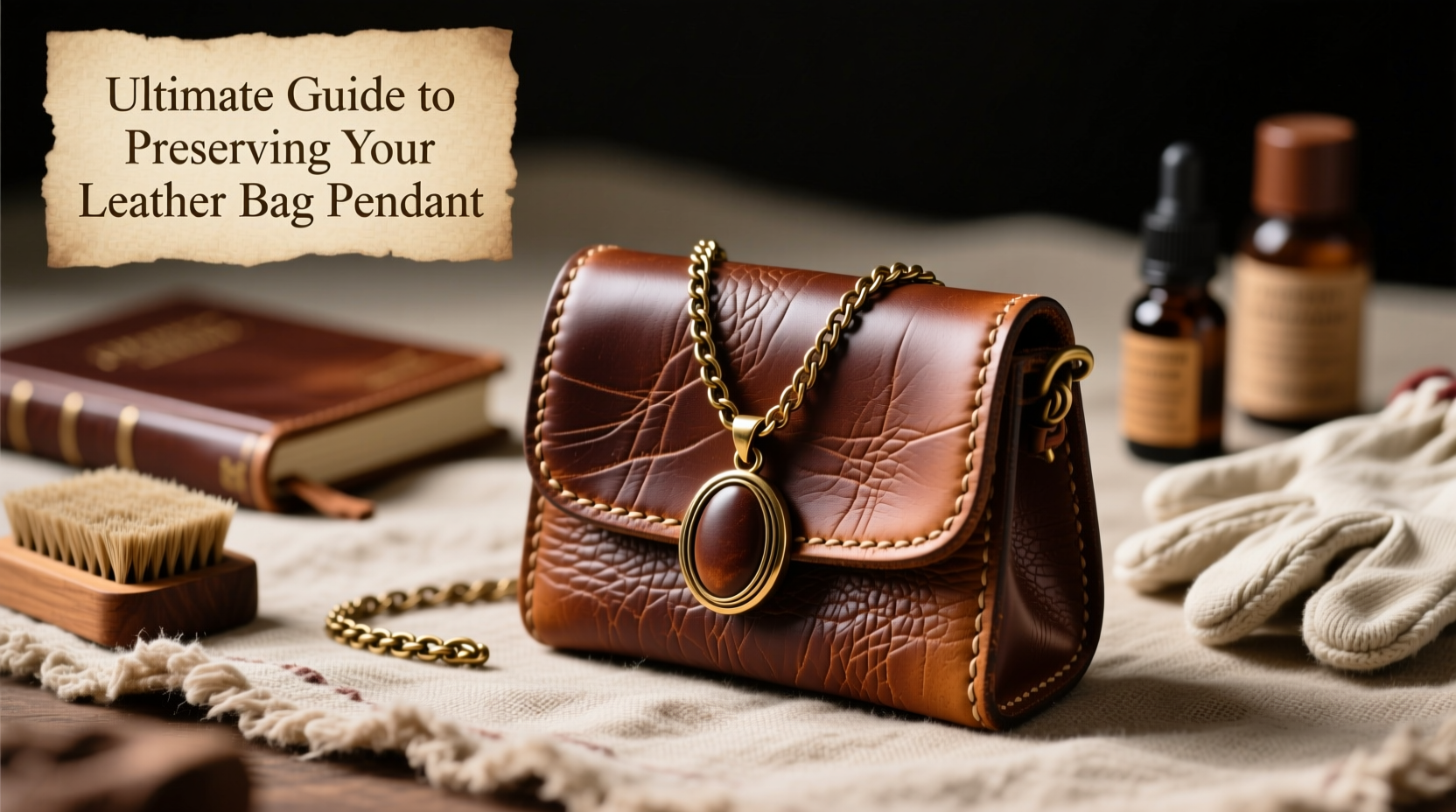
Not all leather is created equal, and knowing the type used in your pendant determines how you should care for it. Common varieties include full-grain, top-grain, suede, and bonded leather—each reacting differently to moisture, oils, and cleaning agents.
- Full-grain leather: The most durable and natural form, prized for its grain and longevity. It develops a patina over time but requires conditioning to prevent drying.
- Top-grain leather: Slightly thinner and sanded for uniformity. More pliable than full-grain but less resistant to abrasion.
- Suede/nubuck: Soft, brushed surface that's highly susceptible to water stains and oil marks. Requires specialized protectants.
- Bonded leather: Made from leftover fibers and adhesives. Less durable and prone to peeling; avoid heavy conditioning.
Step-by-Step Care Routine for Longevity
Maintaining a leather pendant doesn’t require elaborate tools—just consistency and precision. Follow this weekly to quarterly routine to keep it in peak condition.
- Dust Removal (Weekly): Use a soft, dry microfiber cloth to gently wipe away surface dust and fingerprints. Pay attention to engraved details where grime accumulates.
- Spot Cleaning (As Needed): For minor stains, lightly dampen a cotton swab with distilled water and dab—not rub—the affected area. Avoid soaking.
- Deep Cleaning (Every 3–4 Months): Apply a pH-balanced leather cleaner with a lint-free cloth. Use circular motions sparingly, then wipe clean with a dry section of the cloth.
- Conditioning (Quarterly): Apply a pea-sized amount of leather conditioner formulated for your specific leather type. Buff gently after 5–10 minutes to remove residue.
- Protection (Biannually): For suede or frequently handled pendants, apply a leather protector spray to resist moisture and UV damage.
“Even the smallest leather elements benefit from regular hydration. A well-conditioned pendant resists cracking far longer than neglected ones.” — Daniel Reeves, Artisan Leather Conservator
Do’s and Don’ts: What to Avoid at All Costs
Mistakes in leather care are often irreversible. The following table outlines essential practices to embrace—and those to eliminate immediately.
| Do’s | Don’ts |
|---|---|
| Store the pendant covered when not in use | Expose it to direct sunlight for extended periods |
| Use products specifically labeled for leather accessories | Apply household cleaners, alcohol, or vinegar |
| Handle with clean hands to minimize oil transfer | Submerge in water or use wet wipes regularly |
| Rotate usage between multiple pendants to reduce wear | Attach to bags in rainy or humid climates without protection |
| Inspect monthly for signs of fraying or discoloration | Ignore early signs of dryness or stiffness |
Real Example: Saving a Heirloom Pendant
Sophia inherited a tooled leather pendant from her grandmother, attached to a vintage handbag she uses occasionally. After two years of sporadic use and storage in a plastic pouch, the leather had become stiff and developed fine cracks near the attachment loop. She consulted a leather restoration specialist who advised immediate rehydration. Following a regimen of gentle cleaning with a lanolin-based solution and biweekly conditioning, the pendant regained flexibility within six weeks. The expert emphasized that early intervention prevented permanent damage. Today, Sophia conditions the piece every quarter and stores it in a breathable cotton pouch—proof that consistent care reverses neglect.
Storage Solutions That Make a Difference
How you store your pendant when detached from a bag is as important as daily care. Poor storage leads to warping, color transfer, and moisture buildup.
- Wrap the pendant in acid-free tissue paper to prevent chemical reactions.
- Place it in a soft cotton or muslin pouch—never plastic, which traps humidity.
- Store in a drawer or box away from heat sources, ideally with silica gel packs to regulate moisture.
- If attached to a bag, ensure the bag itself is stored upright with stuffing to maintain shape and reduce strain on attachments.
Care Checklist: Monthly Maintenance Plan
Stay proactive with this concise checklist to ensure no step is missed.
- ☑ Inspect for dryness, discoloration, or fraying edges
- ☑ Wipe gently with a dry microfiber cloth
- ☑ Check attachment hardware (loop, chain, or clasp) for looseness
- ☑ Confirm storage environment is cool, dry, and dark
- ☑ Note next conditioning date based on seasonal needs
Frequently Asked Questions
Can I use coconut oil or household moisturizers on my leather pendant?
No. While natural oils like coconut or olive oil may temporarily soften leather, they oxidize over time, leading to rancidity, darkening, and breakdown of fibers. Always use conditioners specifically designed for leather preservation.
How do I handle water exposure if caught in the rain?
Immediately blot excess moisture with a dry cloth. Let the pendant air-dry at room temperature—away from heaters or direct sun. Once dry, assess for stiffness and consider light conditioning if needed. Never use a hairdryer.
Is it safe to wear a leather pendant every day?
Daily wear increases exposure to sweat, friction, and UV rays, accelerating wear. Rotate with other accessories to prolong life. If worn daily, inspect weekly and condition more frequently—every 6–8 weeks instead of quarterly.
Final Thoughts: Small Details, Lasting Impact
The leather bag pendant may seem like a minor accent, but it often carries the soul of a design—whether through craftsmanship, symbolism, or memory. Its preservation isn’t just about appearance; it’s about honoring intention and quality. With mindful handling, proper cleaning, and intelligent storage, your pendant will age gracefully, developing character without sacrificing integrity. These habits take minutes each month but yield decades of enjoyment.
💬 Start today: Take your pendant off the bag, inspect it closely, and note what it needs. Share your care journey or ask questions in the comments—let’s build a community that values lasting beauty over fleeting trends.