Titanium snake bracelets have surged in popularity due to their sleek design, hypoallergenic properties, and exceptional durability. Woven from interlocking titanium coils, these bracelets mimic the texture of a serpent’s skin while offering a lightweight, flexible fit that conforms to the wrist. But even the most resilient materials benefit from proper care. Without regular maintenance, exposure to environmental factors can dull the finish, weaken structural integrity, or compromise comfort over time. Understanding how to clean, store, and protect your titanium snake bracelet ensures it remains a standout piece in your jewelry collection for years.
Why Titanium Requires Special Care
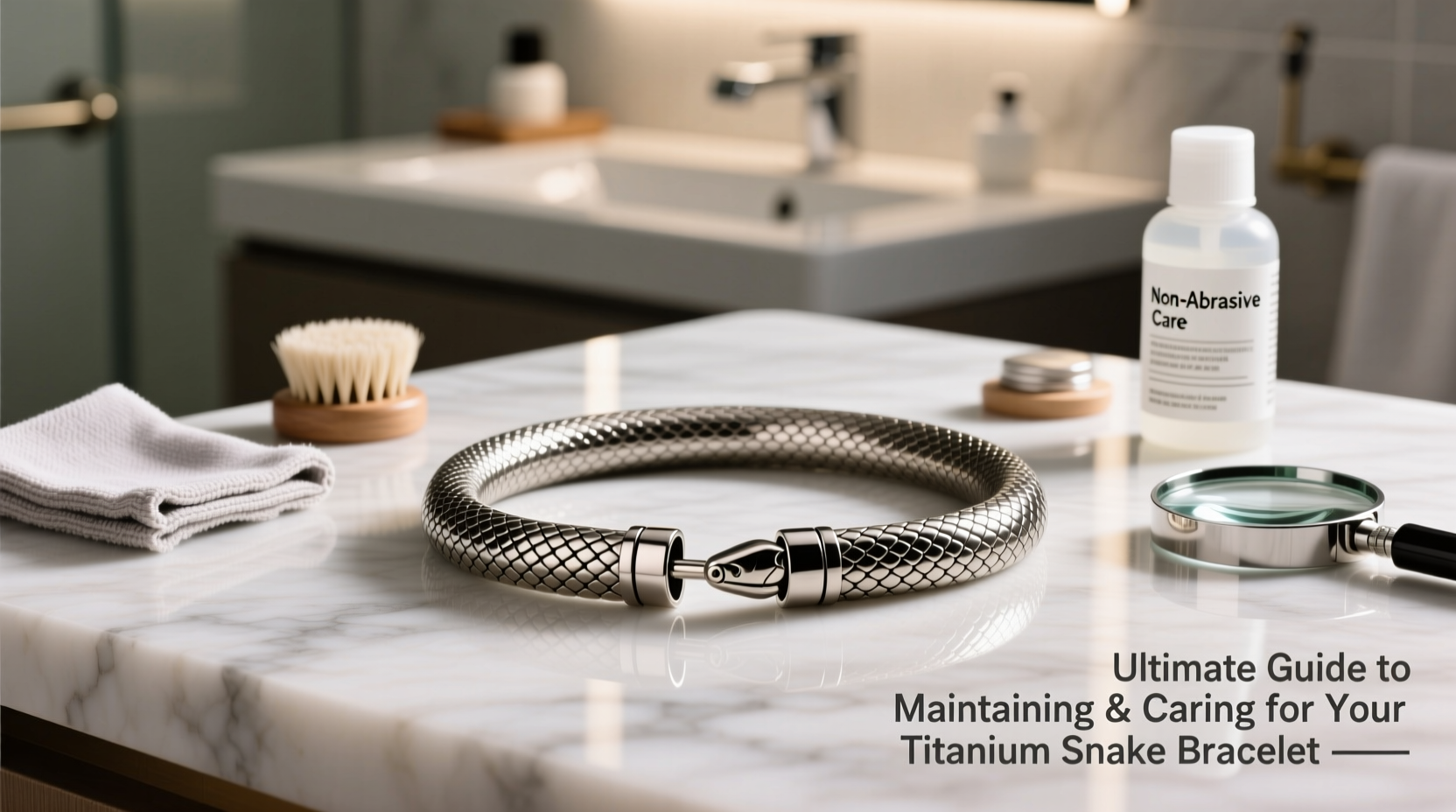
While titanium is renowned for its resistance to corrosion, scratches, and tarnish, it is not impervious to wear. The intricate weave of a snake bracelet creates small crevices where dirt, sweat, and oils can accumulate. Over time, this buildup may lead to discoloration or an unpleasant odor, especially with daily wear. Additionally, although titanium doesn’t react with most chemicals, prolonged exposure to chlorine, saltwater, or strong cleaning agents can degrade surface finishes. Proper care preserves both the aesthetic brilliance and functional flexibility of the bracelet.
“Titanium is one of the most durable metals used in jewelry, but its longevity depends on consistent, thoughtful maintenance—especially in woven designs.” — Dr. Lena Torres, Materials Scientist & Jewelry Preservation Specialist
Step-by-Step Cleaning Process
Cleaning your titanium snake bracelet should be a routine practice, ideally every two to three weeks with regular wear. Follow this detailed process to maintain shine and hygiene:
- Remove the bracelet and inspect for any visible damage, such as loose links or kinks in the weave.
- Prepare a cleaning solution: Mix lukewarm water with a few drops of mild dish soap. Avoid detergents with bleach, ammonia, or abrasive additives.
- Soak for 5–10 minutes to loosen grime trapped in the coils.
- Use a soft-bristled toothbrush (preferably new and unused) to gently scrub along the weave. Focus on areas near the clasp and inner surface, which contact the skin most.
- Rinse thoroughly under running water to remove all soap residue.
- Dry completely with a lint-free microfiber cloth. Air-drying is acceptable, but patting dry prevents water spots.
- Polish lightly with a jewelry polishing cloth to restore luster.
Storage Best Practices and Environmental Considerations
How you store your bracelet when not in use plays a crucial role in preventing damage. Exposure to humidity, extreme temperatures, and friction from other jewelry can lead to premature wear.
| Factor | Recommended Practice | Avoid |
|---|---|---|
| Humidity | Store in a dry, climate-controlled space | Bathrooms or damp drawers |
| Contact with Other Items | Use a fabric-lined jewelry box or individual pouch | Loose storage with rings or chains |
| Temperature | Room temperature environments | Car glove compartments or near heaters |
| Sunlight | Limited indirect exposure | Prolonged UV exposure |
Consider using anti-tarnish strips in your storage area, even though titanium doesn’t tarnish—these help absorb ambient moisture that could affect clasps or adjacent pieces.
Common Mistakes That Damage Titanium Snake Bracelets
Even with good intentions, improper handling can shorten the life of your bracelet. Awareness of these pitfalls helps prevent avoidable damage:
- Wearing during physical activity: Exercise, gardening, or weightlifting can bend or stretch the weave.
- Exposure to pool or ocean water: Chlorine and salt are corrosive over time, especially to the clasp mechanism.
- Using abrasive cloths: Paper towels or rough fabrics can create micro-scratches.
- Ignoring clasp maintenance: The clasp is often made of a different metal alloy and requires separate attention.
- Stacking without protection: Wearing multiple rigid bracelets alongside the snake design increases friction and deformation risk.
Mini Case Study: Recovering a Neglected Bracelet
Jamal had worn his titanium snake bracelet daily for over a year, rarely removing it—even while swimming and showering. After noticing a persistent dullness and slight stiffness in movement, he consulted a jeweler. Upon inspection, mineral deposits from hard water were found deep within the weave, and the magnetic clasp showed signs of pitting from chlorine exposure. After a professional cleaning using a non-abrasive titanium-safe solution and ultrasonic treatment at low frequency (specifically calibrated for titanium), the bracelet regained 90% of its original shine. The jeweler advised Jamal to adopt a bi-weekly cleaning routine and remove the bracelet before water activities. Six months later, Jamal reported no further issues and praised the bracelet’s renewed comfort and appearance.
Maintenance Checklist for Long-Term Care
Stay proactive with this actionable checklist to keep your titanium snake bracelet in top condition:
Monthly Maintenance Checklist:- ✔ Clean with mild soap and water
- ✔ Inspect for loose links or clasp wear
- ✔ Dry and polish after cleaning
- ✔ Check for skin irritation or discoloration (signs of buildup)
- ✔ Store properly in a soft pouch
- ✔ Remove before swimming, cleaning, or exercising
Frequently Asked Questions
Can I wear my titanium snake bracelet in the shower?
While titanium itself won’t corrode, repeated exposure to soaps, shampoos, and hard water minerals can lead to buildup in the weave and reduce shine. It’s best to remove the bracelet before showering to maintain its appearance and hygiene.
Is it safe to wear the bracelet if I have sensitive skin?
Yes. Titanium is hypoallergenic and ideal for sensitive skin. However, ensure the clasp is also made from a compatible material (such as surgical-grade stainless steel or titanium) to avoid allergic reactions.
How do I know if my bracelet is genuine titanium?
Genuine titanium is lightweight, non-magnetic, and resistant to rust. If the bracelet feels unusually heavy, attracts magnets, or shows signs of rust, it may be a titanium-plated alloy. Purchase from reputable retailers and request certification when possible.
Conclusion: Make Care a Seamless Habit
Your titanium snake bracelet is more than an accessory—it’s a fusion of craftsmanship and modern metallurgy designed to endure. With minimal but consistent effort, you can preserve its elegance, comfort, and structural integrity for decades. Integrate cleaning into your routine, store it wisely, and respect its limits around water and physical strain. These small habits compound into lasting value.
💬 Have a care tip or experience with your titanium snake bracelet? Share your insights in the comments and help others protect their favorite piece of wearable art.