Choosing a pair of metal frame sunglasses goes beyond style. While aesthetics draw you in, long-term comfort, clarity, and resilience depend on the underlying craftsmanship and material integrity. Many consumers assume all metal frames are inherently durable, but subtle differences in alloy composition, hinge design, and finish quality can drastically affect longevity. Understanding how to evaluate these elements empowers you to invest wisely in eyewear that performs as well as it looks—year after year.
Understanding Metal Frame Materials: What’s Beneath the Shine?
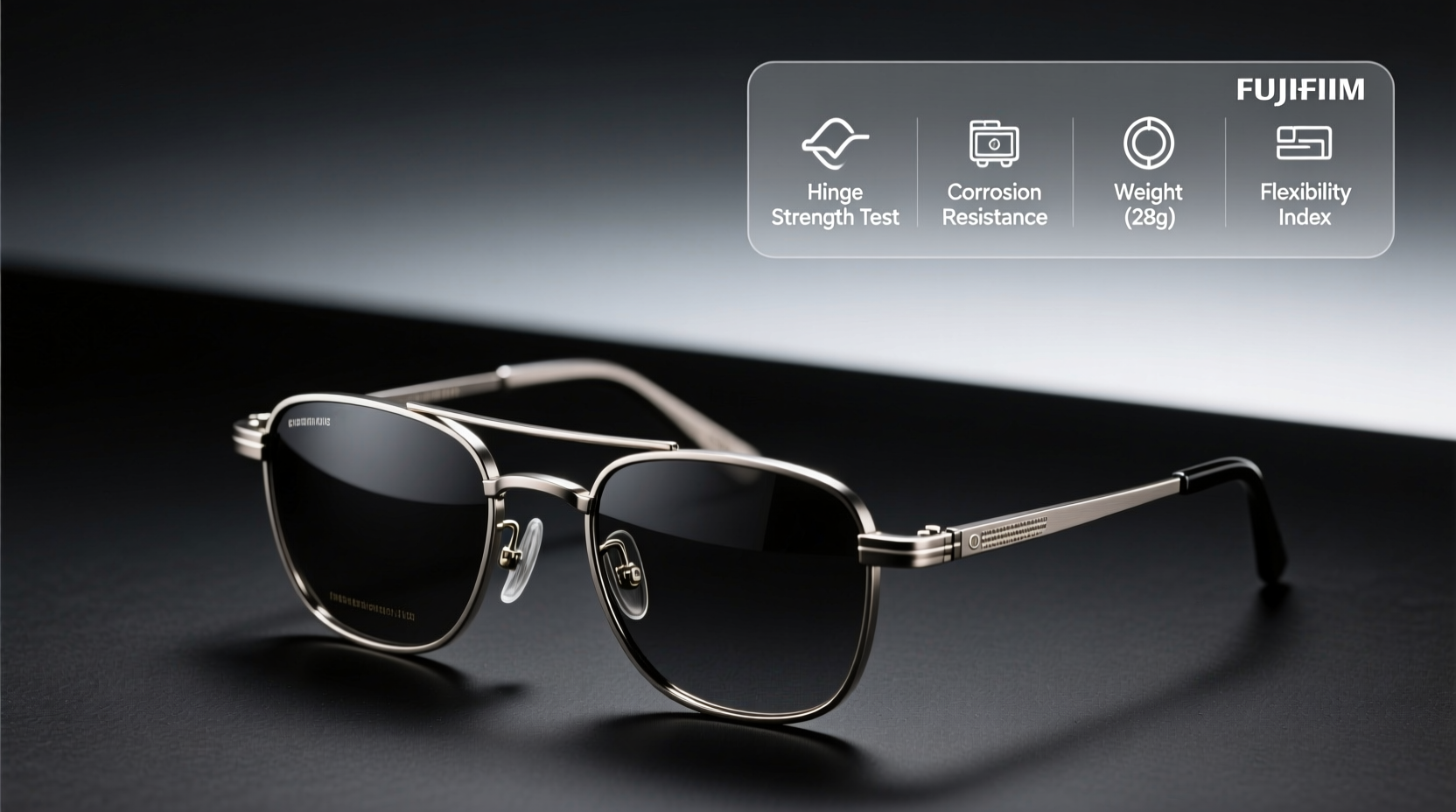
The foundation of any high-quality metal frame lies in its base material. Not all metals perform equally under stress, exposure, or daily wear. The most common alloys used in premium sunglasses include:
- Stainless Steel: Resistant to corrosion and oxidation, stainless steel offers strength and lightness. Ideal for active lifestyles or humid environments.
- Titanium: Exceptionally strong yet lightweight, titanium is hypoallergenic and highly resistant to saltwater and sweat—perfect for marine sports or sensitive skin.
- Monel: A nickel-copper alloy known for durability and malleability. Widely used in high-end brands, though may cause reactions in those with nickel allergies.
- Beta-Titanium: A flexible variant of titanium that retains shape under pressure. Common in adjustable nose pads and temple arms.
Avoid frames labeled simply as “metal” or “alloy” without specification. These often indicate lower-grade mixes prone to warping or discoloration over time.
Tip: Look for engravings or product specs indicating the exact metal type. Titanium and stainless steel offer the best balance of strength, weight, and corrosion resistance.Hinge Design and Functionality: The Hidden Lifeline of Sunglasses
The hinge is one of the most stressed components of any sunglass frame. Poor hinge construction leads to sagging temples, misalignment, or complete breakage. High-quality hinges should operate smoothly, stay securely closed, and resist loosening over time.
Key features of superior hinge systems include:
- Spring Hinges: Built-in tension mechanisms allow temples to flex outward without damage. Essential for frequent use or larger head sizes.
- Screw Quality: Stainless steel screws with precision threading last longer than cheap brass or plastic equivalents.
- Reinforced Joints: Frames with internal reinforcement around the hinge area reduce stress fractures.
To test hinge quality, open and close the temples multiple times. They should snap shut firmly but not feel stiff. There should be no lateral wobble when the arms are closed.
“Over 70% of metal frame failures originate at the hinge. Investing in robust hinge engineering isn’t optional—it’s essential.” — Daniel Reyes, Optical Product Engineer, Eyewear Innovations Lab
Coatings and Finishes: More Than Just Looks
The surface treatment of metal frames plays a critical role in both appearance and endurance. A premium finish protects against scratches, UV degradation, and chemical exposure from sunscreen, sweat, or cleaning agents.
Common finishes include:
| Finish Type | Benefits | Lifespan Indicator |
|---|---|---|
| PVD (Physical Vapor Deposition) | Highly scratch-resistant, uniform color, excellent adhesion | Lasts 3–5+ years with regular use |
| Electroplating | Shiny appearance, cost-effective | May chip or fade within 1–2 years |
| Powder Coating | Durable, textured options, good grip | Resists peeling if applied correctly |
| Anodized Finish | Used primarily on titanium; corrosion-resistant | Near-permanent if undamaged |
If the finish begins flaking near the nose bridge or hinges within months, it indicates poor adhesion or substandard application processes.
Step-by-Step Guide: How to Evaluate Sunglasses In-Store or Online
Whether shopping in person or browsing online, follow this systematic approach to assess true quality:
- Inspect the Weight and Balance: Hold the sunglasses. They should feel evenly distributed across the nose and ears. Excess weight on the front suggests poor design or thick, low-grade metal.
- Check for Symmetry: Align the lenses and temples visually. Misaligned components signal rushed assembly or weak structural integrity.
- Test Flexibility: Gently press the temples inward. Beta-titanium and Monel should spring back without deformation. Avoid frames that bend permanently.
- Examine the Nose Pads: Silicone or rubber pads should be securely mounted and adjustable. Integrated pads molded into the frame often degrade faster.
- Review Brand Transparency: Reputable brands disclose material types, country of manufacture, and warranty terms. Absence of such details is a red flag.
- Look for Certification Marks: CE marking, FDA compliance, or ANSI Z80.3 standards indicate adherence to safety and optical quality benchmarks.
Real-World Example: From Beach Vacation to Daily Driver
Samantha, a marine biologist based in Miami, purchased two pairs of metal-frame sunglasses over three years. The first, a budget brand made from unspecified alloy, began corroding at the hinges after six months of coastal exposure. The spring hinges failed, and the gold plating peeled near the nose pads.
Her second pair, crafted from beta-titanium with PVD coating and sealed spring hinges, has lasted over four years despite daily saltwater contact and intense sun. She attributes the difference not to brand prestige, but to verifiable material claims and thoughtful engineering.
“I learned the hard way,” she says. “Now I check the specs like I’d check a dive watch—because my eyes depend on it.”
Do’s and Don’ts of Metal Frame Care
| Do’s | Don’ts |
|---|---|
| Clean with mild soap and lukewarm water weekly | Use alcohol-based cleaners or abrasive cloths |
| Store in a rigid case when not in use | Leave them face-down on hard surfaces |
| Wipe off sweat or sunscreen immediately | Expose to extreme heat (e.g., car dashboards) |
| Tighten screws every 3–6 months | Ignore early signs of hinge looseness |
Frequently Asked Questions
Are titanium frames worth the extra cost?
Yes, especially for individuals with active lifestyles or sensitive skin. Titanium is lighter, stronger, and more corrosion-resistant than most alternatives. Though typically 20–40% more expensive, its lifespan often justifies the investment.
How can I tell if a frame is made of real titanium?
Authentic titanium frames are usually marked with “Ti” or “Titanium” near the temple. They are significantly lighter than steel counterparts and non-magnetic. Use a magnet test—if it sticks strongly, the frame likely contains ferrous metals or is only titanium-coated.
Can metal frames be adjusted safely?
Yes, but only by a professional optician. Improper bending can weaken the structure, especially at solder points. Most high-end frames are designed for minor adjustments, particularly in temple angle and nose pad positioning.
Final Checklist Before You Buy
- ✅ Material clearly specified (e.g., “beta-titanium” or “stainless steel”)
- ✅ Hinges are spring-loaded and screw-based (not glued)
- ✅ Finish is PVD-coated or anodized for maximum durability
- ✅ Nose pads are replaceable and silicone-lined
- ✅ Comes with a manufacturer’s warranty (minimum 1 year)
- ✅ Lenses meet UV400 protection standards
- ✅ Balanced fit with no pressure points
Conclusion
Assessing the quality and durability of metal frame sunglasses requires attention to detail—not just in appearance, but in materials, mechanics, and maintenance potential. By focusing on verified metal types, robust hinge systems, and advanced coatings, you shift from casual buyer to informed consumer. The right pair won’t just enhance your look; it will endure seasons of sun, sweat, and adventure without compromise.
💬 Found a pair that stood the test of time? Share your experience below and help others make smarter choices.