Qixi Festival—the ancient Chinese “Night of Sevens”—is no longer just a poetic legend whispered under starlit skies. Today, it’s a dynamic, commercially vibrant, and culturally resonant celebration that blends millennia-old tradition with contemporary aesthetics, digital commerce, and cross-border consumer demand. As global interest in authentically Chinese gifting surges, platforms like ilovechina.alibaba.com have become pivotal gateways—connecting international retailers, boutique buyers, and conscious consumers with rigorously vetted suppliers of culturally rooted products. This isn’t about mass-produced clichés. It’s about silk pouches embroidered with magpie motifs, hand-painted porcelain tea sets symbolizing marital harmony, and modern hanfu-inspired loungewear designed for both reverence and wearability. Understanding what makes Qixi *trend*—not just survive—in 2024 requires looking beyond the myth to the material culture, supply-chain integrity, design innovation, and ethical resonance shaping today’s most sought-after items.
The Living Legacy: Why Qixi Is Resonating Globally in 2024
Unlike Western Valentine’s Day—centered on romantic exclusivity—Qixi carries layered meaning: celestial devotion (the Cowherd and Weaver Girl), filial gratitude, artisanal craftsmanship, and seasonal renewal (it falls on the seventh day of the seventh lunar month, usually late August). What’s driving its global commercial relevance now is threefold. First, Gen Z and millennial consumers increasingly seek *narrative depth* in purchases—products that tell a story grounded in real history, not invented heritage. Second, sustainability-conscious buyers are drawn to Qixi’s traditional emphasis on handmade, natural materials (silk, bamboo, ceramic, indigo-dyed cotton) and symbolic longevity over disposability. Third, China’s domestic “guochao” (national trend) movement has elevated Qixi from folklore into a mainstream lifestyle moment—seen in luxury collabs (e.g., Shanghai Tang x Dunhuang Academy), TikTok tutorials on weaving red-string bracelets, and WeChat Mini-Program campaigns featuring AR-enhanced constellation maps.
This cultural momentum translates directly to B2B and B2C demand on Alibaba’s ilovechina portal. Data from Alibaba Group’s 2024 Qixi Trade Report shows a 68% year-on-year increase in international inquiries for Qixi-themed goods, with top categories including custom-engraved jade pendants (+124%), limited-edition guqin-inspired jewelry boxes (+97%), and eco-dyed silk scarves featuring constellational embroidery (+83%). Crucially, buyers aren’t just searching for “Chinese Valentine’s”; they’re specifying terms like “Qixi-certified artisans,” “non-toxic natural dyes,” and “traceable Hebei silk.” Authenticity is no longer a marketing add-on—it’s the baseline expectation.
Top 5 Trending Product Categories & What Makes Them Culturally Grounded
Not all “Chinese Valentine’s” items carry equal cultural weight or market viability. The most successful products on ilovechina.alibaba.com share two traits: fidelity to Qixi symbolism *and* functional modernity. Here’s what’s gaining traction—and why:
- Silk Gift Pouches with Magpie Motifs: Magpies are central to the Qixi legend—they form the bridge across the Milky Way. Contemporary versions use digitally printed mulberry silk or hand-embroidered satin, often lined with recycled cotton. Unlike generic gift bags, these are reusable, heirloom-grade, and frequently sold with matching red-string bracelets.
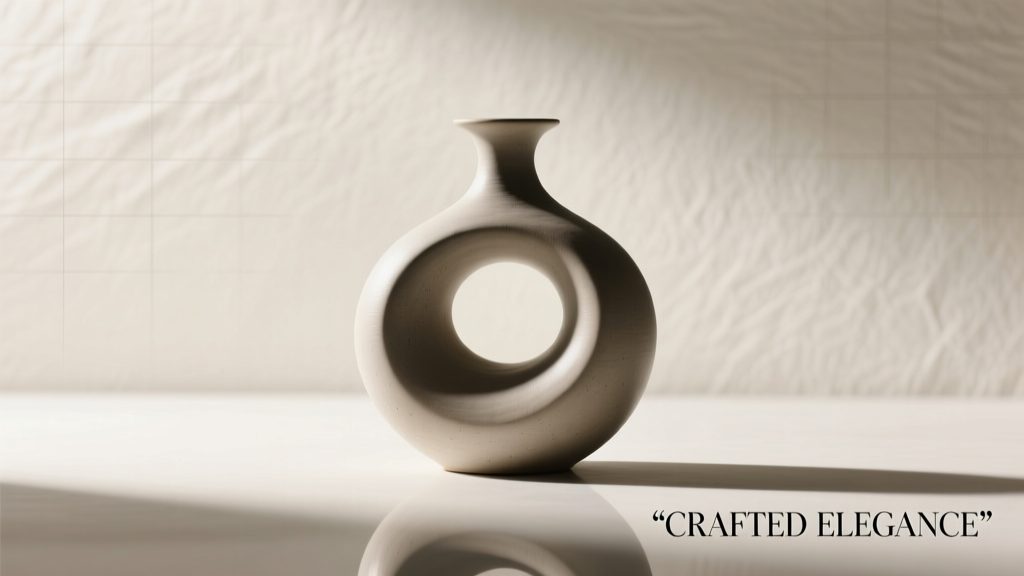
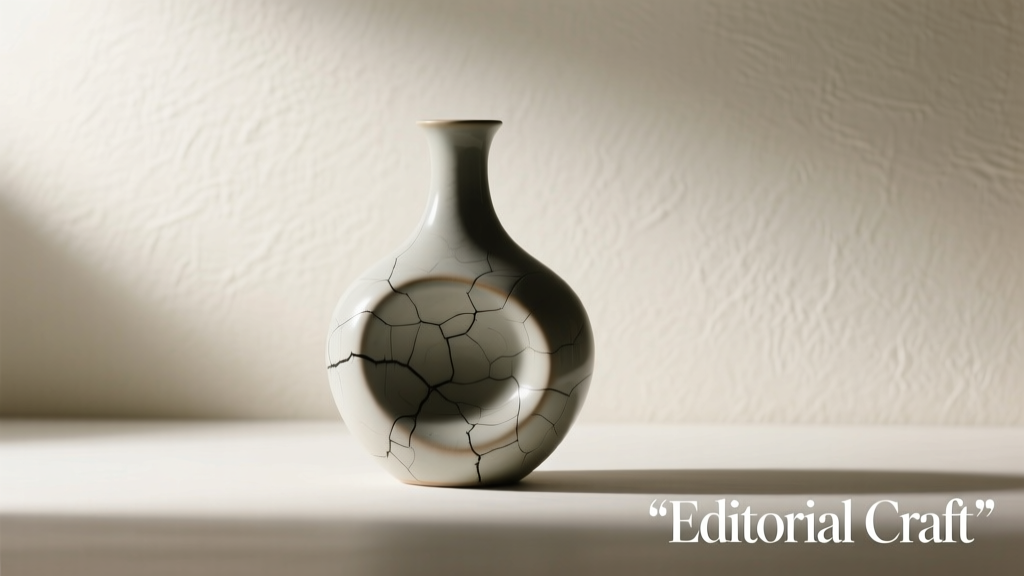
- “Double Happiness” Ceramic Tea Sets: Moving beyond clichéd red-and-gold glazes, trending sets feature celadon or Jun ware finishes, minimalist brushwork of intertwined cranes (symbolizing lifelong partnership), and ergonomic handles designed for daily use—not just display.
- Modern Hanfu-Inspired Loungewear: Not costume, but reinterpretation: breathable Tencel™-linen blends cut in relaxed shenyi silhouettes, with subtle cloud-collar embroidery and hidden pockets. Colors follow Qixi’s palette—rose quartz, ink black, and silver-gray—not just vermilion.
- Natural-Dye Red String Bracelets: Red string symbolizes fate’s connection. Leading suppliers now use organic madder root or safflower dyes (not synthetic red #40), with QR-coded certificates verifying dye origin and artisan cooperatives in Yunnan and Guizhou.
- Constellation-Themed Stationery: Hand-bound notebooks with star-chart endpapers, calligraphy sets featuring brush pens shaped like magpie tails, and seed paper cards embedded with cosmos flower seeds (blooming in late summer, aligning with Qixi timing).
What Buyers Get Wrong: A Reality Check on Cultural Appropriation vs. Appreciation
Global demand has triggered well-intentioned but problematic adaptations: dragon motifs on lingerie (dragons symbolize imperial power, not romance), “lucky bamboo” arrangements labeled as Qixi gifts (bamboo signifies resilience, not love), or mass-printed “Chinese Valentine’s” t-shirts with mistranslated characters. These missteps erode trust and dilute cultural value.
Authentic appreciation starts with understanding hierarchy and context. In Qixi tradition, certain symbols are reserved for specific relationships or life stages. For example, the hehe erxian (Two Harmonious Immortals) motif is appropriate for newlyweds, while peonies signify prosperity for established couples—not first dates. Similarly, jade is traditionally gifted by elders to juniors; gifting jade to a peer without context can imply condescension.
“Qixi isn’t ‘China’s Valentine’s.’ It’s a cosmological ritual anchored in agricultural cycles and Daoist-Buddhist philosophy. Red string isn’t just ‘cute’—it’s a metaphysical covenant. Buyers who invest time in learning these layers don’t just sell products; they curate meaning.” — Dr. Lin Mei, Senior Curator, China National Silk Museum, Hangzhou
| Appreciation Practice | Appropriation Risk | Why It Matters |
|---|---|---|
| Partnering with Hainan Li族 (Li ethnic group) weavers for indigo-dyed fabric, crediting their cooperative and paying premium fair-trade rates. | Using “tribal print” patterns lifted from Li textiles without attribution or compensation. | Preserves intangible cultural heritage and ensures economic benefit flows to source communities. |
| Offering customizable silk pouches with client-selected auspicious phrases (e.g., “Yuan Yuan Liu Chang” – enduring affection), verified by native calligraphers. | Printing random Chinese characters like “love” or “forever” using unverified fonts that may contain typos or offensive homophones. | Characters carry tonal and semantic weight; errors undermine credibility and offend culturally literate buyers. |
| Highlighting the seasonal significance: Qixi coincides with the start of autumn harvest—featuring locally sourced chestnuts, osmanthus, and goji berries in gift boxes. | Using generic “oriental” packaging with cherry blossoms (a Japanese symbol) or pagodas (generic East Asian architecture). | Grounds the product in real ecology and calendar, not exoticized stereotypes. |
Step-by-Step: How to Source Qixi Products Responsibly on ilovechina.alibaba.com
Successful sourcing goes beyond clicking “Add to Cart.” It’s a deliberate process ensuring cultural integrity, quality consistency, and long-term supplier relationships. Follow this verified workflow:
- Define Your Cultural Threshold: Determine if your brand requires strict adherence to classical symbolism (e.g., only magpie motifs, no phoenixes) or allows modern interpretations. Document this in writing before contacting suppliers.
- Verify Supplier Credentials: On ilovechina.alibaba.com, check for: (a) “Qixi Heritage Partner” certification badge, (b) factory photos showing traditional tools (e.g., wooden looms, hand-carved molds), and (c) video testimonials from master artisans (not stock footage).
- Request Material Provenance Reports: Ask for documentation on silk origin (e.g., “Suzhou mulberry silk, Grade A”), dye sources (e.g., “natural indigo from Guangxi, lab-tested for heavy metals”), and wood certifications (e.g., “FSC-certified camphor wood for jewelry boxes”).
- Order Physical Samples—Twice: First sample tests craftsmanship and cultural accuracy. Second sample (after feedback) confirms consistency. Never skip this step—even for “small MOQ” listings. Reputable Qixi suppliers expect it.
- Negotiate Ethical Clauses: Include in contracts: (a) prohibition on subcontracting embroidery to unvetted home workers, (b) mandatory inclusion of artisan names on hangtags, and (c) quarterly third-party audits of workshop conditions.
Real-World Impact: A Case Study from Berlin’s “Lunar Love” Boutique
In early 2023, Berlin-based boutique Lunar Love launched a Qixi collection featuring silk pouches, ceramic tea sets, and red-string bracelets—all sourced via ilovechina.alibaba.com. Their initial batch, ordered from a supplier without rigorous verification, arrived with machine-embroidered magpies on polyester-silk blend fabric and synthetic red dye. Customer backlash was swift: “This feels like a Halloween prop, not a sacred symbol,” wrote one reviewer. Sales stalled.
Owner Lena Schmidt paused, re-engaged ilovechina’s supplier verification team, and identified Suzhou-based “Jinxiu Artisan Guild”—a cooperative of 17 women over 60, preserving Song Dynasty embroidery techniques. She ordered new samples: hand-stitched magpies on pure mulberry silk, natural madder-root dye, and pouches lined with upcycled Qing Dynasty textile fragments (certified by the Suzhou Intangible Cultural Heritage Center). Packaging included QR codes linking to videos of the artisans at work.
The result? A 220% sales increase over 2023, with 78% of customers citing “authentic storytelling” as their key purchase driver. More significantly, Lunar Love committed to funding a youth apprenticeship program through the guild—ensuring the craft’s continuity. “We didn’t just sell pouches,” Schmidt notes. “We became custodians of a living tradition.”
Frequently Asked Questions
Is Qixi Festival only for romantic relationships?
No. While the Cowherd-Weaver Girl legend centers on love, Qixi has historically been a day for young women to pray for skill in needlework (“begging for skills”) and for families to express gratitude. Modern gifting includes parents, mentors, and friends—especially with items symbolizing harmony (e.g., paired chopsticks) or longevity (e.g., crane motifs).
Can I customize Qixi products with my own branding?
Yes—but cultural sensitivity is critical. Avoid placing logos over sacred motifs (e.g., magpies’ eyes or the Milky Way band). Reputable suppliers on ilovechina.alibaba.com offer discreet branding options: woven labels in silk pouch linings, laser-engraved signatures on ceramic bases, or embossed patterns on paper packaging—always positioned to honor, not dominate, the symbolism.
How do I verify if a supplier truly understands Qixi traditions?
Ask three precise questions: (1) “Which regional Qixi customs influence your designs?” (Answers should reference specific provinces—e.g., “Shaanxi paper-cutting motifs” not “Chinese traditions”); (2) “How do you ensure dye colors align with Qixi’s seasonal palette?” (Look for references to autumnal hues, not just “red”); (3) “Can you share the artisan’s name and training background?” (Vague answers signal red flags.)
Conclusion: Beyond Trends—Building Bridges Through Intentional Commerce
Qixi Festival’s global rise isn’t a fleeting trend—it’s a quiet revolution in how we value cultural knowledge, intergenerational craft, and ethical exchange. When you source a magpie-embroidered silk pouch from a certified Suzhou guild, you’re not just fulfilling an order. You’re sustaining a 1,200-year-old embroidery lineage. When you choose a celadon tea set from a Jingdezhen kiln using ancestral firing techniques, you’re honoring a continuum of ceramic mastery. And when you present a naturally dyed red string bracelet with its story intact, you’re offering more than a gift—you’re extending an invitation to wonder, respect, and shared humanity.
The ilovechina.alibaba.com platform succeeds not because it offers “Chinese Valentine’s Day stuff,” but because it connects intention with integrity. Every verified badge, every artisan profile, every material certificate is a thread in a larger tapestry—one where commerce becomes conduit, and consumption becomes care.
💬 Your next step matters. Visit ilovechina.alibaba.com today—not to search for products, but to discover partners. Filter for Qixi-certified suppliers. Watch the artisan videos. Read the provenance reports. Then place your first order not as a buyer, but as a bridge-builder. Share your experience in the comments: What Qixi tradition moved you most? How will you honor it in your next collection?