
Choosing between a tote bag and a crossbody bag for daily use isn’t just about style—it’s about function, comfort, and how well each fits into your routine. Both have loyal followings, but when it comes to practicality, the answer depends on your lifestyle, priorities, and the kind of day you typically face. Whether you're commuting, running errands, working remotely, or juggling kids and groceries, understanding the strengths and weaknesses of each option can help you make a smarter, more sustainable choice.
Capacity vs. Convenience: The Core Trade-Off
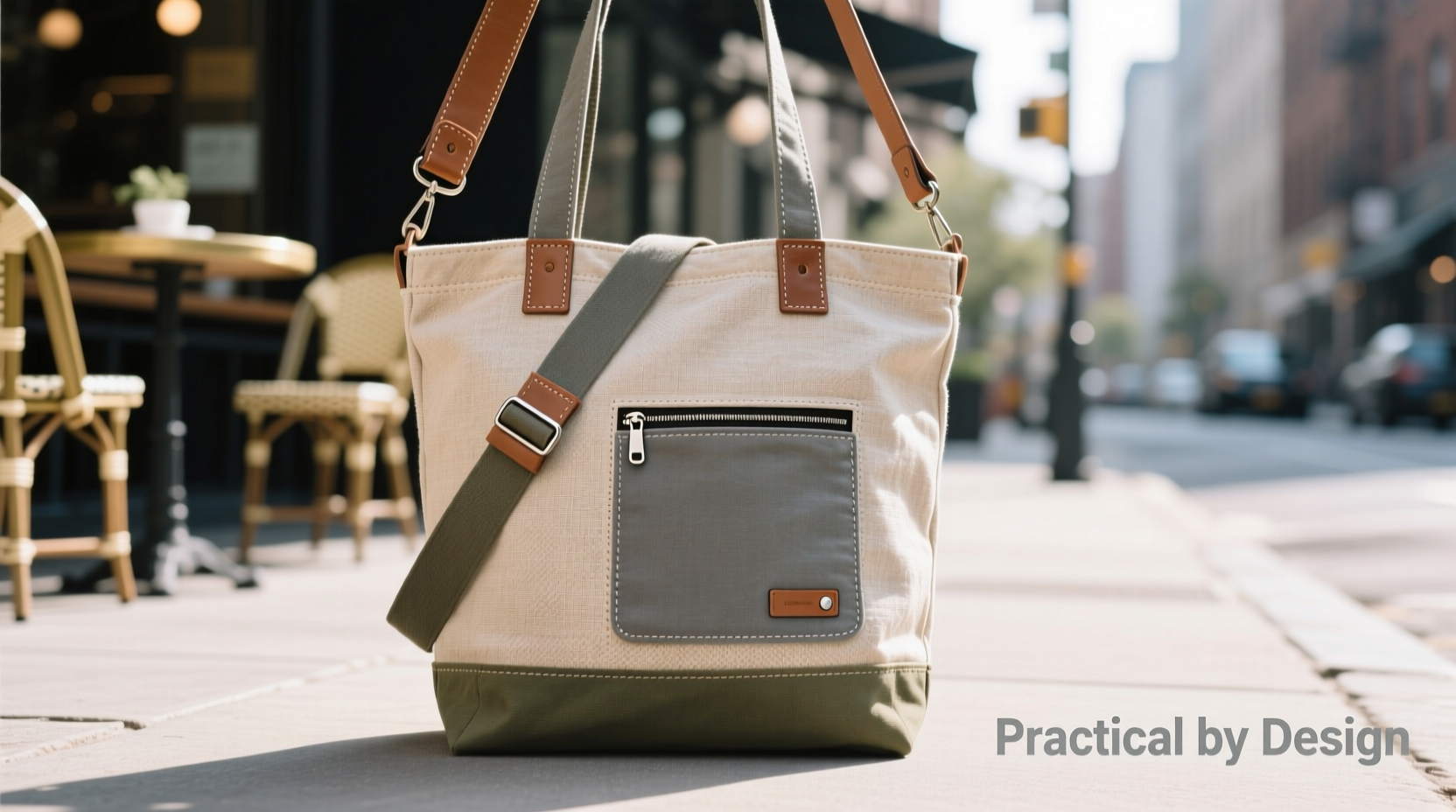
The most immediate difference between a tote and a crossbody lies in volume and accessibility. Tote bags generally offer far more space. A standard tote can comfortably hold a 13-inch laptop, a water bottle, a wallet, keys, makeup pouch, and even a light jacket. This makes them ideal for people who need to carry multiple items—students, professionals, parents, or frequent errand-runners.
Crossbody bags, by contrast, prioritize compactness and ease of movement. Most are designed to carry only essentials: phone, wallet, keys, lip balm, and perhaps sunglasses. Their smaller size keeps weight down and improves balance, making them excellent for walking long distances or navigating crowded spaces.
However, this trade-off creates a dilemma: do you value carrying everything you might need, or do you prefer mobility and security? For many, the answer shifts depending on the day. A workday might call for a tote; a weekend stroll favors a crossbody.
“Practicality isn’t universal. It’s personal. The best bag is the one that disappears into your routine without causing strain or stress.” — Lena Torres, Urban Lifestyle Designer
Ergonomics and Comfort Over Time
Carrying a bag all day affects posture, shoulder alignment, and overall comfort. Tote bags, especially when overstuffed, place all weight on one shoulder. This uneven load can lead to muscle imbalances, neck tension, and lower back pain over time. Designers often overlook ergonomics in favor of aesthetics, resulting in thin straps or flimsy materials that dig into the skin.
Crossbody bags distribute weight across the torso, reducing pressure on any single point. The diagonal strap helps stabilize the bag, minimizing bounce during movement. This design is particularly beneficial for active users—those who walk frequently, use public transit, or stand for long periods.
Tip: If using a tote, alternate shoulders regularly and avoid filling it beyond 70% capacity to reduce physical strain.Security and Theft Prevention
In urban environments or crowded areas, bag security becomes critical. Tote bags, with their open tops and side access, are vulnerable to pickpocketing. When carried on the shoulder or in the crook of an arm, the opening often faces outward, leaving contents exposed.
Crossbody bags, especially those with zippers and anti-theft features (like slash-proof straps or RFID-blocking pockets), offer better protection. Worn across the front, they stay within the wearer’s line of sight, making tampering more difficult. Some models include locking zippers or hidden compartments for added safety.
This advantage makes crossbodies a top choice for travel, festivals, or busy city commutes. However, not all crossbodies are created equal—look for reinforced stitching, secure closures, and thoughtful internal organization.
Style Versatility and Transition Potential
While practicality is key, appearance still matters. Tote bags project professionalism and sophistication, especially in structured leather or canvas. They transition easily from office to meetings and can double as a minimalist briefcase. Neutral colors like black, tan, or navy enhance versatility.
Crossbody bags lean toward casual or semi-casual wear. They pair well with jeans, dresses, or athleisure, offering a hands-free, on-the-go aesthetic. Some high-end models blur the line, featuring premium materials and sleek silhouettes suitable for dinner outings or evening events.
That said, few crossbodies can match a tote’s ability to carry formal documents or larger tech accessories. If your day involves client presentations or business travel, the tote maintains a clear edge in professional settings.
Real-World Use Case: Sarah’s Daily Routine
Sarah, a 32-year-old graphic designer in Chicago, uses both bag types depending on her schedule. On office days, she opts for a medium-sized tote with padded laptop sleeve, interior pockets, and rolled leather handles. It holds her MacBook, sketchbook, headphones, lunch container, and umbrella. “I need everything within reach,” she says. “The tote lets me stay prepared.”
But on weekends or evenings out, Sarah switches to a compact crossbody. “It’s lighter, I don’t lose it, and I never worry about someone grabbing it. Plus, I can ride my bike without it slipping off.”
Her experience reflects a growing trend: hybrid usage. Rather than choosing one bag for all occasions, many users now maintain a rotation based on purpose. This approach maximizes practicality without sacrificing convenience.
Comparison Table: Tote vs. Crossbody at a Glance
| Feature | Tote Bag | Crossbody Bag |
|---|---|---|
| Capacity | High (laptop, books, bottles) | Low to medium (essentials only) |
| Weight Distribution | Poor (single shoulder) | Good (across chest and back) |
| Security | Low (open top, exposed sides) | High (zippers, front-wearing option) |
| Mobility | Moderate (can swing, slip off) | High (hands-free, stable) |
| Professional Suitability | Excellent | Limited (depends on design) |
| Durability (when overloaded) | Risk of strap breakage | Generally resilient due to size |
Actionable Checklist: Choosing Your Everyday Bag
- ✅ Assess your daily carry: List every item you bring regularly.
- ✅ Evaluate your commute: Do you walk, drive, or take transit?
- ✅ Consider posture and comfort: Have you experienced shoulder or back pain?
- ✅ Think about security: Are you often in crowded places?
- ✅ Test both styles: Carry each for a full day to compare fatigue and usability.
- ✅ Prioritize closure type: Zippered tops add security over open designs.
- ✅ Check material quality: Look for reinforced stitching and durable fabrics.
Expert Insight: What Designers Recommend
Fashion ergonomics is gaining attention among accessory designers. According to Marco Lin, a product developer at a leading handbag brand, “We’re seeing demand shift toward functional minimalism. People want style, yes—but they won’t sacrifice comfort anymore.”
“The future of daily bags isn’t bigger or fancier—it’s smarter. Adjustable straps, modular interiors, and balanced weight distribution are now baseline expectations.” — Marco Lin, Accessory Product Developer
This shift has led to hybrid designs: tote-crossbody conversions, tote bags with detachable straps, and crossbodies with expandable gussets. These innovations aim to bridge the gap between capacity and convenience.
Frequently Asked Questions
Can a crossbody bag fit a laptop?
Some larger crossbody styles accommodate laptops up to 11 inches, especially slim ultrabooks. However, dedicated laptop protection (padding, dedicated sleeves) is rare. For regular laptop use, a tote or backpack remains more reliable.
Are tote bags outdated for everyday use?
No. While trends favor smaller bags, totes remain relevant for professionals, parents, and travelers. The key is selecting a well-structured, ergonomic version with comfortable straps and organizational features.
Which bag type lasts longer?
Longevity depends more on material and construction than style. That said, crossbody bags often endure less stress due to lighter loads, while totes face higher wear from overstuffing and rough handling. Proper care—cleaning, storing, avoiding moisture—matters most for both.
Final Recommendation: Match the Bag to the Day
There is no single “most practical” bag for everyone. Instead, practicality emerges from alignment with your lifestyle. If your day demands carrying technology, documents, and personal items, a well-designed tote is indispensable. But if you value freedom of movement, security, and lightweight convenience, a crossbody will serve you better.
The smartest approach? Own both. Use the tote on heavy-load days and the crossbody when simplicity wins. Or invest in a convertible model that adapts to your needs. Either way, the goal isn’t to pick a winner—it’s to equip yourself with tools that make daily life smoother, safer, and more efficient.
🚀 Ready to optimize your daily carry? Audit your current bag today—what’s working, what’s weighing you down—and make one small change tomorrow. Share your go-to bag and why it works for you in the comments below.