
In an age where smartphones are extensions of our personal and professional lives, keeping them secure is non-negotiable. The crossbody phone case has emerged as a stylish and functional solution for on-the-go individuals who want quick access without sacrificing safety. However, not all designs offer equal protection. From opportunistic theft to accidental drops, risks abound in crowded streets, public transit, and busy cafes. Enhancing the security of your crossbody phone case isn’t just about choosing a sturdy strap—it’s about adopting smart habits, understanding design features, and preparing for real-world scenarios.
Choose the Right Design for Maximum Security
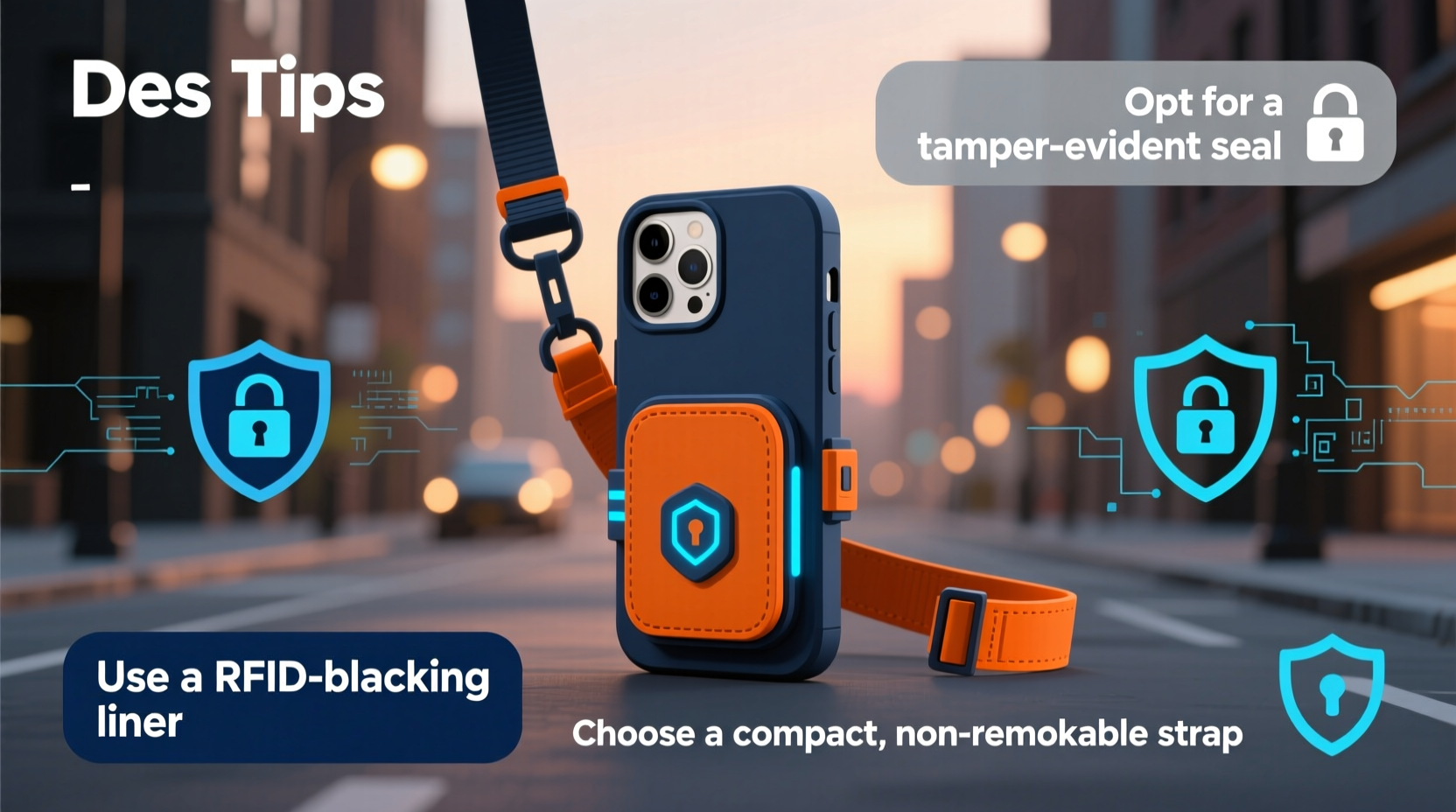
The foundation of a secure crossbody phone case lies in its design. Not all cases are created equal, and subtle differences can significantly impact how well your phone stays protected. Look for models with anti-theft features such as lockable zippers, RFID-blocking pockets, or slash-resistant straps made from reinforced materials like Kevlar or stainless steel mesh.
Consider the position of the pouch. Cases that sit flat against your torso—rather than dangling loosely—are harder for pickpockets to access. Adjustable straps allow you to wear the case snugly across your chest, reducing swing and exposure. Some high-security models even include hidden pockets for backup cards or emergency cash.
Tip: Opt for a crossbody case with a magnetic flap closure instead of a snap or zipper—it’s faster to access but still secure when properly aligned.Secure Attachment and Wear Technique
How you wear your crossbody case matters as much as the product itself. Wearing it over one shoulder like a messenger bag increases vulnerability, especially in crowds. Instead, wear it diagonally across your body so the case rests on your hip or lower abdomen, keeping it within your peripheral vision and close to your core.
When walking in high-risk areas—such as tourist zones, subways, or festivals—keep the case positioned in front of your body rather than behind your back. This simple adjustment dramatically reduces the chance of unnoticed tampering.
“Over 70% of mobile device thefts in urban centers involve distraction techniques or swift grabs from behind. Front-facing carry disrupts this pattern.” — Detective Mark Rivera, City Transit Crime Unit
Step-by-Step Guide: How to Wear Your Crossbody Case Securely
- Adjust the strap so the case sits between your waist and hip, not too low.
- Ensure the strap crosses snugly over both shoulders and torso—no slack.
- Position the case in front of your body when in crowded or unfamiliar environments.
- Keep your hand near the case when boarding public transport or passing through tight spaces.
- Use the strap lock (if available) to prevent slippage during movement.
Material Quality and Structural Integrity
Durable materials are essential for long-term security. Polyurethane-coated fabrics, ballistic nylon, and water-resistant synthetics resist wear and tear while deterring cutters. Avoid cases with thin stitching or flimsy hardware—these are common failure points under stress.
Check the quality of the clasp or closure mechanism. A weak magnet or poorly fitted buckle can lead to accidental openings. Reinforced seams and double-stitched joints indicate better craftsmanship and longevity.
| Feature | Recommended | Avoid |
|---|---|---|
| Strap Material | Kevlar weave, stainless steel cable | Thin polyester, elastic bands |
| Closure Type | Magnetic flap, lockable zipper | Snap buttons, open-top designs |
| Pouch Interior | Soft microfiber lining | Rough fabric or no lining |
| Water Resistance | Coated exterior, sealed seams | Uncoated cotton or canvas |
Real-World Scenario: A Near-Miss in Downtown Chicago
Sophia, a freelance photographer, was navigating a bustling farmers’ market with her crossbody phone case slung behind her. She noticed a man brushing past several people near the entrance. Moments later, she felt a tug at her side. Instinctively, she turned—and saw someone quickly pulling away from her bag. Thanks to the reinforced strap and front-positioned carry she’d adopted after reading about urban theft trends, her phone remained secure.
Later inspection revealed faint scratch marks on the strap’s protective sleeve—a clear sign of a blade attempt. “I didn’t even realize how vulnerable I used to be,” she said. “Now I never leave home without checking my strap tension and positioning.”
This incident underscores how behavioral adjustments combined with smart gear choices create layered protection.
Smart Habits to Complement Your Gear
No matter how advanced your case, human behavior plays a critical role in security. Develop routines that minimize risk:
- Stay aware of surroundings: Avoid prolonged phone use while walking—this makes you a target.
- Minimize distractions: Headphones at full volume reduce situational awareness.
- Use tracking software: Enable Find My iPhone or Android Device Manager so your phone can be located if lost or stolen.
- Carry only essentials: Don’t store large amounts of cash or sensitive documents in the case.
- Inspect regularly: Check for frayed straps, loose stitching, or malfunctioning closures weekly.
Security Checklist: Is Your Crossbody Phone Case Ready?
- ✅ Strap is adjustable and worn snugly across the body
- ✅ Case sits in front when in crowded areas
- ✅ Closure mechanism is secure (magnet, zipper, or button)
- ✅ Materials are durable and resistant to cutting
- ✅ Tracking features enabled on your phone
- ✅ No visible signs of wear or structural weakness
- ✅ Emergency contact info stored digitally (e.g., in Lock Screen notes)
Frequently Asked Questions
Can I use a regular sling bag instead of a dedicated crossbody phone case?
Yes, but only if it offers similar security features—compact size, front-access design, and anti-theft materials. Most standard sling bags are larger and more exposed, increasing vulnerability. A purpose-built phone case typically provides better fit, faster access, and targeted protection.
Are anti-theft crossbody cases worth the extra cost?
For frequent travelers, urban commuters, or anyone concerned about digital privacy, yes. High-quality anti-theft models range from $40–$90, which is minimal compared to the average $800+ smartphone replacement cost. Factor in peace of mind and reduced risk, and the investment pays off quickly.
What should I do if my phone is stolen despite precautions?
Immediately use your device-tracking app to locate it. If recovery isn’t possible, remotely lock or erase the device to protect your data. Report the theft to local authorities with your phone’s IMEI number (found in settings or on original packaging). Notify your carrier to blacklist the device.
Final Thoughts: Security Starts With You
A crossbody phone case is more than a fashion statement—it’s a frontline defense in a world where digital and physical security are intertwined. The best protection comes not from a single feature, but from combining intelligent design, vigilant habits, and proactive planning. Whether you're commuting, traveling, or simply running errands, taking a few moments to assess your carry method can prevent hours of hassle down the line.
🚀 Take action today: Inspect your current phone case, adjust how you wear it, and upgrade if needed. Share this guide with someone who carries their phone openly—you might help them avoid a costly loss.