For people with sensitive skin, choosing the right earring material isn’t just a matter of style—it’s essential for comfort and health. Many experience redness, itching, swelling, or even infection after wearing certain metals. Hoop earrings, a timeless accessory, are often worn daily, making material choice even more critical. Among the most commonly debated options are titanium and silver. While both have their advocates, understanding their properties, benefits, and drawbacks can help you make an informed decision that protects your skin while keeping your look polished.
Understanding Metal Sensitivity and Allergic Reactions
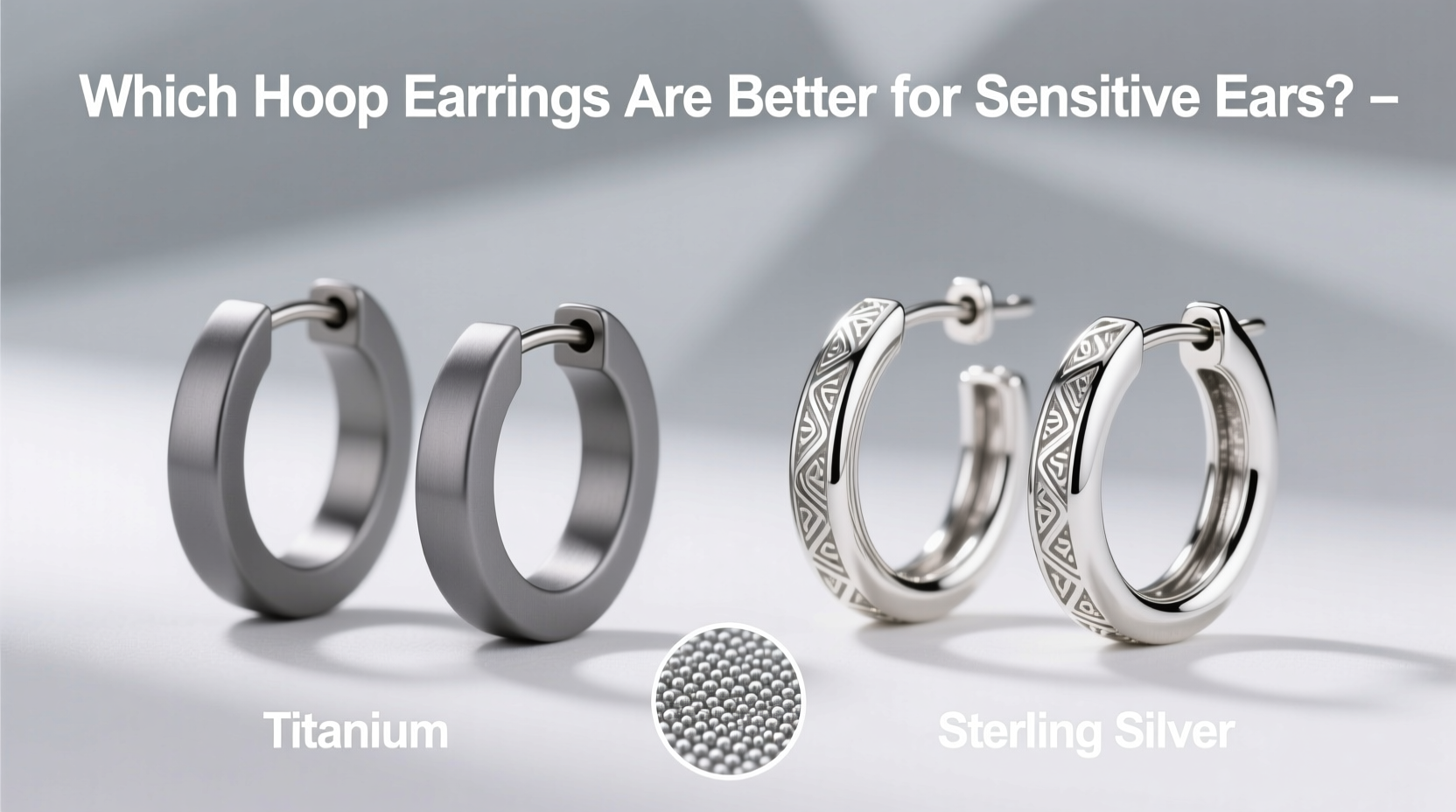
Skin reactions to earrings typically stem from metal allergies, most commonly nickel. Even small traces of nickel in alloys can trigger contact dermatitis—an inflammatory response that causes redness, blistering, and discomfort. The earlobe, being thin and vascular, is especially prone to irritation when exposed to reactive metals.
Silver, particularly sterling silver (92.5% silver, 7.5% alloy), often contains copper and sometimes nickel unless specifically labeled as nickel-free. This makes it less ideal for those with heightened sensitivities. Titanium, on the other hand, is naturally hypoallergenic and biocompatible—meaning it’s widely used in medical implants and surgical tools due to its inert nature.
“Titanium is one of the safest metals for prolonged skin contact, especially in individuals with known metal allergies.” — Dr. Lena Patel, Dermatologist & Skin Health Specialist
Material Comparison: Titanium vs Silver
To determine which metal is truly better for sensitive ears, we need to evaluate them across several key factors: allergenic potential, durability, maintenance, appearance, and cost.
| Feature | Titanium | Silver (Sterling) |
|---|---|---|
| Hypoallergenic | Yes – virtually no allergens; nickel-free | No – may contain nickel or copper that triggers reactions |
| Durability | Extremely strong; resistant to bending and corrosion | Softer; prone to tarnishing and scratching |
| Tarnish Resistance | Does not tarnish or oxidize | Tarnishes over time, especially with moisture exposure |
| Weight | Very lightweight | Heavier than titanium |
| Maintenance | Minimal – wipe clean, no polishing needed | Regular polishing required to prevent tarnish |
| Cost | Higher initial cost, long-term value | Lower upfront cost, but may require frequent replacement |
Why Titanium Is Often the Better Choice for Sensitive Ears
Titanium’s reputation in medical applications speaks volumes. It resists corrosion from sweat, water, and bodily fluids—common triggers for irritation. Unlike silver, it doesn’t degrade or release ions that could provoke a reaction. Its strength allows for thinner posts and hinges without compromising integrity, reducing pressure on piercings.
Additionally, titanium is available in a range of colors through anodization—a safe electrochemical process that creates vibrant finishes without dyes or coatings that might flake off and irritate the skin. This makes colored titanium hoops a stylish yet safe option for allergy-prone wearers.
In contrast, sterling silver, while beautiful, requires more care. Tarnish forms when silver reacts with sulfur in the air or skin oils, creating silver sulfide. Some people react to this compound, experiencing dark residue or irritation. Frequent cleaning with chemical polishes can also strip protective layers and expose underlying alloys.
A Real-World Example: Sarah’s Switch to Titanium
Sarah, a 29-year-old teacher, had worn silver hoop earrings since high school. Over time, she noticed increasing discomfort—itching, redness, and occasional bleeding at her piercing sites. After consulting a dermatologist, she was diagnosed with a mild nickel allergy. Her silver hoops, though labeled “sterling,” were likely alloyed with trace nickel.
She switched to implant-grade titanium hoops. Within days, her symptoms disappeared. Two years later, she wears them daily without issues. “I didn’t realize how much discomfort I’d normalized until I tried titanium,” she says. “Now I won’t go back.”
When Silver Might Still Be a Viable Option
Not all silver is problematic. High-purity silver (fine silver, 99.9%) is less likely to cause reactions, though it’s too soft for durable hoop construction. Some manufacturers produce nickel-free sterling silver using alternative alloys like germanium or zinc. These are safer but still require vigilant maintenance.
If you choose silver, look for:
- Certified nickel-free labeling
- Rhodium plating (adds a protective, hypoallergenic layer)
- Reputable brands that disclose alloy composition
Step-by-Step Guide to Choosing Safe Hoop Earrings
- Assess your sensitivity level: Have you had reactions to costume jewelry or belt buckles? That may indicate a metal allergy.
- Check for certifications: Look for “implant-grade” or “surgical titanium” (ASTM F136) or “nickel-free sterling silver.”
- Avoid mixed-metal alloys: Steer clear of terms like “silver-plated” or “stainless steel alloy” unless fully disclosed as hypoallergenic.
- Test new earrings gradually: Wear them for a few hours a day initially to monitor skin response.
- Maintain hygiene: Clean earrings weekly with mild soap and water, especially after sweating.
Frequently Asked Questions
Can I be allergic to titanium?
True titanium allergies are extremely rare. Titanium is considered one of the least reactive metals used in body jewelry. If irritation occurs, it’s more likely due to poor hygiene, improper fit, or contaminants during manufacturing—not the titanium itself.
Are titanium earrings more expensive than silver?
Generally, yes. High-quality titanium hoops cost more upfront due to specialized sourcing and machining. However, their longevity and reduced need for replacement often make them more cost-effective over time, especially for sensitive-ear users who otherwise face recurring irritation and medical costs.
Do titanium earrings look as good as silver?
Modern titanium hoops are sleek, polished, and visually comparable to silver. Anodized finishes offer black, blue, rose gold, and other hues without compromising safety. For classic silver lovers, white titanium provides a similar luster with superior performance.
Final Recommendation: Prioritize Health Without Sacrificing Style
While silver has long been cherished for its elegance and affordability, titanium outperforms it in safety, durability, and low maintenance—especially for those with sensitive ears. If you’ve struggled with irritation, infections, or discomfort from traditional hoop earrings, switching to titanium isn’t just a trend—it’s a practical upgrade rooted in science and real-world results.
The best earring is one you can wear every day without thinking about it. For millions with sensitive skin, titanium delivers exactly that: peace of mind, lasting comfort, and effortless style.
🚀 Ready to say goodbye to irritated ears? Try a pair of implant-grade titanium hoop earrings today—and experience the difference truly hypoallergenic jewelry can make.