The pendulum of fashion swings wide, and few categories illustrate this better than footwear. After years of clean lines, neutral tones, and barely-there silhouettes championed by the minimalist sneaker movement, a new wave is rising: thick-soled loafers, platform creepers, and exaggerated footwear that command attention with every step. But is this just a fleeting trend, or has the era of subtlety truly ended? To understand whether chunky shoes are genuinely back, we need to dissect their resurgence, compare them to the enduring appeal of minimalist sneakers, and examine the cultural forces shaping modern style.
The Rise and Fall (and Rise Again) of Chunky Footwear
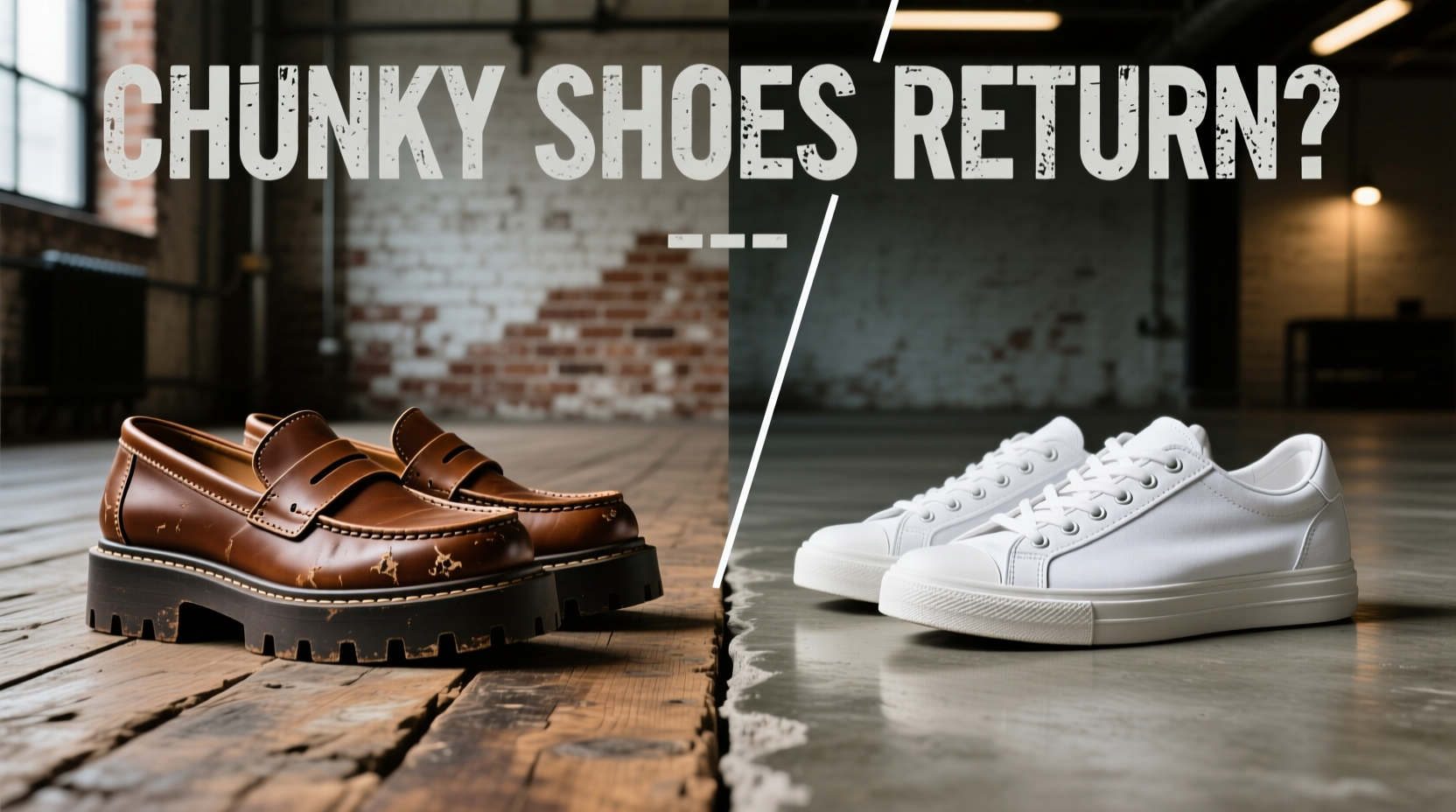
Chunky shoes aren’t new. From the 1990s workwear-inspired Dr. Martens to the early 2000s platform experiments, heavy soles have cycled in and out of favor for decades. What’s different now is the sophistication of the revival. Thick-soled loafers—once reserved for golf courses or conservative offices—are being reimagined by designers like Gucci, Prada, and New Balance with bold proportions, contrasting textures, and avant-garde detailing. These aren't clunky relics; they're deliberate statements of contrast, merging preppy elegance with streetwear edge.
This resurgence aligns with broader shifts in fashion toward \"quiet luxury\" with a twist—where classic pieces are elevated through exaggeration. The thick sole adds height without sacrificing formality, offering a subtle power boost in both literal and symbolic terms. As one stylist put it:
“Today’s chunky loafer isn’t trying to be invisible. It’s designed to be noticed—just quietly.” — Lena Torres, Fashion Editor at *Urban Style Weekly*
The pandemic played an indirect role in this shift. With remote work normalizing comfort-first dressing, people began prioritizing shoes that felt substantial, supportive, and expressive—even when dressed down. The thick sole delivers on all three.
Minimalist Sneakers: Still Relevant or Fading Fast?
Minimalist sneakers—epitomized by brands like Common Projects, Axel Arigato, and earlier iterations of Adidas Stan Smiths—rose to prominence in the late 2010s as symbols of understated taste. Their appeal lay in versatility: pair them with jeans, chinos, or even tailored trousers, and they disappeared into the outfit while elevating it.
But minimalism in fashion often suffers from saturation. When everyone owns the same white leather sneaker, individuality fades. Additionally, many consumers report that ultra-minimal designs lack arch support and long-term durability—especially for daily wear. As lifestyles become more hybrid (office, commute, weekend), demand has shifted toward footwear that balances aesthetics with function.
That said, minimalist sneakers aren’t obsolete. They remain staples in capsule wardrobes and continue to sell well in markets that value timeless design. However, their dominance has unquestionably waned. Retail data from 2023 shows a 27% year-over-year decline in searches for “minimalist white sneakers,” while queries for “chunky loafers” and “platform dress shoes” grew by 63% and 41%, respectively (Source: Lyst Index).
Comparing Key Features: A Practical Breakdown
To determine which style suits your needs, consider how they stack up across several dimensions:
| Feature | Thick-Soled Loafers | Minimalist Sneakers |
|---|---|---|
| Comfort & Support | High – cushioned midsoles, better shock absorption | Moderate – flat soles may cause fatigue over time |
| Versatility | Medium-High – works with smart-casual to edgy formal | High – blends seamlessly with most casual and semi-formal looks |
| Durability | High – robust construction, thicker materials | Variable – leather versions last longer; mesh/fabric less so |
| Style Impact | Strong – makes a visible statement | Subtle – enhances without drawing attention |
| Seasonal Flexibility | Best in spring/fall; can feel heavy in summer | Year-round, especially in lighter colorways |
This comparison reveals a clear trade-off: minimalist sneakers offer neutrality and ease, while thick-soled loafers deliver presence and performance. Your choice depends on whether you prioritize blending in or standing out—and how much your feet thank you at the end of the day.
Tip: If you're transitioning from minimalist sneakers, start with a low-chunk loafer—under 1.5 inches—to ease into the silhouette without overwhelming your look.Real-World Example: How One Professional Updated His Wardrobe
James, a 34-year-old marketing consultant in Chicago, built his wardrobe around minimalist sneakers for nearly a decade. He owned three pairs of black and white leather sneakers, rotating them with dark denim and navy blazers. While functional, he found his outfits started feeling repetitive—and his lower back ached after long days on his feet.
In early 2023, he invested in a pair of dark brown leather loafers with a 1.8-inch rubber sole from Cole Haan. Initially hesitant about the bulk, he was surprised by how easily they paired with everything from cropped trousers to unstructured suits. More importantly, the added support reduced foot fatigue significantly.
Within months, James phased out two of his minimalist pairs and now uses only one for summer wear. “The chunkier loafer didn’t just change my shoes—it changed how I think about combining comfort and style,” he says. “I get more compliments now, and my feet don’t pay the price.”
How to Wear Chunky Shoes Without Overdoing It
The biggest risk with thick-soled footwear is visual imbalance. A heavy shoe demands proportionate tailoring above. Follow these steps to integrate them smoothly:
- Balance the volume: Pair chunky loafers with slim or tapered pants. Avoid wide-leg trousers unless they’re cropped to avoid pooling.
- Limit other statement pieces: If your shoes are bold, keep tops and outerwear simple. A clean crewneck or tailored shirt lets the shoes shine.
- Match the occasion: Opt for polished leather finishes in professional settings; suede or textured versions work better for weekends.
- Consider height: Taller individuals can carry more sole thickness. Those under 5'8\" should stick to moderate platforms (under 2 inches).
- Color matters: Neutral tones like black, oxblood, or tan integrate more easily than bright colors or extreme contrasts.
Frequently Asked Questions
Are thick-soled loafers appropriate for the office?
Yes, if styled correctly. Choose versions made from smooth leather with minimal branding or hardware. Paired with wool trousers and a button-down, they project confidence without breaking dress codes—especially in creative or tech-forward industries.
Can I wear chunky shoes if I’m short?
Absolutely. In fact, the slight lift from a thick sole can enhance your posture and perceived height. Just ensure the shoe doesn’t extend too far beyond the ankle visually—opt for a sleek upper design to maintain proportion.
Do minimalist sneakers still have a place in 2024?
Definitely. They remain ideal for warm weather, travel, and minimalist-leaning aesthetics. However, they’re no longer the default choice for everyday wear. Think of them as one tool in your rotation—not the entire kit.
Final Verdict: Yes, Chunky Shoes Are Back—And Here’s Why It Matters
The return of thick-soled loafers isn’t just about nostalgia or novelty. It reflects deeper changes in how we view clothing: not merely as decoration, but as an extension of comfort, identity, and intention. Minimalist sneakers served a purpose in a world obsessed with looking effortlessly put-together. But today’s consumer wants more—more support, more personality, more resilience.
Chunky shoes represent a fusion of function and fashion. They’re louder, yes, but also kinder to your body and bolder in expression. That doesn’t mean minimalism is dead—it means it’s evolving. The most stylish men now mix both: a minimalist sneaker for brunch, a thick-soled loafer for client meetings, each chosen for its context.
💬 What’s in your current shoe rotation? Are you embracing the chunky revival, staying loyal to minimalist classics, or blending both? Share your thoughts and styling tips below—let’s build a smarter conversation about modern footwear.