Matching jewelry has evolved from a subtle symbol of connection into a powerful fashion statement. Among the most intimate and visible choices is the coordinated necklace set shared between partners. Whether you're celebrating an anniversary, attending a wedding, or simply expressing your bond in everyday life, a thoughtfully styled pair of necklaces can speak volumes without saying a word. This guide explores how to choose, wear, and personalize matching necklaces across various settings—balancing aesthetics, sentiment, and practicality.
Why Matching Necklaces Matter Beyond Aesthetics
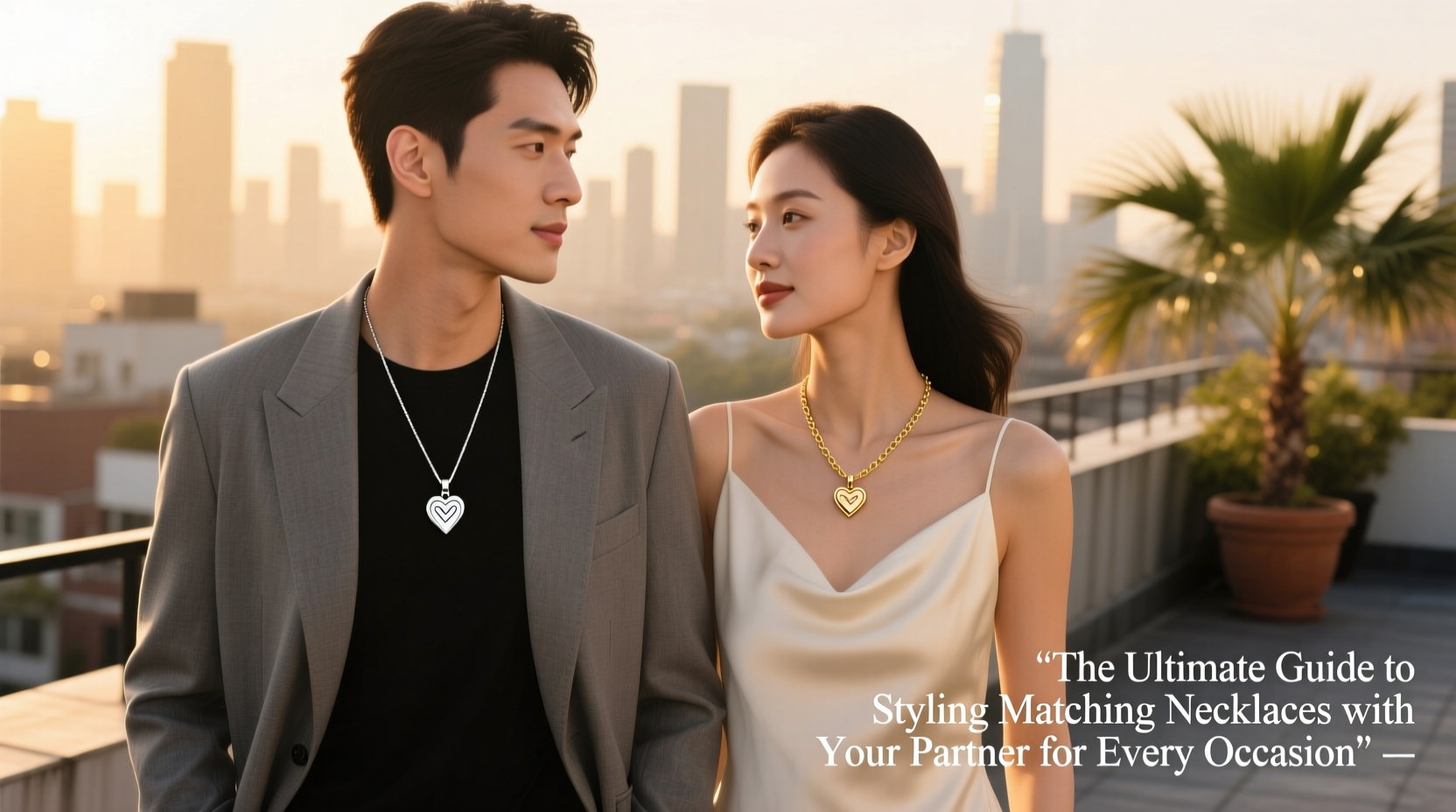
Jewelry has long served as a marker of identity and relationship status. Matching necklaces go beyond mere coordination; they act as wearable affirmations of unity. Unlike rings, which are often worn on the same finger, necklaces rest close to the heart—symbolically and physically—making them deeply personal.
Modern couples are redefining tradition by opting for designs that reflect shared values: minimalist lines for understated elegance, puzzle-piece motifs for interdependence, or celestial themes for spiritual connection. The key lies not just in visual harmony but in emotional resonance.
“Couples who wear coordinated pieces often report feeling more connected during daily routines. It’s a quiet reminder of presence—even when apart.” — Dr. Lena Torres, Relationship Psychologist & Author of *Emotional Accessories*
Choosing the Right Design for Your Dynamic
Not all matching necklaces are created equal. Some mimic each other exactly; others complement through contrast. Consider these three primary styles:
- Symmetrical Sets: Identical pendants or chains, ideal for traditionalists.
- Complementary Pairs: Different but related elements (e.g., sun and moon, yin and yang).
- Puzzle-Style Designs: Two halves that form one complete image when brought together.
When selecting a design, involve both partners in the decision. A necklace should feel authentic—not imposed. Engraving names, initials, or meaningful dates adds another layer of significance.
Material Guide: Balancing Durability and Style
| Material | Pros | Cons | Best For |
|---|---|---|---|
| Stainless Steel | Hypoallergenic, scratch-resistant, affordable | Limited luster compared to gold | Daily wear, active lifestyles |
| Sterling Silver | Elegant shine, widely available | Tarnishes over time, requires maintenance | Casual and semi-formal events |
| Gold (14k+) | Prestigious, timeless, retains value | Expensive, softer metal prone to dents | Anniversaries, weddings, gifts |
| Titanium | Extremely durable, lightweight | Cannot be resized easily | Outdoor enthusiasts, frequent travelers |
Styling for Every Occasion: Practical Pairing Strategies
The way you style your matching necklaces should align with the event’s tone, dress code, and visibility expectations. Here's how to adapt your look across five common scenarios.
1. Romantic Dinners & Date Nights
Opt for sleek, medium-length chains with small pendants. Think infinity symbols, intertwined letters, or tiny lockets containing photos. Wear them with open-collar shirts or V-necks to ensure visibility without overwhelming the outfit.
2. Weddings & Formal Events
If you're part of the wedding party or attending a black-tie affair, coordinate with attire. Polished gold or platinum sets elevate eveningwear. Avoid overly large pendants—they compete with tuxedos or gowns.
3. Everyday Casual Wear
Simple bar necklaces, dog tags, or leather cords with engraved metal plates work well under T-shirts or casual button-downs. These low-profile options maintain intimacy without drawing excessive attention.
4. Travel & Adventure Outings
For hiking, beach trips, or city explorations, prioritize comfort and safety. Silicone-based engraved pendants or waterproof titanium tags prevent chafing and withstand elements. Store traditional pieces securely while adventuring.
5. Professional Settings
In corporate environments, subtlety wins. Choose minimalist chains tucked beneath collars or discreet pendant shapes. Puzzle-style halves can remain private—visible only when intentionally revealed.
Tip: Match necklace length to neckline. Crewnecks pair well with 18–20 inch chains; deeper cuts allow longer 22–24 inch drops.Step-by-Step: How to Introduce Matching Necklaces Thoughtfully
Introducing couple jewelry shouldn’t feel forced. Follow this timeline to integrate it naturally into your relationship:
- Week 1–2: Discuss the idea casually. Gauge interest and preferences.
- Week 3: Browse designs together—online or in-store—to establish mutual taste.
- Week 4: Set a budget and decide on customization options (engraving, birthstones, etc.).
- Week 5: Order or purchase the pieces. Consider surprise presentation for added emotional impact.
- Week 6: First wear together at a meaningful location—a favorite café, park bench, or during a sunset walk.
This gradual approach ensures authenticity and prevents the gesture from feeling performative.
A Real-Life Example: Sarah and Jordan���s Anniversary Surprise
Sarah wanted to mark her third anniversary with something lasting. Instead of flowers or dinner, she commissioned two interlocking wave pendants—one in rose gold, one in white gold—symbolizing their shared love for the ocean. She gifted hers during a coastal hike, asking Jordan to wear it “as a reminder that we’re stronger together, even when life gets rough.”
They now wear them daily. At work, Jordan keeps his tucked under his shirt; Sarah wears hers openly. On weekends, they sometimes clip them together as a single piece. Their friends noticed the detail months later, sparking conversations about commitment in modern relationships.
Their story illustrates how personalized meaning amplifies the power of matching accessories.
Common Mistakes to Avoid
- Ignoring Lifestyle Needs: Giving a fragile silver chain to someone who swims daily leads to early damage.
- Over-Personalizing Without Consent: Engraving deep quotes or inside jokes may embarrass if not mutually agreed upon.
- Mismatching With Existing Jewelry: Ensure the metal tone matches watches, rings, or bracelets already worn regularly.
- Forgetting Maintenance: Regular polishing and secure clasps prevent loss and tarnishing.
Frequently Asked Questions
Can matching necklaces be unisex?
Absolutely. Many brands now offer gender-neutral designs using clean geometries, natural motifs, or abstract forms. The goal is cohesion, not conformity.
How do I clean and maintain our necklaces?
Use a soft cloth after each wear. For deeper cleaning, soak in warm water with mild soap for 10 minutes, then gently scrub with a toothbrush. Dry thoroughly. Store separately to avoid scratching.
Is it odd to wear matching necklaces all the time?
It depends on context and comfort. Some couples rotate pieces based on mood or occasion. Others reserve them for special moments. There’s no rule—only intention.
Final Thoughts: Wear Your Connection With Confidence
Matching necklaces are more than accessories—they’re emblems of shared journeys. When chosen with care and styled appropriately, they enhance both individual expression and collective identity. Whether you prefer bold declarations or quiet whispers of connection, the right pair will resonate emotionally and complement visually.
💬 Ready to celebrate your bond in a new way? Explore designs that reflect your story, start a conversation with your partner, and wear your love where it matters—close to the heart.