In an era where functionality meets fashion, the oversized windbreaker has emerged as a wardrobe essential. No longer confined to athletic sidelines or rainy commutes, today’s windbreakers blend breathable performance with bold silhouettes, making them ideal for urban exploration, travel, and everyday wear. But not all oversized windbreakers are created equal. The right one should offer freedom of movement, protection from the elements, and a look that complements your personal aesthetic. With so many options on the market, choosing the best fit—both physically and stylistically—requires careful consideration.
Understanding the Appeal of the Oversized Fit
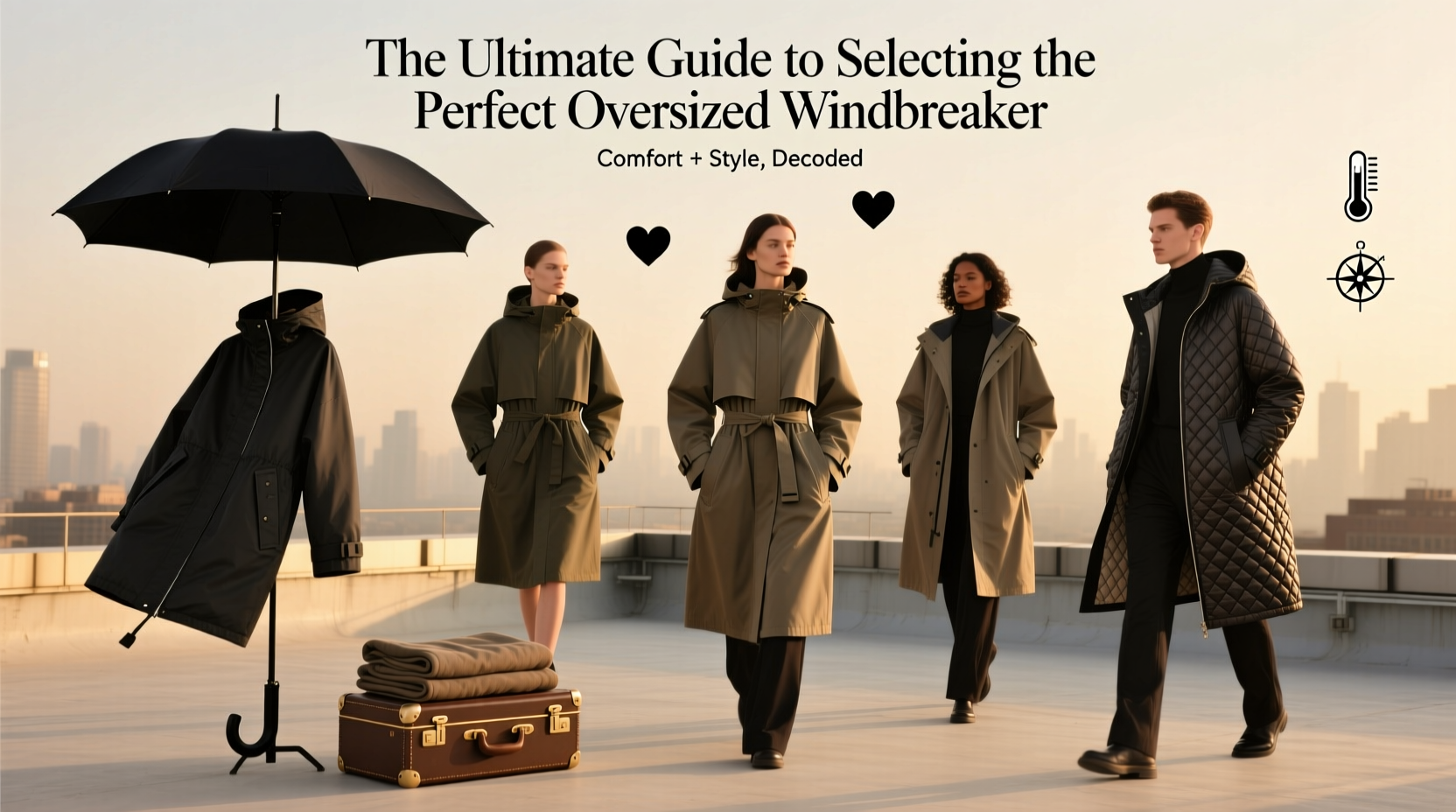
The shift toward relaxed tailoring in modern menswear and womenswear has redefined outerwear. Oversized windbreakers provide more than just comfort—they allow for layering, improved airflow, and a contemporary drape that resists looking boxy or sloppy when designed well. This silhouette works particularly well in transitional weather, offering coverage without overheating.
Fashion designers have embraced this trend, with brands like Stone Island, Arc’teryx, and A-COLD-WALL* integrating technical fabrics into exaggerated proportions. The result is a garment that performs under pressure while standing out in a crowd. However, size alone doesn’t guarantee success. An oversized windbreaker should enhance your frame, not overwhelm it.
Tip: Choose an oversized cut that extends beyond your shoulders by 1–2 inches and reaches mid-thigh for optimal balance between function and fashion.Key Features to Evaluate Before Buying
Selecting the ideal windbreaker involves assessing several functional and design elements. Prioritize these features to ensure long-term satisfaction:
- Water Resistance: Look for coatings like DWR (Durable Water Repellent) or taped seams that prevent moisture penetration during light rain.
- Breathability: Fabrics such as ripstop nylon or polyester blends with mesh linings help regulate body temperature.
- Hood Design: Adjustable hoods with elastic drawcords offer better protection and can be stowed when not needed.
- Pocket Placement: Multiple zippered pockets keep essentials secure and add structure to the overall shape.
- Cuff and Hem Adjustments: Elasticated cuffs and drawstring hems improve fit customization and wind resistance.
- Weight: Lightweight materials ensure packability; heavier versions may offer more insulation but reduce versatility.
“An oversized windbreaker shouldn’t sacrifice mobility for volume. The best designs maintain ergonomic lines even at larger dimensions.” — Marcus Lin, Technical Apparel Designer at Outdoor Collective
Material Matters: Balancing Performance and Aesthetics
The fabric determines how your windbreaker feels, moves, and ages over time. Here's a breakdown of common materials used in high-quality oversized windbreakers:
| Material | Pros | Cons | Best For |
|---|---|---|---|
| Ripstop Nylon | Durable, lightweight, water-resistant | Can feel plasticky if low quality | Urban commuting, travel |
| Polyester Blend | Affordable, color-retentive, quick-drying | Less breathable than natural fibers | Daily wear, casual outings |
| Nylon Taslan | Stiff structure, excellent wind resistance | Limited stretch, less soft | Outdoor activities, cooler climates |
| Recycled Eco-Fabrics | Sustainable, increasingly durable | Premium pricing, variable availability | Eco-conscious consumers |
When evaluating material, run your hand across the inside lining. A smooth, non-clammy interior enhances comfort during extended wear. Also, check whether the jacket packs into its own pocket—a feature that boosts portability significantly.
Step-by-Step Guide to Finding Your Ideal Windbreaker
Follow this practical process to narrow down your choices efficiently:
- Define Your Use Case: Will you wear it primarily for city walks, hiking, travel, or fashion statements? This determines priority features like weight and water resistance.
- Measure Your Base Layer: Try on the thickest sweater or hoodie you plan to wear underneath, then measure shoulder width, chest circumference, and torso length.
- Check Size Charts Carefully: Brands vary widely. Compare your measurements to the brand’s specific chart, not standard sizing.
- Evaluate the Cut: Look for dropped shoulders, slightly curved hems, and articulated sleeves that support motion without excess bulk.
- Test Mobility: Raise your arms, twist your torso, and simulate walking motions. There should be no pulling or restriction.
- Assess Color and Finish: Neutral tones (black, olive, navy) offer maximum versatility. Reflective trims or tonal branding add subtle flair.
- Review Return Policies: Buy from retailers with flexible returns in case the fit isn’t perfect upon arrival.
Real-World Example: Choosing for City Life and Weekend Hikes
Take Sarah, a graphic designer living in Seattle. She wanted one jacket to handle drizzle-filled mornings, bike rides to work, and weekend hikes. After research, she chose a black ripstop nylon windbreaker with a half-mesh lining, underarm vents, and zip-closed hand pockets. The oversized fit allowed room for a fleece mid-layer, while the tapered hem prevented flapping in the wind. Six months later, it remains her go-to outer layer—functional, stylish, and resilient against constant use.
Tip: Always wash your new windbreaker once before relying on it in heavy conditions. This activates water-repellent finishes and reveals any stitching weaknesses early.Style Tips: How to Wear an Oversized Windbreaker with Confidence
Styling is where personality shines. Avoid looking drowned in fabric by balancing proportions:
- Pair with slim or tapered pants—cargo joggers, chinos, or straight-leg jeans anchor the look.
- Layer over hoodies or turtlenecks for depth, but avoid bulky sweaters that exaggerate volume.
- Stick to monochromatic or tonal outfits to emphasize clean lines.
- Footwear matters: minimalist sneakers, Chelsea boots, or trail-inspired shoes complete the aesthetic.
- Roll or adjust sleeves slightly to expose wrists—this adds definition and prevents a swallowed-up appearance.
For formal-leaning environments, throw an oversized windbreaker over a tailored coat during outdoor transitions. It signals preparedness without sacrificing polish.
FAQ
Can I wear an oversized windbreaker if I’m short?
Yes, but choose wisely. Opt for styles that hit at the upper thigh rather than below the knee. Pair with vertical stripes or high-waisted bottoms to elongate your silhouette.
How do I clean and maintain my windbreaker?
Machine wash cold on gentle cycle with mild detergent. Avoid fabric softeners—they degrade water-resistant coatings. Air dry completely before storing. Reapply DWR spray every 6–12 months for sustained performance.
Are oversized windbreakers suitable for winter?
Not alone. They lack insulation. However, they excel as outer shells when layered over down vests, fleeces, or insulated jackets in cold, windy conditions.
Final Checklist Before Purchase
- ✅ Verified Measurements:
- Compared your body + layering needs to the brand’s size guide.
- ✅ Functional Details:
- Includes adjustable hood, cuffs, hem, and secure pockets.
- ✅ Fabric Performance:
- Water-resistant, breathable, and appropriate for your climate.
- ✅ Style Compatibility:
- Matches your existing wardrobe and daily activities.
- ✅ Ethical Considerations:
- Check if the brand uses sustainable practices or recycled materials.
Conclusion
The perfect oversized windbreaker merges utility with intention. It protects without confining, stands out without shouting, and adapts seamlessly across seasons and settings. By focusing on fit precision, fabric intelligence, and thoughtful styling, you invest in more than a jacket—you gain a reliable companion for dynamic living. Don’t settle for off-the-rack mediocrity. Measure twice, research thoroughly, and choose a piece that reflects both your lifestyle and taste.
💬 Found your dream windbreaker? Share your top picks or styling hacks in the comments—your insight could help someone else make their next great outerwear decision.