
Winter footwear doesn’t have to mean bulky, unflattering boots that sacrifice fashion for function. Platform snow boots have emerged as a stylish yet practical solution, combining elevated soles, superior traction, and cold-weather protection with contemporary design. Whether you're navigating icy sidewalks in the city or trekking through fresh powder on a weekend getaway, the right pair can make all the difference. But with countless options flooding the market, how do you choose a boot that delivers on both comfort and aesthetics? This guide breaks down every critical factor—from materials and insulation to sole construction and seasonal versatility—so you can step into winter with confidence.
Why Platform Snow Boots Are More Than Just a Trend
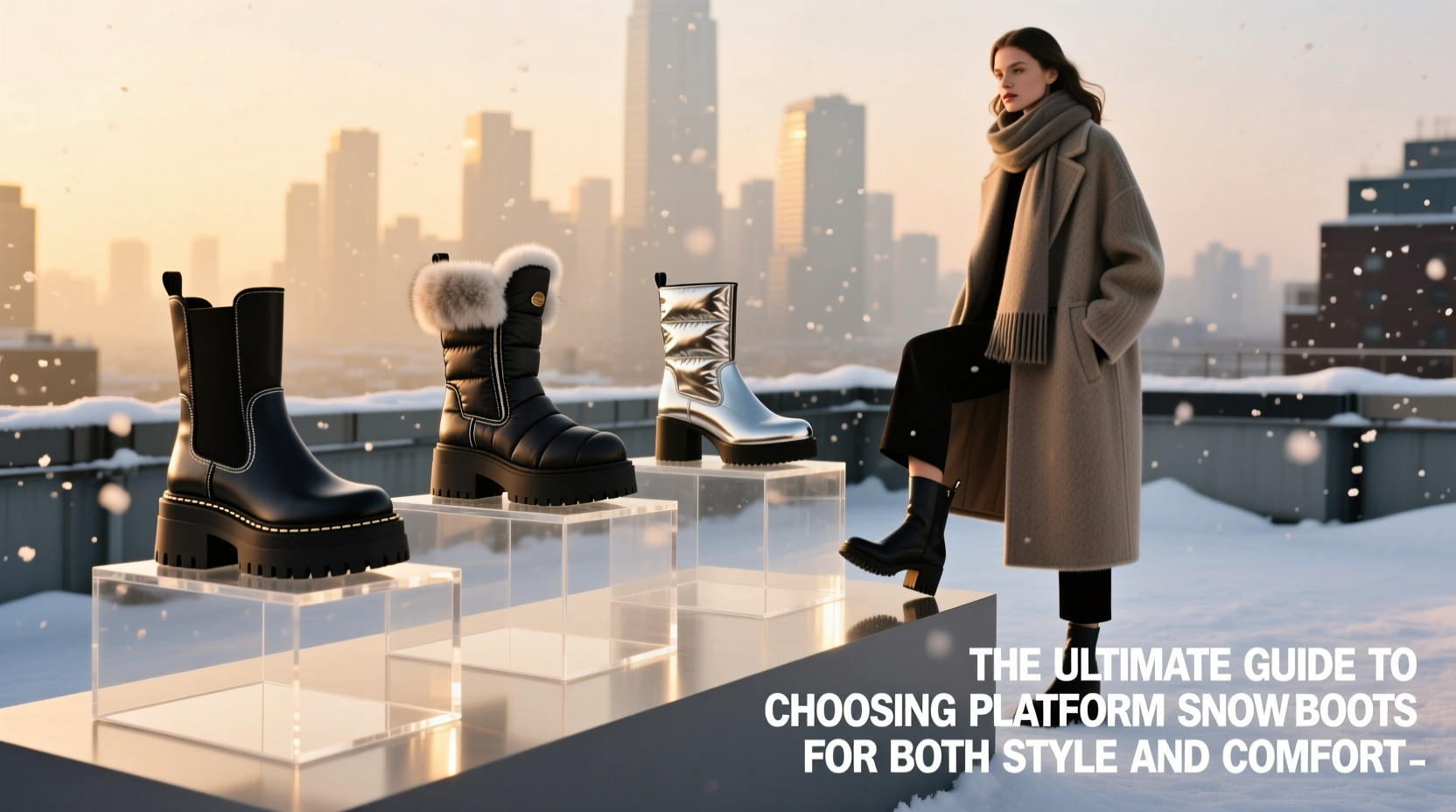
The rise of platform snow boots isn't just about fashion—it's a response to real consumer needs. The raised sole offers enhanced stability on uneven terrain, while the added height provides better ground clearance in deep snow. Designers have capitalized on this functionality by integrating sleek silhouettes, premium textiles, and bold colorways, transforming utilitarian winter gear into statement pieces. Brands like Sorel, UGG, and Blundstone now offer models that perform well below freezing while still looking at home with jeans, skirts, or winter coats.
However, not all platform boots are created equal. Some prioritize look over longevity, using thin linings or non-waterproof uppers that fail after a few storms. Others lean too heavily on chunkiness, sacrificing mobility for visual impact. The best choices strike a balance: they’re engineered for warmth and grip but styled for everyday wear.
Tip: Look for platform boots with a lug sole pattern—these provide superior grip on snow and ice compared to smooth or shallow treads.Key Features to Evaluate Before Buying
Selecting the ideal platform snow boot requires attention to several technical elements. Prioritize these features to ensure lasting comfort and protection:
- Insulation Level: Measured in grams (e.g., 200g, 400g), higher numbers indicate greater warmth. For temperatures below 20°F (-6°C), opt for at least 200g of Thinsulate or wool blend lining.
- Waterproofing: Full-grain leather, rubber toe caps, or seam-sealed synthetic uppers prevent moisture penetration. Avoid suede-only uppers unless treated with a durable water repellent (DWR) spray.
- Midsole Support: EVA or polyurethane midsoles absorb shock and reduce foot fatigue during long walks. A contoured footbed adds arch support, especially important if you stand or walk frequently.
- Shaft Height: Mid-calf coverage (6–8 inches) protects against slush and light snow. Higher shafts (9+ inches) are better for heavy snowfall but may limit compatibility with certain pants or leggings.
- Traction: Rubber outsoles with deep lugs and multidirectional patterns improve grip on icy surfaces. Some brands incorporate ice-gripping technology like Vibram Arctic Grip.
“Footwear that combines structural support with thermal efficiency prevents strain and enhances mobility in winter environments.” — Dr. Lena Torres, Podiatrist & Cold-Weather Mobility Specialist
How to Match Style With Practicality
One of the biggest challenges is finding a boot that looks good without compromising performance. Here’s how to align aesthetic preferences with functional needs:
| Style Preference | Functional Trade-offs | Balanced Solution |
|---|---|---|
| Sleek, Minimalist Look | Often less insulation and lower shaft height | Choose matte-finish rubber boots with hidden fleece lining and ergonomic soles |
| Fashion-Forward Colors/Patterns | Bright hues show dirt more easily; limited size availability | Opt for neutral bases with accent details; clean regularly with gentle wipes |
| Ultra-Chunky Platforms | Increased weight and reduced agility | Prioritize lightweight composite soles and cushioned insoles |
| Lace-Up vs. Slip-On | Slip-ons lack adjustability; laces add time to dressing | Try elastic side panels or hybrid zipper-lace systems |
Consider your daily routine when evaluating style. If you commute via public transit and walk several blocks, prioritize ease of wear and slip resistance. For weekend outings or après-ski moments, bolder designs with faux fur accents or metallic finishes can elevate your outfit without straying from core functionality.
Real-World Example: Choosing Boots for Urban Winter Living
Maria, a graphic designer living in Chicago, needed boots that could handle sub-zero mornings, salted sidewalks, and gallery openings—all within the same week. She initially bought a trendy platform boot with a knit upper and low insulation. Within three weeks, the lining compressed, and moisture seeped in during a snowstorm. Her feet stayed cold, and the material began to degrade.
She returned to the store and consulted a specialist, who recommended a waterproof leather boot with 200g insulation, a removable wool insole, and a grippy rubber sole. Though slightly heavier, the new pair kept her warm during morning walks and looked polished with cropped trousers. After six months of regular use, they showed minimal wear. Maria learned that investing in quality materials paid off in both comfort and longevity.
Your Step-by-Step Selection Process
Follow this timeline to find your ideal pair efficiently and avoid buyer’s remorse:
- Week 1: Assess Your Needs – List your typical winter activities (commuting, hiking, casual wear), average temperature exposure, and style preferences.
- Week 2: Research Brands & Models – Read expert reviews, check return policies, and compare specs across top contenders like Sorel Caribou, UGG Adirondack III, or Kamik Greenbay.
- Week 3: Try Before You Buy – Visit a specialty outdoor retailer. Wear winter socks and test fit with insoles. Walk on an incline if possible to assess heel lock.
- Week 4: Check Care Requirements – Confirm whether the boots need periodic re-treatment (e.g., leather conditioning, DWR reapplication).
- Ongoing: Monitor Performance – After purchase, track warmth, dryness, and comfort over multiple weather conditions. Adjust sock thickness or accessories as needed.
Essential Checklist Before Purchase
- ✅ Waterproof or water-resistant upper material
- ✅ At least 200g insulation (or equivalent natural material like wool)
- ✅ Non-slip rubber outsole with deep tread
- ✅ Padded collar and tongue for ankle comfort
- ✅ Room for thick winter socks without tightness
- ✅ Shaft height appropriate for your typical snow depth
- ✅ Easy entry system (zipper, elastic goring, or speed-lacing)
- ✅ Manufacturer warranty or durability guarantee
Frequently Asked Questions
Can I wear platform snow boots in rain as well as snow?
Yes—many high-quality platform snow boots are fully waterproof and perform well in wet conditions. However, ensure the upper is sealed and avoid prolonged submersion. In pure rainy climates without snow, lighter rain boots may be more breathable and easier to maintain.
Are platform boots bad for walking long distances?
Not necessarily. Modern platform snow boots often use lightweight EVA foam in the midsole to reduce overall weight. Look for models with cushioned insoles and flexible forefoot zones to maintain natural stride mechanics. Avoid overly rigid soles or heels exceeding 2 inches unless specifically designed for extended wear.
How do I maintain my platform snow boots?
Clean mud and salt residue weekly with a damp cloth. Allow them to air-dry naturally—never near direct heat. Reapply waterproofing spray every 4–6 weeks during peak season. Store in a cool, dry place with shoe trees or crumpled paper to retain shape.
Final Thoughts: Step Into Winter With Confidence
Choosing the right platform snow boots means rejecting the outdated idea that you must choose between staying warm and looking good. Today’s best designs merge advanced materials, biomechanical support, and forward-thinking aesthetics to serve both purpose and personality. By focusing on insulation, traction, fit, and care—not just appearance—you invest in footwear that supports your lifestyle through every winter season.
💬 Found your perfect pair of platform snow boots? Share your favorite brand, styling tips, or lessons learned in the comments—help others make smarter, warmer choices this winter!